한국어
 English
 日本語
 中文(简体)
 Viewing now
Han In Acamprosate Tablets (Acamprosate Calcium)
Acamprosate Calcium 333mg
Tablet · Prescription medication
Han In Pharmaceutical Co., Ltd.
MFDS item code 200501241 · Notified 2005.12.13 · Insurance code 657201040
Maintenance of abstinence after detoxification in patients with alcohol dependence receiving psychological counseling
This medication helps patients with alcohol dependence maintain abstinence after completing detoxification. It is effective when used in conjunction with psychological counseling to support sustained abstinence. It contributes to preventing relapse by providing physical and psychological support needed for maintaining abstinence. This medication plays an important role in the treatment of alcohol addiction, so it is crucial to continue taking it consistently. It is used to assist patients in returning to a healthy lifestyle and improving alcohol-related issues.
○ Adults: 1. 60 kg or more: Administer 666 mg of acamprosate calcium orally 3 times a day without chewing. 2. Less than 60 kg: Administer 666 mg of this medicine in the morning and 333 mg at lunchtime and in the evening, without chewing.
This medication should not be used during alcohol detoxification, as it may pose health risks if taken during this period. Individuals who are hypersensitive to this medication should not take it due to the possibility of allergic reactions. Patients with severely impaired kidney function, specifically those with a creatinine clearance of 30 mL/min or less, should not take this medication, as it may accumulate in the body and pose risks. Patients with significantly reduced liver function should also avoid this medication due to potential risks from its use. Women who are pregnant or may become pregnant, as well as breastfeeding women, should not take this medication due to potential effects on the fetus or infant. Safety and efficacy of this medication have not been established in children or adolescents under 18 years, so it is not used in this population. Elderly patients over 65 years may have an increased risk of impaired kidney function, so it is advisable to avoid this medication due to potential accumulation in the body. Patients with kidney stones should use this medication cautiously, as high dosages may cause calcium accumulation in the kidneys, worsening the condition. This medication does not alleviate withdrawal symptoms associated with alcohol cessation and must be used in conjunction with alcohol cessation treatment to be effective. During treatment with this medication, mental health conditions such as depression, suicidal thoughts, or suicide attempts should be monitored closely. It is important for family members or caregivers to observe the patient's condition and report any irregularities immediately. Taking psychiatric medication may impair judgment or thinking ability, so it is safest to avoid driving or operating hazardous machinery while taking this medication. If symptoms reappear during treatment, do not discontinue the medication without consulting a physician. Taking this medication with food may reduce absorption, so it is advisable to follow the instructions of a physician or pharmacist regarding its intake. Overdose may result in symptoms such as vomiting or diarrhea, and in severe cases, hospitalization may be necessary. Keep out of reach of children, and avoid transferring the medication to other containers as it may lead to accidents or affect the quality of the drug.
Not everyone experiences these, and they can vary from person to person.
This medication may be sensitive to light, so it should be stored in a tightly closed container that does not allow light to enter. It is safest to store it at room temperature between 1 to 30 degrees Celsius. Proper storage helps maintain the drug's effectiveness over time.
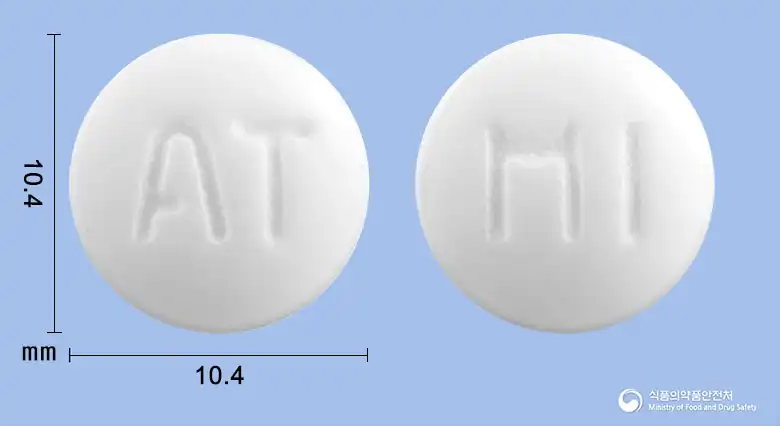
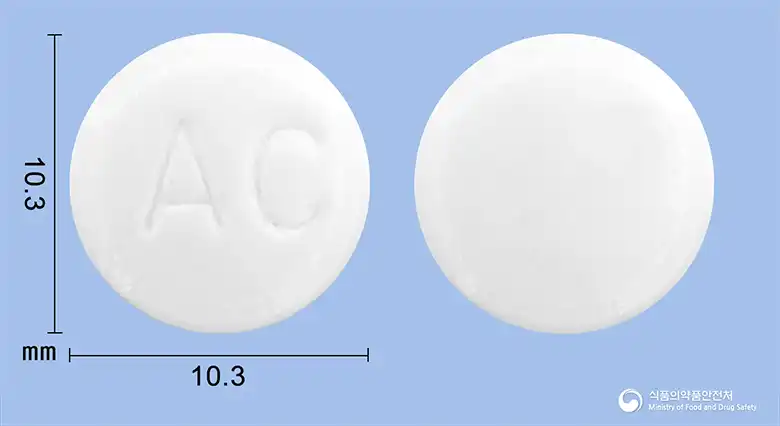
White round enteric-coated film tablets
60 tablets (12 tablets/PTP × 5), 30 tablets/bottle, 500 tablets/bottle
Even with the same ingredient, strength, dosage form and how it is taken can differ.
Even with the same ingredient, the dose and directions can differ by strength and dosage form. Talk to a doctor or pharmacist before switching from a medication you are already taking.
No questions yet.
For anything that needs medical judgment, consult a doctor or pharmacist.
This drug information is based on data provided by the Korea Ministry of Food and Drug Safety.
Consult a doctor or pharmacist for accurate dosage, administration, and usage instructions.