
 한국어
한국어 English
 日本語
日本語 中文(简体)
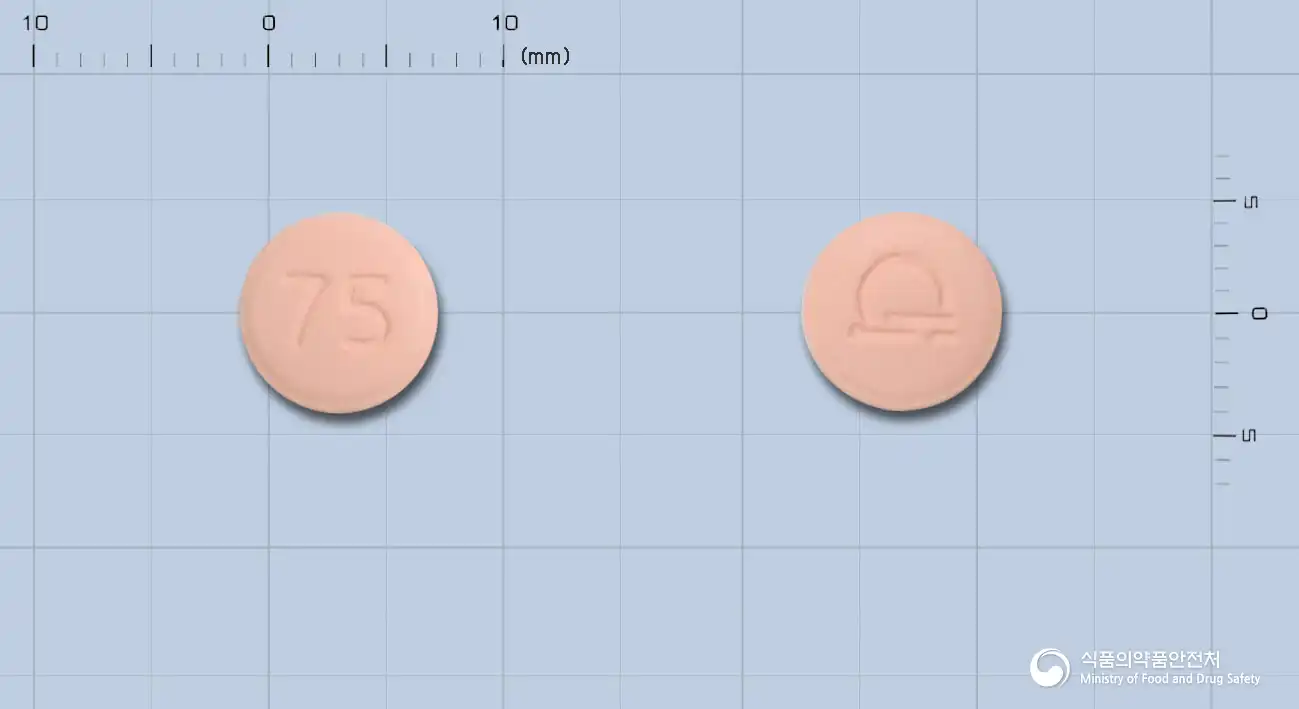
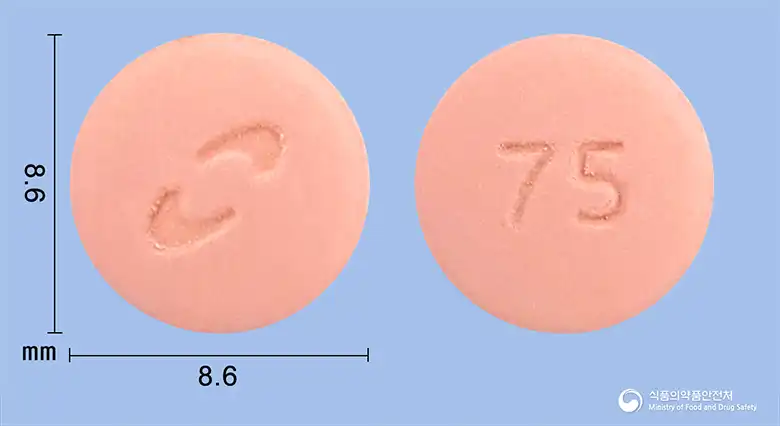
Dosage form image
Viewing nowSama Clopidogrel Tablets (Clopidogrel Sulfate)
Clopidogrel Bisulfate 97.875mg
Tablet · Prescription medication
Sama Pharmaceutical Co., Ltd.
MFDS item code 200500781 · Notified 2005.07.26
This product's status changed to Expired on 2024.10.01. It may no longer be sold, so consult a doctor or pharmacist before taking it.
Treatment for improvement of atherosclerotic symptoms such as ischemic stroke and myocardial infarction, and reduction of the risk of stroke and thrombosis.
This medication is used to improve atherosclerotic symptoms in adult patients with ischemic stroke, myocardial infarction, and peripheral arterial disease. It also alleviates cardiovascular symptoms due to acute coronary syndrome and is effective in patients with unstable angina or Non-Q-wave myocardial infarction who have received drug therapy or procedures. Additionally, it helps reduce the risk of stroke and thrombosis in patients with atrial fibrillation who have vascular risk factors, especially when anticoagulation with vitamin K antagonists is not suitable. This treatment plays an important role in managing cardiovascular diseases and benefits in improving the patient's condition.
1. For patients with ischemic stroke, myocardial infarction, or peripheral arterial disease, administer clopidogrel at a dosage of 75 mg orally once daily. 2. For patients with acute coronary syndrome (unstable angina or Non-Q-wave myocardial infarction), start with a loading dose of 300 mg on the first day of treatment, followed by a maintenance dose of 75 mg orally once daily. At this time, aspirin 75
This medication is an antiplatelet drug that prevents platelets in the blood from sticking together, thereby preventing blood clotting. This drug must be converted into its active form in the liver to be effective; therefore, individuals with impaired function of specific liver enzymes may experience reduced effectiveness. While taking this medication, the risk of bleeding may increase; therefore, it is advisable not to take it if there is any history of bleeding or if the patient is at high risk for bleeding. In particular, patients with gastrointestinal bleeding, intracranial hemorrhage, and bleeding disorders such as hemophilia should not be administered this medication. Patients with severely impaired liver function or women who are breastfeeding should also avoid taking this medication. This medication contains lactose, hence patients with lactose intolerance or related genetic disorders should refrain from taking it. If bleeding symptoms are suspected while taking this medication, consult a physician immediately, and discontinue use 5 to 7 days prior to any scheduled surgery to reduce bleeding risk. Additionally, caution is necessary since taking this medication with other drugs that carry a bleeding risk may further increase the risk of bleeding. Rarely, this medication may cause severe side effects resulting in a rapid decrease in the number of platelets in the blood; therefore, inform healthcare personnel immediately if symptoms of fever or infection occur. During pregnancy, the use of this medication should be limited to essential cases to consider potential effects on the fetus, and it may be discontinued prior to delivery to reduce bleeding risk. In cases of breastfeeding, since this medication may be excreted into breast milk, discuss with a physician whether to continue breastfeeding or discontinue the medication. Elderly patients, or those with impaired kidney or liver function may have an increased risk of bleeding and should use this medication with particular caution. In case of overdose, there may be prolonged bleeding times and the occurrence of bleeding; thus, it is crucial to adhere strictly to the prescribed dosage, as treatment such as platelet transfusion may be necessary in case of overdose. This medication should be stored out of reach of children and it is advisable to avoid transferring it to other containers.
Hives, severe swelling (edema), chest tightness, difficulty breathing, cold sweat, pallor, severe rash accompanied by high fever, blisters, peeling skin, pain in oral/ocular mucosa, shortness of breath or difficulty breathing, asthma attacks, respiratory abnormalities accompanied by cough and fever, yellowing of skin or eyes (jaundice), extreme fatigue, sudden and severe headaches, thunderclap headaches, seizures, altered consciousness, visual disturbances, paralysis, urine
Not everyone experiences these, and they can vary from person to person.
This medication must be stored in a sealed container to protect it from air and moisture. Additionally, it should be stored at room temperature between 1 degree and 30 degrees Celsius. Proper storage will help maintain the medication's effectiveness for a longer period.
Pink round film-coated tablets
30 tablets, 100 tablets (bottle)
Even with the same ingredient, strength, dosage form and how it is taken can differ.
Clopidogrel Bisulfate 97.875mg
Tablet · Prescription medication
Sama Pharmaceutical Co., Ltd.
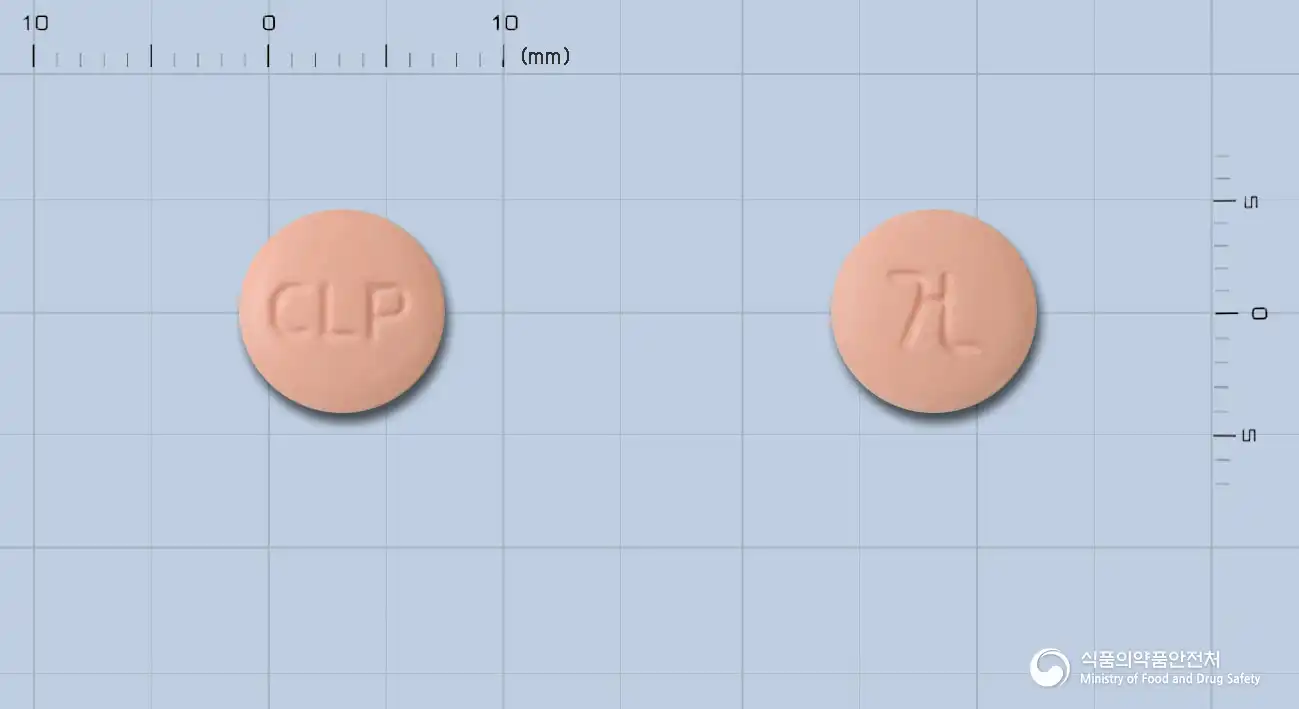
Clopidogrel Bisulfate 97.875mg
Tablet · Prescription medication
Geonil Pharmaceutical Co., Ltd.
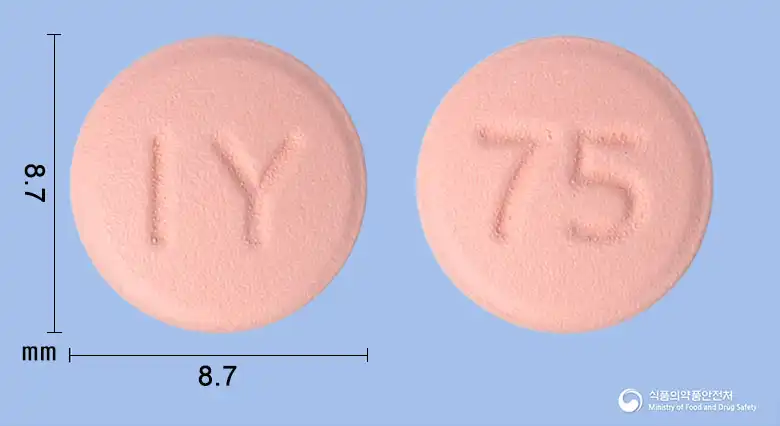
Clopidogrel Bisulfate 97.875mg
Tablet · Prescription medication
Il Yang Pharmaceutical Co., Ltd.
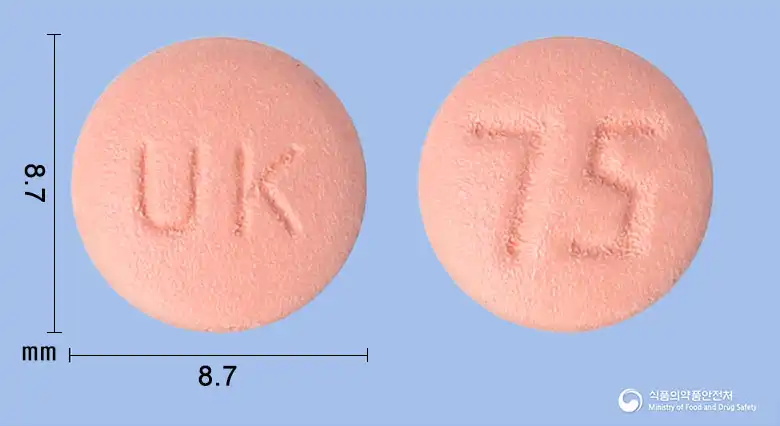
Clopidogrel Bisulfate 97.875mg
Tablet · Prescription medication
Korea Union Pharmaceutical Co., Ltd.

Clopidogrel Bisulfate 97.875mg
Tablet · Prescription medication
(Co., Ltd.) Korea Pharma
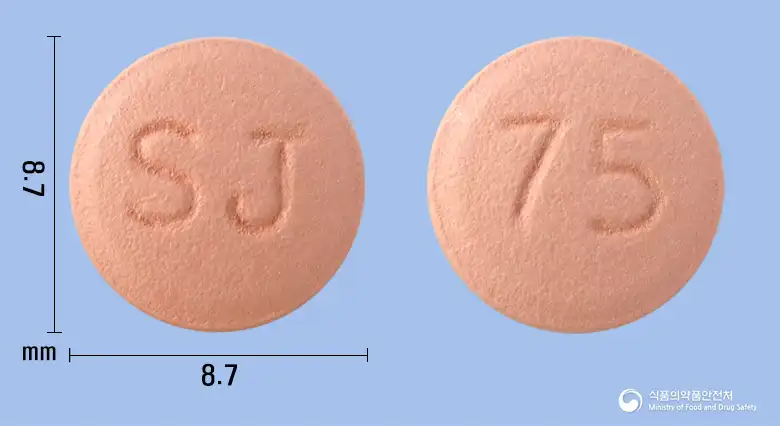
Clopidogrel Bisulfate 97.875mg
Tablet · Prescription medication
Samjin Pharmaceutical Co., Ltd.
Clopidogrel Bisulfate 97.875mg
Tablet · Prescription medication
Daewon Pharmaceutical Co., Ltd.
Clopidogrel Bisulfate 97.875mg
Tablet · Prescription medication
Celix Co., Ltd.
Even with the same ingredient, the dose and directions can differ by strength and dosage form. Talk to a doctor or pharmacist before switching from a medication you are already taking.
No questions yet.
For anything that needs medical judgment, consult a doctor or pharmacist.
This drug information is based on data provided by the Korea Ministry of Food and Drug Safety.
Consult a doctor or pharmacist for accurate dosage, administration, and usage instructions.