
 한국어
한국어 English
 日本語
日本語 中文(简体)
Dosage form image
Viewing nowZanadipin Tablet (Lercanidipine Hydrochloride)
Lercanidipine Hydrochloride 10mg
Tablet · Prescription medication
Yuhan Corporation
MFDS item code 200500578 · Notified 2005.06.30
This product's status changed to Expired on 2024.07.01. It may no longer be sold, so consult a doctor or pharmacist before taking it.
Improvement of mild to moderate essential hypertension
This medication is used to control blood pressure in patients with mild to moderate essential hypertension.
As Lercanidipine Hydrochloride, orally take 5 - 10 mg once daily at least 15 minutes before a meal. The dose can be increased up to 20 mg depending on the patient's symptoms. Dose adjustment should be gradual as it takes about 2 weeks to show the maximum antihypertensive effect. For elderly patients, dosage adjustment is usually not necessary, but caution is needed at the start of treatment. For patients with mild to moderate liver or kidney impairment, special caution is necessary.
This drug should not be administered to certain patients. For example, it should not be taken by individuals allergic to this medication or similar drugs, women who are pregnant or nursing, patients with serious heart problems, and those with severely impaired kidney or liver function. Additionally, some patients need special caution when using this medication. Patients with heart rhythm issues or slightly impaired kidney and liver function, individuals with a history of angina, those who consume alcohol frequently, and the elderly should be cautious when using this medication. Taking this medication may cause symptoms such as facial flushing or swelling of the hands and feet, and side effects such as headache, dizziness, and dyspepsia may occur. Rarely, symptoms such as liver dysfunction, skin rash, and muscle pain may appear, so if any unusual symptoms occur, you should consult a doctor immediately. Abruptly stopping this medication may worsen symptoms, so it is recommended to gradually taper off while monitoring the condition well. Also, dizziness or drowsiness may occur, requiring caution when driving or operating machinery. This medication's efficacy may change when taken with other medications that affect liver metabolism, so if you are currently taking any medications, you must inform your doctor or pharmacist. Especially ant-fungal agents, antibiotics, antiepileptic drugs, and grapefruit juice may alter the blood concentration of this medication, so they should not be taken together. It is safest for pregnant women or those who may become pregnant, as well as nursing mothers, to avoid taking this medication. This drug is not recommended for children and adolescents, and special caution is needed for elderly patients when starting treatment. Overdose can cause serious hypotension and heart problems, so it is essential to stick to the prescribed dosage, and if overdose is suspected, seek medical attention immediately. Finally, this drug should be stored out of reach of children, and transferring it to other containers should be avoided as it may affect the quality of the medication.
Facial flushing, peripheral edema, palpitations, tachycardia, headache, dizziness, weakness, fatigue, drowsiness, nervous exhaustion, dyspepsia, nausea, vomiting, abdominal pain, diarrhea, polyuria, frequent urination, gingival hypertrophy, rash, muscle pain, tremors, insomnia, dry mouth, hand numbness, coughing, abdominal distension, erectile dysfunction, hypotension, arrhythmia, cold sweat, skin tingling, premature contractions, tongue rigidity, increased ventricular premature beats (VPB), gastrointestinal disturbances
Not everyone experiences these, and they can vary from person to person.
This medication should be stored in a tightly closed container to prevent air or moisture from entering. It is best to keep it in a cool place, ideally at room temperature between 1 degree and 30 degrees.
Yellow round film-coated tablets
30 tablets/bottle
Even with the same ingredient, strength, dosage form and how it is taken can differ.
Lercanidipine Hydrochloride 10mg
Tablet · Prescription medication
Yuhan Corporation
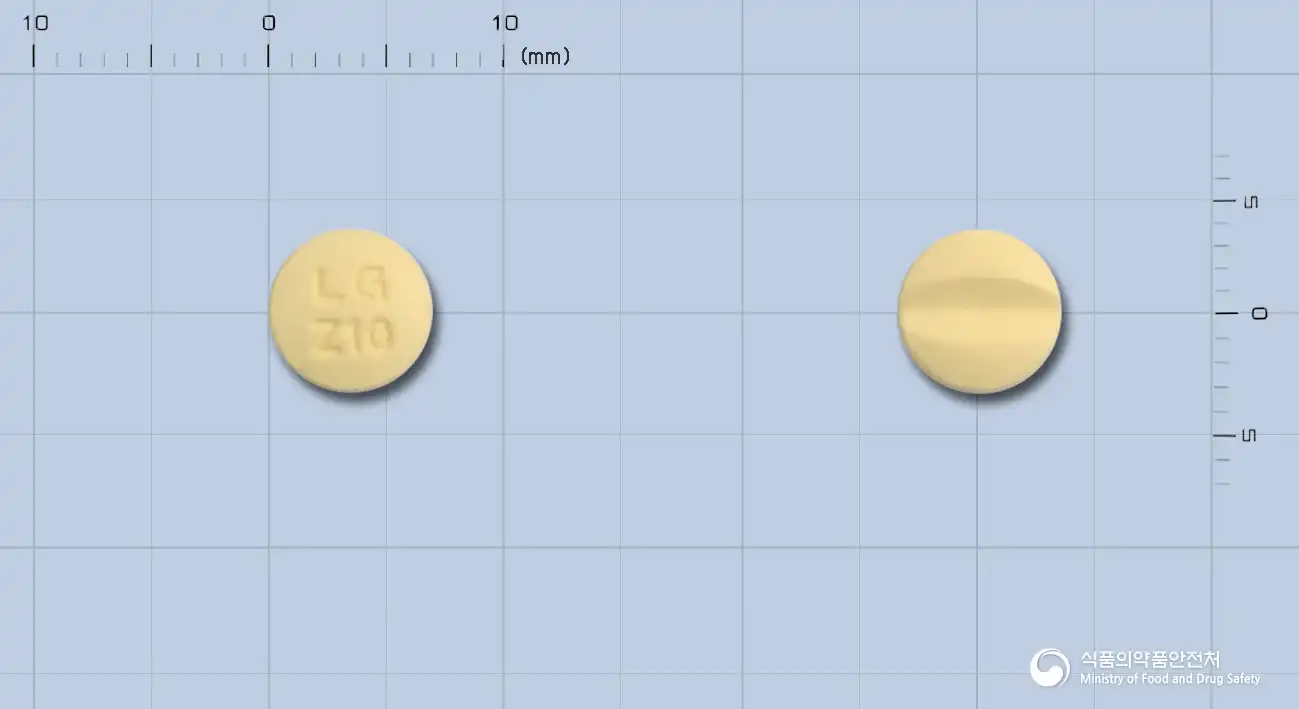
Lercanidipine Hydrochloride 10mg
Tablet · Prescription medication
LG Chem, Ltd.
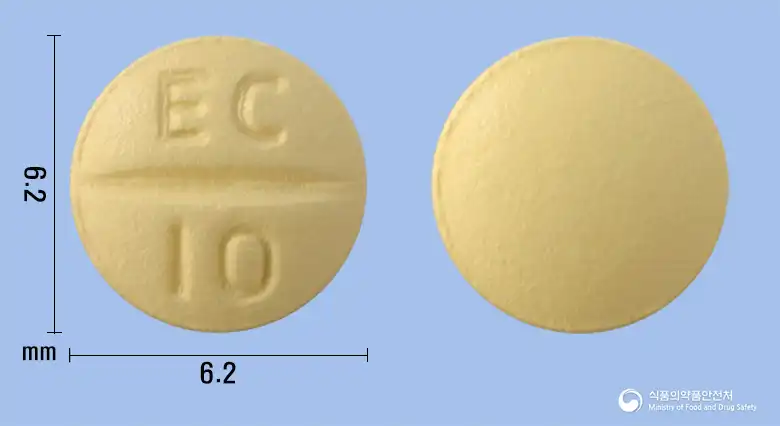
Lercanidipine Hydrochloride 10mg
Tablet · Prescription medication
Jongkundang Co., Ltd.
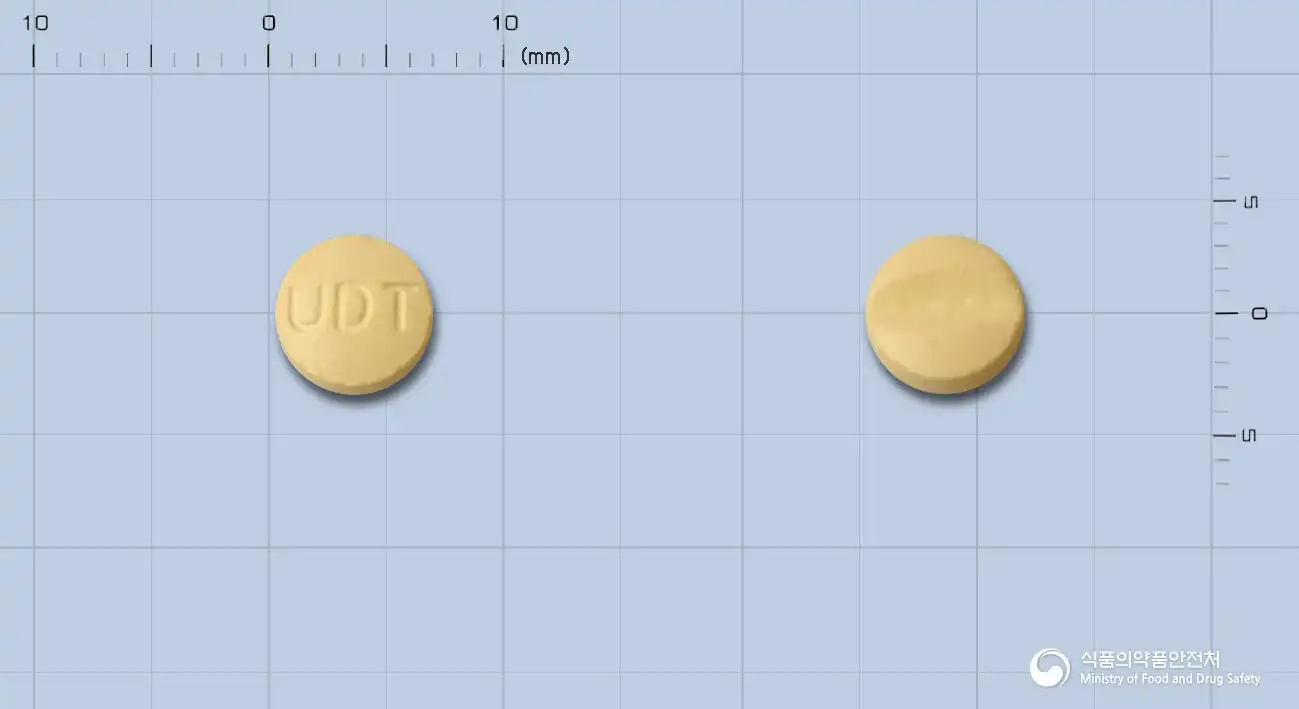
Lercanidipine Hydrochloride 10mg
Tablet · Prescription medication
Yuyu Pharmaceutical Co., Ltd.
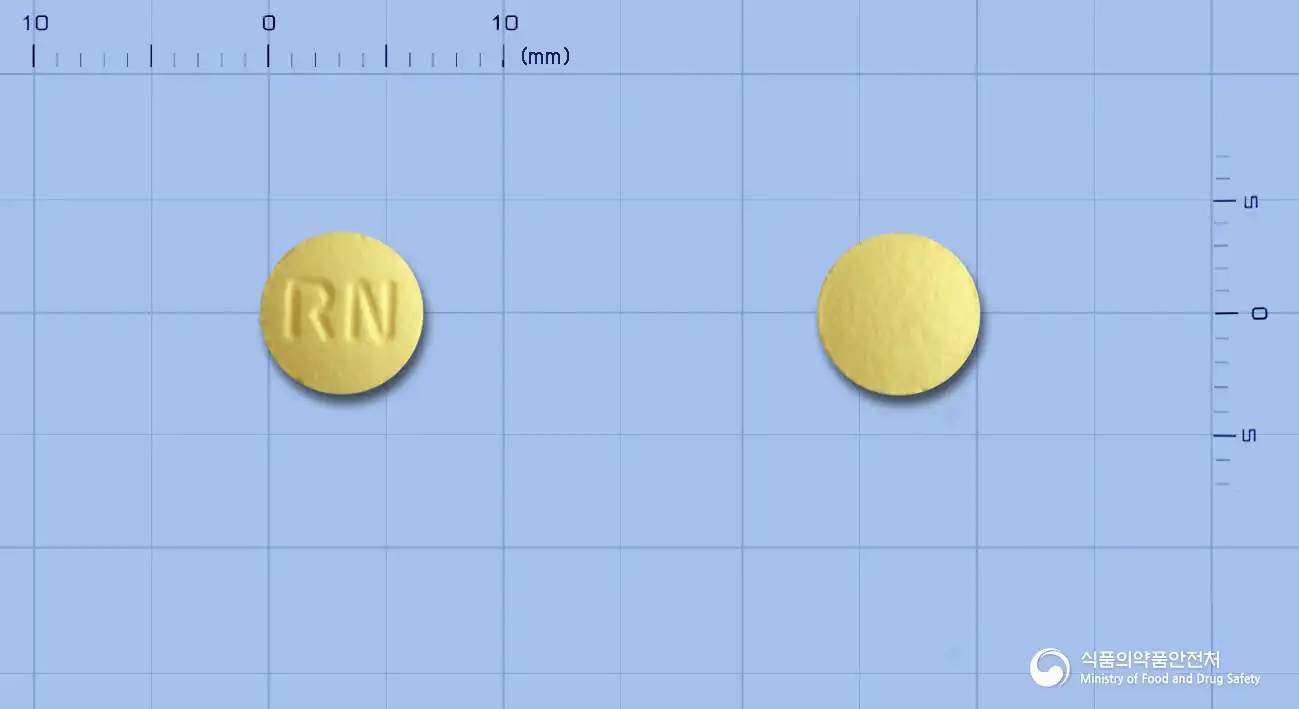
Lercanidipine Hydrochloride 10mg
Tablet · Prescription medication
Samsung Pharmaceutical Co., Ltd.
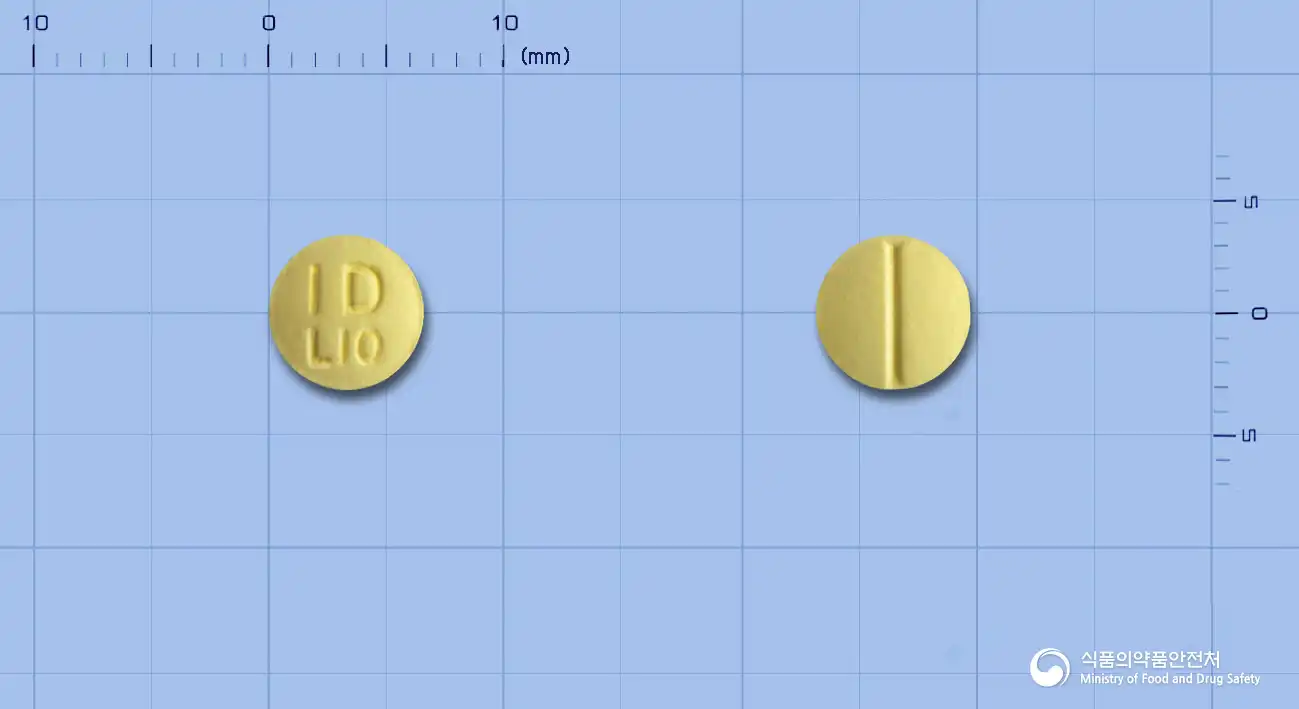
Lercanidipine Hydrochloride 10mg
Tablet · Prescription medication
Ildong Pharmaceutical Co., Ltd.
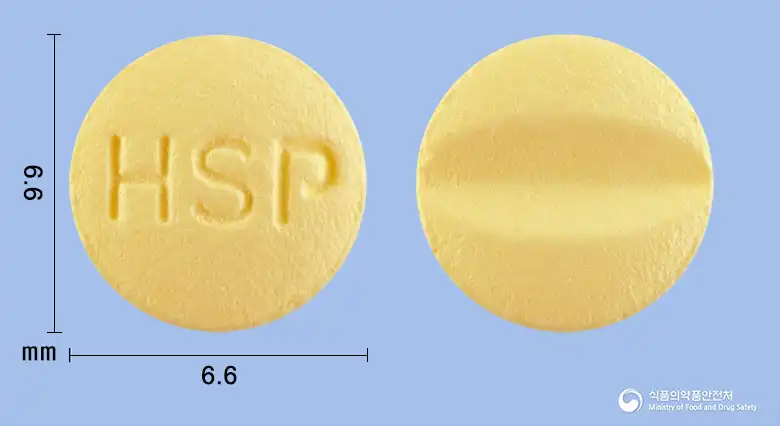
Lercanidipine Hydrochloride 10mg
Tablet · Prescription medication
Celltrion Pharmaceutical Co., Ltd.
Lercanidipine Hydrochloride 10mg
Tablet · Prescription medication
Kolon Pharmaceutical Co., Ltd.
Even with the same ingredient, the dose and directions can differ by strength and dosage form. Talk to a doctor or pharmacist before switching from a medication you are already taking.
No questions yet.
For anything that needs medical judgment, consult a doctor or pharmacist.
This drug information is based on data provided by the Korea Ministry of Food and Drug Safety.
Consult a doctor or pharmacist for accurate dosage, administration, and usage instructions.