
 한국어
 English
 日本語
 中文(简体)
 Viewing now
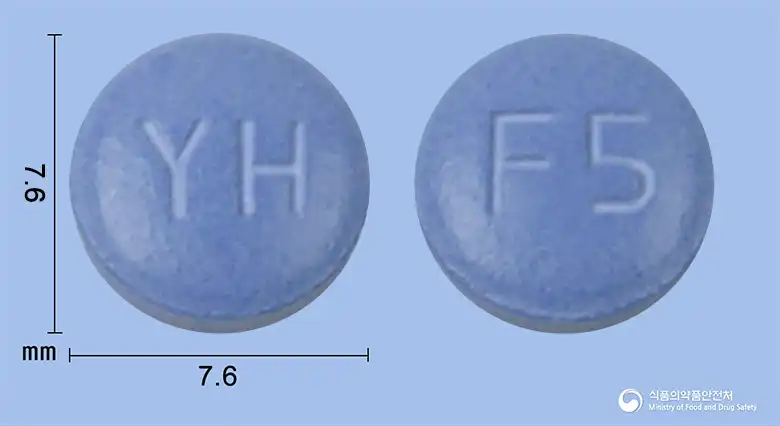
Panaska Tablet (Finasteride)
Finasteride 5mg
Tablet · Prescription medication
Yuhan Corporation
MFDS item code 200500572 · Notified 2005.04.27 · Insurance code 642102540
Improvement of benign prostatic hyperplasia (symptoms, urinary flow, etc.)
This medication improves symptoms associated with benign prostatic hyperplasia, reduces the size of an enlarged prostate, and facilitates smoother urine flow. It also helps to lower the frequency of acute urinary retention and reduces the necessity for prostate surgery. Therefore, it is used to effectively alleviate prostate-related symptoms.
Administer 5 mg of finasteride orally once daily, with or without food. Treatment for at least 6 months is required, even if symptoms improve during administration. Patients with renal impairment: Based on pharmacokinetic properties, no changes were observed with administration of this drug; therefore, no dosage adjustment is necessary in patients with various degrees of renal impairment (creatinine clearance: 9.0 mL/min). Elderly patients: Although elimination of this drug is slightly reduced in patients aged 70 years and older, no dosage adjustment is necessary.
This medication should not be used in children or women. In particular, women who are pregnant or could become pregnant should avoid handling broken pieces of this medication. While the drug is coated and normally does not come into contact with the active ingredient unless damaged, it may pose risks if broken or crushed. During the course of taking this medication, symptoms of depression or mood changes may occur. If these symptoms arise, it is essential to consult a healthcare professional immediately. Additionally, individuals with known allergies to this medication or its components should not take it. Patients with liver dysfunction should use this medication cautiously. Generally, this drug has a low incidence of side effects and good tolerability, but sexual dysfunction-related adverse reactions may occur. Reports of erectile dysfunction, decreased libido, and reduced semen volume have been noted. There have been reports linking long-term use to male breast cancer; however, the direct correlation with this medication has not yet been clearly established. This drug may increase the risk of certain high-grade types of prostate cancer, so it is crucial to carefully monitor prostate health before and during treatment. This medication tends to have minimal interactions with other drugs, and no special dose adjustments are necessary. Pregnant and breastfeeding women should avoid using this drug, particularly women who are pregnant should refrain from use due to the risks of genital abnormalities in male fetuses. The safety and efficacy in pediatric patients have not been established, thus it is not recommended for use in this population. Elderly patients can use this medication without specific dose adjustments, but it is advised to consult a physician before use. This medication may impact prostate cancer diagnosis; hence caution is needed when interpreting results from prostate-specific antigen (PSA) tests. Moreover, the volume of semen may decrease during treatment, but this does not significantly impact normal sexual function. There is no specific treatment for overdose, and it should be kept out of reach of children. It is advisable to avoid transferring the medication to other containers.
Not everyone experiences these, and they can vary from person to person.
This medication should be stored at room temperature between 1°C and 30°C. It is important to keep it in a light-proof, tightly closed container, avoiding direct sunlight.
Blue round film-coated tablets
30 tablets (10 tablets/PTPX3)
Even with the same ingredient, strength, dosage form and how it is taken can differ.
Viewing nowFinasteride 5mg
Tablet · Prescription medication
Yuhan Corporation
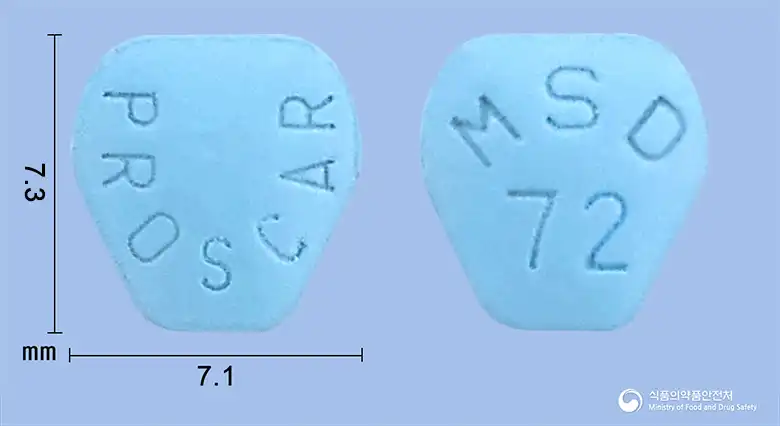
Finasteride 5mg
Tablet · Prescription medication
Korea Organon Co., Ltd.
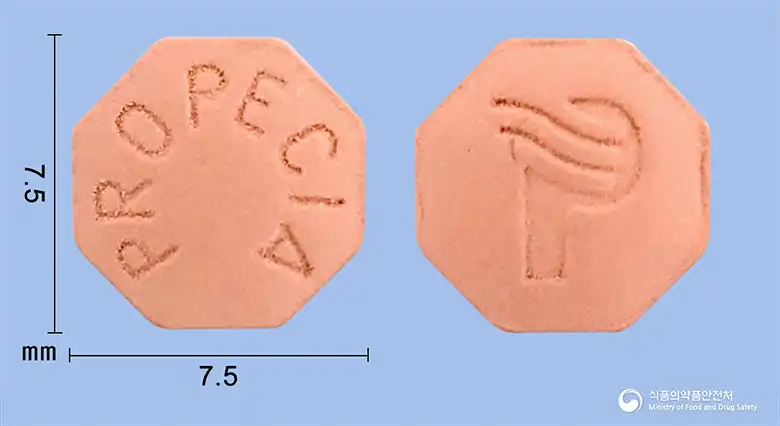
Finasteride 1mg
Tablet · Prescription medication
Korea Organon Co., Ltd.
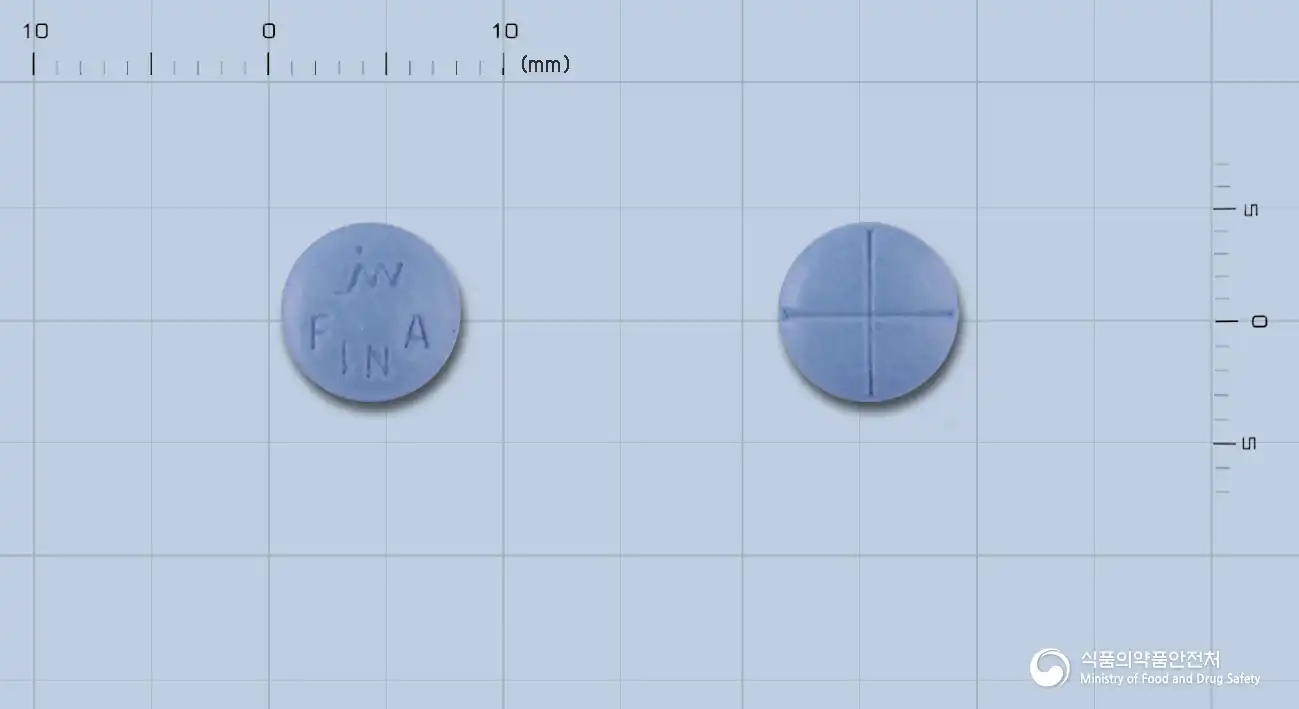
Finasteride 5mg
Tablet · Prescription medication
JW Pharmaceutical Co., Ltd.
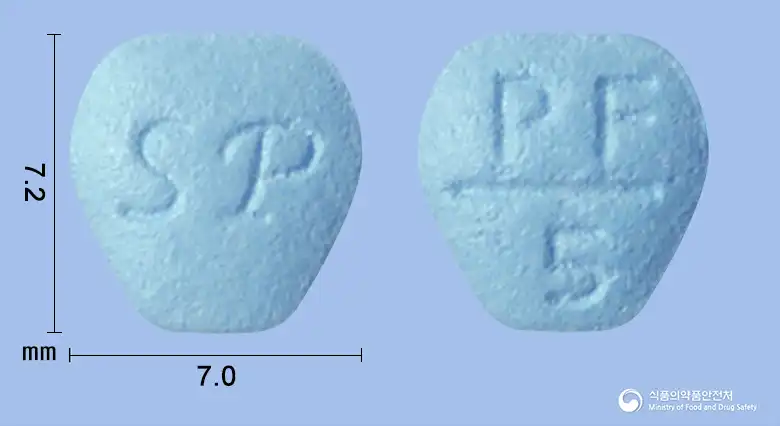
Finasteride 5mg
Tablet · Prescription medication
Shinpoong Pharmaceutical Co., Ltd.
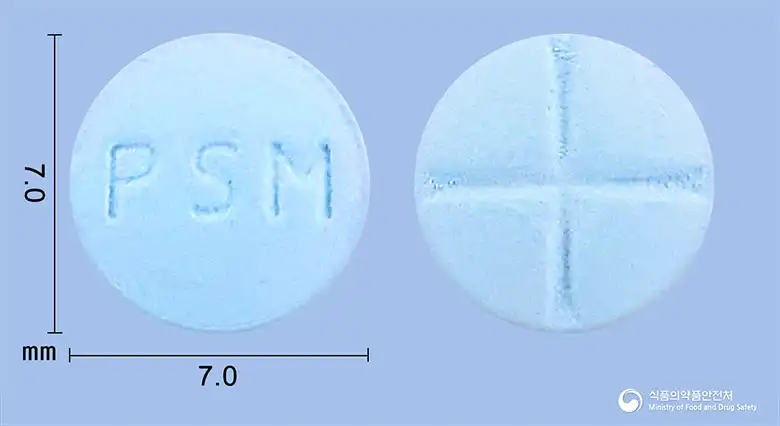
Finasteride 5mg
Tablet · Prescription medication
(Jongkundang Co., Ltd.)
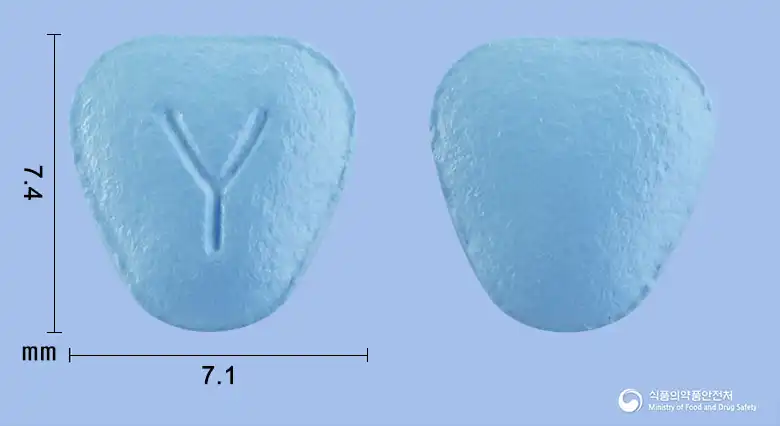
Finasteride 5mg
Tablet · Prescription medication
IYun Pharmaceutical Co., Ltd.
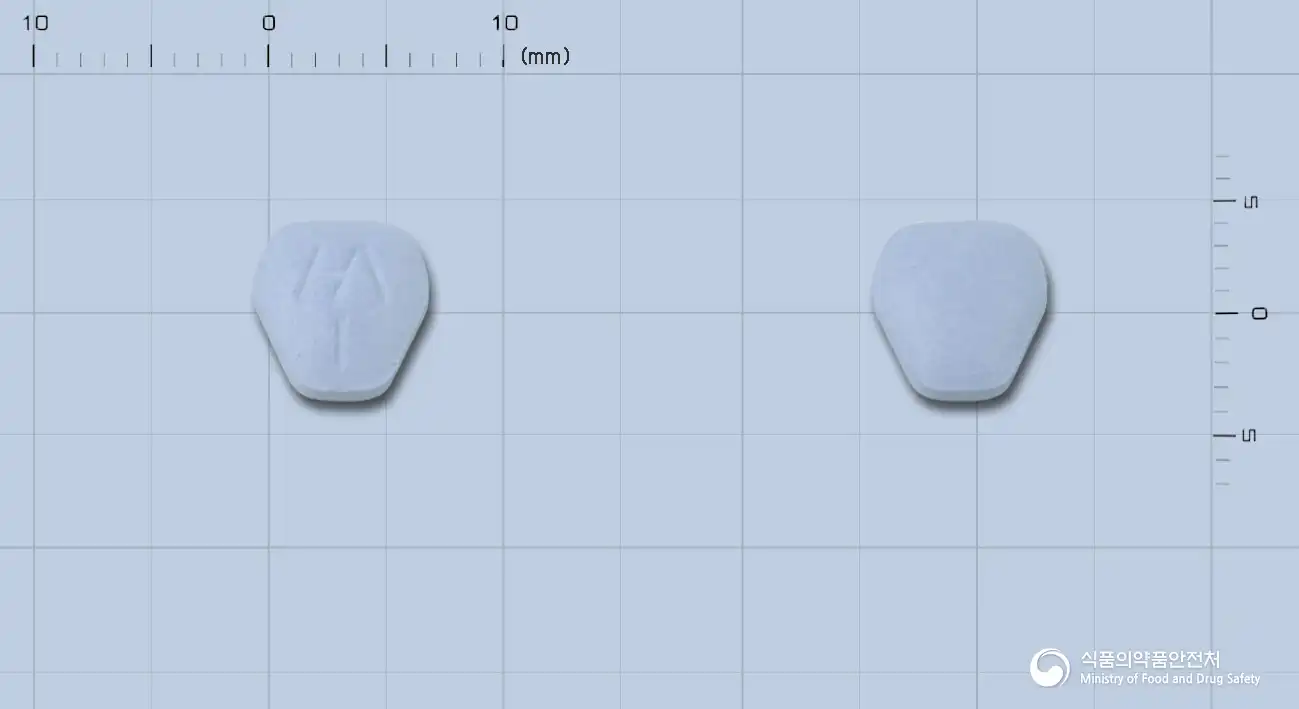
Finasteride 5mg
Tablet · Prescription medication
Hanol Biopharma Co., Ltd.
Even with the same ingredient, the dose and directions can differ by strength and dosage form. Talk to a doctor or pharmacist before switching from a medication you are already taking.
No questions yet.
For anything that needs medical judgment, consult a doctor or pharmacist.
This drug information is based on data provided by the Korea Ministry of Food and Drug Safety.
Consult a doctor or pharmacist for accurate dosage, administration, and usage instructions.