
 한국어
 English
 日本語
 中文(简体)
Summary
- Main use
- Short-term treatment of gastric and duodenal ulcers; improvement of gastric mucosal lesions in gastritis
- Who takes it
- Adults
- Adult dose
- 1. Short-term treatment of duodenal ulcers : The usual dose is 200mg of revaprazan hydrochloride orally once daily. 2. Improvement of gastric mucosal lesions in acute and chronic gastritis : The usual dose is 200mg of revaprazan hydrochloride orally once daily. 3. Short-term treatment of gastric ulcers : The usual dose is 200mg of revaprazan hydrochloride orally once daily.
Ingredients
- Manufacturer
- Yuhan Corporation
Efficacy & effects
Short-term treatment of gastric and duodenal ulcers; improvement of gastric mucosal lesions in gastritis
- Duodenal ulcers
- acute gastritis
- chronic gastritis
- gastric mucosal lesions
- gastric ulcers
View approved original textHide original text
This medication is effective for the short-term treatment of duodenal ulcers and gastric ulcers. It is also used to improve gastric mucosal damage caused by acute and chronic gastritis. In other words, this medication helps improve ulcer and inflammation symptoms in the digestive system, aiding in the patient's quick recovery.
How to take
Adult dose
1. Short-term treatment of duodenal ulcers : The usual dose is 200mg of revaprazan hydrochloride orally once daily. 2. Improvement of gastric mucosal lesions in acute and chronic gastritis : The usual dose is 200mg of revaprazan hydrochloride orally once daily. 3. Short-term treatment of gastric ulcers : The usual dose is 200mg of revaprazan hydrochloride orally once daily.
Precautions
This medication should not be used by patients with allergies to its ingredients or those taking certain antiviral medications. Patients with poor kidney function or liver issues, as well as elderly individuals, should exercise greater caution when using this medication. Taking this medication may temporarily elevate liver function test results; thus, it is advisable to regularly check liver status through blood tests. Various side effects such as abdominal pain, dyspepsia, nausea, diarrhea, headaches, fatigue, skin rashes, and others may occur, and if abnormal symptoms arise, consultation with a doctor is necessary. This medication may mask the symptoms of gastric cancer or malignant tumors, so tests are essential if symptoms such as weight loss, recurrent vomiting, or hematemesis occur. It is advisable for pregnant women, women who may become pregnant, and nursing mothers not to take this medication. Safety and efficacy have not been adequately established for children; therefore, use is not recommended. When taken with other drugs, interactions may occur, particularly with medications affecting blood coagulation or certain antifungals, so one should inform their doctor about concurrent medications. Long-term or high-dose use may increase the risk of bone fractures, so care is necessary. No specific symptoms have been reported for overdose; however, it is safest to consult a medical professional immediately.
Side effects
Temporary and reversible increases in AST, ALT, GGT, acute abdominal pain, upper abdominal burning, postprandial fullness, bloating, upper abdominal discomfort, belching, diarrhea, gastric retention sensation, nausea, heartburn, upper abdominal pain, abdominal pain, inability to eat, gaseous distention, gastric polyps, loose stools, gastric acid reflux, vomiting, constipation, indigestion, colorectal polyps, headache, facial edema, generalized weakness, fever, fatigue, malaise, rhinitis, bronchitis, sputum, drowsiness, insomnia, depressive symptoms, pruritus, urticaria, thirst, gallbladder stones, allergic conjunctivitis, dizziness, thrombocytopenia, upper respiratory infection, pruritus, heartburn, lower limb weakness, nausea, indigestion, abdominal pain, constipation, thirst, peripheral edema, fatigue, elevated creatine phosphokinase, elevated cholesterol, elevated triglycerides
Not everyone experiences these, and they can vary from person to person.
Storage
This medication should be stored in a closed container to prevent air infiltration and at a temperature between 1 and 30 degrees Celsius. Proper storage will help maintain the efficacy of the medication for longer.
Appearance and packaging
Appearance
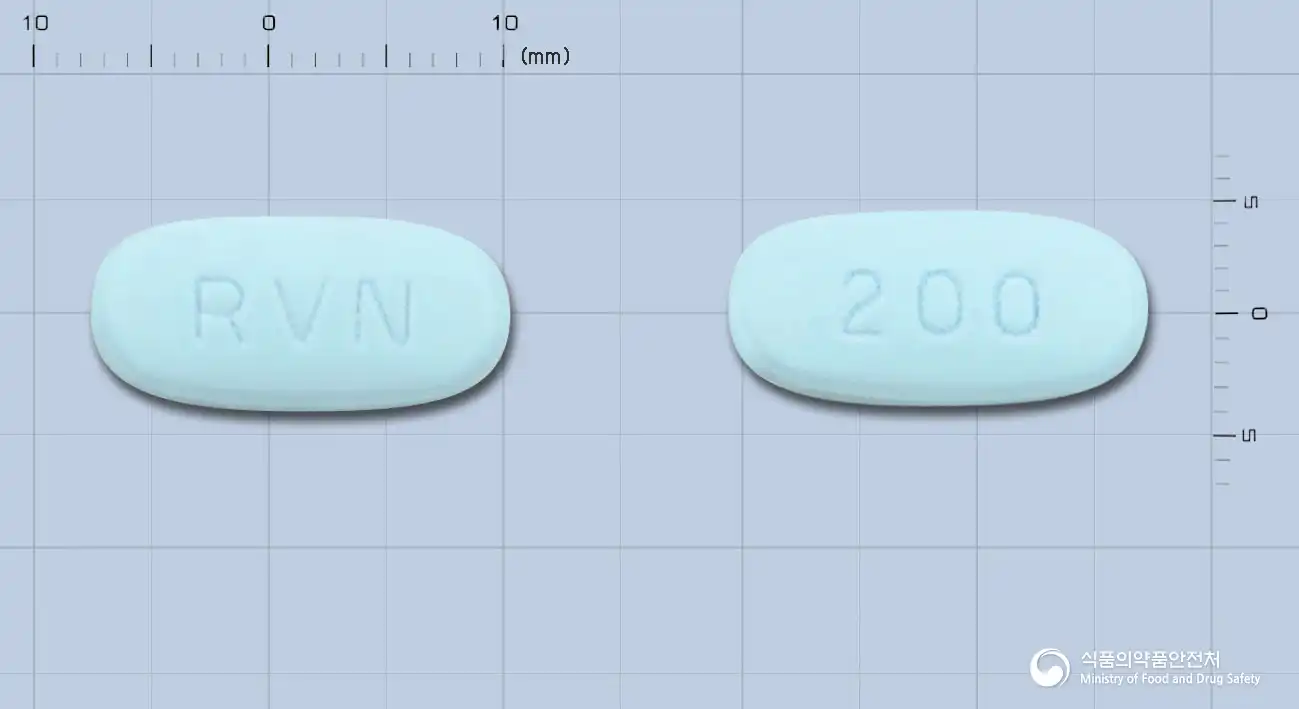
Light blue, rectangular film-coated tablet
Package unit
100 tablets (10 tablets/PTP packaging x 10)
Questions about this medicine
No questions yet.
For anything that needs medical judgment, consult a doctor or pharmacist.