
 한국어
 English
 日本語
 中文(简体)
 Viewing now
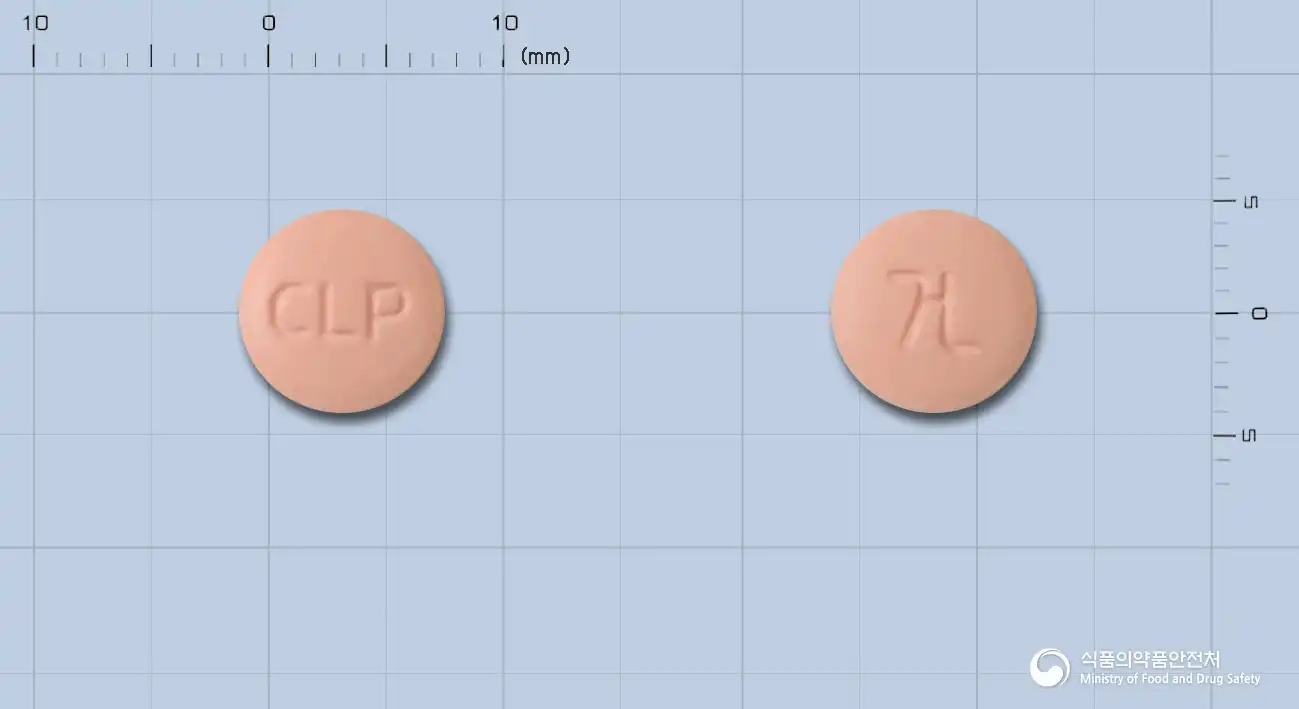
Gunil Clopidogrel Tablets (Clopidogrel Sulfate)
Clopidogrel Bisulfate 97.875mg
Tablet · Prescription medication
Geonil Pharmaceutical Co., Ltd.
MFDS item code 200500494 · Notified 2005.07.26 · Insurance code 646800430
Improvement of symptoms of acute coronary syndrome and atherosclerosis; prevention of thromboembolism in atrial fibrillation
This medication is used to improve symptoms caused by atherosclerosis in adult patients with ischemic stroke, myocardial infarction, or peripheral artery disease. It also improves atherosclerotic symptoms such as death from cardiovascular events, myocardial infarction, stroke, or refractory ischemia in patients with acute coronary syndrome who have undergone coronary intervention or coronary artery bypass surgery. Additionally, it helps reduce the risk of stroke and thromboembolism in patients with atrial fibrillation who have vascular risk factors and cannot be treated with vitamin K antagonists. In summary, this medication is used for the improvement of atherosclerosis and thrombotic symptoms related to various cardiovascular diseases and to reduce stroke risk.
1. In patients with ischemic stroke, myocardial infarction, or peripheral arterial disease, administer clopidogrel 75 mg orally once daily.\n2. In patients with acute coronary syndrome (unstable angina or non-Q-wave myocardial infarction), initiate treatment on the first day with a loading dose of 300 mg of this drug once daily, followed by an oral maintenance dose of 75 mg once daily. Aspirin 75 ~ 325 mg should be administered concomitantly with this drug once daily.\n3. In patients with atrial fibrillation, administer 75 mg of this drug orally once daily. Aspirin 75 ~ 100 mg should be administered concomitantly with this drug once daily.\nTreatment experience in patients with renal impairment is limited.\nTreatment experience in patients with moderate hepatic impairment and a bleeding diathesis is limited.\nThis drug may be administered with or without food.
This medication prevents the formation of blood clots by inhibiting the aggregation of platelets in the blood. This medication may be less effective in individuals with genetically reduced function of a specific enzyme (CYP2C19). In this case, consultation with a physician is necessary to consider alternative treatment options. Additionally, it is not recommended to take this medication with drugs that activate the CYP2C19 enzyme, as it can increase the risk of bleeding. Patients who are allergic to this medication or its components, have bleeding issues, have severe liver damage, are breastfeeding, or have certain lactose intolerances should not take this medication. Patients at high risk for bleeding (e.g., those with blood coagulation disorders, those scheduled for recent surgery, those at risk of bleeding in the gastrointestinal tract or eyes) should use this medication with caution, and if bleeding symptoms appear, they should consult a physician immediately. Especially while taking this medication, caution is required when using other drugs that increase the risk of bleeding (such as aspirin, non-steroidal anti-inflammatory drugs, anticoagulants, selective serotonin reuptake inhibitors, etc.). Blood tests are necessary to regularly monitor the risk of bleeding or blood cell counts while on this medication. The risks to the fetus during pregnancy are not clearly established; however, there may be an increased risk of bleeding during delivery, so patients should consult a physician before giving birth, and if breastfeeding, they should discuss whether to continue breastfeeding as the drug may be passed into breast milk. Safety and efficacy in children have not been established. Elderly patients or those with impaired kidney or liver function may have an increased risk of bleeding, requiring dose adjustment and caution. Overdosage may increase the risk of bleeding, and since there is no specific antidote, treatments such as platelet transfusion may be necessary in case of severe bleeding. While taking this medication, it may take longer than usual for bleeding to stop, so patients should carefully monitor wounds or bleeding sites, and if bleeding does not stop or unusual symptoms occur, they should inform medical staff immediately. This medication should be kept out of the reach of children, and changing storage containers may be detrimental to product quality.
Not everyone experiences these, and they can vary from person to person.
This medication may be sensitive to air and moisture, so it must be stored in a tightly closed container. It is advisable to maintain a storage temperature between 1°C and 30°C. Proper storage will help preserve the effectiveness of the medication for a longer period.
Pink round film-coated tablets
30 pills/bottle, 100 pills/bottle
Even with the same ingredient, strength, dosage form and how it is taken can differ.
Viewing nowClopidogrel Bisulfate 97.875mg
Tablet · Prescription medication
Geonil Pharmaceutical Co., Ltd.
Clopidogrel Bisulfate 97.875mg
Tablet · Prescription medication
Sama Pharmaceutical Co., Ltd.
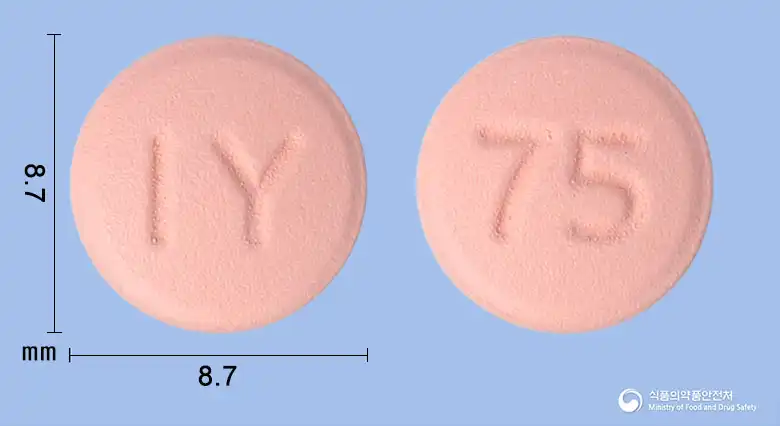
Clopidogrel Bisulfate 97.875mg
Tablet · Prescription medication
Il Yang Pharmaceutical Co., Ltd.
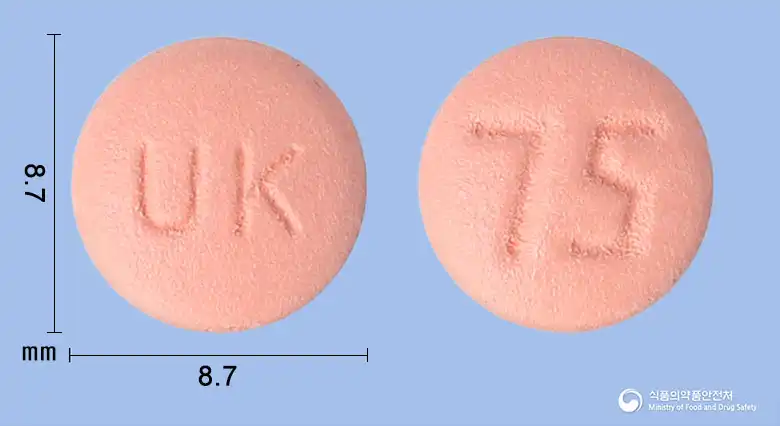
Clopidogrel Bisulfate 97.875mg
Tablet · Prescription medication
Korea Union Pharmaceutical Co., Ltd.

Clopidogrel Bisulfate 97.875mg
Tablet · Prescription medication
(Co., Ltd.) Korea Pharma
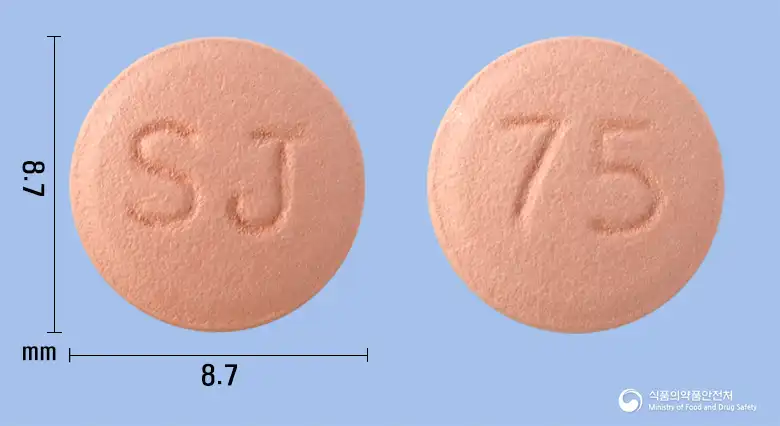
Clopidogrel Bisulfate 97.875mg
Tablet · Prescription medication
Samjin Pharmaceutical Co., Ltd.
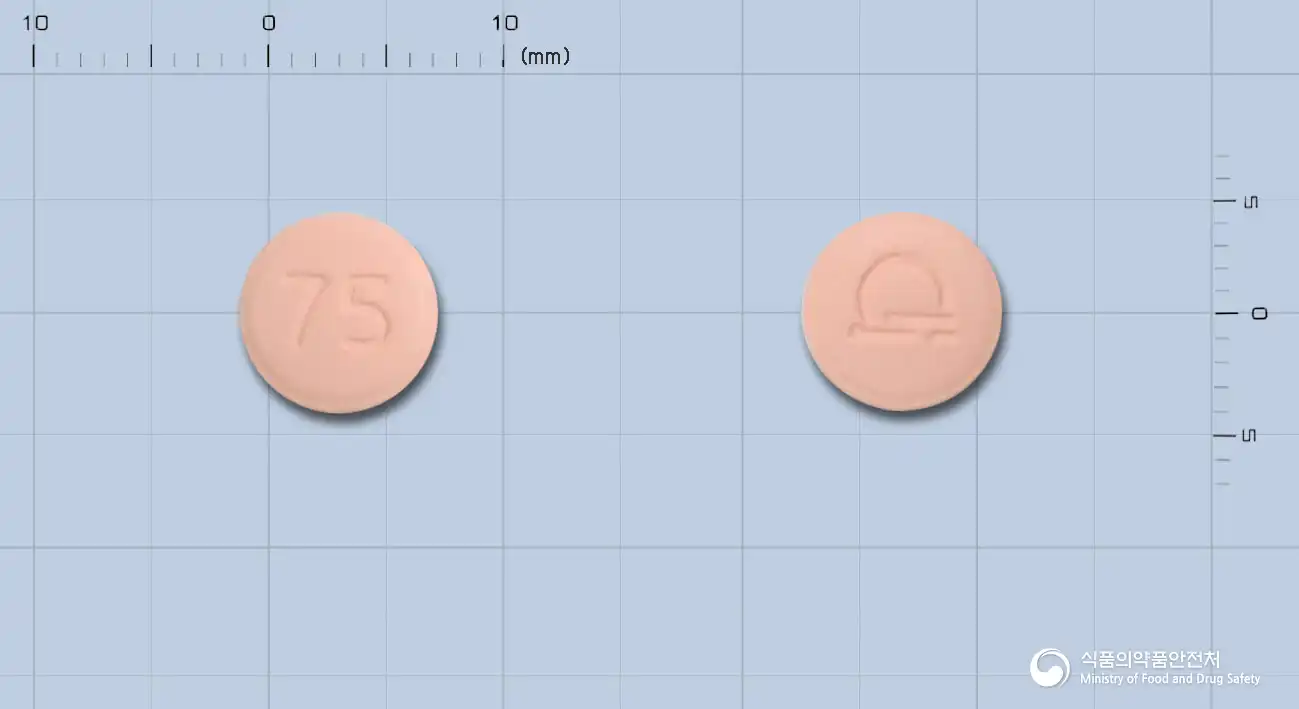
Clopidogrel Bisulfate 97.875mg
Tablet · Prescription medication
Daewon Pharmaceutical Co., Ltd.
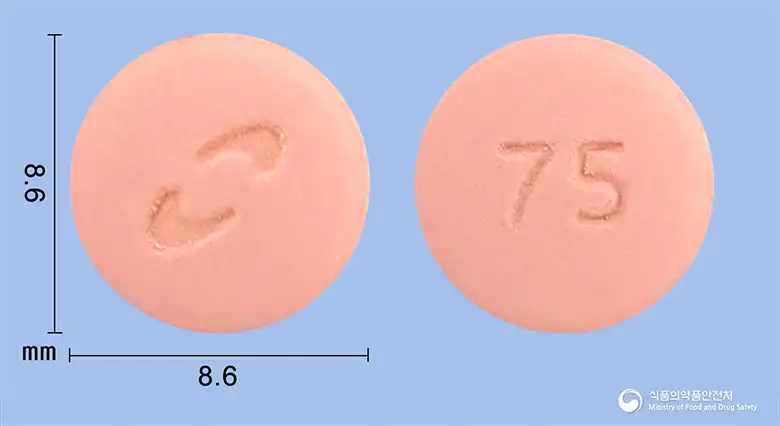
Clopidogrel Bisulfate 97.875mg
Tablet · Prescription medication
Celix Co., Ltd.
Even with the same ingredient, the dose and directions can differ by strength and dosage form. Talk to a doctor or pharmacist before switching from a medication you are already taking.
No questions yet.
For anything that needs medical judgment, consult a doctor or pharmacist.
This drug information is based on data provided by the Korea Ministry of Food and Drug Safety.
Consult a doctor or pharmacist for accurate dosage, administration, and usage instructions.