
 한국어
한국어 English
 日本語
日本語 中文(简体)
 Viewing now
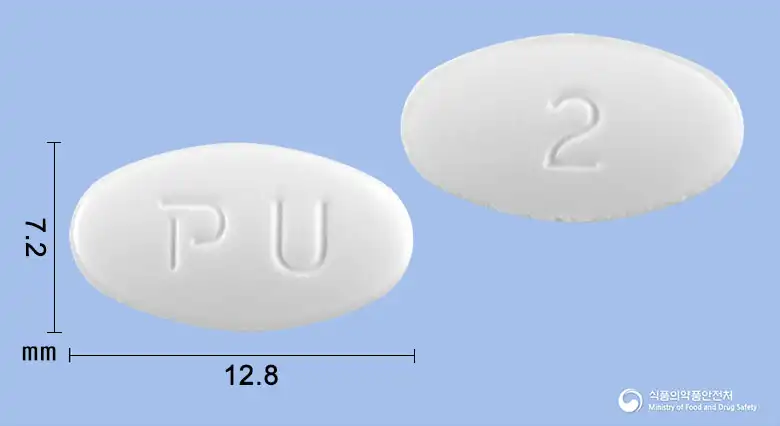
Bonadrone Tablet 70 mg (Sodium Alendronate Hydrate)
Sodium Alendronate Hydrate 91.37mg
Tablet · Prescription medication
Korea PMG Pharmaceutical Co., Ltd.
MFDS item code 200500488 · Notified 2005.03.24 · Insurance code 697100010
Improvement of osteoporosis in postmenopausal women and men
Used for the treatment of osteoporosis in postmenopausal women and men.
As sodium alendronate, take 70 mg once a week in the morning with plenty of water (170 to 230 mL) at least 30 minutes before consuming food, beverages, or other medications. After taking the medication, the patient should not lie down for at least 30 minutes and until the first intake of food. It should be taken as soon as the patient wakes up, and it should not be taken just before sleeping or just before getting up. If a dose is missed, take 70 mg the next morning.
This medication can irritate the gastrointestinal mucosa, so patients with esophageal diseases, gastritis, duodenitis, or ulcers should take it with caution. If symptoms such as esophagitis, esophageal ulcers, difficulty swallowing, pain behind the sternum, or heartburn occur during use, the medication should be stopped immediately and a doctor should be consulted. This medication should be taken with plenty of water, and the patient should not lie down for at least 30 minutes after taking the medication, and the method of administration should be followed precisely. Patients with esophageal transit disorders, those who cannot sit or stand for 30 minutes, those with hypersensitivity to this medication, patients with hypocalcemia, severe renal impairment, pregnant women, and nursing mothers should not take this medication. During use, gastrointestinal side effects (abdominal pain, nausea, indigestion, etc.), musculoskeletal side effects (pain, muscle cramps), neurological side effects (headache, dizziness), skin effects (rash, itching), and other side effects may occur. Particularly, with long-term use, serious side effects such as low-energy fractures of the bones or osteonecrosis of the jaw may rarely occur, so caution is needed. Mineral metabolism disorders such as hypocalcemia should be treated before taking this medication, and it is important to obtain sufficient calcium and vitamin D. This medication and calcium supplements or antacids interfere with absorption, so a gap of at least 30 minutes should be kept between their intake, and the risk of gastrointestinal side effects may increase when taken with aspirin. Pregnant women or women who may become pregnant, and nursing mothers should not take this medication, and the safety for children and adolescents under 18 years has not been established. When taking this medication, take it on an empty stomach with plenty of water in the morning, and do not lie down for at least 30 minutes afterwards, and do not chew or suck on the tablet. In case of overdose, gastrointestinal irritation symptoms may appear, so contact a medical institution immediately, and do not induce vomiting, and keep the patient in an upright position. Store out of the reach of children and do not transfer to other containers for safety.
Urticaria, severe swelling (edema), chest tightness, difficulty breathing, cold sweats, paleness, severe rash with fever, blisters, skin peeling, pain in the oral/ocular mucosa, shortness of breath or difficulty breathing, asthma attacks, abnormal breathing accompanied by cough and fever, jaundice (yellowing of the skin or eyes), extreme lethargy, sudden and severe headaches, lightning headache, seizures, confusion of consciousness, visual disturbances, paralysis, and others.
Not everyone experiences these, and they can vary from person to person.
This medication should be stored in a tightly closed container to protect it from air and moisture, and it is safe to store it at room temperature between 1 and 30 degrees. Proper storage will maintain the effectiveness of the medication and prevent deterioration.
White oval-shaped tablets
4 tablets (4 tablets/Alu-Alu×1)
Even with the same ingredient, strength, dosage form and how it is taken can differ.
Viewing nowSodium Alendronate Hydrate 91.37mg
Tablet · Prescription medication
Korea PMG Pharmaceutical Co., Ltd.
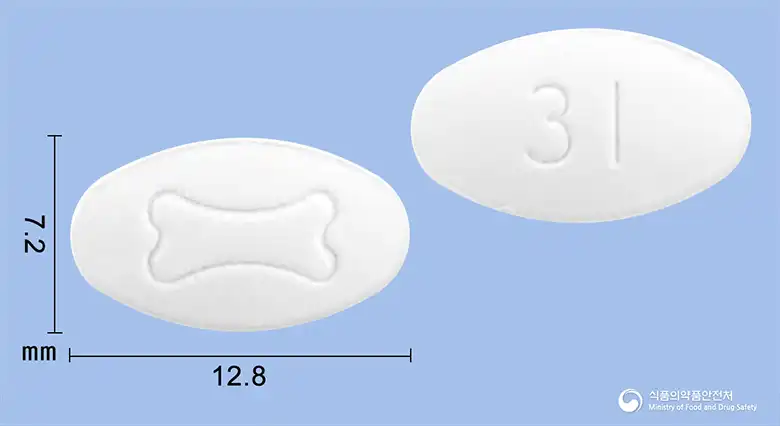
Sodium Alendronate Hydrate 91.37mg
Tablet · Prescription medication
Korea Organon Co., Ltd.
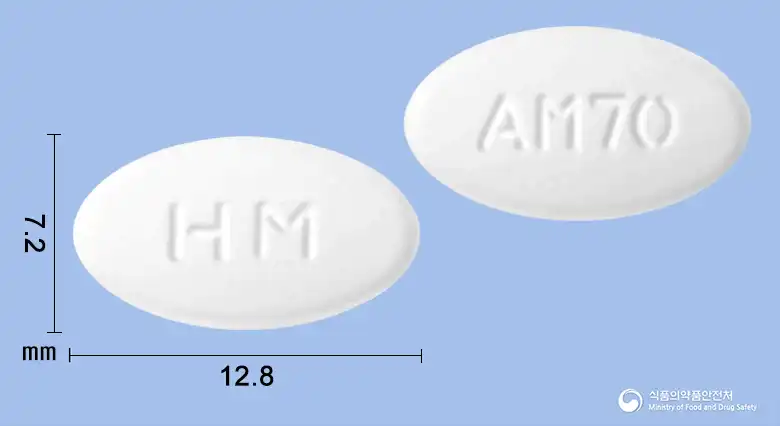
Sodium Alendronate 91.37mg
Tablet · Prescription medication
Hanmi Pharmaceutical Co., Ltd.
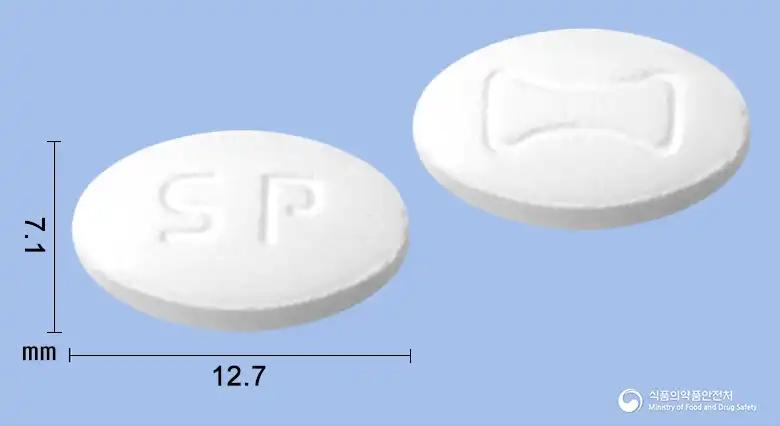
Sodium Alendronate Hydrate 91.37mg
Tablet · Prescription medication
Shinpoong Pharmaceutical Co., Ltd.
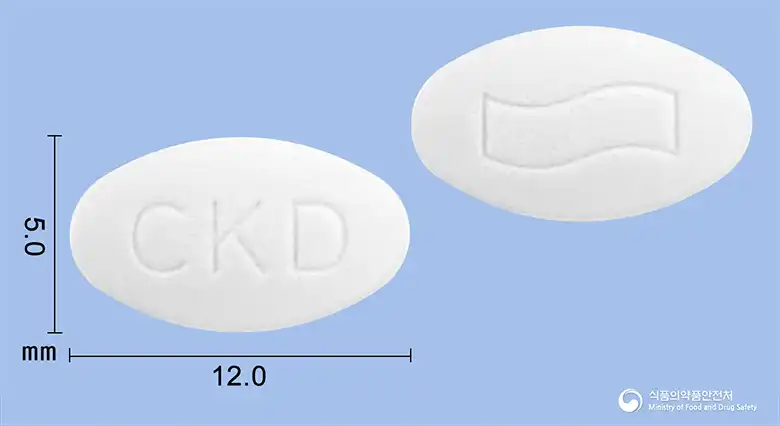
Sodium Alendronate 91.37mg
Tablet · Prescription medication
(Co., Ltd.) Jungkundang
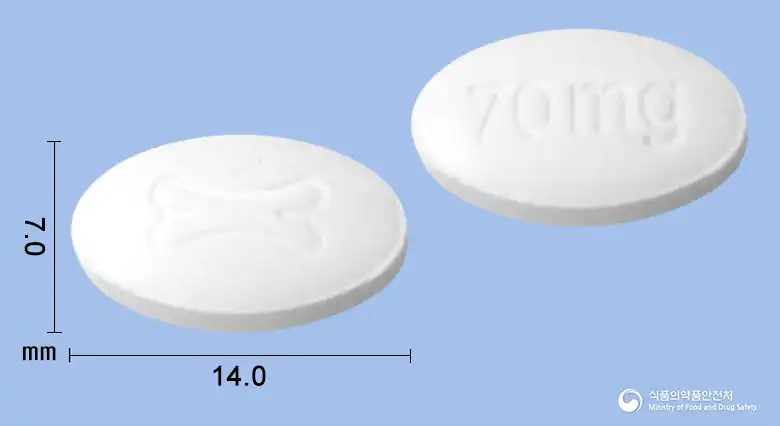
Sodium Alendronate Hydrate 91.37mg
Tablet · Prescription medication
Dongkwang Pharmaceutical Co., Ltd.
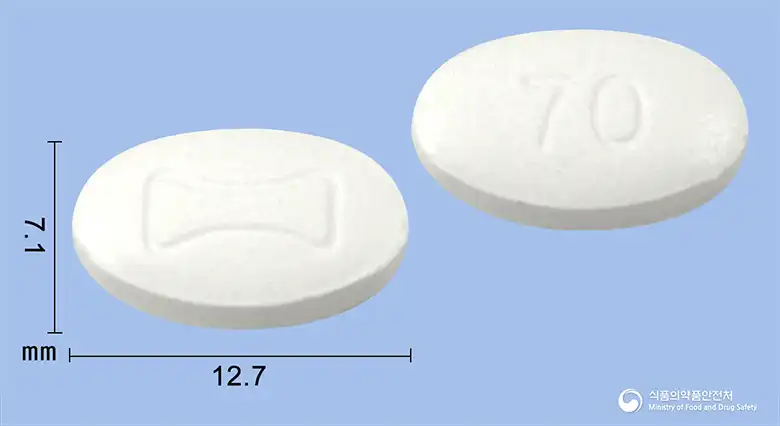
Sodium Alendronate Hydrate 91.37mg
Tablet · Prescription medication
Donggu Bio Pharmaceutical Co., Ltd.
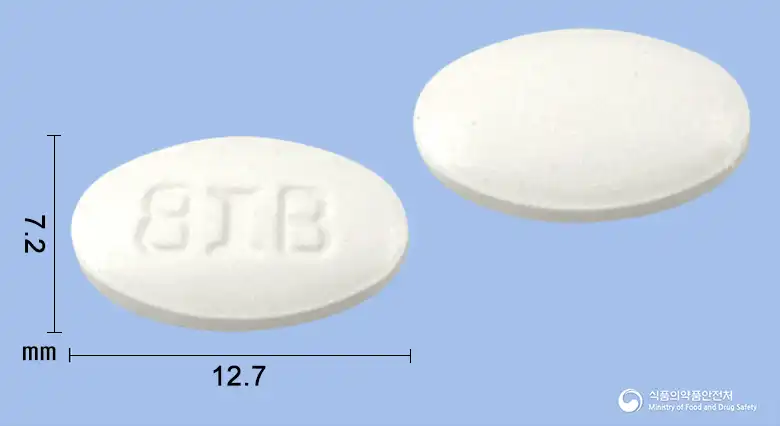
Sodium Alendronate Hydrate 91.37mg
Tablet · Prescription medication
Korea Pharma Co., Ltd.
Even with the same ingredient, the dose and directions can differ by strength and dosage form. Talk to a doctor or pharmacist before switching from a medication you are already taking.
No questions yet.
For anything that needs medical judgment, consult a doctor or pharmacist.
This drug information is based on data provided by the Korea Ministry of Food and Drug Safety.
Consult a doctor or pharmacist for accurate dosage, administration, and usage instructions.