
 한국어
 English
 日本語
 中文(简体)
 Viewing now
Proverin Tablets (Propiverine Hydrochloride)
Propiverine Hydrochloride 20mg
Tablet · Prescription medication
Hanaol Bio Pharma Co., Ltd.
MFDS item code 200500473 · Notified 2005.02.28 · Insurance code 655602050
Relief of symptoms of overactive bladder (e.g., urgency), urinary frequency, and urinary incontinence (e.g., neurogenic bladder)
This medication is used for various bladder-related disorders. It helps improve frequent urination and incontinence caused by neurogenic bladder or neurogenic polyuria. It is also effective for unstable bladder and bladder irritative conditions due to chronic cystitis and chronic prostatitis. It alleviates symptoms by controlling urgency, frequency, and urge incontinence associated with overactive bladder. Overall, it is used to help stabilize bladder function and improve symptoms.
Adults: Administer propiverine hydrochloride 20 mg orally once daily after a meal. Adjust the dose as appropriate according to symptoms; if the effect is insufficient and there are no safety concerns, 20 mg may be taken up to twice daily.
This medication should not be administered to certain patients. Patients who have had allergic reactions to this medication or its components should not use it. Additionally, it should not be administered to patients with gastric or intestinal obstructions, as it may worsen symptoms in patients with weak gastric or intestinal motility. It should also be avoided in patients who have difficulty urinating, glaucoma, severe myasthenia gravis, or heart diseases, as it may worsen symptoms. Patients with genetic issues like lactose intolerance should not take this medication. Patients with kidney or liver dysfunction, Parkinson's disease, or hyperthyroidism should exercise caution when using this medication. Elderly patients or those with autonomic nervous system diseases, heart diseases, cerebral infarction, or benign prostatic hyperplasia should also be treated with caution. Especially, patients with glaucoma should be careful as increased intraocular pressure may worsen their symptoms. This medication can cause severe side effects in various systems including the central nervous system, digestive system, and cardiovascular system. Symptoms such as hallucinations, incoherence, palpitations, constipation, abdominal distension, thrombocytopenia, renal dysfunction, skin rashes, increased intraocular pressure, liver abnormalities, muscle pain, etc. have been reported. If these symptoms occur, stop taking the medication immediately and seek medical attention. When taking this medication, a definitive diagnosis of the symptoms should be made, and it should be checked whether there are other conditions such as bladder cancer, prostate cancer, or urinary tract infections. Care should be taken when driving or operating machinery as drowsiness or dizziness may occur. Caution should also be exercised when taken with other anticholinergics, tricyclic antidepressants, phenothiazine medications, and MAO inhibitors, as side effects may increase. It is advisable for women who are pregnant or may become pregnant to avoid this medication, and breastfeeding women should also stop breastfeeding while taking it. The safety of this medication in children has not been established, so it is recommended not to administer it to them. Elderly patients may have reduced liver and kidney function, so it is important to start with a low dosage and administer it carefully. In cases of overdose, symptoms such as incoherence, seizures, gait disturbances, paralytic ileus, urinary retention, tachycardia, and increased blood pressure may occur, requiring gastric lavage and appropriate treatment. This medication should be kept out of reach of children, and transferring it to another container can adversely affect its quality, so caution is advised.
Not everyone experiences these, and they can vary from person to person.
This medication may be sensitive to air or moisture, so it should be stored in a tightly sealed container. Moreover, it is advisable to store the medication at room temperature between 1°C and 30°C, away from extremely hot or cold areas.
White round film-coated tablets, odorless
30 tablets/bottle, 100 tablets/bottle
Even with the same ingredient, strength, dosage form and how it is taken can differ.
Viewing nowPropiverine Hydrochloride 20mg
Tablet · Prescription medication
Hanaol Bio Pharma Co., Ltd.
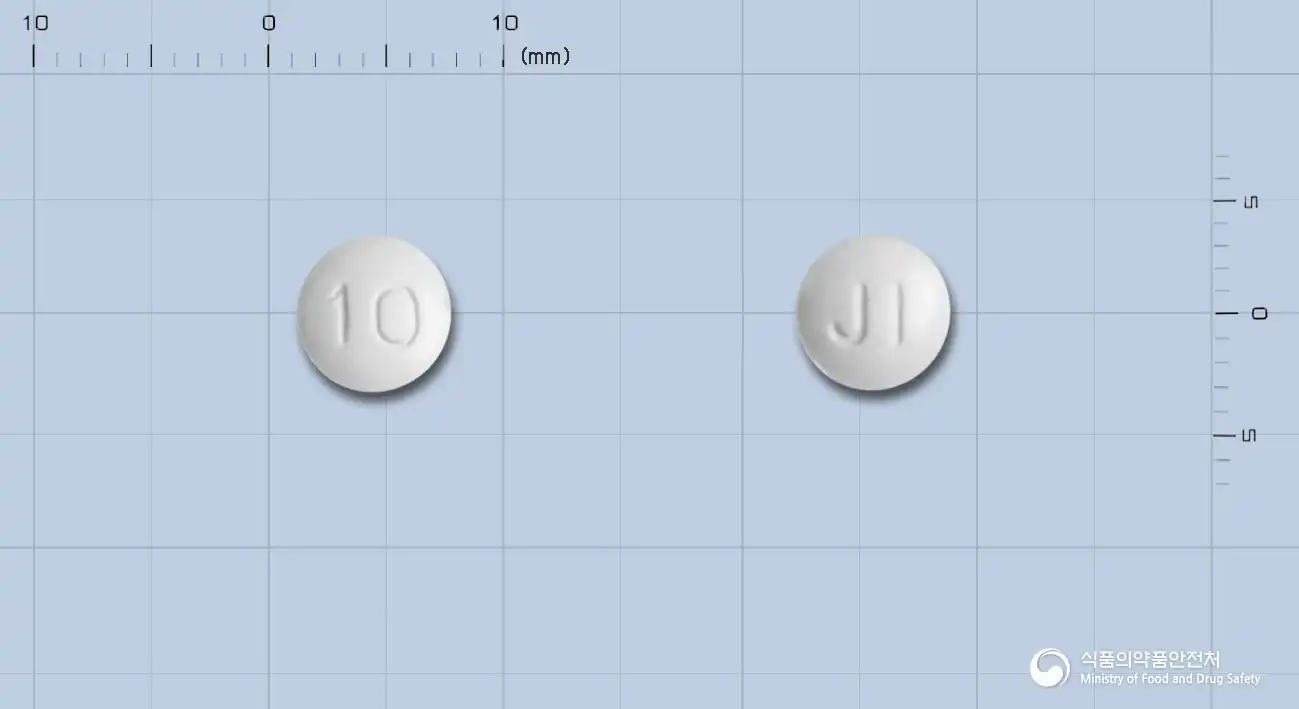
Propiverine Hydrochloride 10mg
Tablet · Prescription medication
Chaeil Pharmaceutical Co., Ltd.

Propiverine Hydrochloride 20mg
Tablet · Prescription medication
Jeil Pharmaceutical Co., Ltd.

Propiverine Hydrochloride 20mg
Tablet · Prescription medication
Shinpoong Pharmaceutical Co., Ltd.

Propiverine Hydrochloride 20mg
Tablet · Prescription medication
Dongguk Pharmaceutical Co., Ltd.
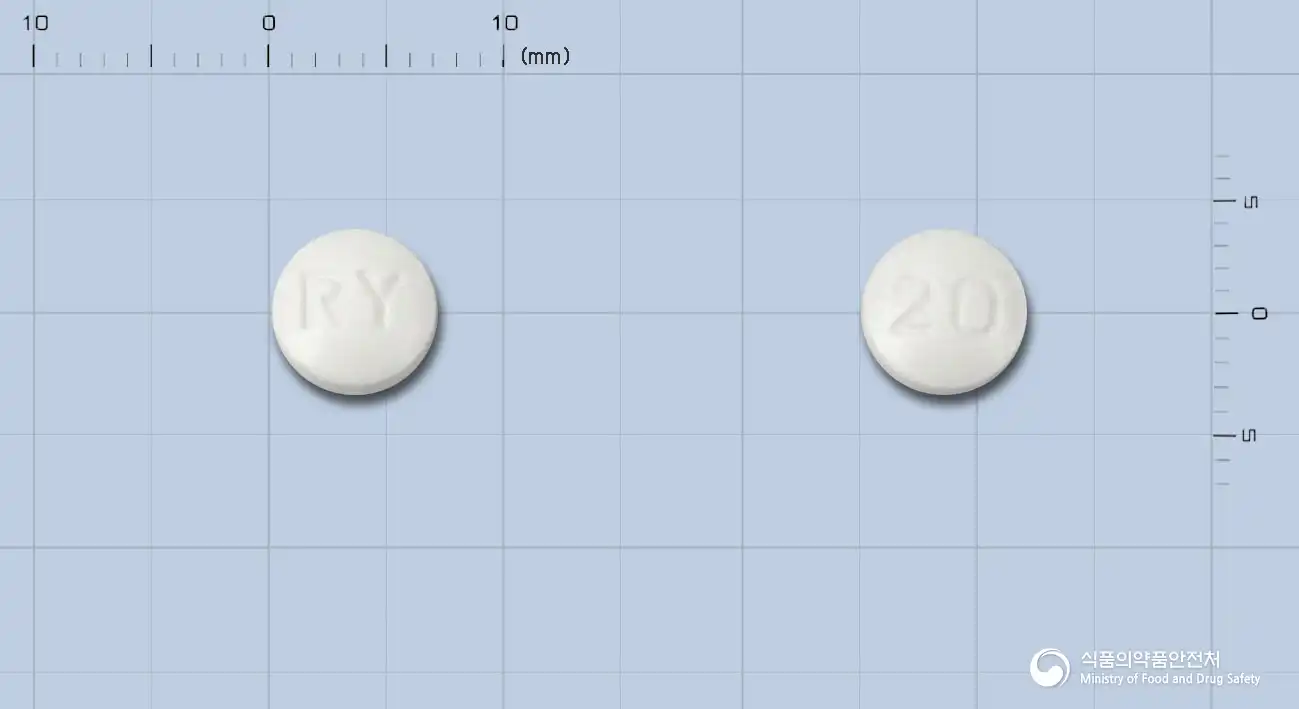
Propiverine Hydrochloride 20mg
Tablet · Prescription medication
Iyeon Pharmaceutical Co., Ltd.
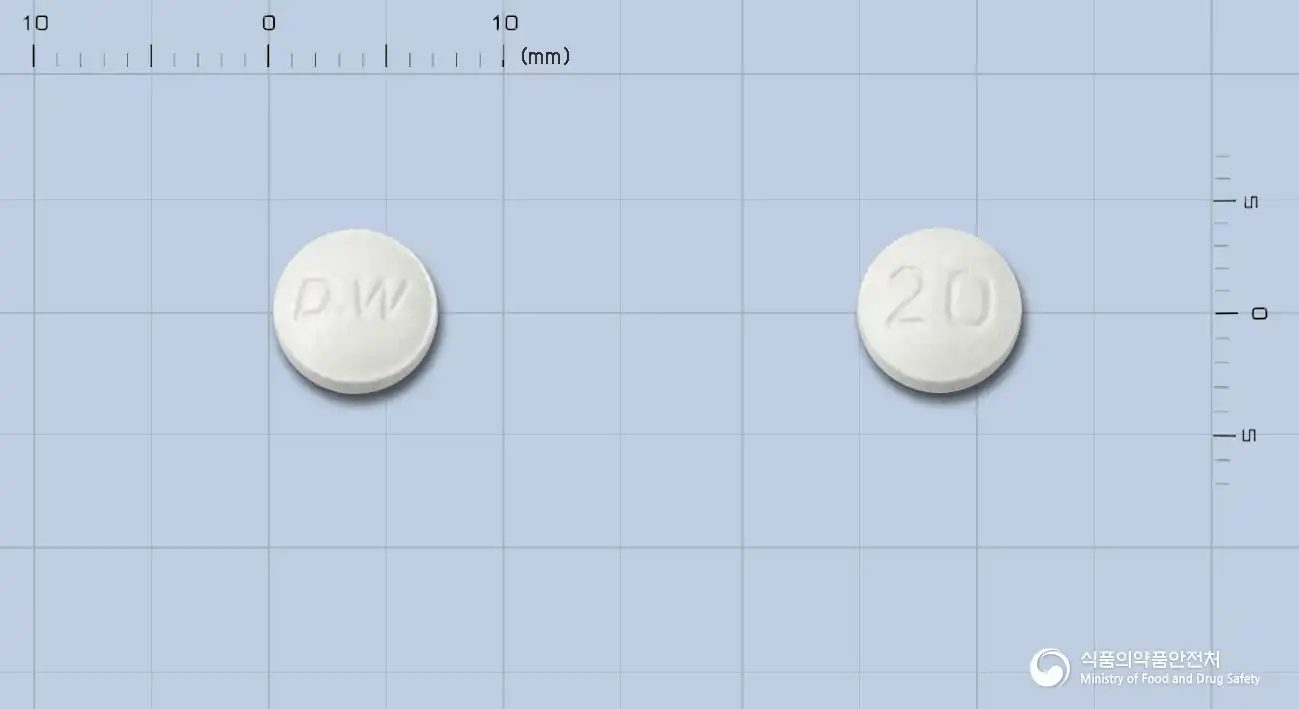
Propiverine Hydrochloride 20mg
Tablet · Prescription medication
Daewoong Pharmaceutical Co., Ltd.
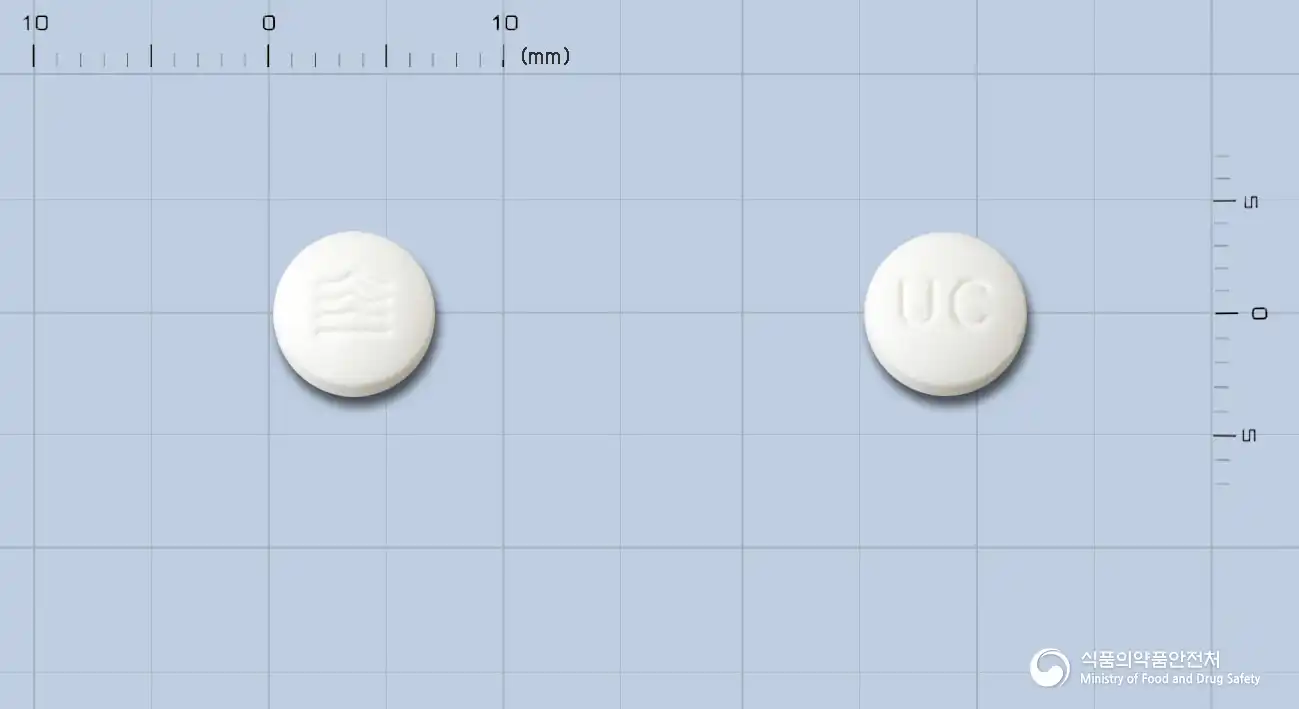
Propiverine Hydrochloride 20mg
Tablet · Prescription medication
Bionex Co., Ltd.
Even with the same ingredient, the dose and directions can differ by strength and dosage form. Talk to a doctor or pharmacist before switching from a medication you are already taking.
No questions yet.
For anything that needs medical judgment, consult a doctor or pharmacist.
This drug information is based on data provided by the Korea Ministry of Food and Drug Safety.
Consult a doctor or pharmacist for accurate dosage, administration, and usage instructions.