
 한국어
 English
 日本語
 中文(简体)
 Viewing now
Stadipin Tablets (Amlodipine Maleate)
Amlodipine Maleate 6.42mg
Tablet · Prescription medication
Hanol BioPharma Co., Ltd.
MFDS item code 200500454 · Notified 2005.05.21 · Insurance code 655601130
Treatment of hypertension and myocardial ischemia (stable and variant angina)
This medication helps control blood pressure in patients with hypertension and is used to treat myocardial ischemia caused by stable angina due to fixed obstruction of the coronary artery and variant angina caused by vascular spasm.
Adults: Administer amlodipine 5 mg orally once daily. If symptoms do not improve within 2 ∼ 4 weeks, the dose may be increased to a maximum of 10 mg once daily according to the patient's response. Adjust the dose as appropriate according to symptoms.
This medication should not be used in certain patients. For example, it is contraindicated in women who are allergic to this or similar medications, pregnant or breastfeeding women, patients with cardiogenic shock, severe aortic stenosis, unstable angina, recent myocardial infarction, severe hepatic dysfunction, and severe hypotension. Also, it should be used cautiously in patients with very poor kidney function, the elderly, acute heart failure, hypertensive crisis, mild to moderate hepatic dysfunction, limited left ventricular function, poor heart function, and patients with diabetes. The medication is generally well-tolerated, but side effects such as warmth, flushing, fatigue, swelling, palpitations, dizziness, headache, abdominal pain, nausea, drowsiness, and ankle swelling may occur during use. Rarely, various adverse reactions including dry mouth, increased sweating, hypotension, vasculitis, insomnia, rashes, and liver function abnormalities have been reported. Sudden discontinuation of this medication may worsen symptoms; therefore, it should be tapered off slowly according to a physician's directions, and care should be taken not to stop taking it arbitrarily. Patients with heart failure or liver dysfunction should be given this medication with particular caution, and the blood pressure-lowering effect may cause dizziness or headaches, requiring care when driving or operating hazardous machinery. Taking this medication with grapefruit juice may enhance its efficacy, so it is advisable to avoid this combination. Additionally, it may interact with other antihypertensive agents, certain antibiotics, antidepressants, and nitrate preparations; therefore, it is essential to consult healthcare professionals when taking multiple medications. The safety of this medication has not been established in pregnant or breastfeeding women, and safety has not been confirmed for children. In elderly patients, drug concentrations may increase and effects may last longer, so treatment should start with a low dose and be used cautiously. In case of overdose, severe hypotension, arrhythmias, and shock may occur, requiring immediate medical attention for appropriate treatment. Lastly, keep this medication out of reach of children and avoid transferring drugs to other containers.
Flushing accompanied by heat sensation, fatigue, edema, increased frequency of palpitations and angina, dizziness, headache, migraine, weakness, abdominal pain, nausea, indigestion, drowsiness, ankle edema, dry mouth, increased sweating, weakness, lethargy, pain, weight gain, weight loss, chills, hypotension, orthostatic hypotension, orthostatic dizziness, peripheral ischemia, vasculitis, syncope, tachycardia, peripheral edema, tension exacerbation, sensory impairment, paresthesia, peripheral neuropathy, dysgeusia, tremor, paralysis, erectile dysfunction, gynecomastia, changes in bowel habits, gastritis, gingival thickening, pancreatitis, vomiting, fullness, loss of appetite, increased appetite, dysphagia, abdominal distension, hyperglycemia, thirst, serum cholesterol increase, creatine kinase increase, arthralgia, low back pain, muscle cramps, myalgia, increased skeletal muscle tone, arthritis, single contraction, ataxia, back pain, leukopenia, thrombocytopenia, insomnia, mood changes, sexual dysfunction, abnormal dreams, depersonalization, apathy, nervousness, memory loss, sensitivity, depression, anxiety, confusion, fear, discomfort, cough, dyspnea, rhinitis, nosebleeds, hair loss, purpura, skin discoloration, urticaria, phototoxic reactions, rash, erythematous rash, papular rash, moist skin, capillary dilation, urticaria, itching, vascular edema, toxic epidermal necrolysis, tinnitus, visual disturbances, conjunctivitis, diplopia, eye pain, dry eyes, olfactory disturbances, taste disturbances, decreased vision, increased frequency of urination, urinary disorders, nocturia, polyuria, dysuria, hepatitis, jaundice, elevation of liver enzyme levels, itching, rash, vascular edema, polymorphous exudative erythema, exfoliative dermatitis, mucous membrane syndrome, myocardial infarction, arrhythmia, chest pain, hypotension, sinoatrial block, atrioventricular block, abdominal discomfort, substernal pain, diarrhea, loose stools, constipation, skin flushing, maculopapular rash, heaviness, heat sensation, impaired glucose tolerance, weakness, systemic hypotension, flushing, headache, reflex tachycardia, arrhythmia, blood circulation disorders, shock state, unconsciousness, comatose state, non-cardiogenic pulmonary edema
Not everyone experiences these, and they can vary from person to person.
This medication is sensitive to light; therefore, it should be stored in a special container that does not allow light to enter. The storage temperature should be maintained at room temperature between 1 and 30 degrees Celsius, and it is important not to place it in excessively hot or cold locations.
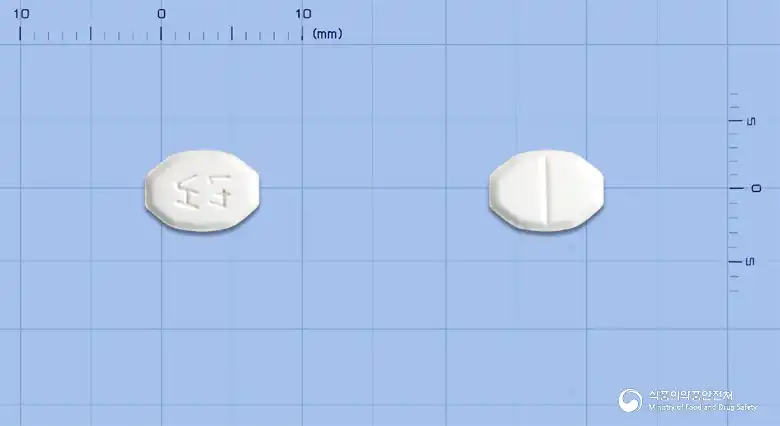
White, octagonal, rectangular tablet
30 tablets/bottle, 300 tablets/bottle
Even with the same ingredient, strength, dosage form and how it is taken can differ.
Viewing nowAmlodipine Maleate 6.42mg
Tablet · Prescription medication
Hanol BioPharma Co., Ltd.
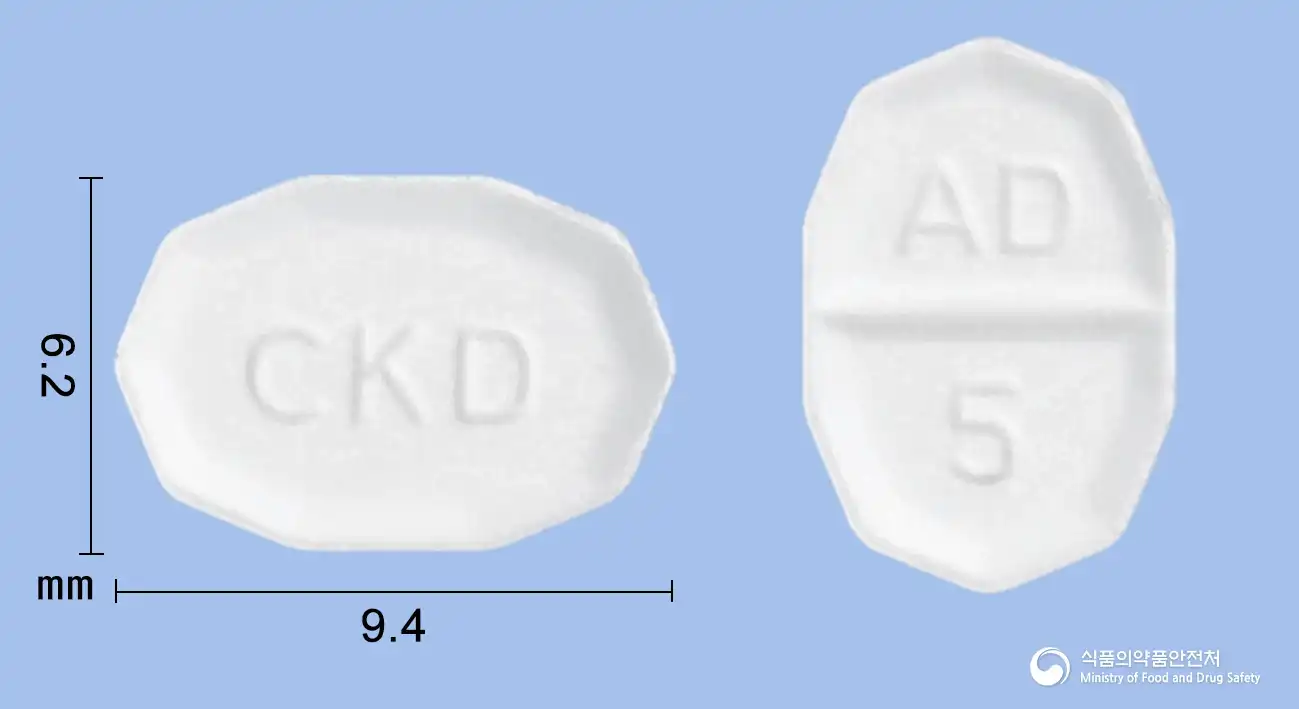
Amlodipine Maleate 6.42mg
Tablet · Prescription medication
Jongkundang Co., Ltd.
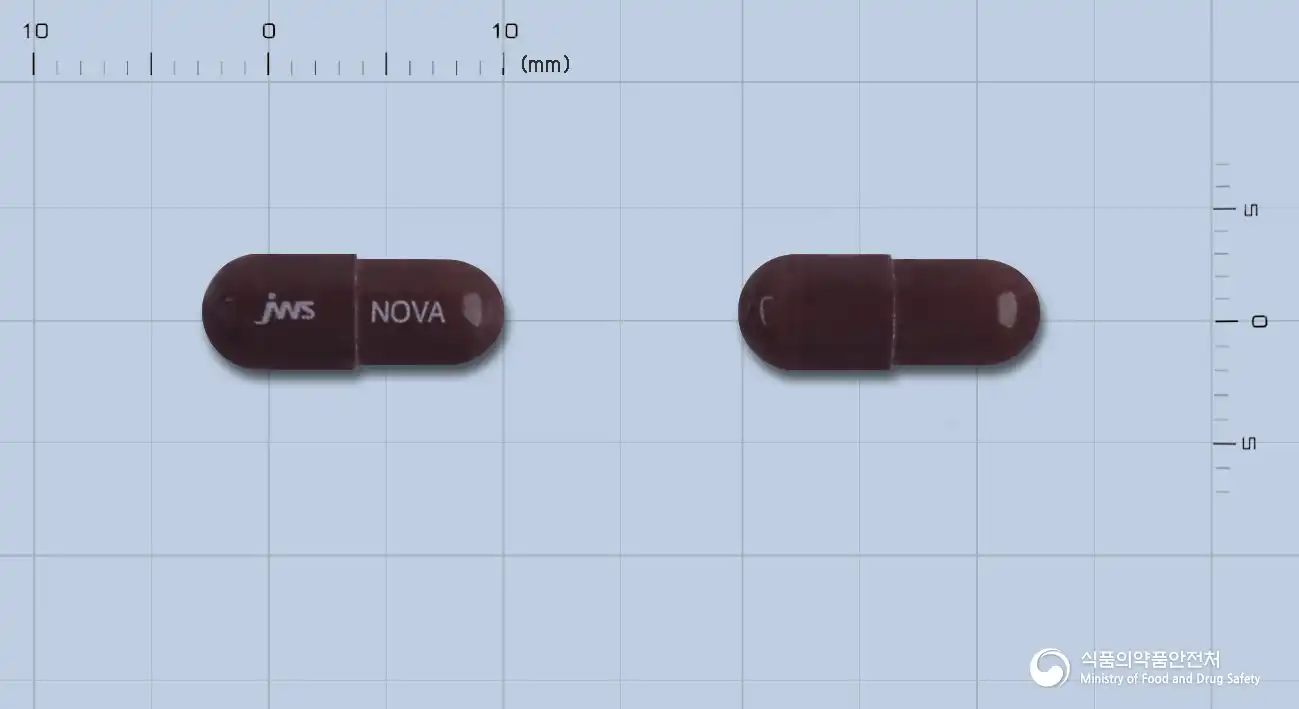
Amlodipine Maleate 6.42mg
Hard capsule · Prescription medication
JW Pharmaceutical Co., Ltd.
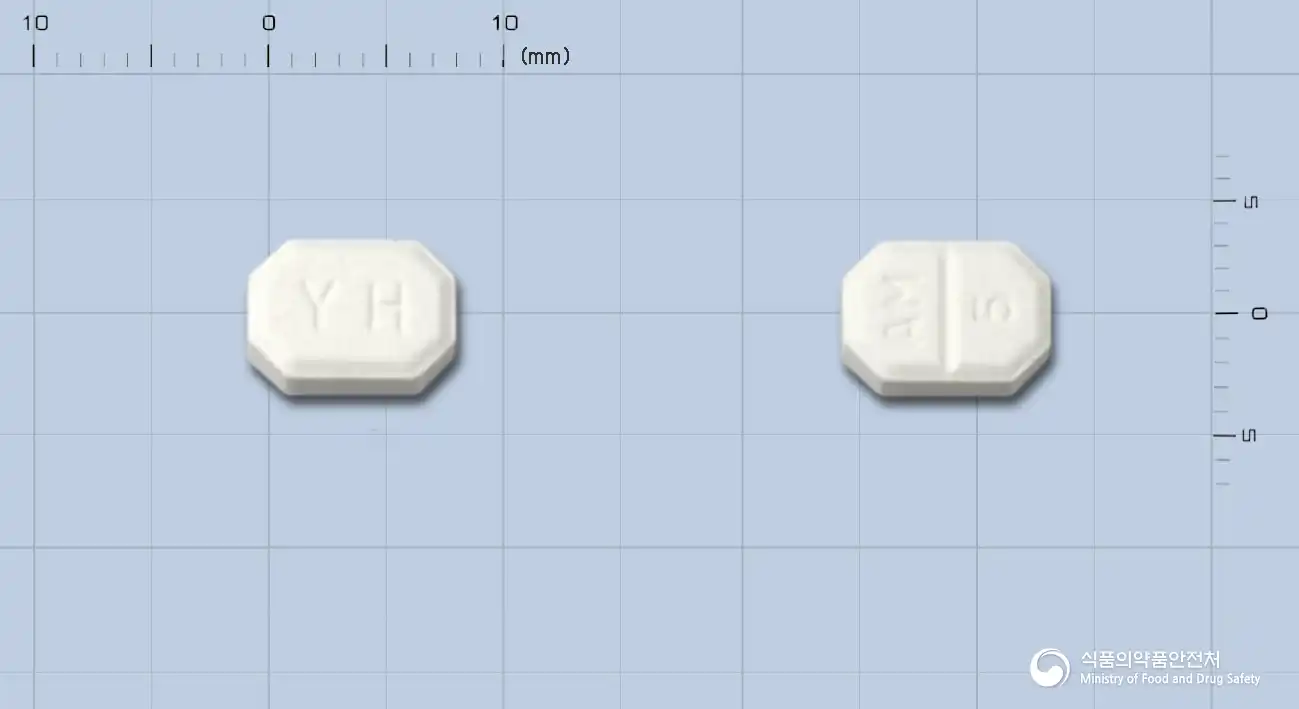
Amlodipine Maleate 6.42mg
Tablet · Prescription medication
Yuhan Corporation
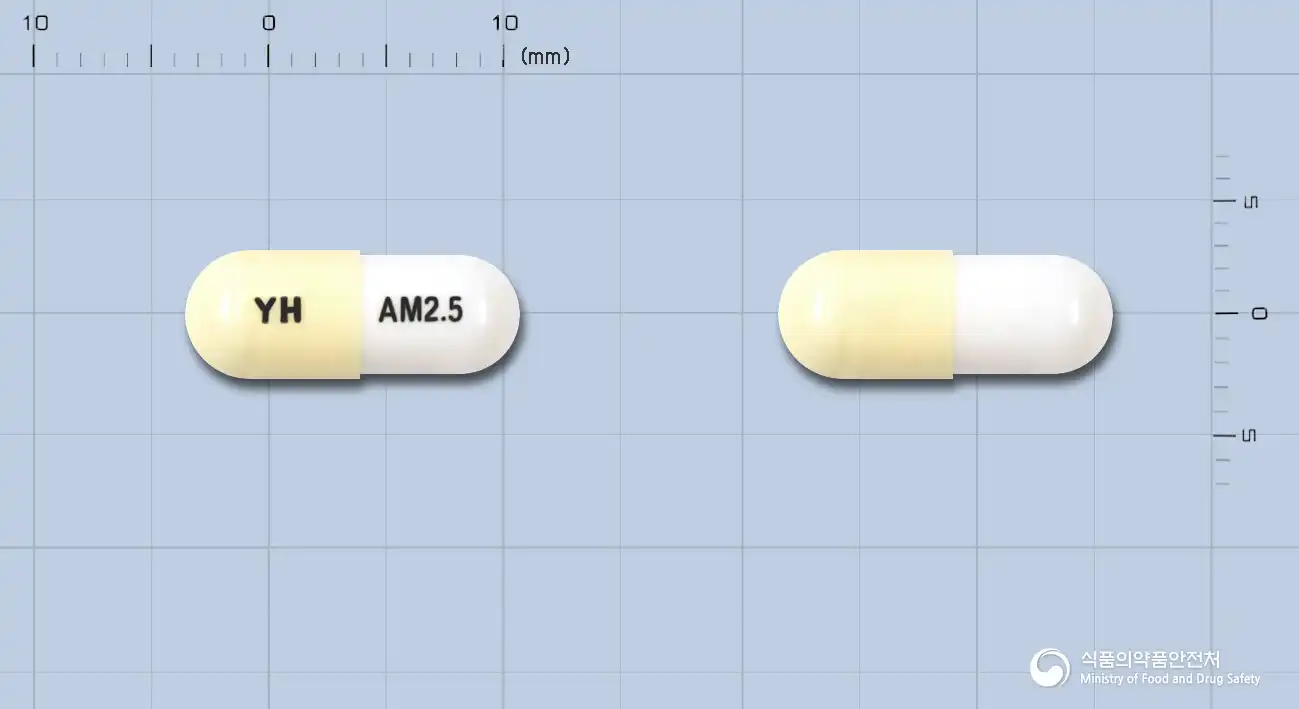
Amlodipine Maleate 3.21mg
Hard capsule · Prescription medication
Yuhan Corporation
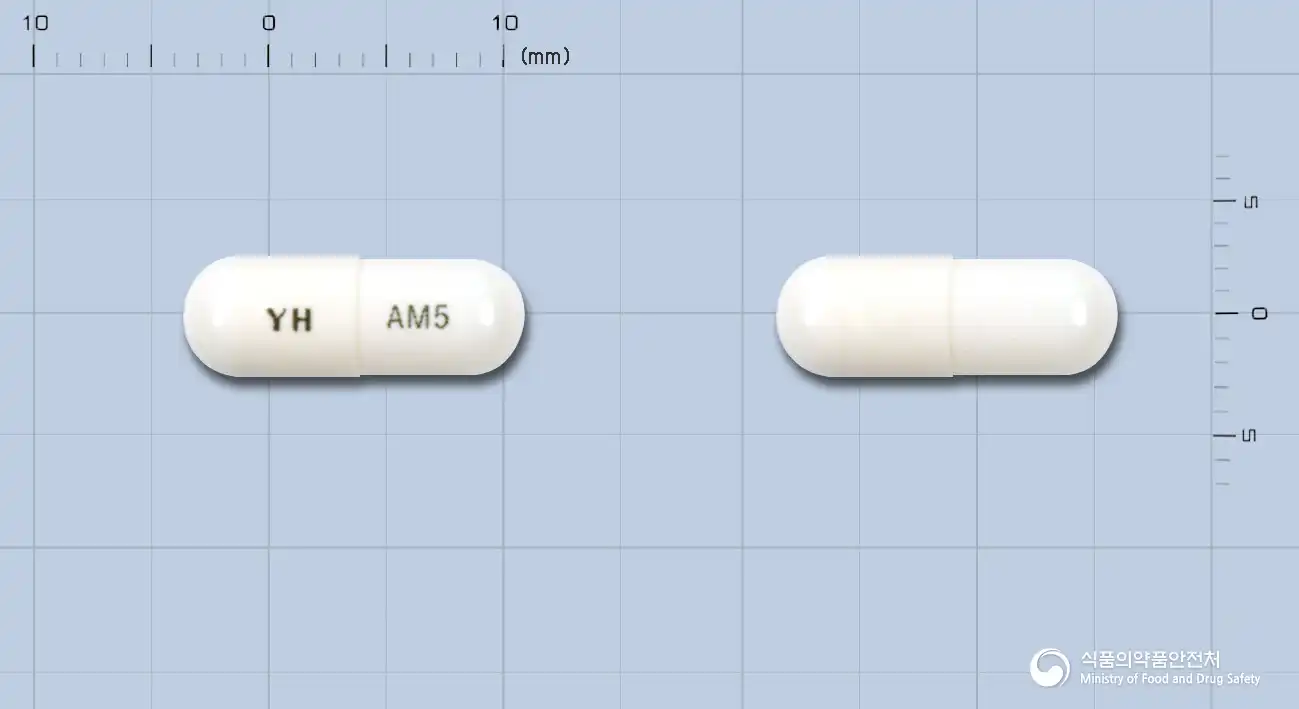
Amlodipine Maleate 6.42mg
Hard capsule · Prescription medication
Yuhan Corporation
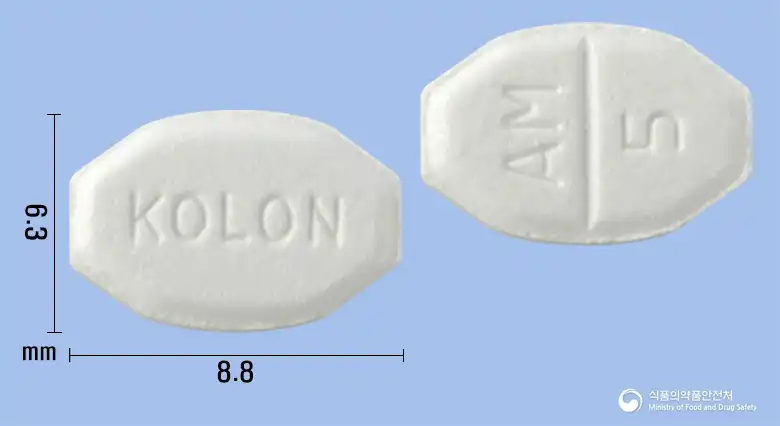
Amlodipine Maleate 6.42mg
Tablet · Prescription medication
KOLON Pharmaceutical Co., Ltd.
Amlodipine Maleate
Prescription medication
SK Chemicals Co., Ltd.
Even with the same ingredient, the dose and directions can differ by strength and dosage form. Talk to a doctor or pharmacist before switching from a medication you are already taking.
No questions yet.
For anything that needs medical judgment, consult a doctor or pharmacist.
This drug information is based on data provided by the Korea Ministry of Food and Drug Safety.
Consult a doctor or pharmacist for accurate dosage, administration, and usage instructions.