
 한국어
한국어 English
 日本語
日本語 中文(简体)
 Viewing now
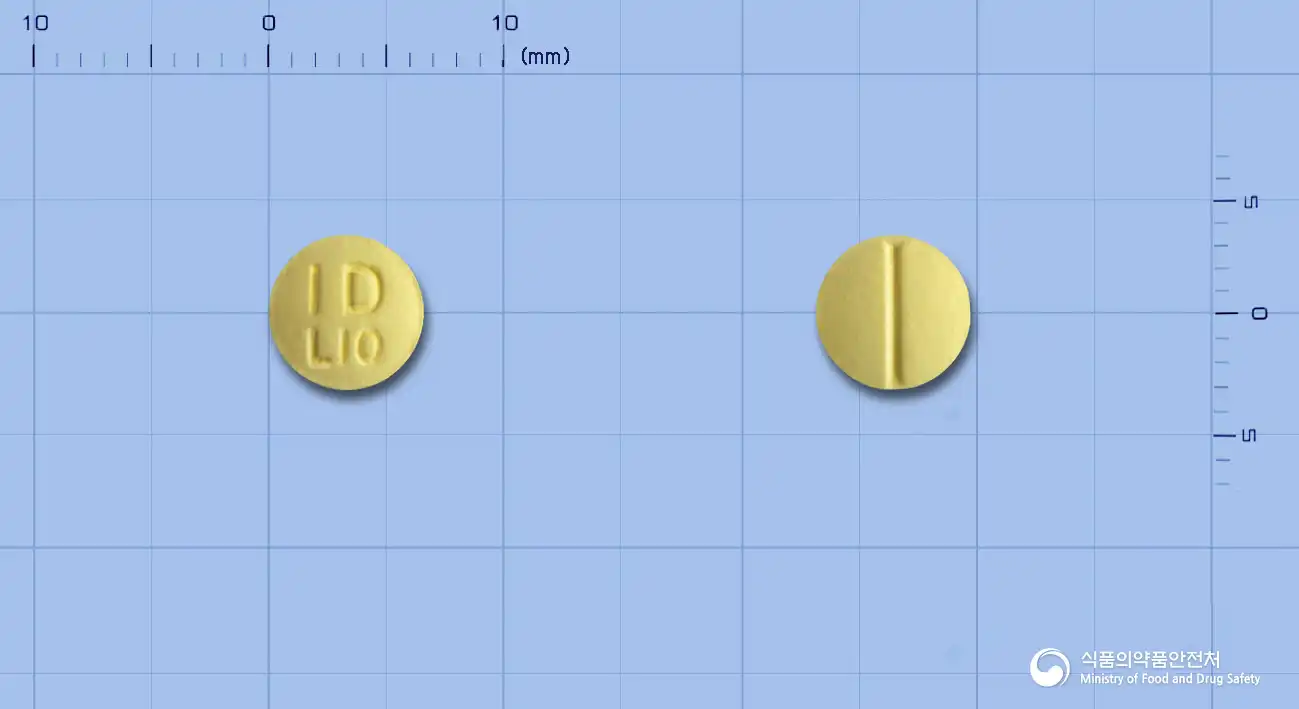
Lecalpin Tablet 10 mg (Lercanidipine Hydrochloride)
Lercanidipine Hydrochloride 10mg
Tablet · Prescription medication
Ildong Pharmaceutical Co., Ltd.
MFDS item code 200500424 · Notified 2005.06.28 · Insurance code 642900300
Improvement of mild to moderate essential hypertension
This medication is used for patients with mild to moderate essential hypertension.
As Lercanidipine Hydrochloride, orally administer 5 to 10 mg once daily at least 15 minutes before a meal. The dose may be increased up to 20 mg based on symptoms. Dosage adjustments should be gradual as it takes about 2 weeks to clearly observe the maximum antihypertensive effect. Caution is necessary for elderly patients and those with liver or kidney impairments. This medication should not be administered to patients with severe liver or kidney impairment.
This medication should not be used in certain patients. For example, patients who are allergic to this medication or similar drugs, pregnant or breastfeeding women, patients with left ventricular outflow obstruction, untreated heart failure patients, unstable angina patients, patients with severe liver or renal impairment, patients who have recently experienced a myocardial infarction, patients undergoing dialysis, children or adolescents under 18 years of age, and patients with genetic issues such as lactose intolerance should not take this medication. Additionally, this medication should be used cautiously in patients with specific conditions. For instance, patients who have issues with cardiac pacing devices, left ventricular dysfunction, ischemic heart disease, mild to moderate renal or liver impairment, a history of angina, individuals consuming alcohol, the elderly, and patients allergic to the colorants contained in this drug should exercise caution. Various side effects may occur while taking this medication. Symptoms such as flushing, peripheral edema, palpitations, tachycardia, hypotension, chest pain, angina, headaches, dizziness, fatigue, indigestion, nausea, vomiting, abdominal pain, diarrhea may arise. Liver function abnormalities may occur, thus regular testing is necessary, and rarely, symptoms such as skin rashes, myalgia, or gingival hyperplasia may also be observed. Abruptly stopping this medication may worsen symptoms, so dosage should be gradually reduced while monitoring the condition. Also, dizziness or drowsiness may occur, hence caution is needed when driving or operating machinery. Since this medication is metabolized in the liver, interactions may occur when taken with certain drugs. Caution is particularly necessary when combined with drugs that inhibit or promote liver metabolism, and grapefruit juice should be avoided as it may increase drug concentration. Alcohol may also enhance the antihypertensive effects of this medication, so it is advisable not to consume them together. Pregnant or breastfeeding women should not take this medication, and its use is also not recommended for children or adolescents under 18 years of age. In the elderly, special care is needed during initial administration. In cases of overdose, severe hypotension or cardiac arrhythmias may occur, and immediate medical attention should be sought. This medication is highly lipophilic and may be difficult to remove via dialysis; thus, patients with overdose require careful cardiovascular status monitoring for at least 24 hours. Lastly, this medication should be stored out of reach of children, and it is advisable not to transfer it to another container as it helps in maintaining quality.
Cold sweat
Not everyone experiences these, and they can vary from person to person.
This medication should be stored in a tightly sealed container to protect it from air or moisture. It is important to maintain a storage temperature between 1°C and 30°C to ensure the drug’s efficacy and safety.
Yellow round film-coated tablet
30 tablets, 300 tablets/bottle
Even with the same ingredient, strength, dosage form and how it is taken can differ.
Viewing nowLercanidipine Hydrochloride 10mg
Tablet · Prescription medication
Ildong Pharmaceutical Co., Ltd.
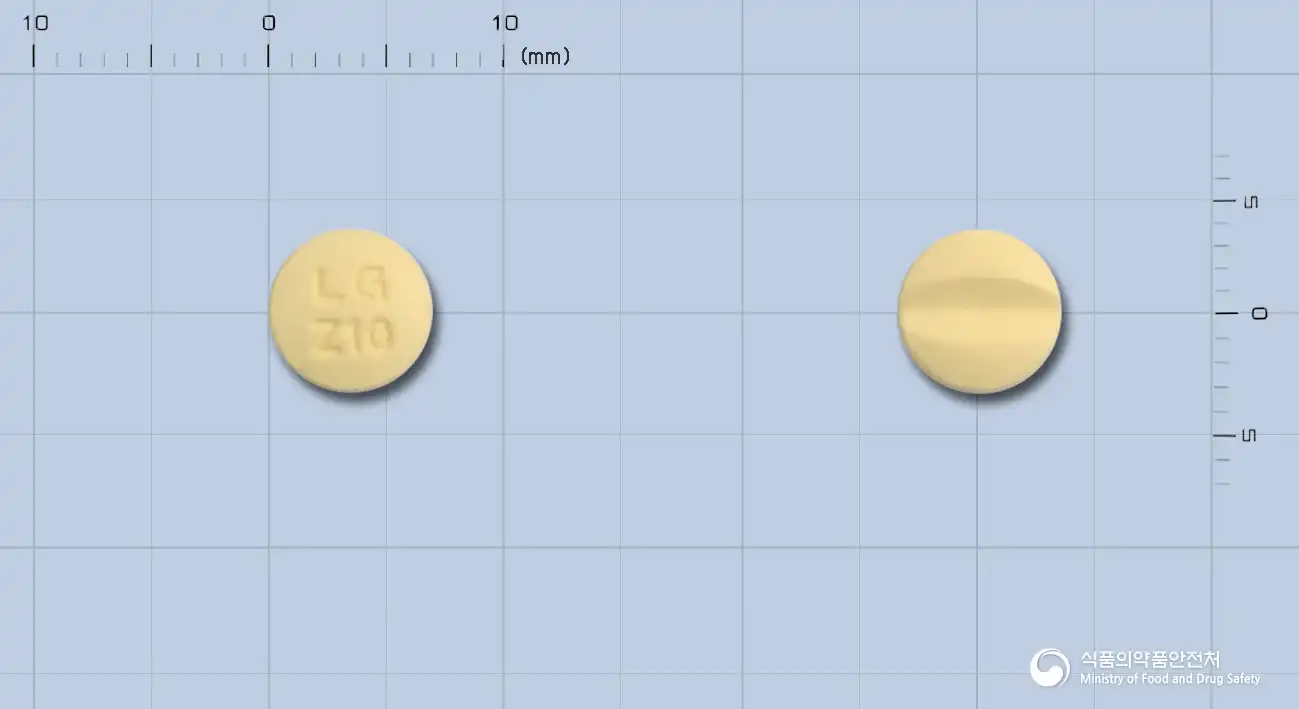
Lercanidipine Hydrochloride 10mg
Tablet · Prescription medication
LG Chem, Ltd.
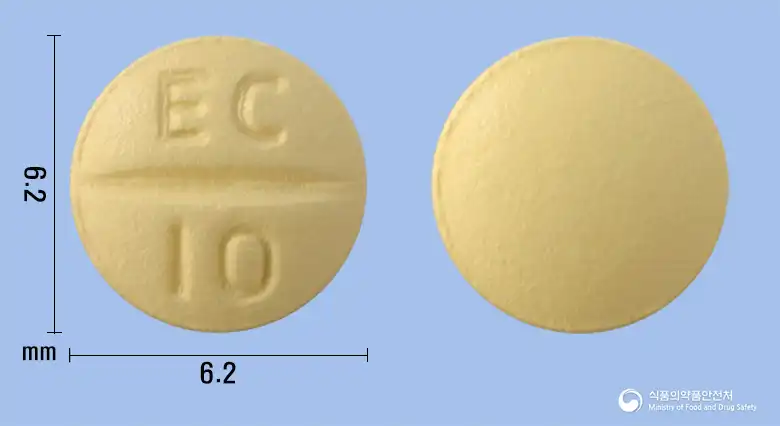
Lercanidipine Hydrochloride 10mg
Tablet · Prescription medication
Jongkundang Co., Ltd.
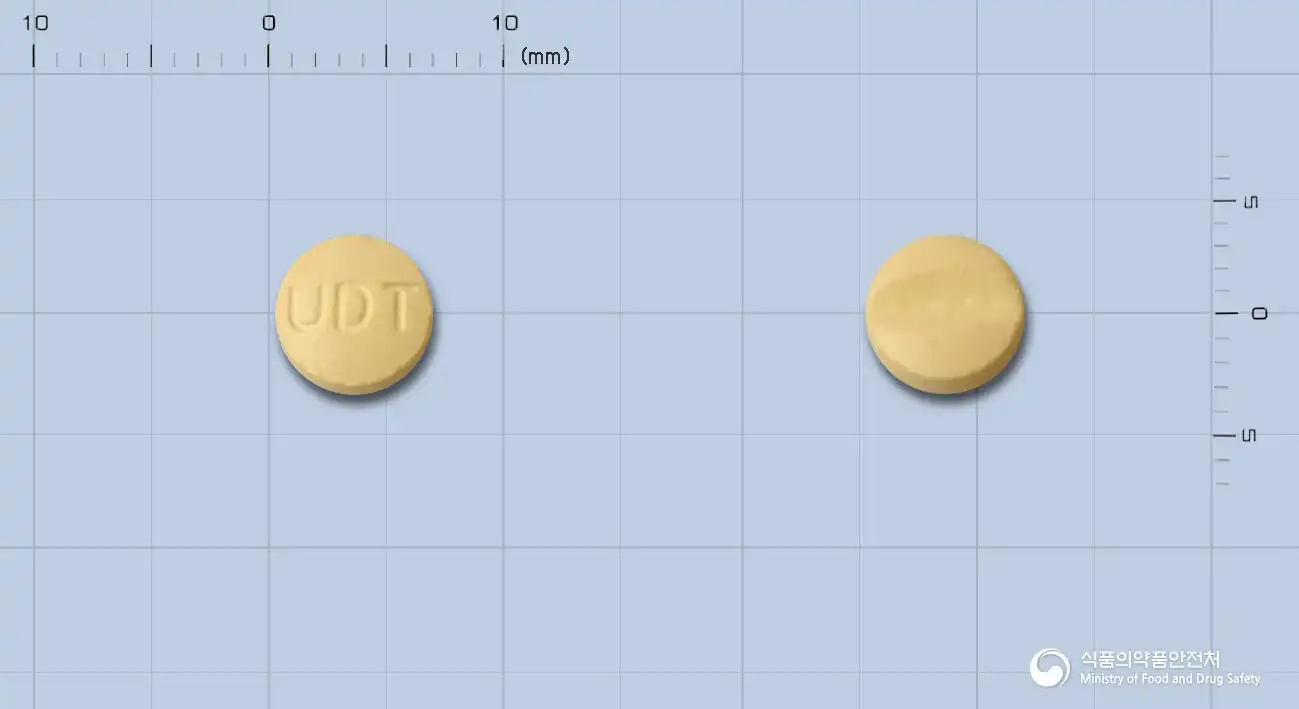
Lercanidipine Hydrochloride 10mg
Tablet · Prescription medication
Yuyu Pharmaceutical Co., Ltd.
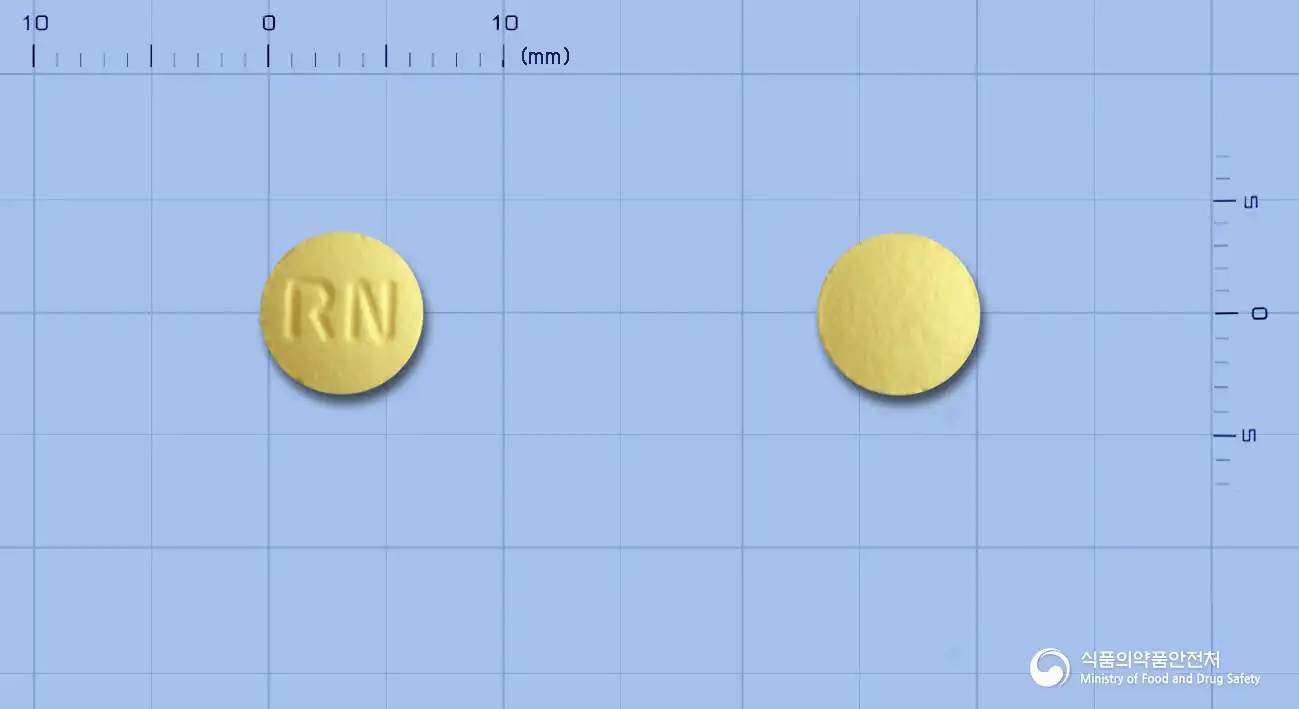
Lercanidipine Hydrochloride 10mg
Tablet · Prescription medication
Samsung Pharmaceutical Co., Ltd.
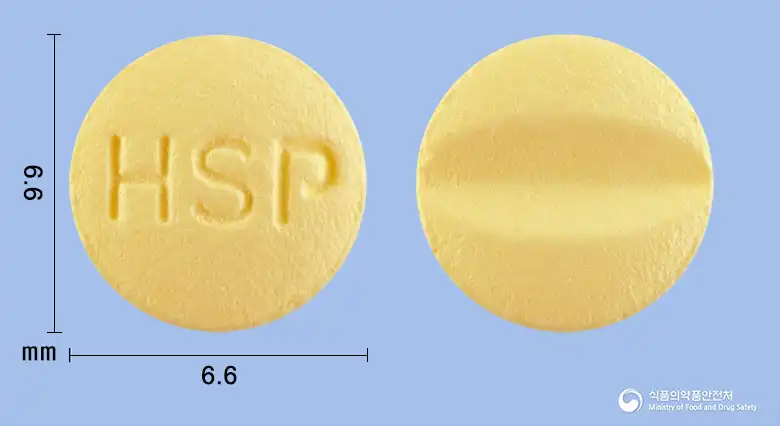
Lercanidipine Hydrochloride 10mg
Tablet · Prescription medication
Celltrion Pharmaceutical Co., Ltd.
Lercanidipine Hydrochloride 10mg
Tablet · Prescription medication
Yuhan Corporation
Lercanidipine Hydrochloride 10mg
Tablet · Prescription medication
Kolon Pharmaceutical Co., Ltd.
Even with the same ingredient, the dose and directions can differ by strength and dosage form. Talk to a doctor or pharmacist before switching from a medication you are already taking.
No questions yet.
For anything that needs medical judgment, consult a doctor or pharmacist.
This drug information is based on data provided by the Korea Ministry of Food and Drug Safety.
Consult a doctor or pharmacist for accurate dosage, administration, and usage instructions.