
 한국어
한국어 English
 日本語
日本語 中文(简体)
Dosage form image
Viewing nowPidoxin Injection (Pyridoxine Hydrochloride)
Pyridoxine Hydrochloride 50mg
Prescription medication
Daehan Pharmaceuticals Co., Ltd.
MFDS item code 200500381 · Notified 2005.08.16
Improvement of stomatitis (angular stomatitis, cheilitis) and dermatitis (eczema, etc.) related to vitamin B6 deficiency and metabolic disorders
This medication is used for the prevention and treatment of vitamin B6 deficiency. It is particularly helpful when deficiencies occur due to the administration of drugs such as isoniazid or hydralazine. It is also effective for individuals who cannot obtain enough vitamin B6 through diet due to increased needs, such as pregnant or breastfeeding women, or users of oral contraceptives. It is utilized for certain metabolic disorders like vitamin B6-dependent anemia. Additionally, it aids in alleviating symptoms of various skin and nerve diseases associated with vitamin B6 deficiency, such as stomatitis, eczema, and peripheral neuropathy. Therefore, this medication is used for the treatment and prevention of diseases related to vitamin B6 deficiency.
For oral administration, take 10 to 100 mg of pyridoxine hydrochloride daily. In cases of vitamin B6 dependence, higher doses may be administered. For injection, administer 10 to 100 mg daily in 1 to 2 divided doses by intramuscular, subcutaneous, or intravenous injection if oral administration is difficult. Higher doses may be administered in cases of vitamin B6 dependency. Adjust dosage according to age and symptoms.
When using this injectable medication, care must be taken to avoid the inclusion of glass fragments when cutting the glass container. Special caution is necessary when using with children and elderly patients. Patients allergic to any of the ingredients of this medication or those taking levodopa should not use this product. When taken orally, caution should be exercised for patients receiving other treatments or taking medications such as isoniazid, penicillamine, or estrogen preparations. Side effects such as skin sensitivity reactions, nausea, headache, and drowsiness may occur when using this medication. Long-term high-dose use may result in neurological issues, so caution is advised. When administered by injection, discomfort or pain may occur at the injection site. When administered in large amounts to newborns or young children, serious muscle damage or kidney dysfunction may appear; hence, the patient's condition must be closely monitored, and administration should be immediately stopped if abnormalities arise. The prescribed dosage must be strictly followed, and if symptoms do not improve or worsen after a month of use, consultation with a doctor or pharmacist is necessary. High-dose use during pregnancy can affect the newborn; therefore, caution is necessary, particularly when administering to infants and young children, beginning with small doses and gradually increasing to find the appropriate dosage. Do not abruptly stop taking this medication; it should be gradually reduced to prevent temporary dependence. This medication may be less effective when used with levodopa; therefore, they should not be taken together. In addition, isoniazid, penicillamine, and estrogen preparations can increase the requirements for this medication. Co-administration with certain anticancer agents may reduce neurotoxicity but could shorten the treatment duration, thus co-administration should be avoided. Pregnant or breastfeeding women should exercise caution as high doses can affect the newborn. Caution is necessary when administering large doses to newborns and young children as muscle damage, diarrhea, vomiting, and liver function abnormalities may occur. Store this medication out of reach of children, away from direct sunlight, in a cool, dry place. Do not transfer medications from their original containers to other containers; it is safest to store them tightly closed in their original containers.
Not everyone experiences these, and they can vary from person to person.
This medication should be stored in a light-blocking, sealed container, at room temperature between 1 and 30 degrees Celsius. Proper storage will maintain the medication's efficacy and prevent degradation.
A brown ampoule containing a colorless to pale yellow liquid
1 mL x 50 ampoules
Even with the same ingredient, strength, dosage form and how it is taken can differ.
Pyridoxine Hydrochloride 50mg
Prescription medication
Daehan Pharmaceuticals Co., Ltd.
Pyridoxine Hydrochloride 50mg
Injections · Prescription medication
Huons Co., Ltd.
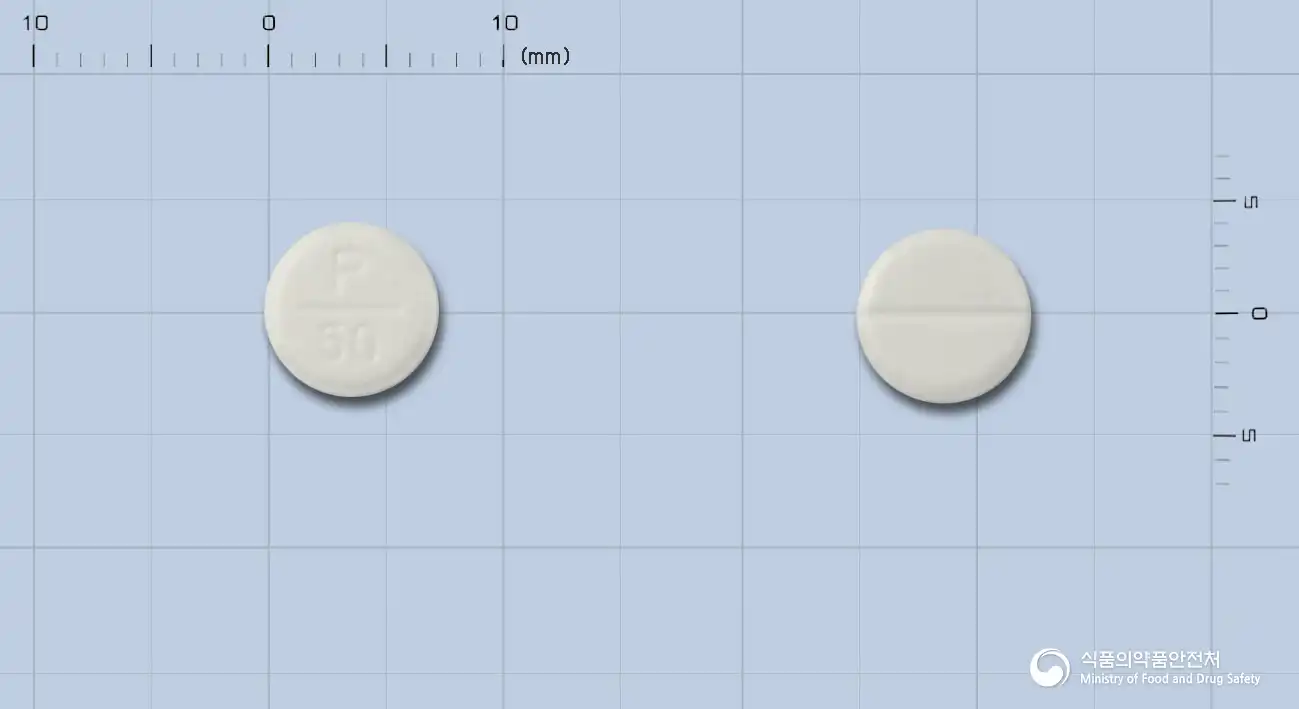
Pyridoxine Hydrochloride 50mg
Tablet · OTC medication
Shinil Pharmaceutical Co., Ltd.
Pyridoxine Hydrochloride 50mg
Injections · Prescription medication
Daehan New Pharm Co., Ltd.
Pyridoxine Hydrochloride 50mg
Injections · Prescription medication
Noguchi Wellbeing Co., Ltd.
Pyridoxine Hydrochloride 50mg
Injections · Prescription medication
Kyungdong Pharmaceutical Co., Ltd.
Pyridoxine Hydrochloride 50mg
Injections · Prescription medication
Jeil Pharmaceutical Co., Ltd.
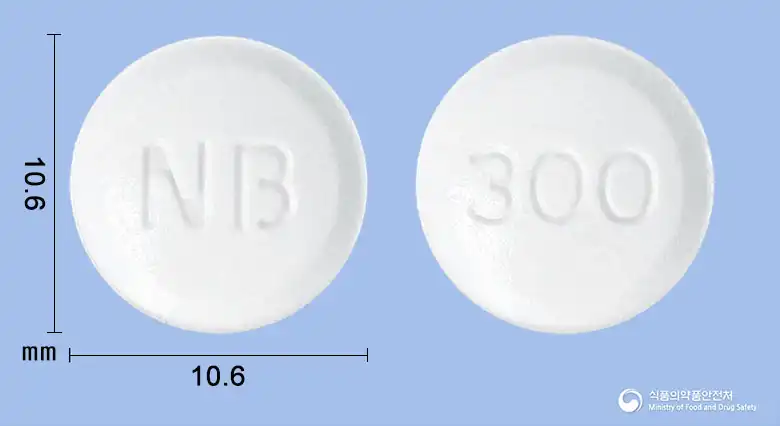
Pyridoxine Hydrochloride 300mg
Tablet · Prescription medication
NBK Pharmaceutical Co., Ltd.
Even with the same ingredient, the dose and directions can differ by strength and dosage form. Talk to a doctor or pharmacist before switching from a medication you are already taking.
No questions yet.
For anything that needs medical judgment, consult a doctor or pharmacist.
This drug information is based on data provided by the Korea Ministry of Food and Drug Safety.
Consult a doctor or pharmacist for accurate dosage, administration, and usage instructions.