
 한국어
한국어 English
 日本語
日本語 中文(简体)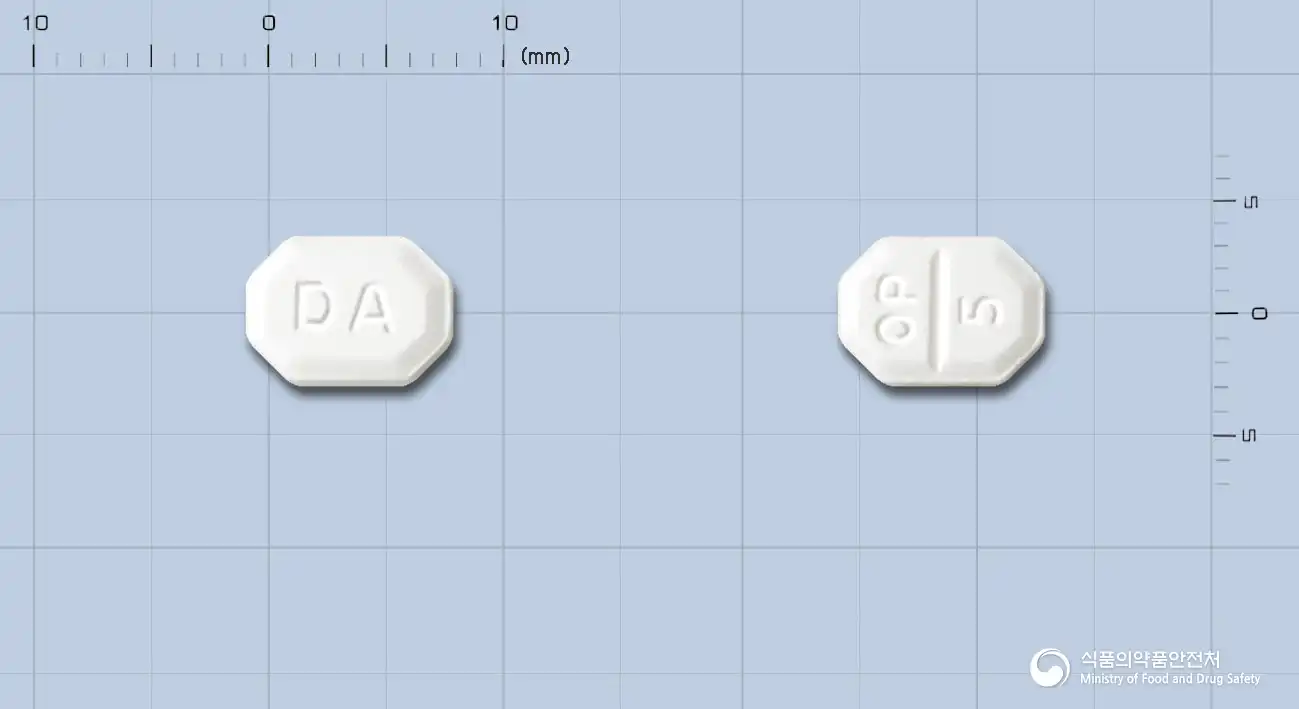
Summary
- Main use
- Effects in treating myocardial ischemia due to hypertension and coronary artery disease (stable angina, variant angina) as well as reducing the risk of hospitalization for angina and the risk of coronary angioplasty.
- Who takes it
- Adults · Children
- Adult dose
- For amlodipine, 5 mg is administered orally once daily, and it may be increased to a maximum of 10 mg daily depending on the patient's response. Adjustments should be made according to age and symptoms.
- Child dose
- The oral dosage of amlodipine for effective blood pressure reduction is once daily 2.5 mg-5 mg. A dosage exceeding 5 mg daily in pediatric patients has not been studied.
Ingredients
- Manufacturer
- 동아에스티(주)
Efficacy & effects
Effects in treating myocardial ischemia due to hypertension and coronary artery disease (stable angina, variant angina) as well as reducing the risk of hospitalization for angina and the risk of coronary angioplasty.
- Hypertension
- fixed closure of coronary arteries
- coronary vasospasm
- vascular constriction
- myocardial ischemia
View approved original textHide original text
This medication is used to treat myocardial ischemia caused by hypertension and stable or variant angina. Additionally, it reduces the hospitalization risk due to angina in patients recently diagnosed with coronary artery disease through angiography, provided they have no heart failure and a left ventricular ejection fraction of more than 40%. It also reduces the risks associated with coronary angioplasty. Thus, it helps alleviate the burdens associated with cardiovascular diseases and improves patients' symptoms.
How to take
Adult dose
For amlodipine, 5 mg is administered orally once daily, and it may be increased to a maximum of 10 mg daily depending on the patient's response. Adjustments should be made according to age and symptoms.
Child dose
The oral dosage of amlodipine for effective blood pressure reduction is once daily 2.5 mg-5 mg. A dosage exceeding 5 mg daily in pediatric patients has not been studied.
Precautions
This medication should not be administered to certain patients. For instance, it is contraindicated for those allergic to this medication or similar classes of drugs, nursing women, people with severe liver dysfunction, patients with severe aortic stenosis, and those in shock. Moreover, patients with severe hypotension, those requiring dialysis for renal failure, elderly individuals, and women who are pregnant or may become pregnant should take this medication cautiously. Various side effects such as skin rash, headache, dizziness, palpitations, fatigue, edema, and nausea can occur. Rarely, decreased blood pressure, vasculitis, neurological abnormalities, gastrointestinal issues, and liver function abnormalities have also been reported. In patients with heart failure, this medication can exacerbate pulmonary edema; thus, caution is required. For patients with liver impairment, the half-life of this drug may be prolonged, necessitating dosage adjustments. The antihypertensive effect of this medication appears gradually, making it unsuitable for emergencies such as acute angina. While this medication is known not to significantly affect driving or operating machinery, individual variations may apply, so care should be taken. This drug can interact with several other medications. Particularly, co-administration with grapefruit juice may enhance its effects, so it is advisable to avoid it. Additionally, when taking it with certain antibiotics, antihypertensives, anticoagulants, etc., it is essential to follow a physician's instructions. The safety of this medication has not been established for women who are pregnant or breastfeeding and should be avoided if possible, or a physician should be consulted before use. For children, efficacy has only been confirmed in those 6 years and older, with safety and efficacy in younger age groups not known. For elderly patients, the general dosage is recommended, but they should be monitored for bodily responses. In case of overdose, severe hypotension, tachycardia, and shock may occur, necessitating an immediate visit to a medical institution, and gastric lavage or activated charcoal may be needed if necessary. This medication is known to have a low risk of carcinogenicity or mutagenicity even when administered long-term.
Side effects and when to seek care immediately
Serious side effects
- Hives
- severe swelling (edema)
- difficulty breathing
- skin peeling
- pain in oral/ocular mucosa
- yellowing of skin or eyes (jaundice)
- profound lethargy
- severe allergic reactions
- severe dermatological reactions
- respiratory issues
Show 5 moreCollapse
- liver abnormalities (jaundice)
- significantly reduced urine output
- generalized severe edema
- increased blood pressure
- severe neurological symptoms
Mild side effects
- Flushing
- fatigue
- edema
- palpitations
- dizziness
- headache
- drowsiness
- abdominal pain
- nausea
- weakness
Show 25 moreCollapse
- lethargy
- pain
- weight gain/loss
- hypotension
- vasculitis
- tension increase
- sensory impairment/dysfunction
- peripheral neuropathy
- fainting
- taste disturbances
- tremors
- extrapyramidal disorders
- erectile dysfunction
- gynecomastia
- changes in bowel habits
- dry mouth
- dyspepsia (gastritis)
- gingival hyperplasia
- pancreatitis
- vomiting
- hyperglycemia
- arthralgia
- back pain
- muscle cramps
- myalgia
Not everyone experiences these, and they can vary from person to person.
Storage
This medication is sensitive to light and should be stored in a container that blocks light. Additionally, it is vital to maintain a temperature between 1°C and 30°C for proper storage to preserve its efficacy and safety over time.
Appearance and packaging
Appearance
It is a white or slightly yellowish octagonal tablet.
Package unit
30 tablets/PTP, 500 tablets/bottle
Questions about this medicine
No questions yet.
For anything that needs medical judgment, consult a doctor or pharmacist.