
 한국어
한국어 English
 日本語
日本語 中文(简体)
 Viewing now
Teragen Tablet 2mg (Tamsulosin Hydrochloride Hydrate)
Terazosin Hydrochloride Hydrate 2.374mg
Tablet · Prescription medication
Celix Co., Ltd.
MFDS item code 200411042 · Notified 2004.09.23 · Insurance code 646201950
Improvement of urinary disorders and hypertension (mild to moderate) due to benign prostatic hyperplasia
This medication is used to treat urinary disorders caused by benign prostatic hyperplasia and hypertension ranging from mild to moderate.
1. Urinary disorders due to benign prostatic hyperplasia Initial dose: Administer 1mg of Tamsulosin hydrochloride orally before bedtime, and closely monitor for acute hypotension due to the initial dose. Maintenance dose: Gradually increase until symptoms improve, administering 5-10mg orally once daily. Reduce the dose when used with diuretics that act on the distal tubule and other antihypertensives, and increase as needed while monitoring for hypotension. 2. Hypertension The dosage is adjusted according to the patient's blood pressure response. Initial dose: Administer 1mg of Tamsulosin hydrochloride orally before bedtime, and do not exceed this dose. Closely monitor the initial administration for potential acute hypotension. Maintenance dose: ① Monotherapy: Administer 2-10mg once daily, preferably in the morning or evening, continuing at the same time for consistency. To achieve optimal blood pressure response, the dose may be doubled every week. Doses above 20mg do not result in greater effects, and studies on doses above 40mg have not been conducted. ② When used with diuretics that act on the distal tubule and other antihypertensives: Reduce the dose of this medication and increase as needed, but monitor carefully for hypotension.
This medication is an alpha-blocker and should not be administered to certain patients. People who are allergic to this medication or similar drugs should not use it. Also, it should not be administered to children under 12 years old, as safety has not been established. This medication contains lactose and may be harmful to patients with lactose intolerance or certain genetic disorders. Patients with severely impaired liver or kidney function, a history of orthostatic hypotension, or cardiovascular or cerebrovascular diseases should use this medication cautiously. People allergic to the dye contained in this medication should also be cautious. Taking this medication may cause dizziness or fainting, especially when first starting or suddenly increasing the dosage, so caution is required. If these symptoms occur, rest lying down and seek medical assistance if necessary. It may lead to depression or increased nervousness, and various side effects such as headache, drowsiness, malaise, weakness, sweating, insomnia, cold sensation, shoulder stiffness, thirst, numbness, tachycardia, vasodilation, orthostatic dysregulation, palpitations, edema, arrhythmia, chest pain, angina, transient increases in AST, ALT, ALP, total bilirubin, indigestion, abdominal bloating, diarrhea, constipation, nausea, vomiting, loss of appetite, nosebleeds, influenza-like symptoms, and pharyngitis may also occur. Although this medication alleviates the symptoms of prostatic hyperplasia, similar symptoms may occur in prostate cancer, so the diagnosis of cancer should be confirmed before treatment. It lowers blood pressure, which may increase the risk of accidents due to dizziness when driving or working at heights, so caution is needed. Pregnant women or nursing mothers should use this medication only when absolutely necessary, as its safety has not been established, and it is advisable to avoid it while breastfeeding. Elderly patients are at risk for side effects from blood pressure lowering, so they should start with a low dose and use it cautiously. This medication can be used with several other drugs without significant interactions; however, if used with antihypertensives, blood pressure may drop too low. In case of overdose, severe hypotension may occur, requiring immediate medical assistance, and it cannot be removed by dialysis, so professional treatment is necessary. Keep out of reach of children and do not transfer to other containers.
Hives, severe swelling (edema), chest tightness, difficulty breathing, cold sweat, pallor, severe rash with high fever, blisters, skin peeling, pain in mouth/eye mucous membranes, shortness of breath or difficulty breathing, asthma attacks, breathing difficulties accompanied by cough and fever, yellowing of skin or eyes (jaundice), extreme lethargy, sudden and severe headache, thunderclap headache, seizures, confusion, visual disturbances, paralysis, urination.
Not everyone experiences these, and they can vary from person to person.
This medication may be sensitive to air or moisture, so it must be stored in a sealed container. It is best to keep the storage temperature between 1 and 30 degrees Celsius at room temperature. This storage method helps maintain the medication's effectiveness.
Light orange to yellow circular tablet
30 tablets/bottle, 300 tablets/bottle
Even with the same ingredient, strength, dosage form and how it is taken can differ.
Viewing nowTerazosin Hydrochloride Hydrate 2.374mg
Tablet · Prescription medication
Celix Co., Ltd.
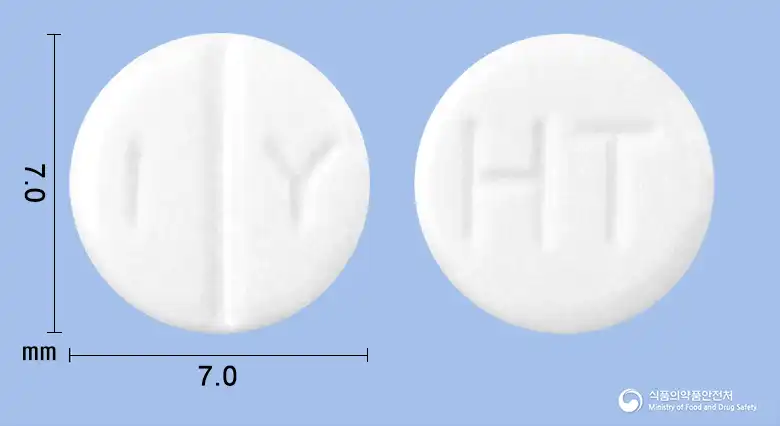
Terazosin Hydrochloride Hydrate 1.187mg
Tablet · Prescription medication
Il Yang Pharmaceutical Co., Ltd.

Terazosin Hydrochloride Hydrate 2.374mg
Tablet · Prescription medication
Il Yang Pharmaceutical Co., Ltd.

Terazosin Hydrochloride Hydrate 5.935mg
Tablet · Prescription medication
Il Yang Pharmaceutical Co., Ltd.
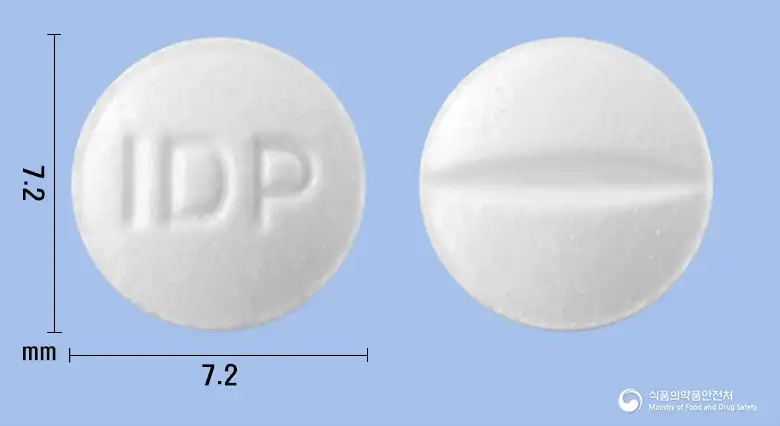
Terazosin Hydrochloride Hydrate 2.374mg
Tablet · Prescription medication
Il Dong Pharmaceutical Co., Ltd.

Terazosin Hydrochloride Hydrate 2.374mg
Tablet · Prescription medication
Daewon Pharmaceutical Co., Ltd.
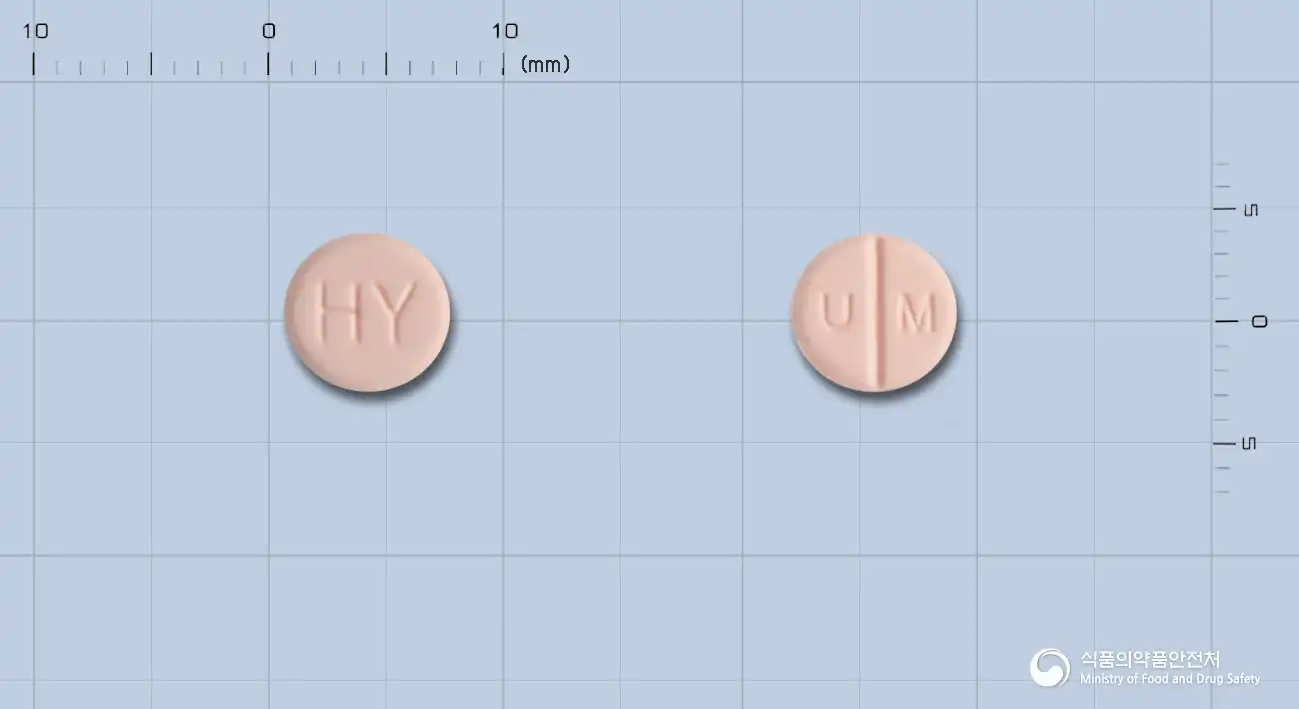
Terazosin Hydrochloride Hydrate 2.374mg
Tablet · Prescription medication
Unimed Pharmaceutical Co., Ltd.
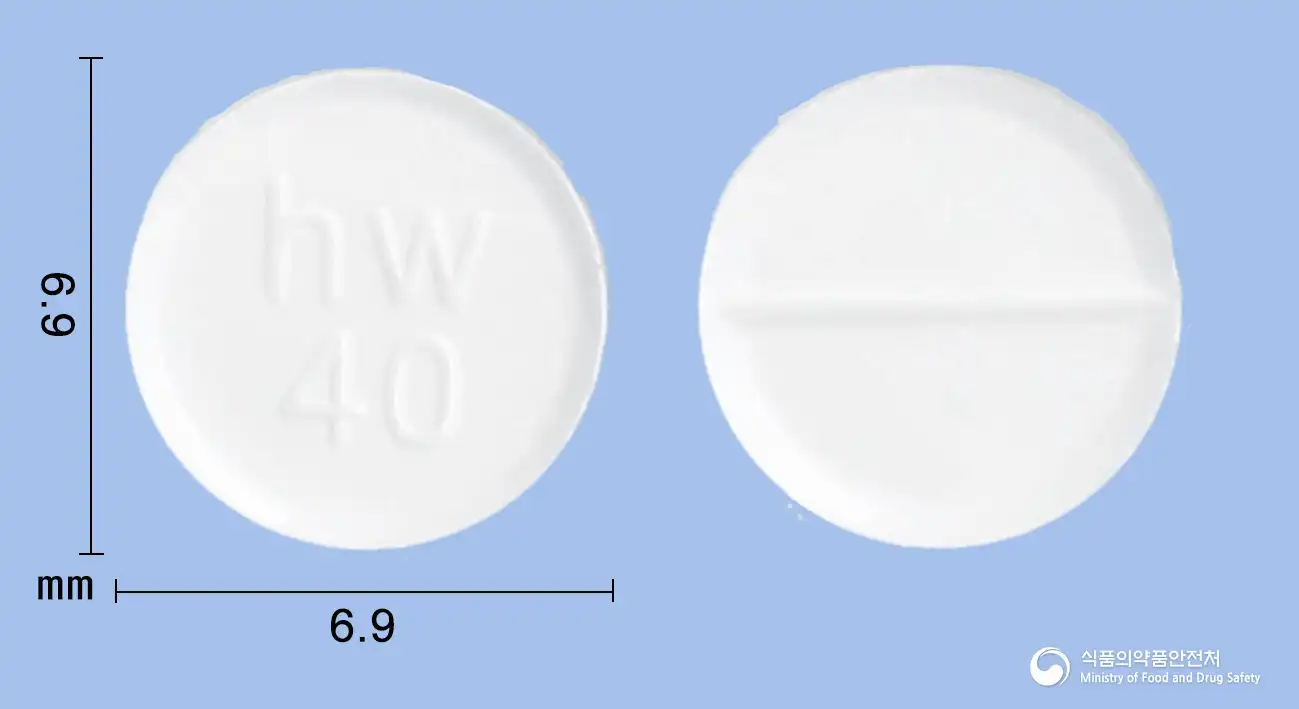
Terazosin Hydrochloride Hydrate 2.374mg
Tablet · Prescription medication
(Hawon Pharmaceutical Co., Ltd.)
Even with the same ingredient, the dose and directions can differ by strength and dosage form. Talk to a doctor or pharmacist before switching from a medication you are already taking.
No questions yet.
For anything that needs medical judgment, consult a doctor or pharmacist.
This drug information is based on data provided by the Korea Ministry of Food and Drug Safety.
Consult a doctor or pharmacist for accurate dosage, administration, and usage instructions.