
 한국어
 English
 日本語
 中文(简体)
 Viewing now
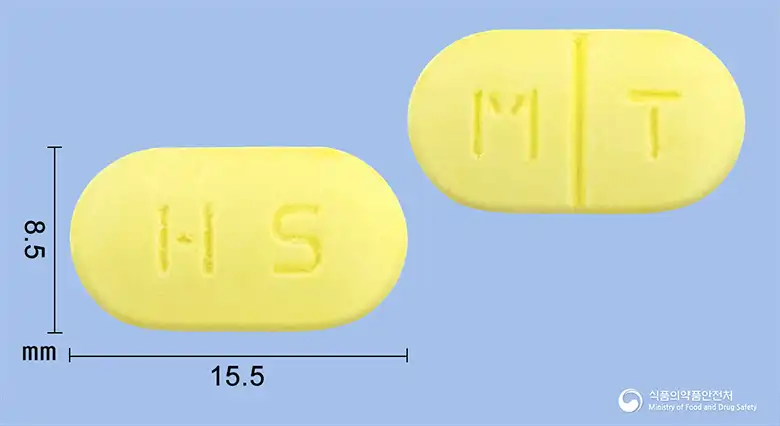
Humeton Tablet (Nabumetone)
Nabumetone 500mg
Tablet · Prescription medication
Huons Co., Ltd.
MFDS item code 200410905 · Notified 2004.10.02
Relief of inflammation and pain in arthritis (including osteoarthritis)
This medication reduces inflammation and pain associated with arthritis conditions such as osteoarthritis and rheumatoid arthritis. Osteoarthritis is a disease that causes pain and limited movement due to degenerative changes in the joints, while rheumatoid arthritis is a chronic condition that causes inflammation in the joints due to immune system abnormalities. This medication alleviates the inflammation of such arthritis and helps to decrease pain so that patients can lead a more comfortable daily life. It is particularly effective in improving swelling and stiffness in the joint area, thus widening the range of motion. Therefore, this medication is used for the anti-inflammatory and analgesic treatment of osteoarthritis and rheumatoid arthritis.
This medicine is for oral use. Swallow it without chewing (tablets only). Adults: The usual dose is 1 g of nabumetone orally once daily at bedtime. If symptoms are severe, persistent, or worsen rapidly, an additional 500 mg∼1 g of this medicine may be taken orally in the morning. Older adults: As with many other medicines, blood concentrations may be higher in older patients. Do not exceed 1 g per day. In some cases, 500 mg may provide satisfactory symptom relief.
Children: Clinical data on the use of this preparation in children are not yet available.
This medication may pose a risk of gastrointestinal bleeding if taken by individuals who regularly consume more than three glasses of alcohol daily; therefore, it is essential to consult with a doctor or pharmacist. This medication can affect the cardiovascular system and increase the risk of serious cardiovascular diseases such as myocardial infarction or stroke; therefore, patients with cardiovascular diseases or risk factors should be especially cautious. Serious adverse reactions such as bleeding, ulceration, and perforation may occur in the gastrointestinal tract, and especially older patients or those with a history of gastrointestinal diseases should start with the minimum dose and be closely monitored. Patients with peptic ulcers, severe blood disorders, heart, liver, or kidney impairments, patients allergic to this medication's ingredients, and patients with aspirin-induced asthma should not take this medication. Patients with blood disorders, liver impairment, kidney impairment, heart impairment, a history of allergies, asthma, hypertension, heart failure, autoimmune diseases, and the elderly should receive this medication with caution, and if any side effects occur, they should consult healthcare professionals immediately. While taking this medication, various adverse reactions may occur, including shock, anaphylaxis, gastrointestinal bleeding, abnormal liver function, kidney damage, skin rashes, and respiratory difficulties; therefore, if symptoms appear, the patient must stop taking the medication immediately and seek medical attention. This medication may increase the risk of side effects when used in conjunction with other non-steroidal anti-inflammatory drugs, and it may interact with specific medications, so it is crucial to inform healthcare professionals about any other medications being taken. Pregnant women or those who may become pregnant and nursing mothers should not take this medication, and it is also safer for children and adolescents under 15 years old not to use it. Older patients have a higher risk of gastrointestinal bleeding and perforation; therefore, they should start with the minimum dose and be closely monitored, especially during the first four weeks. In cases of overdose, symptoms may include headache, vomiting, gastrointestinal bleeding, and coma, so it is important to visit a medical institution immediately for appropriate treatment. This medication must be kept out of reach of children, and transferring it to other containers may not be good for maintaining quality, so caution should be taken.
Not everyone experiences these, and they can vary from person to person.
This medication should be stored in a tightly closed container to prevent exposure to air or moisture and is best kept at room temperature between 1 degree and 30 degrees Celsius. Proper storage helps maintain the medication's efficacy over time.
Yellow oval film-coated tablets
300 tablets/bottle, 30 tablets/bottle
Even with the same ingredient, strength, dosage form and how it is taken can differ.
Viewing nowNabumetone 500mg
Tablet · Prescription medication
Huons Co., Ltd.
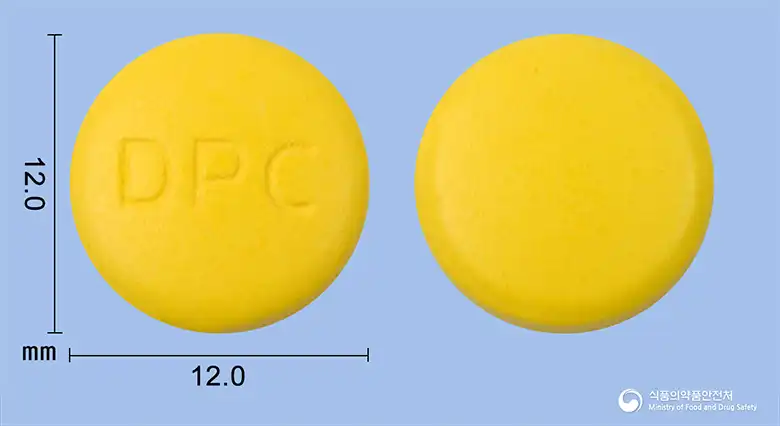
Nabumetone 500mg
Tablet · Prescription medication
Donggwang Pharmaceutical Co., Ltd.
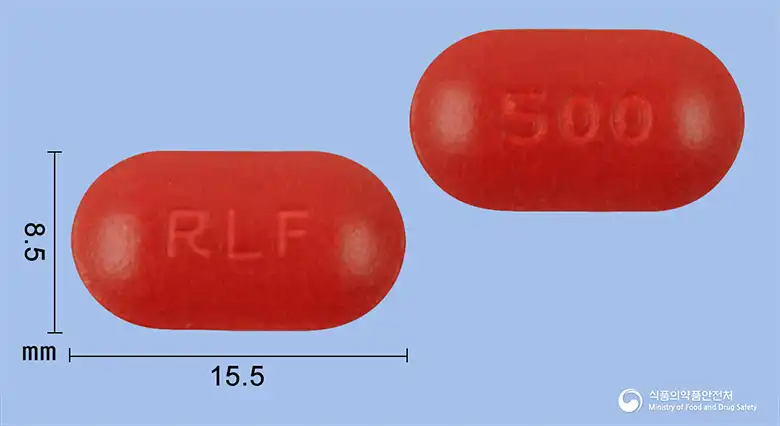
Nabumetone 500mg
Tablet · Prescription medication
(Co., Ltd.) Handok
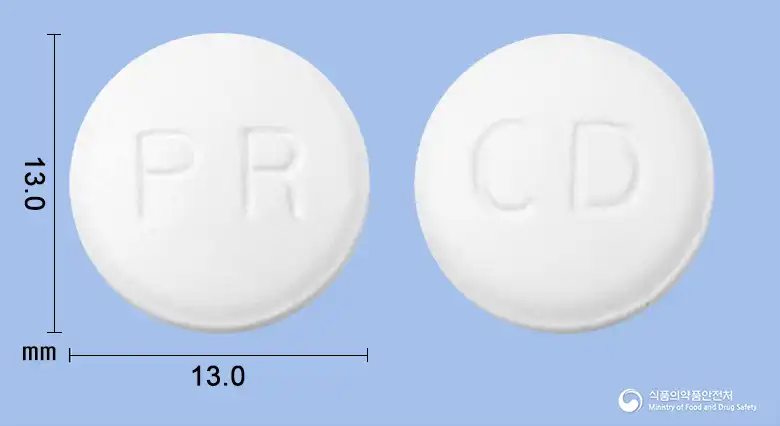
Nabumetone 500mg
Tablet · Prescription medication
Chodang Pharmaceutical Co., Ltd.
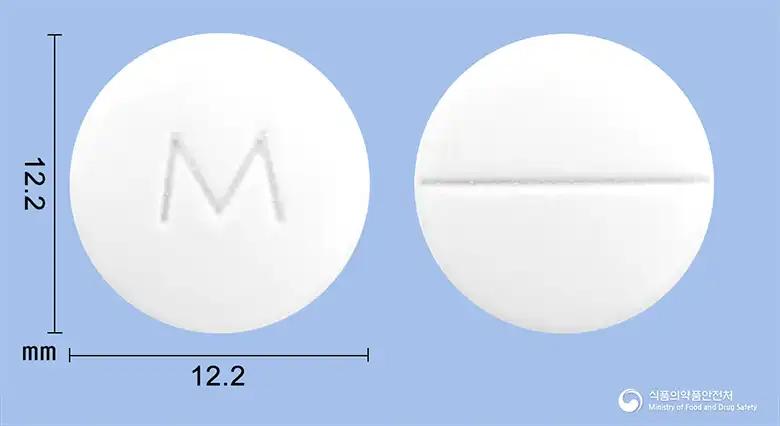
Nabumetone 500mg
Tablet · Prescription medication
(Co., Ltd.) Medica Korea
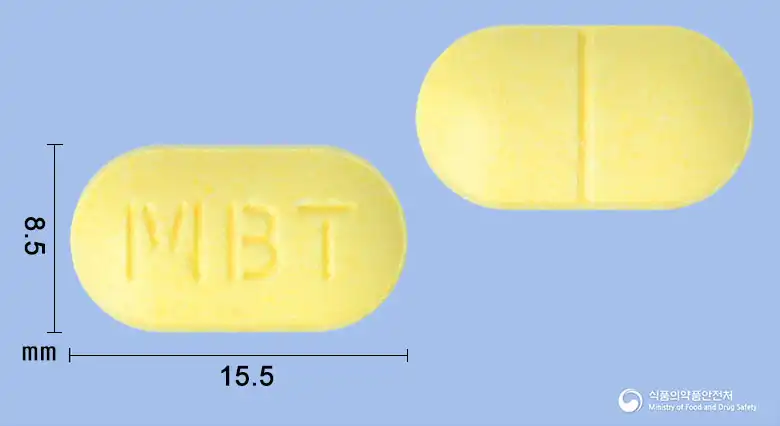
Nabumetone 500mg
Tablet · Prescription medication
Hallym Pharmaceuticals Co., Ltd.
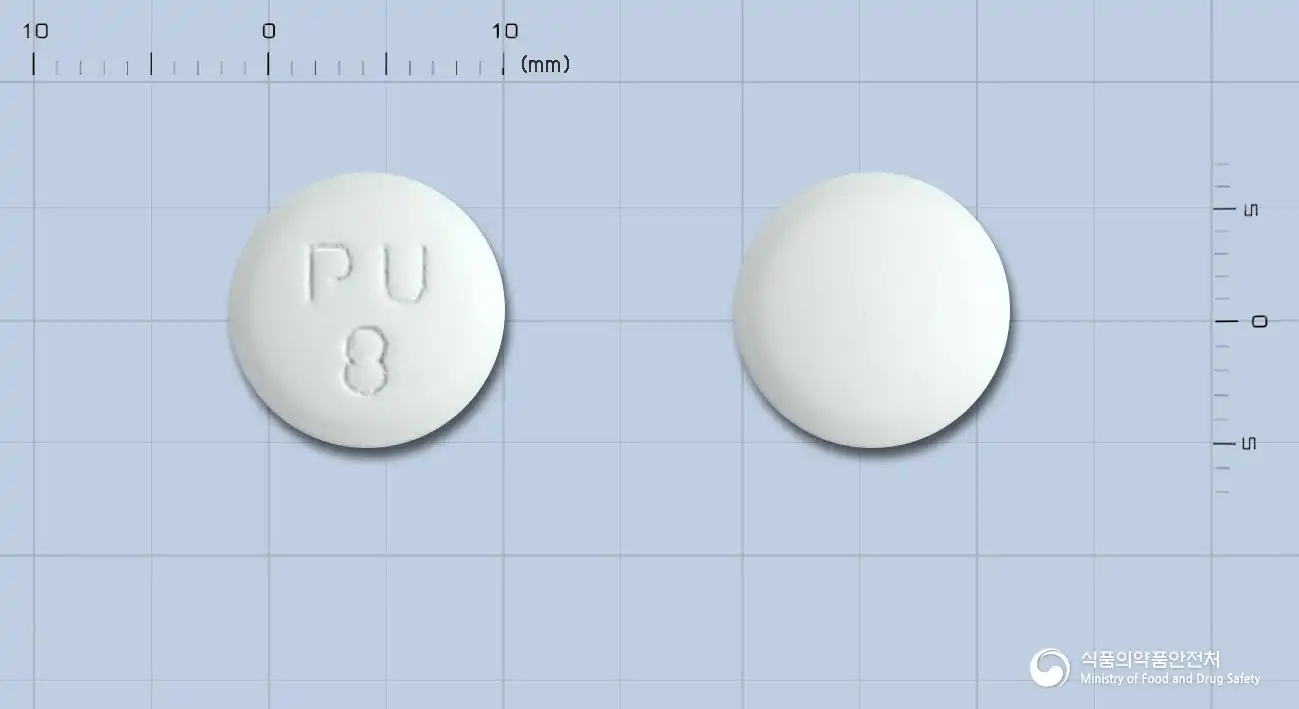
Nabumetone 500mg
Tablet · Prescription medication
Korea PMG Pharmaceutical Co., Ltd.
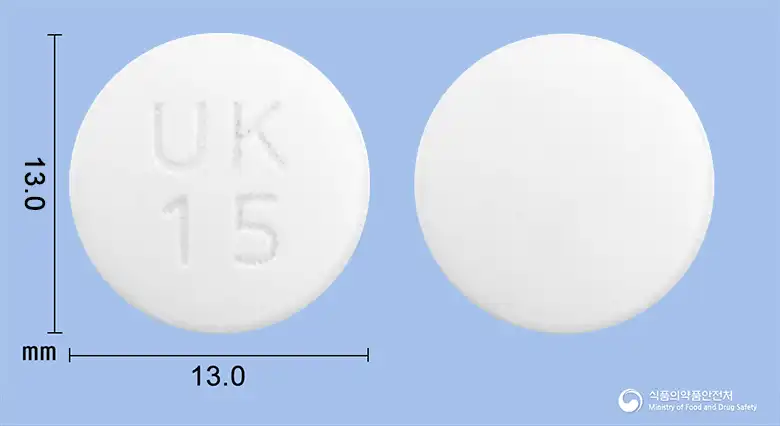
Nabumetone 500mg
Tablet · Prescription medication
Korea Union Pharm Co., Ltd.
Even with the same ingredient, the dose and directions can differ by strength and dosage form. Talk to a doctor or pharmacist before switching from a medication you are already taking.
No questions yet.
For anything that needs medical judgment, consult a doctor or pharmacist.
This drug information is based on data provided by the Korea Ministry of Food and Drug Safety.
Consult a doctor or pharmacist for accurate dosage, administration, and usage instructions.