
 한국어
한국어 English
 日本語
日本語 中文(简体)
 Viewing now
Pentra Tablets (Phendimetrazine Tartrate)
Phendimetrazine Tartrate 35mg
Tablet · Prescription medication
Genewon Science Co., Ltd.
MFDS item code 200410866 · Approved 2004.12.21
Weight loss adjunct therapy for patients with obesity (BMI and risk factors)
This medication is used for obese patients who do not respond well to appropriate dietary and exercise regimens. It is particularly effective for patients with a BMI of 30 kg/m2 or more, or those with other risk factors such as hypertension, diabetes, or hyperlipidemia, and a BMI of 27 kg/m2 or more. This medication is used as a short-term adjunct therapy for exogenous obesity based on caloric restriction, taken alone without combining with other appetite suppressants. Patients should verify their BMI and consult with a specialist about their treatment plan. This medication helps achieve effective weight loss and reduce the risk of obesity-related complications.
For Phendimetrazine Tartrate, take 35 mg orally 2 to 3 times daily, 1 hour before meals. The dosage should use the minimum effective dose and be adjusted for individual responses. A daily dose of 17.5 mg may be appropriate for some patients. The dosage should not exceed 70 mg in a single dose and should not be taken more than 3 times a day. This medication is administered for a short period (within 4 weeks).
This medication should never be taken together with other appetite suppressants, as it may cause serious heart problems. It should be used alone for a short period when treating exogenous obesity, and it is unsafe to use it with other weight loss medications. Prolonged use beyond three months may increase the risk of serious pulmonary disease known as pulmonary arterial hypertension. If symptoms such as shortness of breath, chest pain, fainting, or leg swelling occur, the medication should be stopped immediately, and medical attention should be sought. This medication may also be associated with valvular heart disease, so patients should undergo a cardiac examination before starting the medication, and those with existing heart issues should avoid it. It should not be used by individuals who are hypersensitive to sympathomimetics, have cardiovascular disease, hypertension, hyperthyroidism, glaucoma, mental instability, a history of substance abuse, children under 16, or pregnant women. Diabetic patients need to adjust their insulin dosage while taking this medication, and nursing mothers should use it carefully. This medication affects the central nervous system and may cause side effects such as anxiety, dizziness, and insomnia; therefore, caution should be taken when driving or operating machinery. If the appetite-suppressing effect diminishes, do not increase the dosage but stop taking the medication; abrupt discontinuation may result in severe fatigue and depression. In case of overdose, symptoms such as arrhythmia, blood pressure changes, confusion, hallucinations, or seizures may occur, requiring immediate emergency treatment. This medication should be kept out of reach of children, as it is classified as a controlled substance with potential for abuse; it should be used strictly according to a physician's instructions.
Hives, peripheral edema, exercise-induced dyspnea, angina symptoms, fainting, symptoms suggestive of pulmonary arterial hypertension
Not everyone experiences these, and they can vary from person to person.
This medication may be sensitive to air or moisture, so it should be stored in a tightly sealed container. It's best to keep it at room temperature between 1°C and 30°C. Proper storage will help maintain the drug's efficacy over time.
White round tablets
30 tablets/bottle, 300 tablets/bottle, 500 tablets/bottle
Even with the same ingredient, strength, dosage form and how it is taken can differ.
Viewing nowPhendimetrazine Tartrate 35mg
Tablet · Prescription medication
Genewon Science Co., Ltd.
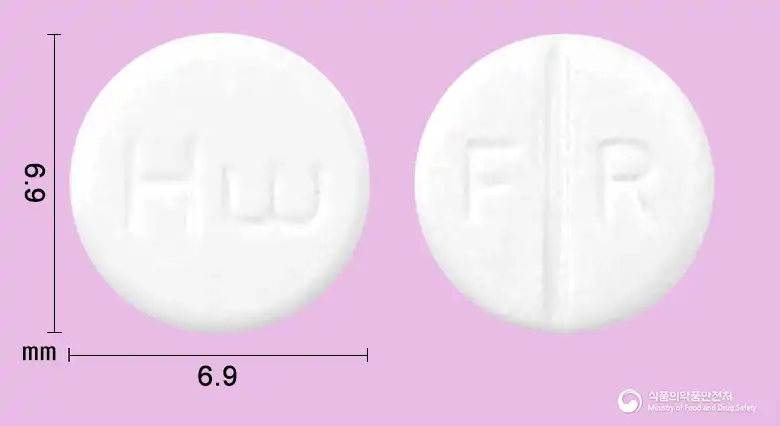
Phendimetrazine Tartrate 35mg
Tablet · Prescription medication
Albuzene Korea Co., Ltd.
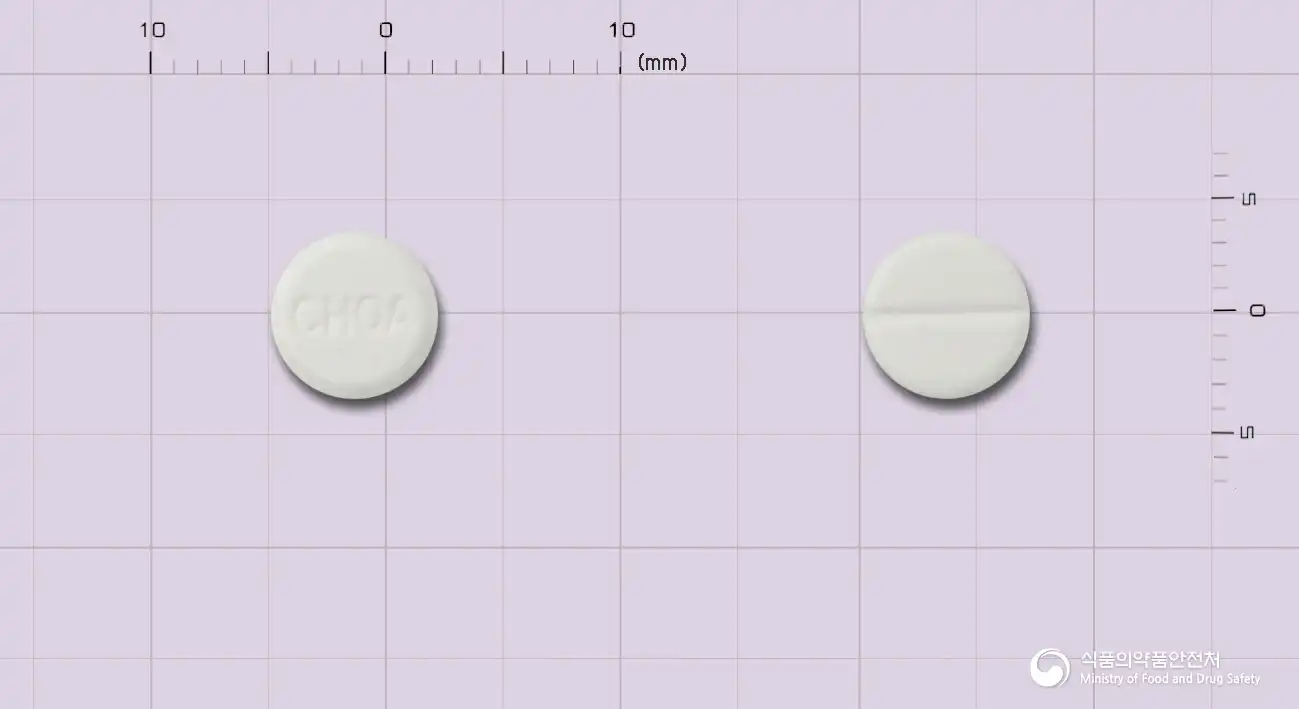
Phendimetrazine Tartrate 35mg
Tablet · Prescription medication
Joah Pharmaceutical Co., Ltd.
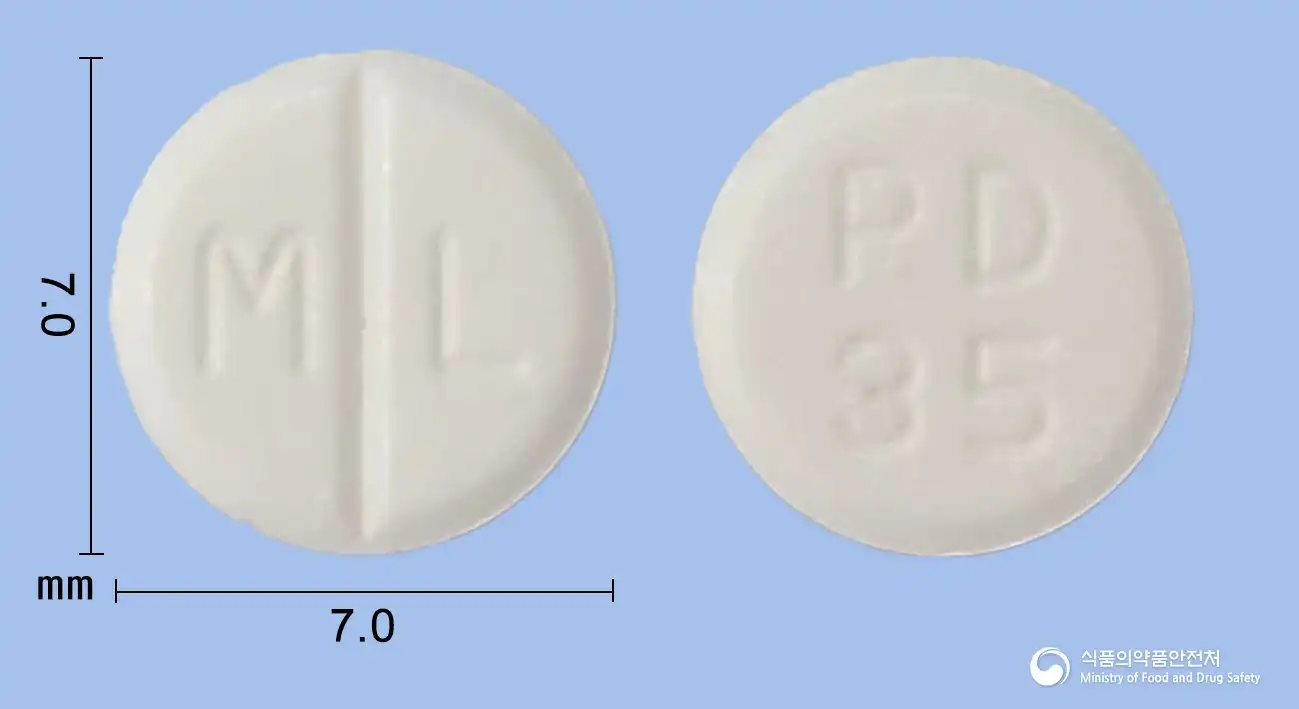
Phendimetrazine Tartrate 35mg
Tablet · Prescription medication
Bionex Co., Ltd.
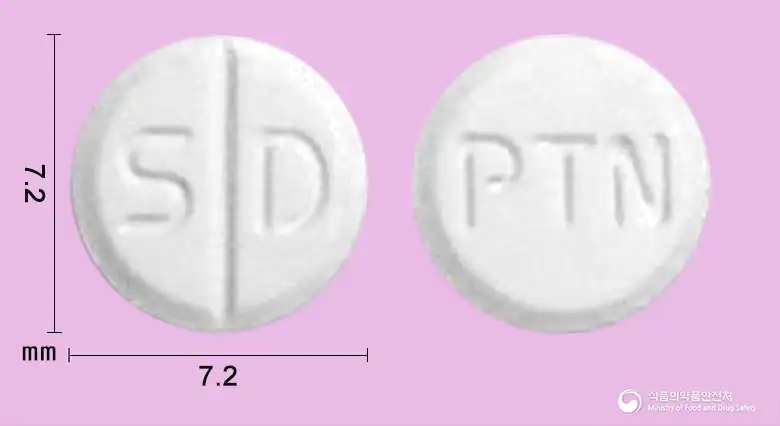
Phendimetrazine Tartrate 35mg
Tablet · Prescription medication
PharmGen Science Co., Ltd.
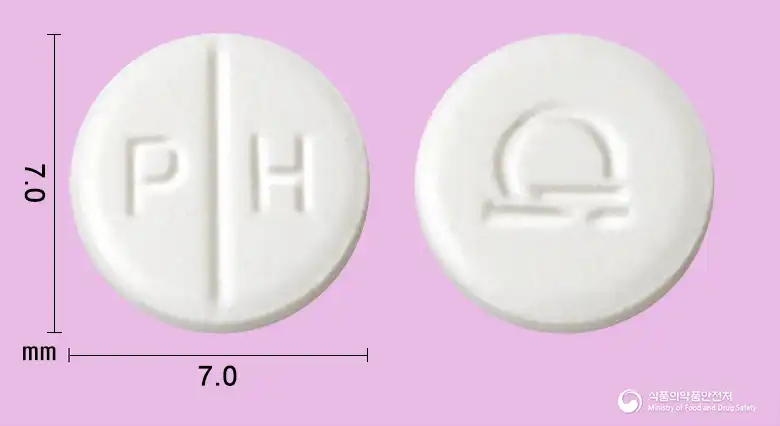
Phendimetrazine Tartrate 35mg
Tablet · Prescription medication
Dae Won Pharmaceutical Co., Ltd.
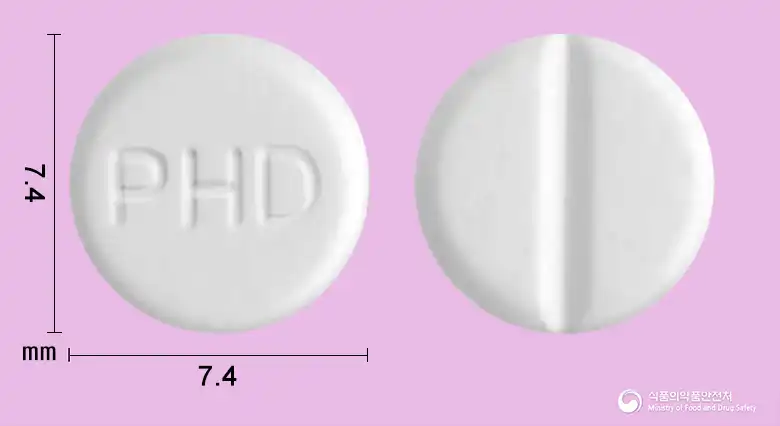
Phendimetrazine Tartrate 35mg
Tablet · Prescription medication
Korea Pharma Co., Ltd.
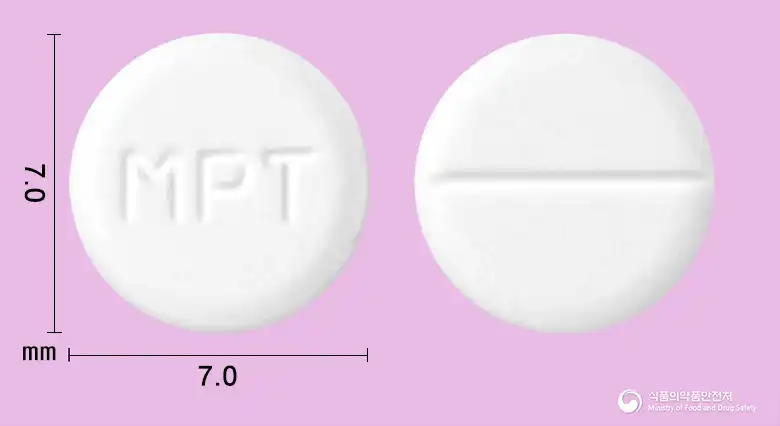
Phendimetrazine Tartrate 35mg
Tablet · Prescription medication
Myeongmun Pharmaceutical Co., Ltd.
Even with the same ingredient, the dose and directions can differ by strength and dosage form. Talk to a doctor or pharmacist before switching from a medication you are already taking.
No questions yet.
For anything that needs medical judgment, consult a doctor or pharmacist.
This drug information is based on data provided by the Korea Ministry of Food and Drug Safety.
Consult a doctor or pharmacist for accurate dosage, administration, and usage instructions.