
 한국어
 English
 日本語
 中文(简体)
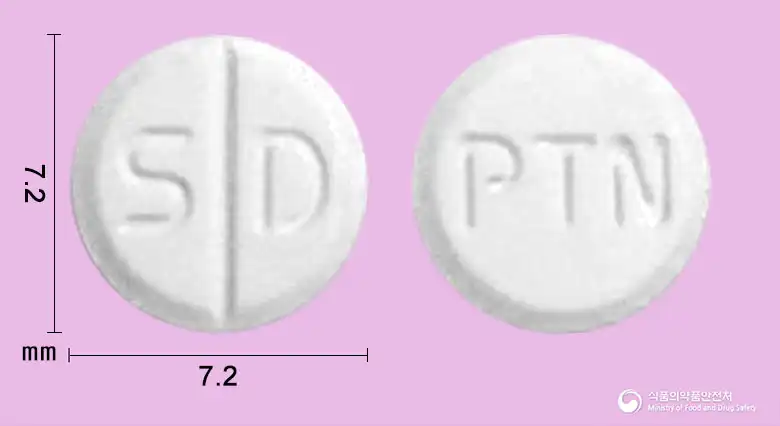 Viewing now
Petino Tablets (Phenmetrazine Tartrate)
Phendimetrazine Tartrate 35mg
Tablet · Prescription medication
PharmGen Science Co., Ltd.
MFDS item code 200410854 · Approved 2004.12.08
Short-term adjunctive treatment for weight reduction in exogenous obesity
This medication is used in obese patients who do not respond to a weight loss diet and exercise. It is particularly applicable to patients with a body mass index (BMI) of 30 kg/m² or more or those with risk factors such as hypertension, diabetes, or hyperlipidemia with a BMI of 27 kg/m² or more. This drug is intended for short-term adjunctive therapy of weight loss treatment based on caloric restriction and must be taken alone without the combination of other appetite suppressants for effective results. Thus, it aids in obesity treatment plans and is used to safely lose weight.
Adults: Administer 35 mg of phendimetrazine tartrate orally 2 ~ 3 times daily, 1 hour before meals. Use the lowest effective dose, adjusting the dose individually to achieve an adequate response. A dose of 17.5 mg once daily may be appropriate for some patients. Do not exceed 70 mg per dose or 3 doses daily. This medicine should be administered for a short term (within 4 weeks). However, to reduce the risk of inappropriate use, treatment may be continued if the patient achieves satisfactory weight loss within the first 4 weeks (at least 1.8 kg of weight loss, or weight loss considered satisfactory by both the physician and patient).
This drug must not be used in combination with other appetite suppressants due to the risk of serious heart problems. It is safest to be used alone for a short period for the treatment of exogenous obesity. The concomitant use of other medications for weight loss is not recommended as safety and efficacy have not been established. Using this drug for more than 3 months may significantly increase the risk of serious pulmonary conditions such as pulmonary arterial hypertension. If symptoms such as shortness of breath during exercise, chest pain, fainting, or leg swelling occur, discontinue the drug immediately and seek medical evaluation. This drug may be associated with valvular heart disease, so a heart condition must be confirmed before use, and individuals with poor heart status should not use it. This medication is not to be administered to those sensitive to sympathomimetics, individuals with atherosclerosis or cardiovascular diseases, hypertensive patients, those with hyperthyroidism, or those with glaucoma. People who are mentally unstable or in an excited state, as well as those with a history of substance abuse, should not use this drug. Concurrent use of central nervous system stimulants or MAO inhibitors may dangerously elevate blood pressure, so these should be avoided. Children under the age of 16 and pregnant or potentially pregnant women should not take this drug. Caution should be exercised in cases of mild hypertension, lactating women, and diabetic patients, and insulin dosage adjustments may be necessary for diabetic patients. While taking this medication, an increase in heart rate or blood pressure may occur, and neurological symptoms such as anxiety, dizziness, insomnia, and headaches may appear. Gastrointestinal symptoms such as dyspepsia, dry mouth, diarrhea, constipation, and changes in sexual desire, as well as urinary symptoms such as increased urination, are also reported. If tolerance to the medication develops, do not increase the dosage but discontinue its use, and take precautions when driving or operating hazardous machinery. In cases of overdose, symptoms may include anxiety, coma, seizures, abnormal blood pressure, and gastrointestinal disturbances, so the prescribed dosage must be strictly adhered to. Pregnant or nursing mothers should avoid taking this medication as its safety has not been established. This drug is classified as a narcotic and carries a risk of abuse; sudden cessation after prolonged high-dose use may lead to severe fatigue and depression. Therefore, it should be used cautiously according to a physician’s prescription and guidance, and stored out of the reach of children.
Not everyone experiences these, and they can vary from person to person.
This medication should be stored in a tightly sealed container to prevent exposure to air or moisture. It is best to maintain the storage temperature between 1 degree and 30 degrees Celsius at room temperature.
White round tablet
30 tablets/bottle, 300 tablets/bottle
Even with the same ingredient, strength, dosage form and how it is taken can differ.
Viewing nowPhendimetrazine Tartrate 35mg
Tablet · Prescription medication
PharmGen Science Co., Ltd.
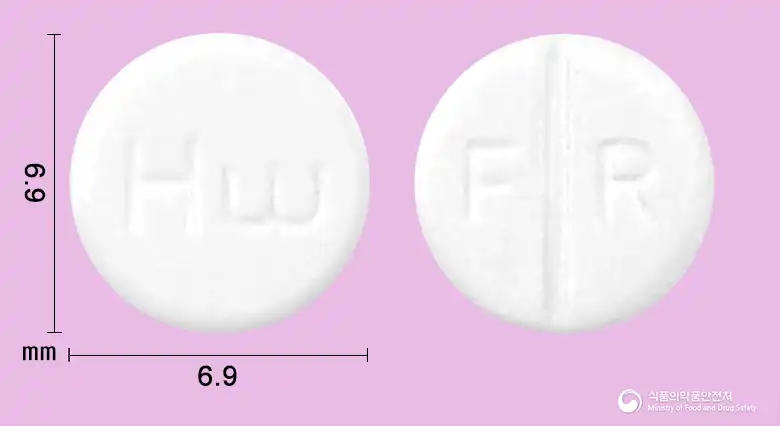
Phendimetrazine Tartrate 35mg
Tablet · Prescription medication
Albuzene Korea Co., Ltd.
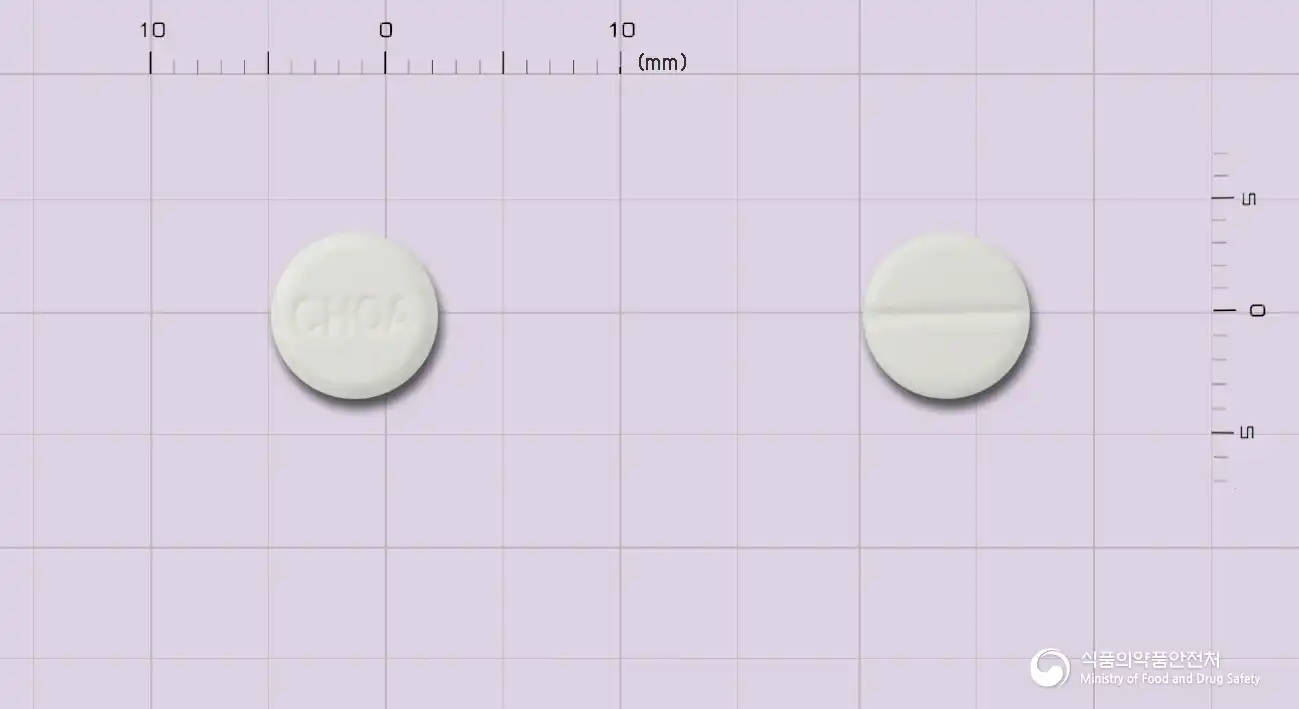
Phendimetrazine Tartrate 35mg
Tablet · Prescription medication
Joah Pharmaceutical Co., Ltd.
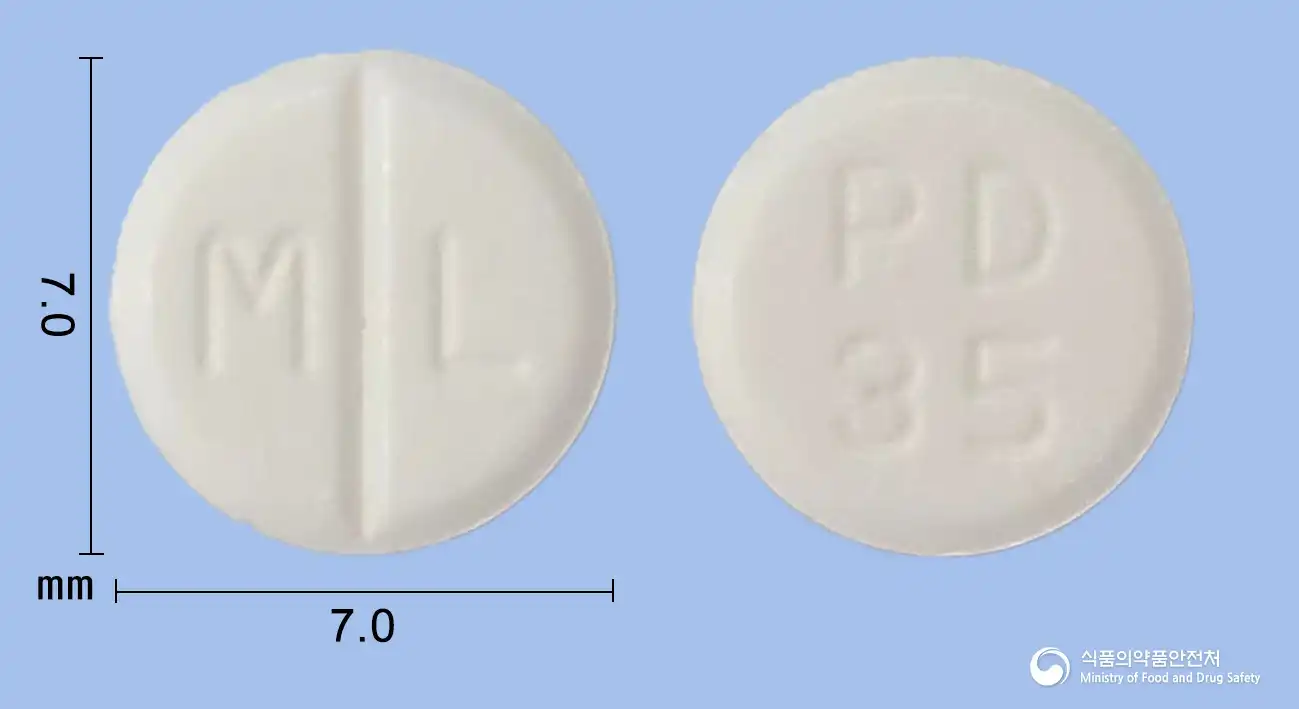
Phendimetrazine Tartrate 35mg
Tablet · Prescription medication
Bionex Co., Ltd.
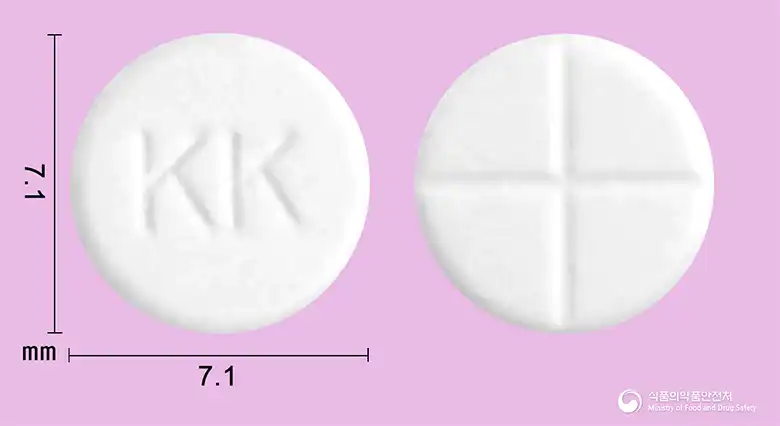
Phendimetrazine Tartrate 35mg
Tablet · Prescription medication
Genewon Science Co., Ltd.
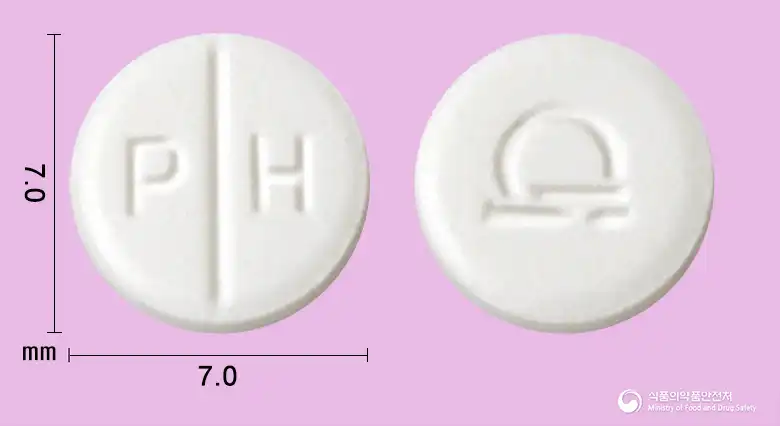
Phendimetrazine Tartrate 35mg
Tablet · Prescription medication
Dae Won Pharmaceutical Co., Ltd.
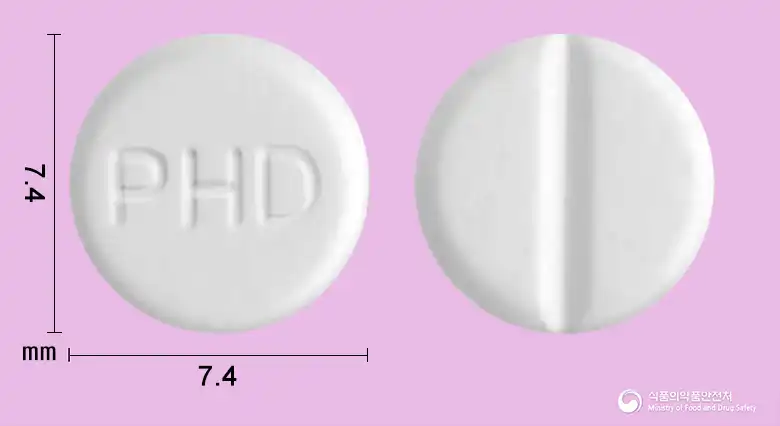
Phendimetrazine Tartrate 35mg
Tablet · Prescription medication
Korea Pharma Co., Ltd.
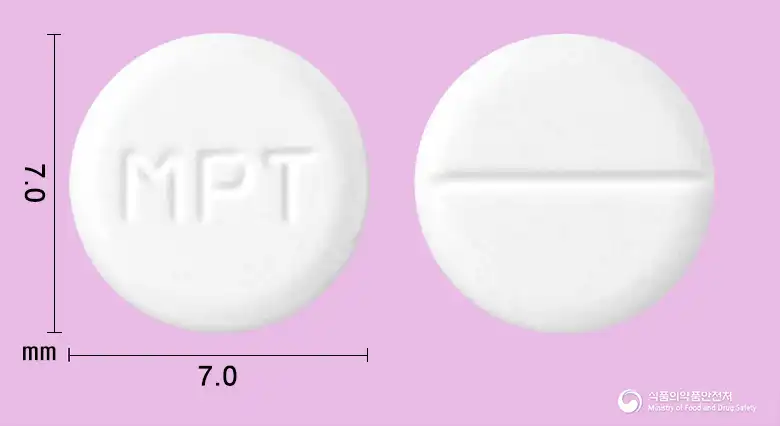
Phendimetrazine Tartrate 35mg
Tablet · Prescription medication
Myeongmun Pharmaceutical Co., Ltd.
Even with the same ingredient, the dose and directions can differ by strength and dosage form. Talk to a doctor or pharmacist before switching from a medication you are already taking.
No questions yet.
For anything that needs medical judgment, consult a doctor or pharmacist.
This drug information is based on data provided by the Korea Ministry of Food and Drug Safety.
Consult a doctor or pharmacist for accurate dosage, administration, and usage instructions.