
 한국어
한국어 English
 日本語
日本語 中文(简体)
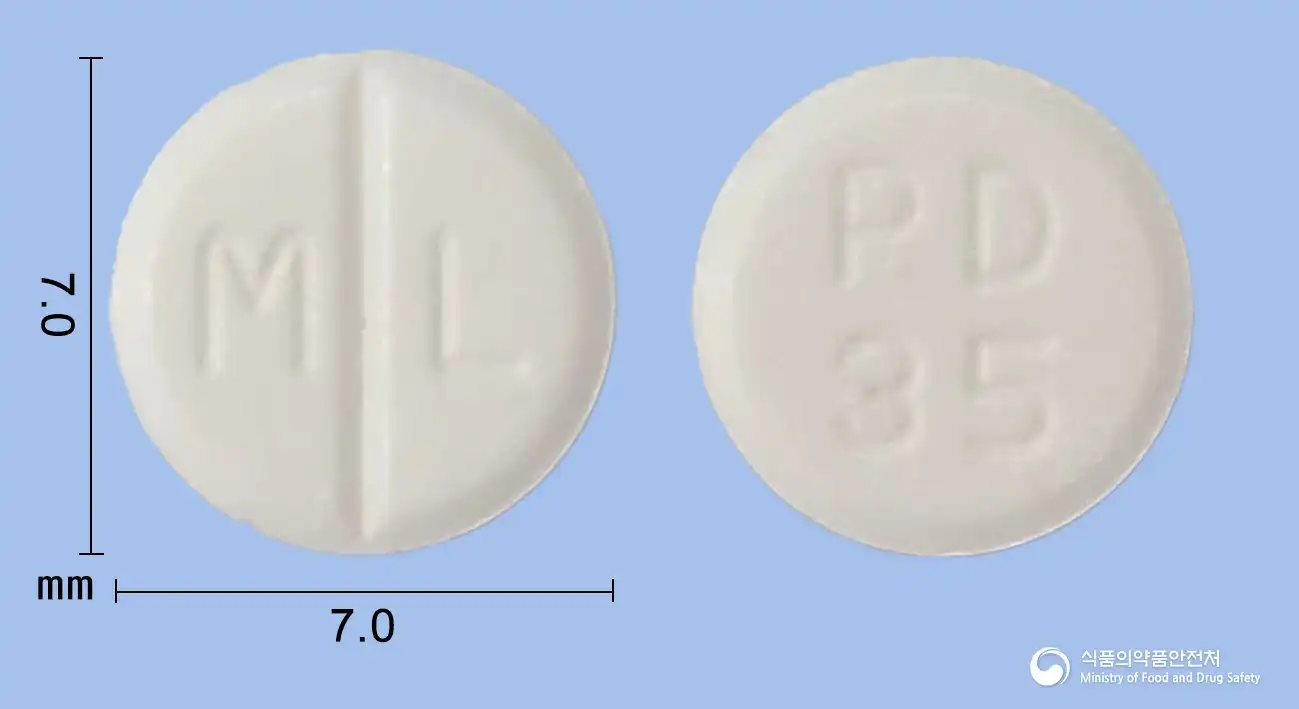 Viewing now
Fendicine Tablet (Phendimetrazine Tartrate)
Phendimetrazine Tartrate 35mg
Tablet · Prescription medication
Bionex Co., Ltd.
MFDS item code 200410824 · Approved 2004.07.05
Adjunctive therapy for weight loss in obese patients (with high body mass index and risk factors)
This medication is used to assist in weight loss for obese patients with a body mass index (BMI) of 30 or greater, or patients with a BMI of 27 or greater who have other risk factors such as hypertension, diabetes, or hyperlipidemia, and who do not respond to appropriate dietary and exercise regimens. It should be used as an adjunctive short-term treatment for exogenous obesity based on calorie restriction, and it is crucial to take it alone without the combination of other appetite suppressants. The degree of obesity should be confirmed by calculating BMI based on the patient's height and weight, which can also help in planning weight loss strategies. This medication aims to reduce body fat and improve health, assisting in safe and effective weight loss.
As Phendimetrazine Tartrate, 35 mg should be taken orally 2 to 3 times daily, one hour before meals. The dosage should use the minimum effective dose adjusted individually for each patient. For some patients, 17.5 mg once daily may be appropriate. The dosage should not exceed 70 mg per single administration or 3 doses per day. This medication should be administered over a short term (within 4 weeks). If satisfactory weight loss is achieved (minimum of 1.8 kg loss or mutual satisfaction between patient and physician), treatment with this medication can be continued during the first 4 weeks.
This medication should only be used in isolation for short periods; using it with other appetite suppressants may increase the risk of serious cardiovascular events. Long-term use may significantly raise the risk of rare heart conditions such as pulmonary hypertension; if symptoms like shortness of breath, chest pain, or fainting occur, the medication must be stopped immediately, and medical evaluation should be sought. Patients with valve issues or a heart murmur should avoid this medication, and regular heart condition checks are necessary before and during treatment. This drug should not be given to patients with certain cardiovascular diseases, hyperthyroidism, glaucoma, mental health issues, or a history of substance abuse. Children under 16, pregnant women, women who may become pregnant, and individuals with hereditary lactose intolerance should not take this medication. Caution is required for patients with mild hypertension, nursing women, and individuals with diabetes, especially the latter, as insulin dosage adjustments may be necessary. This medication may cause increased heart rate and blood pressure; side effects such as anxiety, insomnia, headaches, dyspepsia, and changes in sexual function can occur. The appetite suppressing effects may decrease within a few weeks, and if effectiveness wanes, the dose should not be increased, but rather the medication should be discontinued. Due to its influence on the central nervous system, caution is warranted when driving or operating hazardous machinery. Combination with other appetite suppressants used within the last year should be avoided, and sudden discontinuation may lead to severe fatigue and depression. In case of overdose, symptoms such as anxiety, coma, seizures, abnormal blood pressure, and gastrointestinal disturbances may occur, necessitating immediate emergency care. This medication must be kept out of the reach of children and classified as a controlled substance due to the risk of misuse; it should be used according to professional guidance. Sudden discontinuation after prolonged, high-dose use may lead to significant fatigue and mental depression, so it should be tapered off as per a physician's instructions.
Hives, peripheral edema, exercise-induced dyspnea and exacerbation related to pulmonary hypertension, angina symptoms, fainting, possible valvular heart disease, heart murmur, increased risk of severe heart disease, schizophrenia-like symptoms, severe skin diseases, extreme fatigue and depression, seizures, convulsions, coma, risk of death from severe overdose
Palpitations, tachycardia, increased blood pressure, over-stimulation, anxiety, dizziness, insomnia, tremors, euphoria, headaches, rare psychiatric disorders at recommended doses, agitation, flushing, sweating, blurred vision, dry mouth, discomfort, diarrhea, constipation, other gastrointestinal disturbances (nausea, stomach pain), changes in sexual desire, frequent urination, urinary retention, erectile dysfunction
Not everyone experiences these, and they can vary from person to person.
This medication should be stored in a tightly sealed container to protect it from air and moisture, ideally at room temperature between 1 to 30 degrees Celsius. Storing it this way will help maintain the drug's effectiveness.
White round tablets
30, 300 tablets/bottle
Even with the same ingredient, strength, dosage form and how it is taken can differ.
Viewing nowPhendimetrazine Tartrate 35mg
Tablet · Prescription medication
Bionex Co., Ltd.
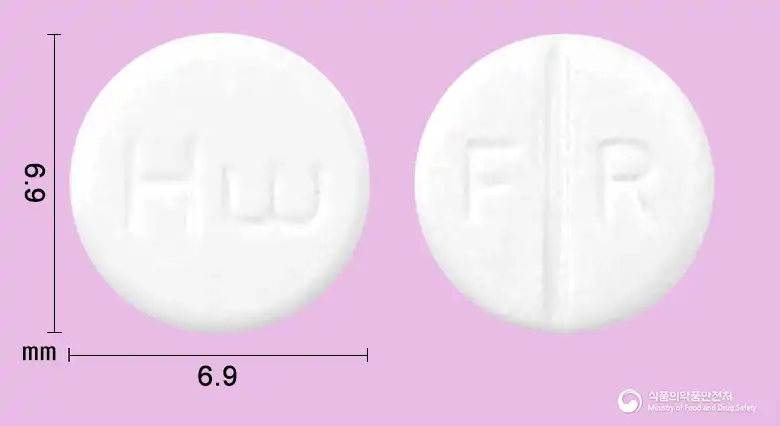
Phendimetrazine Tartrate 35mg
Tablet · Prescription medication
Albuzene Korea Co., Ltd.
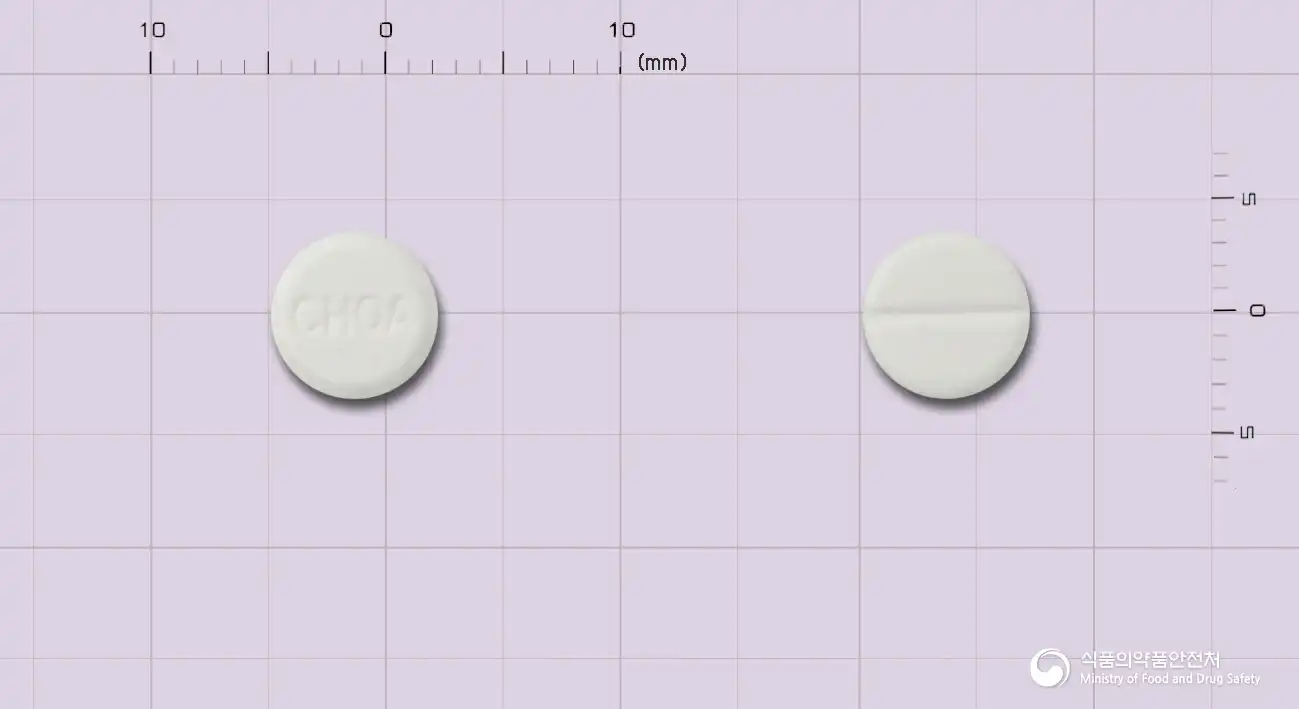
Phendimetrazine Tartrate 35mg
Tablet · Prescription medication
Joah Pharmaceutical Co., Ltd.
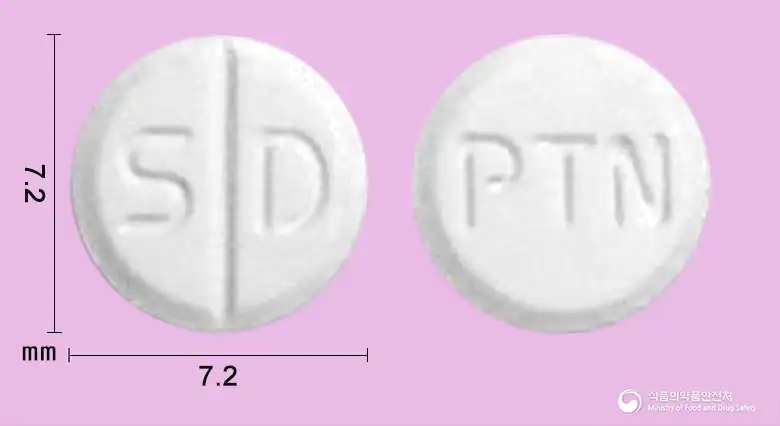
Phendimetrazine Tartrate 35mg
Tablet · Prescription medication
PharmGen Science Co., Ltd.

Phendimetrazine Tartrate 35mg
Tablet · Prescription medication
Genewon Science Co., Ltd.
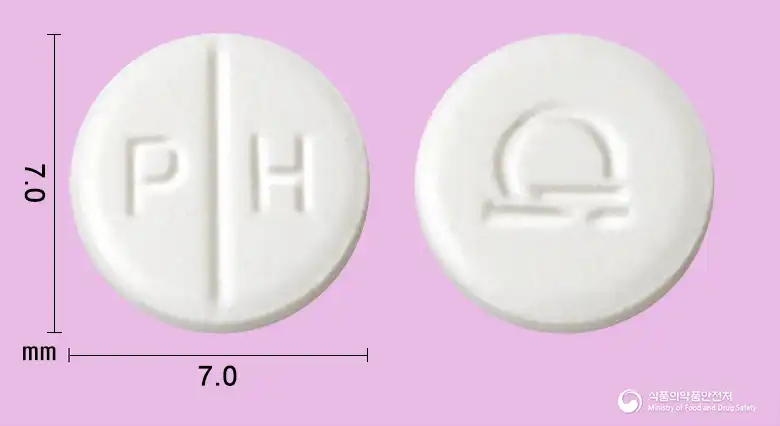
Phendimetrazine Tartrate 35mg
Tablet · Prescription medication
Dae Won Pharmaceutical Co., Ltd.

Phendimetrazine Tartrate 35mg
Tablet · Prescription medication
Korea Pharma Co., Ltd.
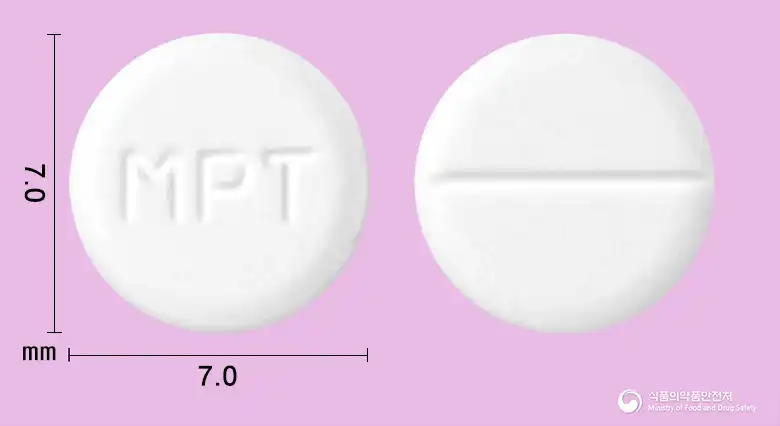
Phendimetrazine Tartrate 35mg
Tablet · Prescription medication
Myeongmun Pharmaceutical Co., Ltd.
Even with the same ingredient, the dose and directions can differ by strength and dosage form. Talk to a doctor or pharmacist before switching from a medication you are already taking.
No questions yet.
For anything that needs medical judgment, consult a doctor or pharmacist.
This drug information is based on data provided by the Korea Ministry of Food and Drug Safety.
Consult a doctor or pharmacist for accurate dosage, administration, and usage instructions.