
 한국어
 English
 日本語
 中文(简体)
Dosage form image
Viewing nowErantan Sustained Release 60 Milligrams (Isosorbide-5-Mononitrate)
Isosorbide-5-Mononitrate 90%
Prescription medication
EriSon Pharmaceutical Co., Ltd.
MFDS item code 200410519 · Notified 2004.08.18
This product's status changed to Approval withdrawn on 2023.06.16. It may no longer be sold, so consult a doctor or pharmacist before taking it.
Treatment of coronary artery disease (such as angina) and adjunctive treatment of congestive heart failure
This medication is used for the treatment of coronary artery disease, including angina pectoris and myocardial infarction, and is also used as an adjunct to cardiac glycosides or diuretics in the treatment of congestive heart failure. In other words, it is a medicine that helps alleviate and treat symptoms related to heart diseases.
Administer 60㎎ (1 tablet) orally once daily in the morning. For angina, the dose may be increased to 120㎎ (2 tablets) in the morning as needed. The initial dose should be 30㎎ for 2~4 days, with the dose adjusted to minimize headache. This medicine may be taken in divided doses, but do not chew or crush it; swallow it whole with a beverage.
This medication should not be used in patients with acute circulatory failure, cardiogenic shock, or severe hypotension. It should also not be administered to patients with myocardial infarction or left ventricular dysfunction, or those allergic to nitrate preparations. It is contraindicated in patients with severe anemia, head trauma, or cerebral hemorrhage. This medication should not be used in patients with significantly reduced blood volume, those with severe cerebrovascular insufficiency, or those experiencing acute angina attacks. Caution should be exercised when administered to patients with certain heart diseases, constrictive pericarditis, or cardiac tamponade. Concurrent use with specific erectile dysfunction medications or soluble guanylate cyclase stimulators should be strictly avoided. It contains lactose and should not be administered to patients with lactose intolerance or certain genetic metabolic disorders. Caution is also advised for patients with closed-angle glaucoma, hypothyroidism, hypothermia, malnutrition, or severe liver and kidney disease. Patients with orthostatic dysregulation, severe cerebral arteriosclerosis, hypotension, or cerebrovascular disease need to be monitored closely. Patients with increased intracranial pressure, aortic stenosis, or mitral stenosis need special caution. Potential side effects due to its vasodilatory effects include headache, dizziness, drowsiness, flushing, skin rash, nausea, vomiting, etc. Abnormal liver function, angioedema, muscle pain, and weakness have been reported, and the risk of side effects may increase with alcohol consumption. Attention should be paid to fainting or heart rate changes due to hypotension, and if symptoms are severe, consultation with a healthcare professional is advised. This medication is not suitable for relieving acute angina attacks and prolonged high-dose use should be avoided due to the potential for tolerance development. Patients should avoid alcohol during treatment and take care when driving or operating machinery. Inform the doctor about concurrent use with other antihypertensives or certain antidepressants or neuroleptics, as it may lead to excessive blood pressure reduction. Pregnant women need to make careful decisions about using this medication as it may affect the fetus, and those breastfeeding should either avoid using it or stop breastfeeding. Safety in children has not been established, so its use is discouraged. In case of overdose, severe hypotension, headache, dizziness, vomiting, syncope, etc., may occur, and immediate medical attention should be sought. This medicine should be kept out of reach of children and stored in its original container to prevent misuse or deterioration of quality.
Not everyone experiences these, and they can vary from person to person.
This medication should be stored in a tightly sealed container to protect it from air and humidity. It is important to maintain storage temperatures between 1°C and 30°C to ensure the medication's effectiveness and safety over time.
White rectangular tablet with 'KU119' engraved on one side and a groove in the center on the other side.
30 tablets/bottle, 100 tablets/bottle
Even with the same ingredient, strength, dosage form and how it is taken can differ.
Isosorbide-5-Mononitrate 90%
Prescription medication
EriSon Pharmaceutical Co., Ltd.
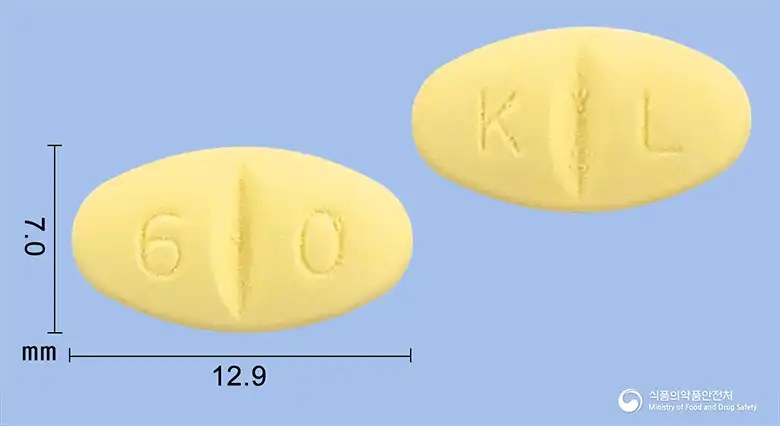
Isosorbide-5-Mononitrate 90% 66.7mg
Tablet · Prescription medication
Kolon Pharmaceutical Co., Ltd.
Even with the same ingredient, the dose and directions can differ by strength and dosage form. Talk to a doctor or pharmacist before switching from a medication you are already taking.
No questions yet.
For anything that needs medical judgment, consult a doctor or pharmacist.
This drug information is based on data provided by the Korea Ministry of Food and Drug Safety.
Consult a doctor or pharmacist for accurate dosage, administration, and usage instructions.