
 한국어
 English
 日本語
 中文(简体)
Dosage form image
Viewing nowSandoz Carvedilol Tablets 25 mg
Carvedilol
Prescription medication
Korea Sandoz Co., Ltd.
MFDS item code 200410511 · Notified 2004.10.21
This product's status changed to Approval withdrawn on 2023.06.29. It may no longer be sold, so consult a doctor or pharmacist before taking it.
Treatment of essential hypertension and chronic stable angina
This medication is primarily used for essential hypertension and stable chronic angina. Therefore, it helps to control blood pressure and reduce the burden on the heart, alleviating symptoms.
Do not increase the dose or stop taking this medicine without your doctor's instructions. Essential hypertension For the first 2 days, take carvedilol 12.5 mg orally once daily, then take 25 mg orally once daily. The usual dose is 25 mg orally once daily for 2 weeks. If an increase is needed, increase to 25 mg twice daily. The maximum dose per administration is 25 mg, and the maximum daily dose is 50 mg. For some older adults, 12.5 mg once daily may be sufficient. However, if the effect is inadequate after 2 weeks of treatment, the dose may be increased. Chronic stable angina For the first 2 days, take 12.5 mg of this product orally twice daily, then take 25 mg orally twice daily. The usual dose is 25 mg twice daily for 2 weeks. If an increase is needed (excluding older adults), the dose may be increased to 50 mg twice daily.
This medication should not be used in certain patients. For example, those with an allergy to this medication or its ingredients, patients in cardiogenic shock, patients with severe heart conduction abnormalities, patients with cor pulmonale, patients with diabetic ketoacidosis, patients with severely compromised heart function, and patients with asthma or chronic obstructive pulmonary disease may experience exacerbation of symptoms from this medication. Additionally, it is safe not to administer this medication to pregnant or breastfeeding women because adverse effects may occur in the fetus or newborn. This medication should be used with caution in patients with diabetes, a history of severe allergies, hypotension, impaired kidney function, and the elderly. Regular monitoring of blood pressure and heart function is necessary, and any emergence of side effects should be immediately discussed with healthcare professionals. Do not suddenly discontinue this medication. Sudden cessation may worsen cardiac disease symptoms, so the dosage should be gradually reduced according to a doctor's instructions. While on this medication, symptoms such as dizziness and drowsiness may occur, so caution is needed when driving or operating hazardous machinery. Additionally, there may be interactions with other medications, so if currently taking other drugs, it is essential to inform healthcare professionals. In case of overdose, heart rate may slow down or blood pressure may drop sharply; in severe cases, shock or respiratory distress may occur, necessitating an immediate visit to the hospital. This medication may discolor when exposed to light, so it should be stored in an opaque container and kept out of reach of children.
Not everyone experiences these, and they can vary from person to person.
This medication may be sensitive to light, so it should be stored in a light-protected container. Additionally, when storing the medication, it is important to maintain a room temperature between 1 and 30 degrees Celsius. This helps to safely preserve the medication's efficacy.
White or nearly white, round tablets with a score line on one side and engraved with C4 on the other side.
30 tablets/PTP (10 tablets/PTP x3)
Even with the same ingredient, strength, dosage form and how it is taken can differ.
Carvedilol
Prescription medication
Korea Sandoz Co., Ltd.
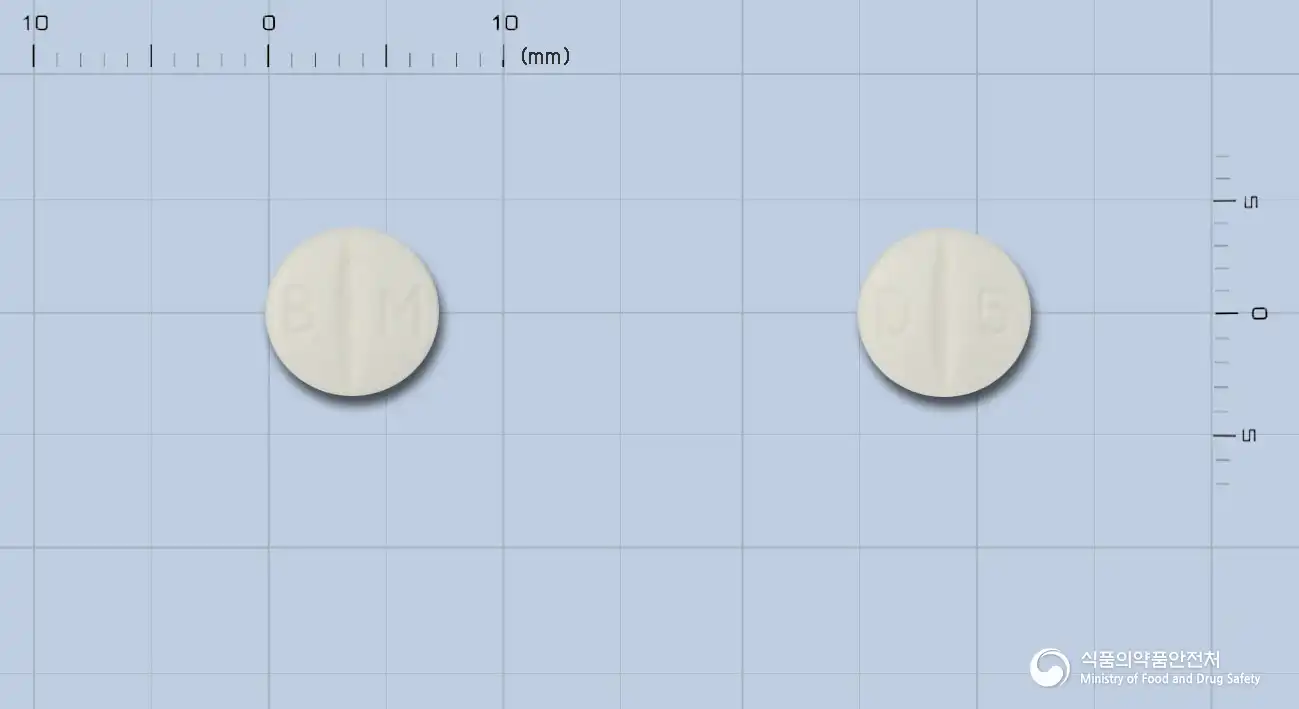
Carvedilol 25mg
Tablet · Prescription medication
Jongkun Dang Co., Ltd.
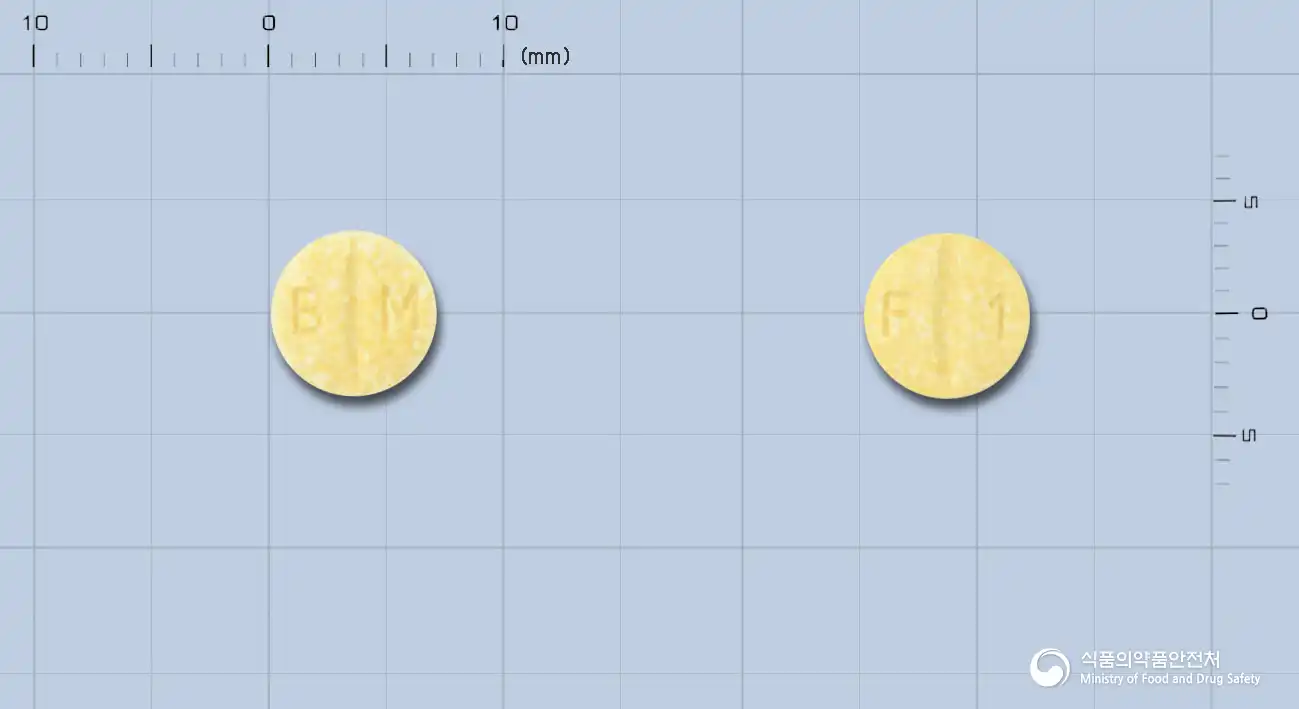
Carvedilol 6.25mg
Tablet · Prescription medication
Jongkundang Co., Ltd.
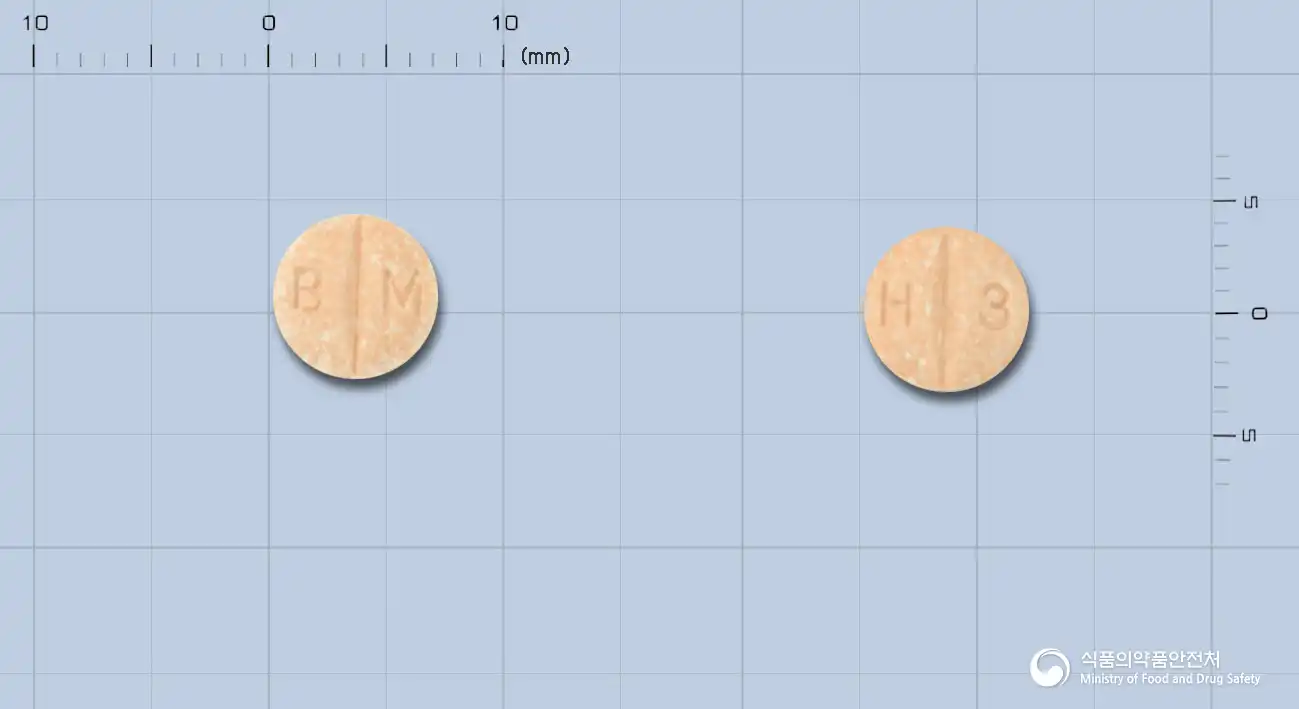
Carvedilol 12.5mg
Tablet · Prescription medication
Jongkundang Co., Ltd.
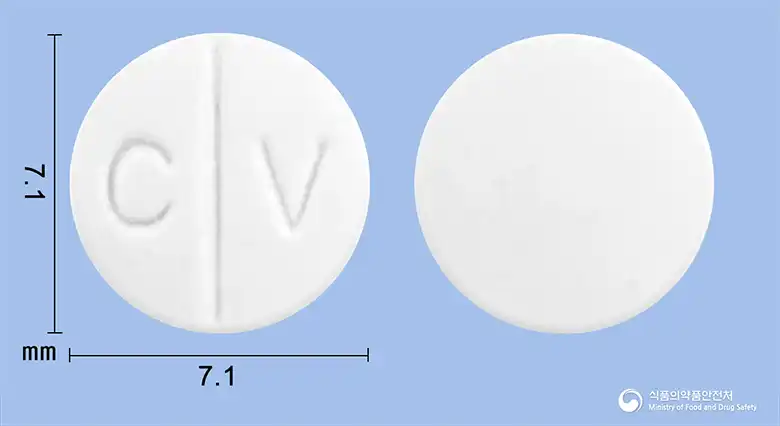
Carvedilol 25mg
Tablet · Prescription medication
Hanmi Pharmaceutical Co., Ltd.
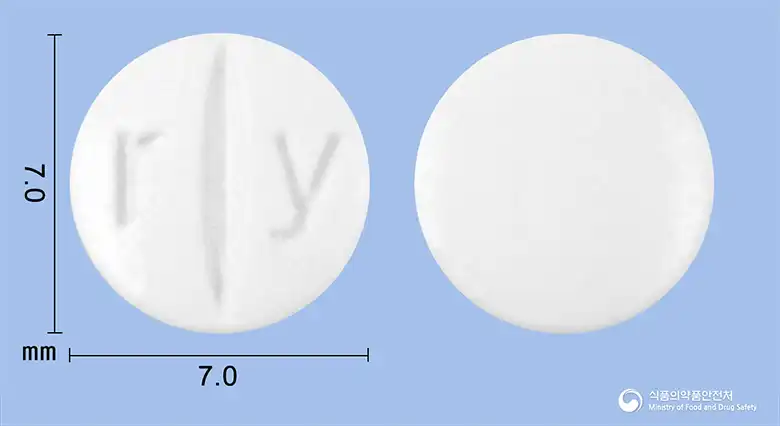
Carvedilol 25mg
Tablet · Prescription medication
Lee Yeon Pharmaceuticals Co., Ltd.
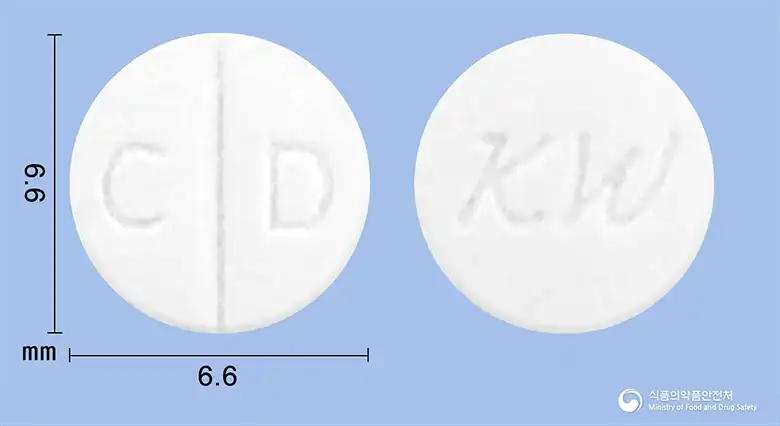
Carvedilol 25mg
Tablet · Prescription medication
Albozen Korea Co., Ltd.
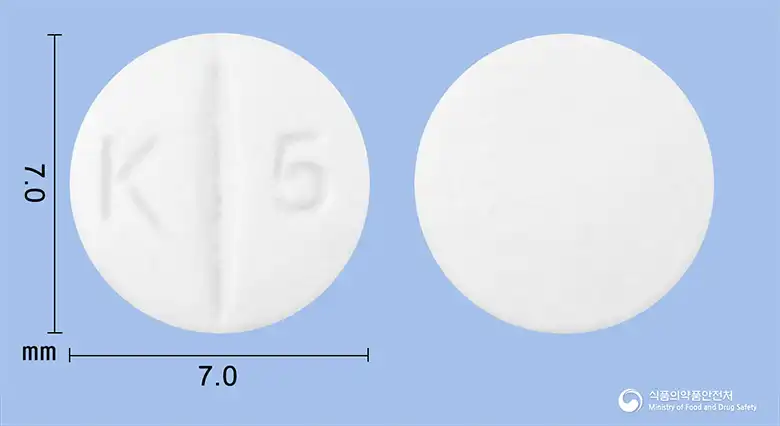
Carvedilol 25mg
Tablet · Prescription medication
Myungin Pharmaceutical Co., Ltd.
Even with the same ingredient, the dose and directions can differ by strength and dosage form. Talk to a doctor or pharmacist before switching from a medication you are already taking.
No questions yet.
For anything that needs medical judgment, consult a doctor or pharmacist.
This drug information is based on data provided by the Korea Ministry of Food and Drug Safety.
Consult a doctor or pharmacist for accurate dosage, administration, and usage instructions.