
 한국어
 English
 日本語
 中文(简体)
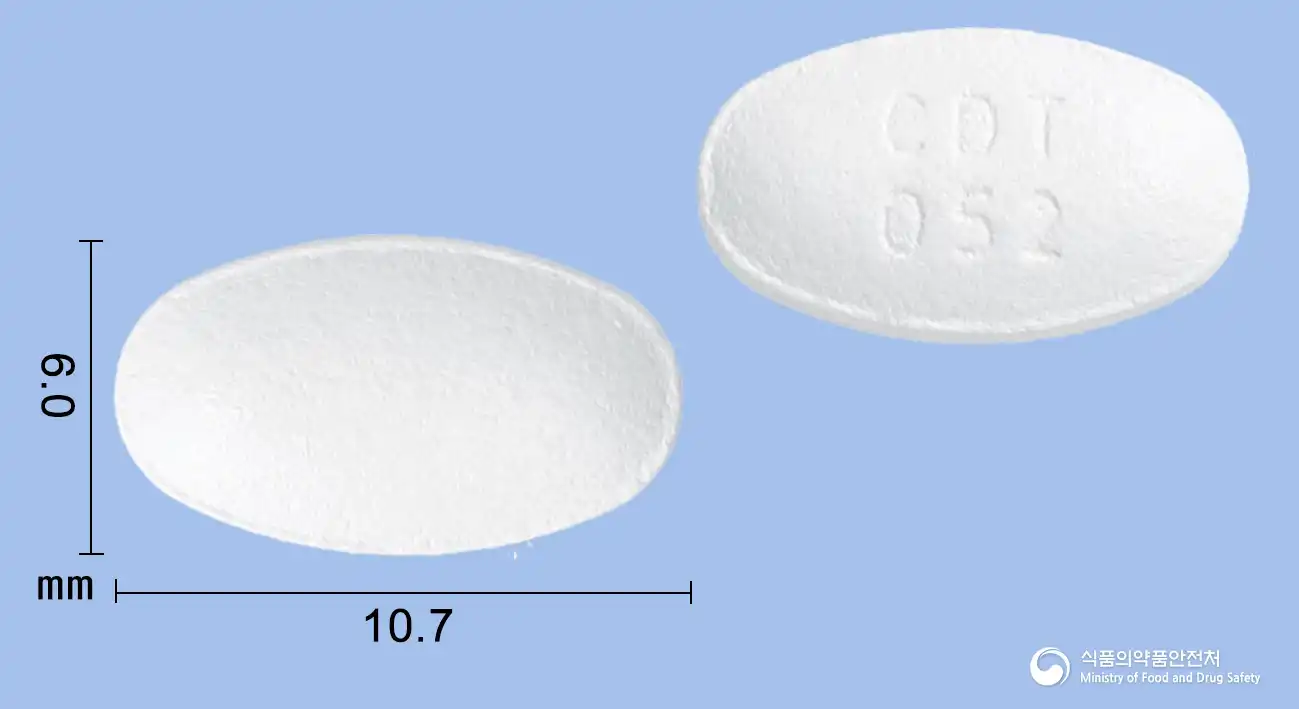 Viewing nowCombination
Caduet Tablets 5mg/20mg (Amlodipine Besilate, Atorvastatin Calcium Trihydrate)
Atorvastatin Calcium Trihydrate 21.7mg · Amlodipine Besylate 6.94mg
Tablet · Prescription medication · Combination
Viatrise Korea Co., Ltd.
MFDS item code 200410088 · Notified 2004.11.23 · Insurance code 073400180
Treatment of hypertension and dyslipidemia, relief of angina, and prevention of cardiovascular disease
This medication is used for patients who need to take both amlodipine (escalopidine) and atorvastatin. Amlodipine improves the symptoms of heart ischemia caused by hypertension and coronary artery problems, and it reduces the risk of hospitalization and the risk of vascular reconstruction due to coronary artery disease. Atorvastatin reduces the risk of various cardiovascular diseases such as myocardial infarction, stroke, and angina, and it is helpful in the treatment of hypercholesterolemia and dyslipidemia. It is particularly effective for adults with diabetes or cardiovascular risk factors. The combination of these two medications is used to overall improve cardiovascular health and reduce the risk of complications.
This medication is for use in adults only. The dose should be individualized for each patient based on the effects and tolerability of each component, amlodipine/atorvastatin. Amlodipine (S-amlodipine) Adults: Administer 5(2.5) mg of amlodipine (S-amlodipine) orally once daily. The dose may be increased to a maximum of 10(5) mg once daily according to the patient's response. Adjust the dose as appropriate according to symptoms. Atorvastatin Patients receiving atorvastatin before and during treatment should follow a standard cholesterol-lowering diet. This medication may be taken at any time of day, with or without food. 1. Patients with primary hypercholesterolemia (heterozygous familial and nonfamilial) and combined (mixed) dyslipidemia (Fredrickson Type Ⅱa and Ⅱb) The recommended initial dose of this medication is 10 mg once daily. For patients requiring a greater reduction in LDL cholesterol, treatment may be initiated at 20 mg or 40 mg once daily (only for patients requiring an LDL cholesterol reduction of 45 % or more). This medication is administered in a dose range of 10 mg ∼ 80 mg once daily and may be taken at any time of day, with or without food. The initial and maintenance doses of this medication should be individualized according to the patient's characteristics, taking into account the treatment goal and response. Lipid levels should be analyzed within 2 ∼ 4 weeks after starting treatment and/or adjusting the dose, and the dose should be adjusted accordingly. 2. Patients with homozygous familial hypercholesterolemia This medication is administered at a dose of 10 mg ∼ 80 mg once daily, in combination with other lipid-lowering therapies (e.g., LDL apheresis), or when such lipid-lowering therapies are not available. 3. Patients with renal failure Renal disease does not affect the plasma concentration of atorvastatin or its LDL cholesterol-lowering effect; therefore, no dosage adjustment is necessary. 4. Older adults The efficacy and safety in older adults aged 70 years or older are generally similar to those in the general adult patient population.
This drug should not be used in certain patients. For example, patients who have an allergy to this drug or similar medications, those with severely impaired liver function, pregnant or potentially pregnant women, nursing mothers, patients with muscle diseases, patients with serious problems with heart valves, patients in shock, patients within one month post-myocardial infarction, patients with unstable angina, or those taking certain antiviral medications should not take this drug. Additionally, patients with severely impaired kidney function, elderly individuals, those with a history of alcohol abuse or liver disease, patients at risk of muscle injury, patients with acute heart failure, hypertensive crisis patients, patients with mild liver function impairment, and those with severe myasthenia should be particularly cautious when taking this drug. This medication is primarily used to lower blood pressure and regulate blood cholesterol, and most patients experience mild or moderate side effects. However, symptoms such as flushing, fatigue, swelling, palpitations, dizziness, headaches, and nausea may occasionally occur. Rarely, muscle pain, liver function abnormalities, skin rash, and allergic reactions may occur, so if any symptoms arise, consult a doctor immediately. Pregnant or potentially pregnant women should not take this medication, and if pregnancy is confirmed during treatment, it should be stopped immediately. Nursing mothers are also advised not to take this medication. This drug may interact with several other medications, so if you are taking other medicines, be sure to inform your doctor or pharmacist. Caution is especially needed when taken with certain antibiotics, antifungals, immunosuppressants, and antiviral drugs. In case of overdose, severe hypotension, changes in heart rate, or shock may occur, necessitating immediate emergency treatment. The safety and efficacy of this drug have not been sufficiently confirmed in children or the elderly, so patients in these age groups should take it according to their doctor's instructions. Finally, this drug should be kept out of reach of children, and it is advisable not to transfer it to other containers.
Flushing, fatigue, swelling, palpitations, dizziness, headache, drowsiness, abdominal pain, nausea, weakness, lethargy, pain, weight gain, weight loss, hypotension, vasculitis, muscle tension, sensory loss, dysesthesia, peripheral neuropathy, syncope, dysgeusia, tremor, extrapyramidal disorder, erectile dysfunction, gynecomastia, change in bowel habits, dry mouth, dyspepsia, gastritis, gingival hyperplasia, gum hypertrophy, pancreatitis, vomiting, hyperglycemia, joint pain, back pain, muscle cramps, myalgia, leukopenia, thrombocytopenia, insomnia, mood changes, cough, shortness of breath, rhinitis, hair loss, sweating, purpura, skin discoloration, urticaria, toxic epidermal necrolysis, tinnitus, visual impairment, increased urinary frequency, urinary disorders, nocturia, hepatitis, jaundice, elevated liver enzyme levels, pruritus, rash, angioedema, polymorphous erythema, myocardial infarction, arrhythmia, chest pain, hypotension, atrioventricular block, abdominal discomfort, precordial pain, diarrhea, loose stools, constipation, skin flushing, maculopapular rash, heaviness, warmth, impaired glucose tolerance, weakness, fatigue, nasopharyngitis, hyperglycemia, dyspepsia, abdominal distension, constipation, diarrhea, abdominal pain, pharyngodynia, nosebleed, headache, insomnia, myalgia, joint pain, limb pain, musculoskeletal pain, muscle spasm, joint swelling, abnormal liver function tests, increased serum CK, nightmares, blurred vision, tinnitus, vomiting, abdominal discomfort, hepatitis, pancreatitis, cholestasis, cholestatic jaundice, abnormal liver function tests, gastroenteritis, enteritis, dry mouth, rectal bleeding, esophagitis, belching, glossitis, oral ulcers, stomatitis, gallbladder pain, cheilitis, gastric and duodenal ulcers, dysphagia, melena, gingival bleeding, urgency, bronchitis, rhinitis, pneumonia, asthma, epistaxis, dysesthesia, peripheral neuropathy, dizziness, photophobia, drowsiness, forgetfulness, abnormal dreams, decreased libido, emotional instability, ataxia, torticollis, facial paralysis, hyperactivity, depression, tension, muscle cramps, muscle fatigue, myositis, muscle diseases, arthritis, bursitis, tenosynovitis, myasthenia gravis, neck pain, tendon rupture, immune-mediated necrotizing myopathy, back pain, myositis, muscle rupture, lupus-like syndrome, sensory loss, dysgeusia, amnesia, dizziness, pancreatitis, vesicular rash, erythema multiforme, mucocutaneous syndrome, angioedema, peripheral edema, weight gain, allergic reactions, anaphylaxis, excessive peripheral vasodilation, reflex tachycardia, systemic hypotension, shock state, non-cardiogenic pulmonary edema, late-onset pulmonary edema, single episode of tonic clonic seizure, intracerebral hemorrhage, optic nerve atrophy, perivascular hemorrhage, edema, infiltration of mononuclear cells in the perivascular space
Not everyone experiences these, and they can vary from person to person.
This drug should be stored at room temperature between 15°C to 30°C, and it is important to keep it in a sealed container to prevent air from entering. Proper storage will help maintain the drug's effectiveness and prevent deterioration.
White oval film-coated tablet
30 tablets/bottle
Even with the same ingredient, strength, dosage form and how it is taken can differ.
Viewing nowCombinationAtorvastatin Calcium Trihydrate 21.7mg · Amlodipine Besylate 6.94mg
Tablet · Prescription medication · Combination
Viatrise Korea Co., Ltd.
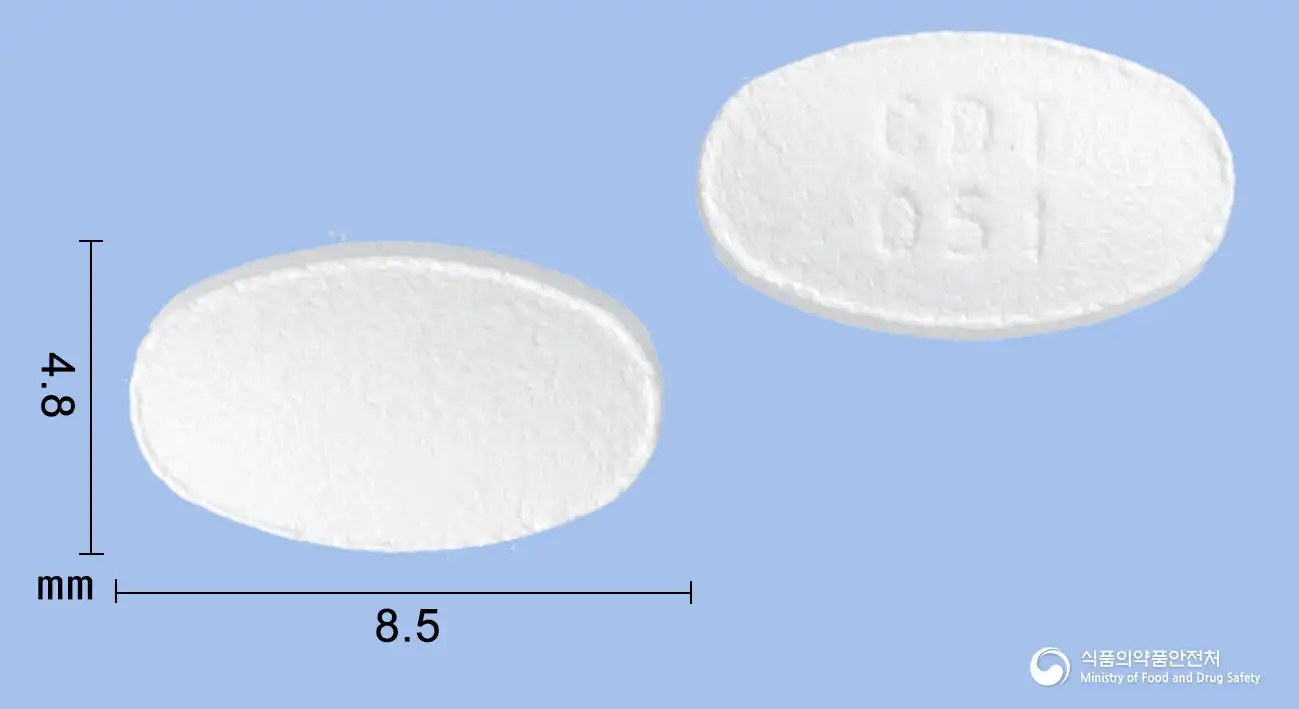 Combination
Atorvastatin Calcium Trihydrate 10.85mg · Amlodipine Besylate 6.94mg
Tablet · Prescription medication · Combination
Viatriss Korea Co., Ltd.
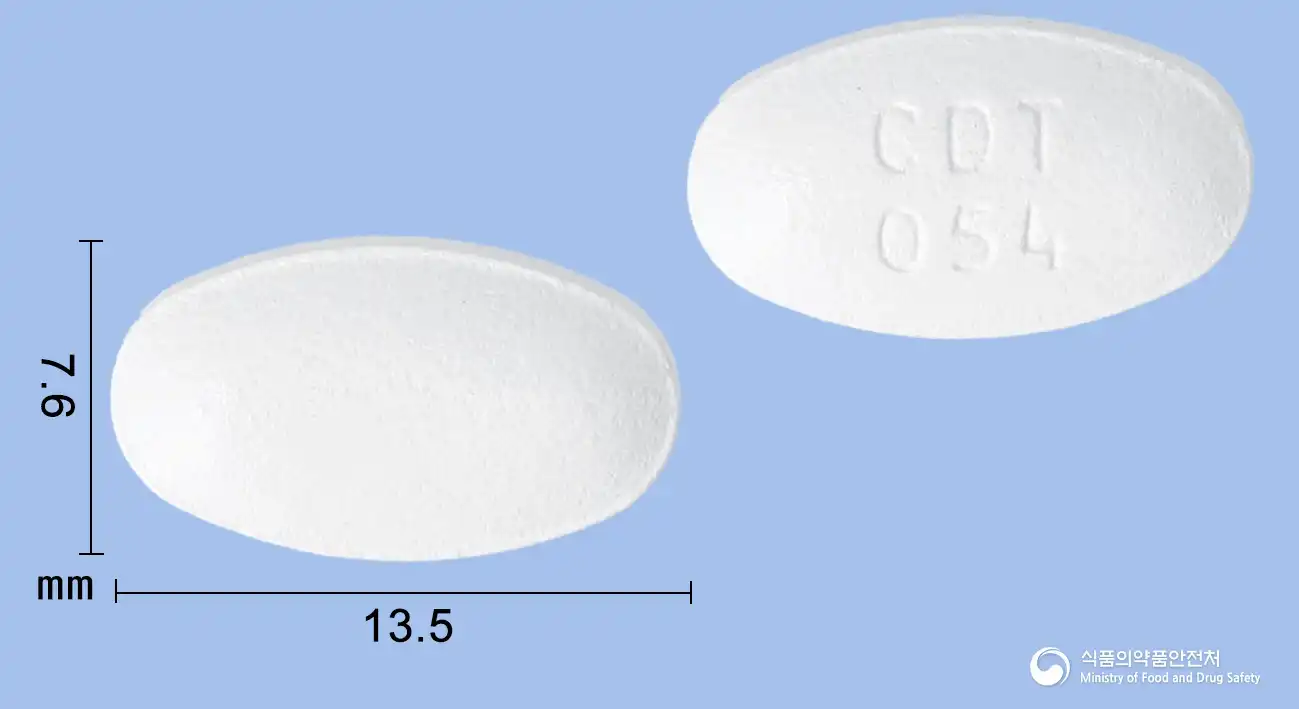 Combination
Atorvastatin Calcium Trihydrate 43.4mg · Amlodipine Besylate 6.94mg
Tablet · Prescription medication · Combination
Viatris Korea Co., Ltd.
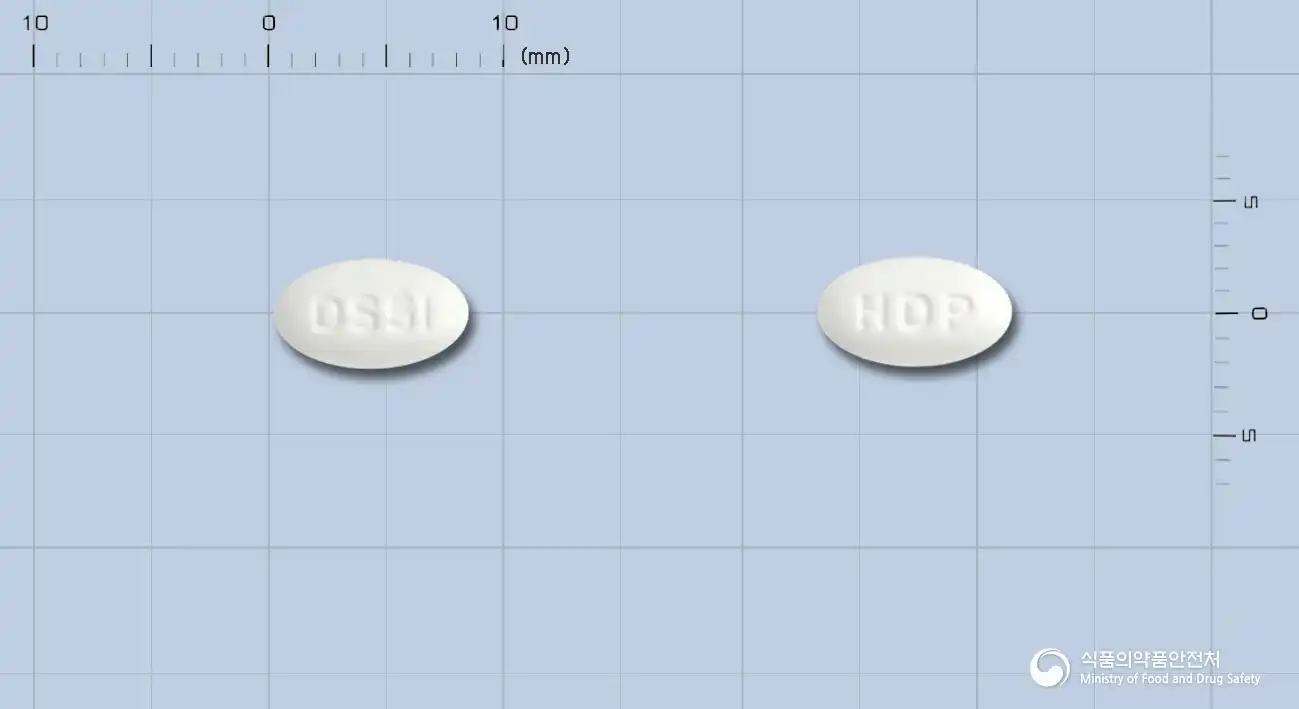 Combination
Atorvastatin Calcium Hydrate 10.85mg · Amlodipine Besylate 6.94mg
Tablet · Prescription medication · Combination
Hyundai Pharmaceutical Co., Ltd.
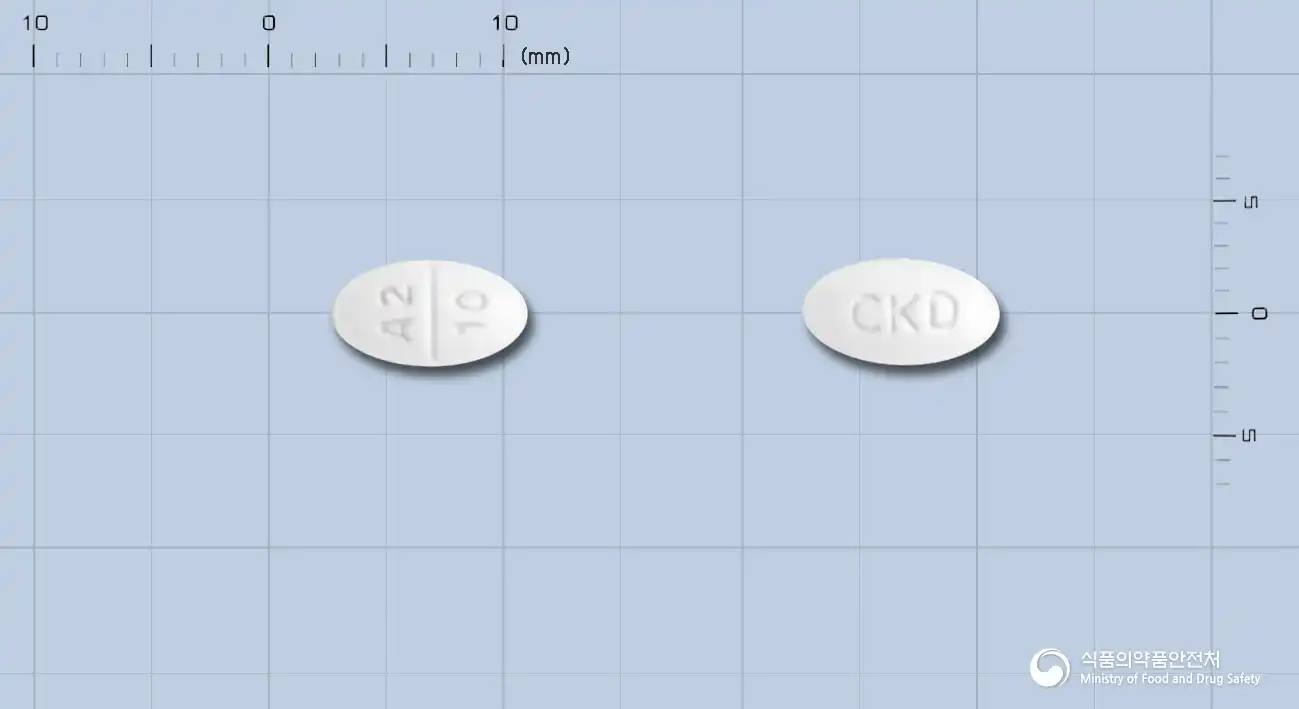 Combination
Amlodipine Besylate 6.94mg · Atorvastatin Calcium Trihydrate 10.36mg
Tablet · Prescription medication · Combination
Jongkundang Co., Ltd.
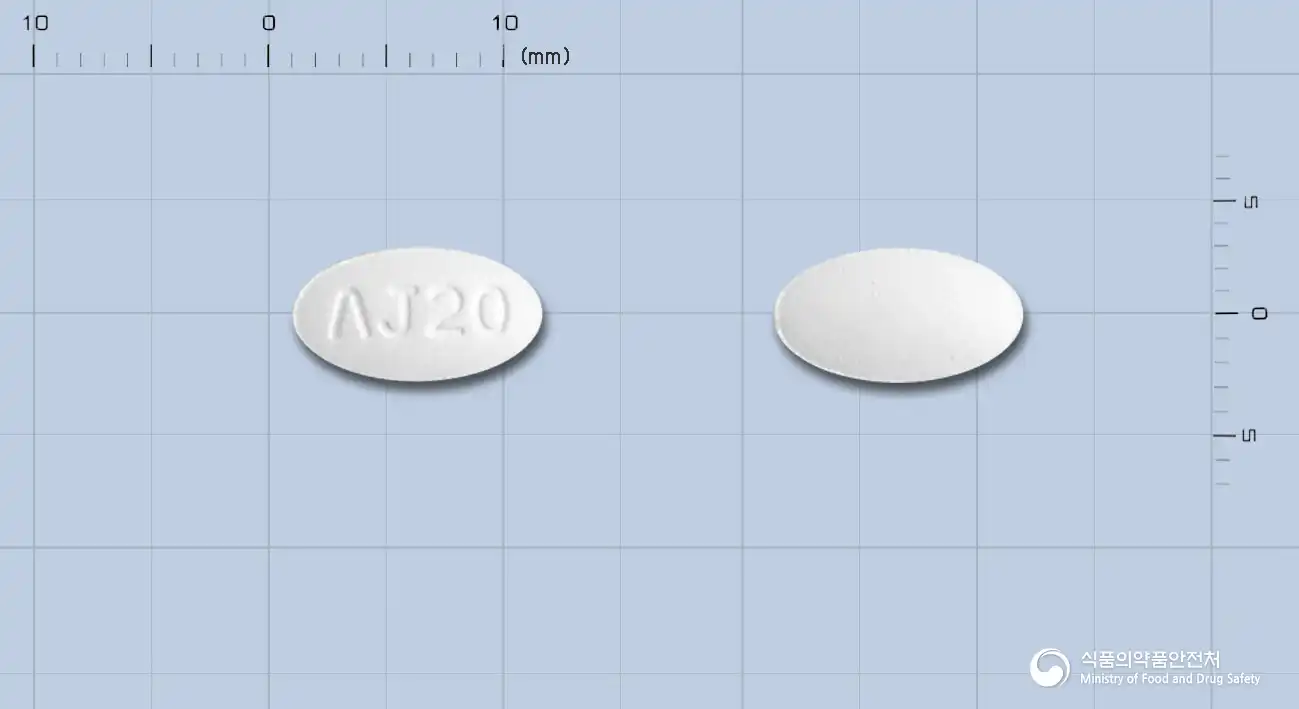 Combination
Atorvastatin Calcium 20.72mg · Amlodipine Besylate 6.94mg
Tablet · Prescription medication · Combination
Aju Pharmaceuticals Co., Ltd.
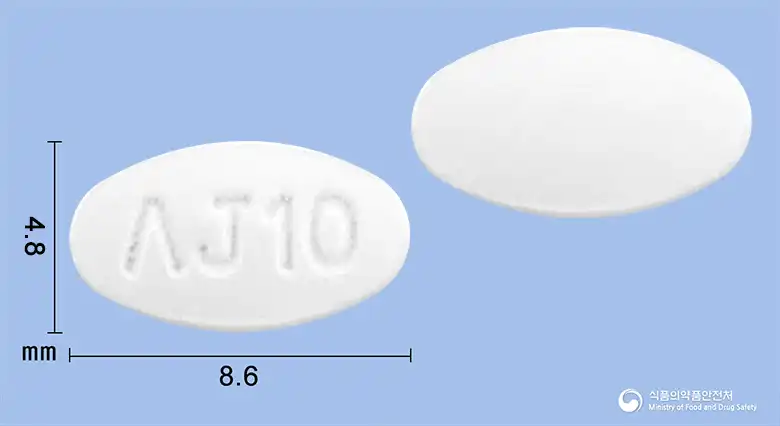 Combination
Atorvastatin Calcium 10.36mg · Amlodipine Besylate 6.94mg
Tablet · Prescription medication · Combination
Aju Pharmaceuticals Co., Ltd.
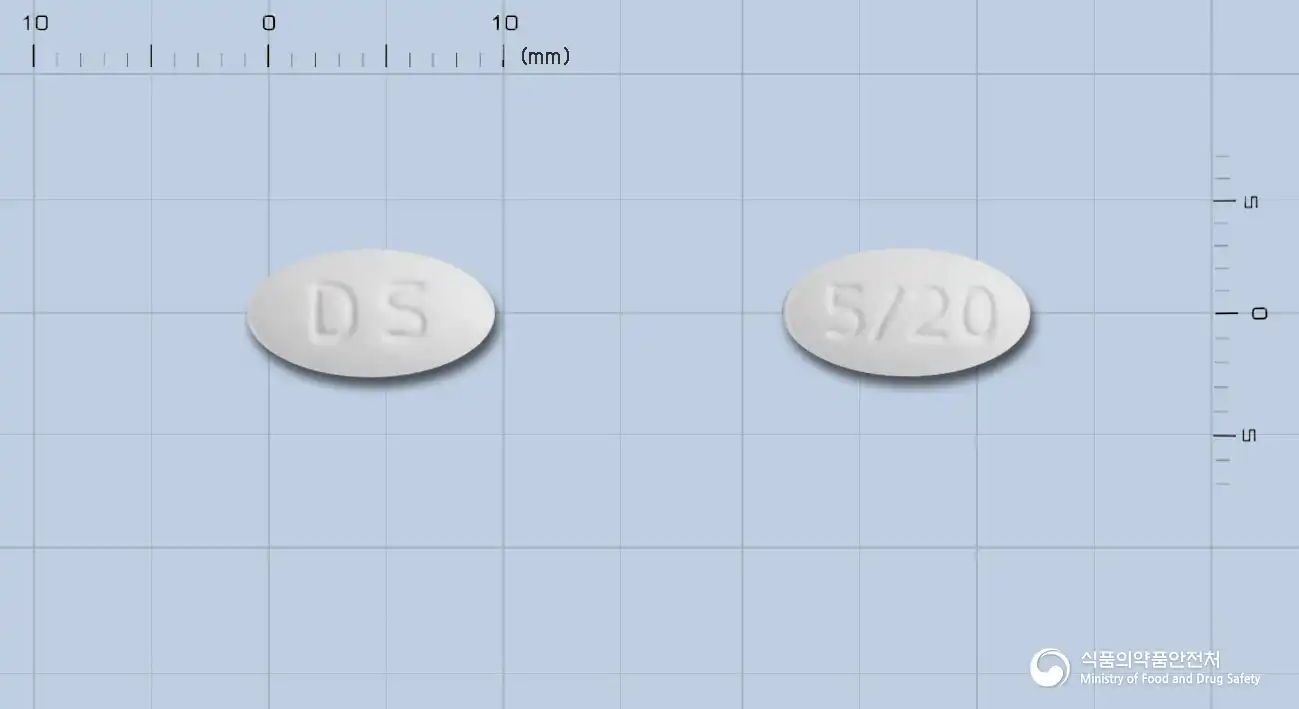 Combination
Atorvastatin Calcium 20.72mg · Amlodipine Besylate 6.94mg
Tablet · Prescription medication · Combination
Dong Sung Pharmaceutical Co., Ltd.
Even with the same ingredient, the dose and directions can differ by strength and dosage form. Talk to a doctor or pharmacist before switching from a medication you are already taking.
No questions yet.
For anything that needs medical judgment, consult a doctor or pharmacist.
This drug information is based on data provided by the Korea Ministry of Food and Drug Safety.
Consult a doctor or pharmacist for accurate dosage, administration, and usage instructions.