
 한국어
한국어 English
 日本語
日本語 中文(简体)
 Viewing now
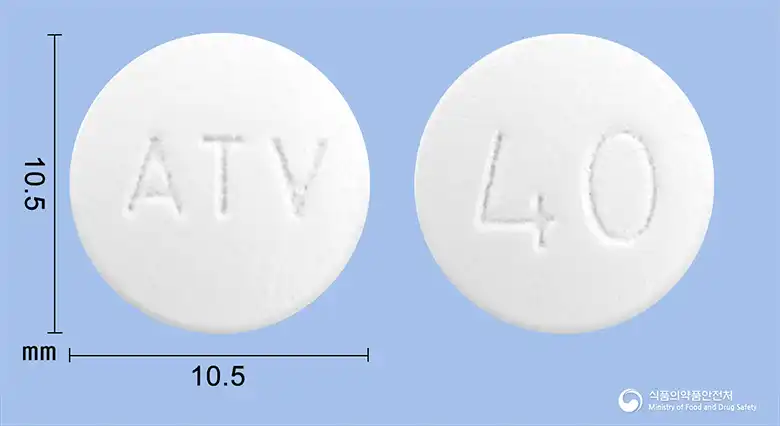
Lipitor 40 mg (Atorvastatin Calcium Trihydrate)
Atorvastatin Calcium Trihydrate 43.4mg
Tablet · Prescription medication
Viatris Korea Co., Ltd.
MFDS item code 200410086 · Approved 2004.10.25 · Insurance code 073400350
Reduction of the risk of myocardial infarction and stroke, and improvement of hyperlipidemia
This medication is effective in reducing the risk of cardiovascular diseases. Specifically, it decreases the risk of myocardial infarction and stroke in adults with risk factors for coronary heart disease and in patients with type 2 diabetes, as well as lowering the risks associated with vascular surgeries and angina. Furthermore, it helps reduce the risk of congestive heart failure admissions and angina episodes in patients at risk of myocardial infarction and stroke. It is also used to treat hyperlipidemia, contributing to the reduction of total cholesterol and bad LDL cholesterol, while increasing good HDL cholesterol levels. It is particularly used as an adjunct to dietary therapy in patients with hypercholesterolemia and dyslipidemia, and can be combined with other lipid-lowering agents to enhance effectiveness when treatment is difficult. This medication is used to improve cardiovascular health and control hyperlipidemia.
The recommended initial dosage for the treatment of hyperlipidemia is 10 mg of atorvastatin once a day, and for patients requiring more LDL-cholesterol reduction, it can be started at 20 mg or 40 mg once a day. The dosage range is once a day from 10 to 80 mg. The initial and maintenance dosages should be individualized based on the patient's treatment goals and responses, with lipid levels evaluated and dosages adjusted after 2 to 4 weeks.
This medication may cause muscle problems, so notify your doctor immediately if you experience muscle pain or weakness. As this medication can affect liver function, it should be avoided or used with caution in patients with liver disease or elevated liver function test results. Pregnant or breastfeeding women should not take this medication, and women of childbearing age should ensure appropriate contraception while taking it. This medication is not to be administered to children, especially those under the age of 10. This medication may interact with other drugs, so inform your doctor or pharmacist of any medications you are taking. Patients with a history of alcohol abuse or liver disease should use this medication cautiously, and elderly patients are also at higher risk for muscle problems, requiring careful monitoring. Regular liver function tests and blood tests should be performed while taking this medication, and consult your medical personnel immediately if any abnormal symptoms occur. Excessive consumption of grapefruit juice should be avoided as it may increase the blood concentration of this medication. There is a risk of serious muscle disorders such as myopathy and rhabdomyolysis, so notify medical personnel immediately if symptoms such as muscle pain, weakness, or fever occur. This medication contains lactose, so patients with lactose intolerance should not take it. During treatment, sudden skin rashes or allergic reactions may occur, so if these symptoms develop, discontinue use immediately and inform medical personnel.
Hives, severe swelling (edema), chest tightness, difficulty breathing, cold sweat, paleness, anaphylaxis, angioedema, erythema multiforme, Stevens-Johnson syndrome, toxic epidermal necrolysis, severe rash with fever, blisters, skin peeling, pain in mucous membranes of the mouth/eyes, shortness of breath or difficulty breathing, asthma attack, breathing abnormalities accompanied by cough and fever, yellowing of the skin or eyes (jaundice), extreme lethargy
Not everyone experiences these, and they can vary from person to person.
This medication should be kept in a tightly sealed container to protect it from air and moisture, and it should be stored away from direct sunlight at normal room temperature.
White round film-coated tablet
28 tablets / PTP [(7 tablets / PTP packaging * 4)]
Even with the same ingredient, strength, dosage form and how it is taken can differ.
Viewing nowAtorvastatin Calcium Trihydrate 43.4mg
Tablet · Prescription medication
Viatris Korea Co., Ltd.
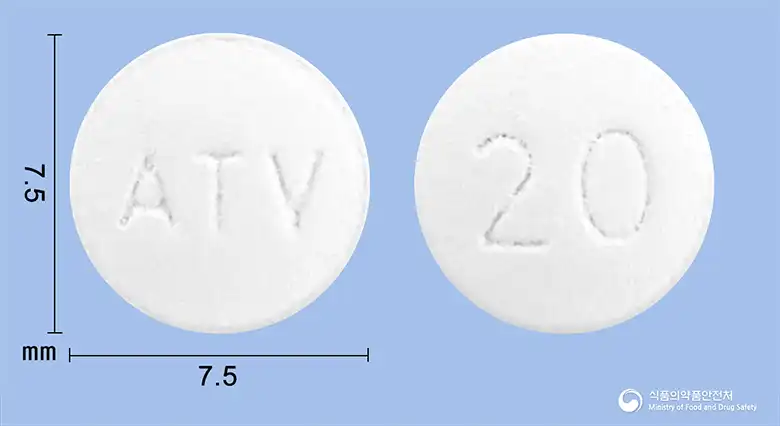
Atorvastatin Calcium Trihydrate 21.7mg
Tablet · Prescription medication
Viatris Korea Co., Ltd.
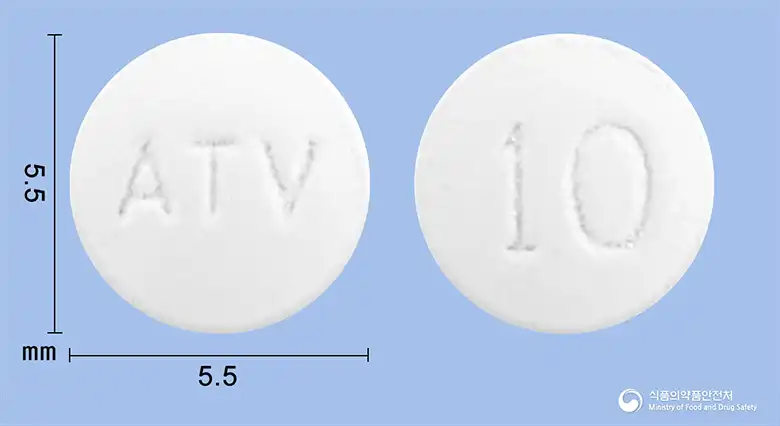
Atorvastatin Calcium Trihydrate 10.85mg
Tablet · Prescription medication
Viatris Korea Co., Ltd.
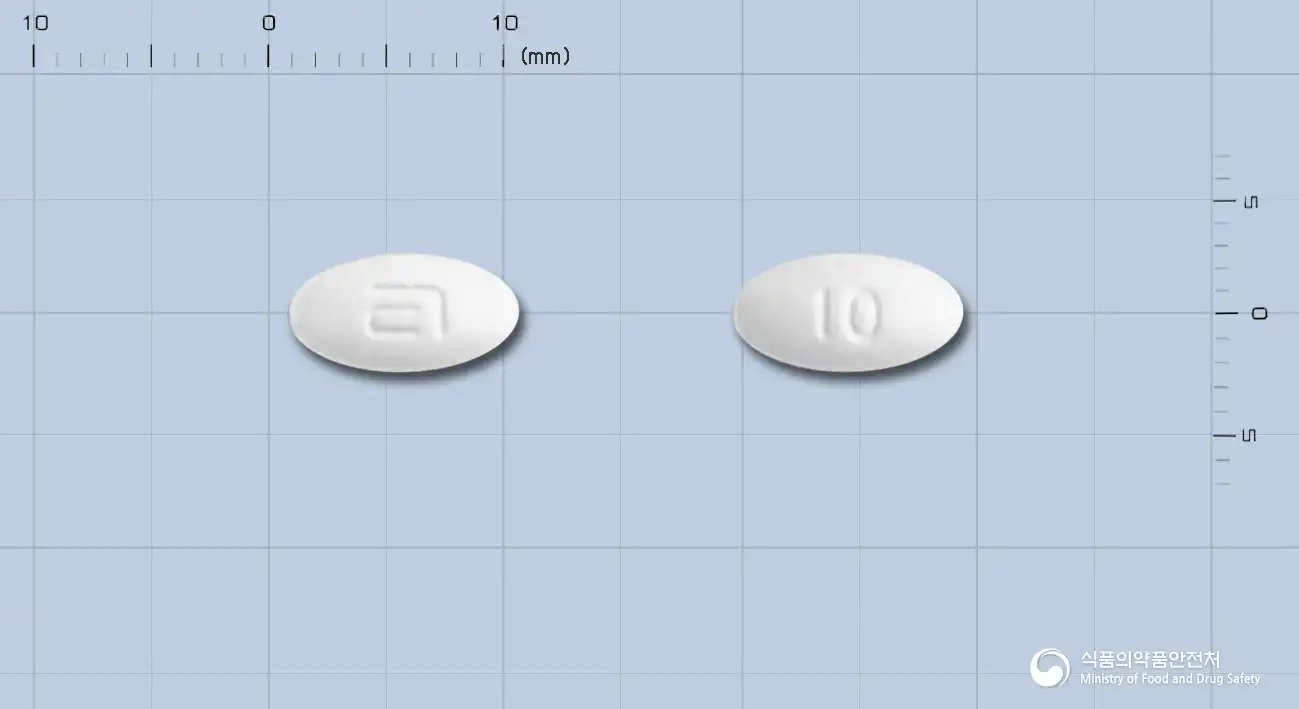
Atorvastatin Calcium Trihydrate 10.85mg
Tablet · Prescription medication
Kyungdong Pharmaceutical Co., Ltd.
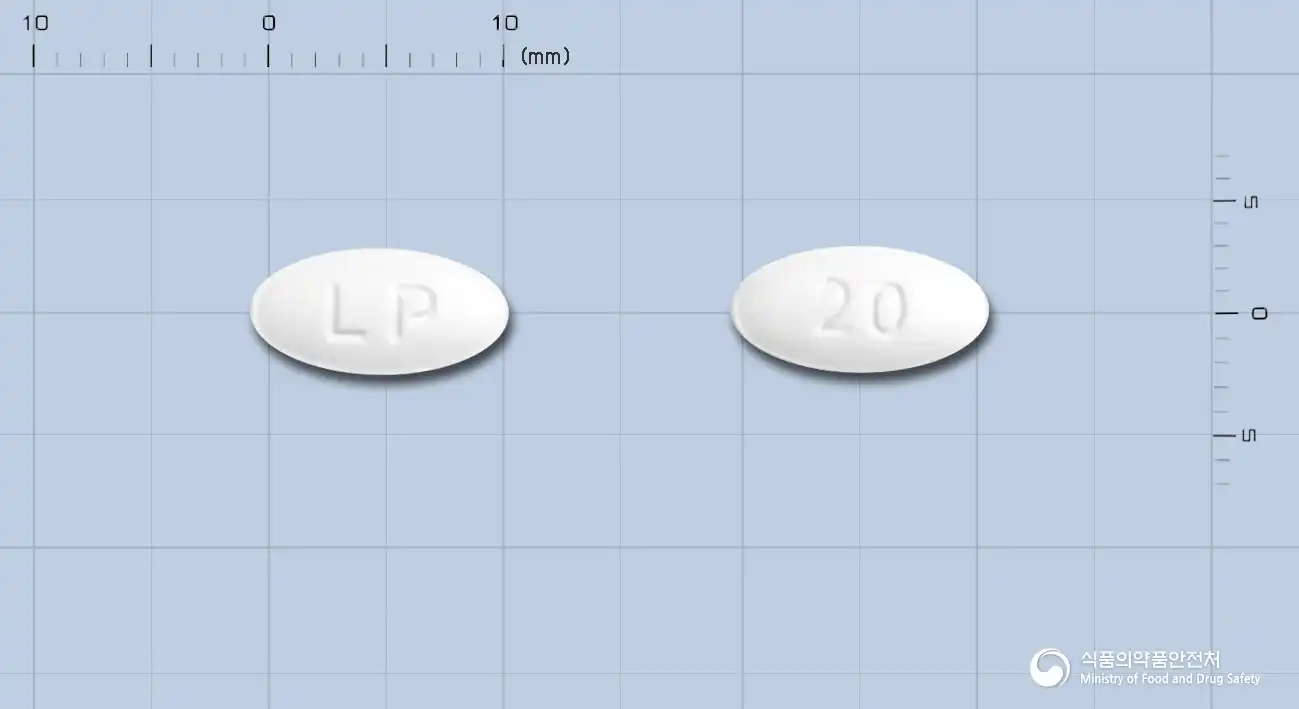
Atorvastatin Calcium Trihydrate 21.69mg
Tablet · Prescription medication
Shinil Pharmaceutical Co., Ltd.
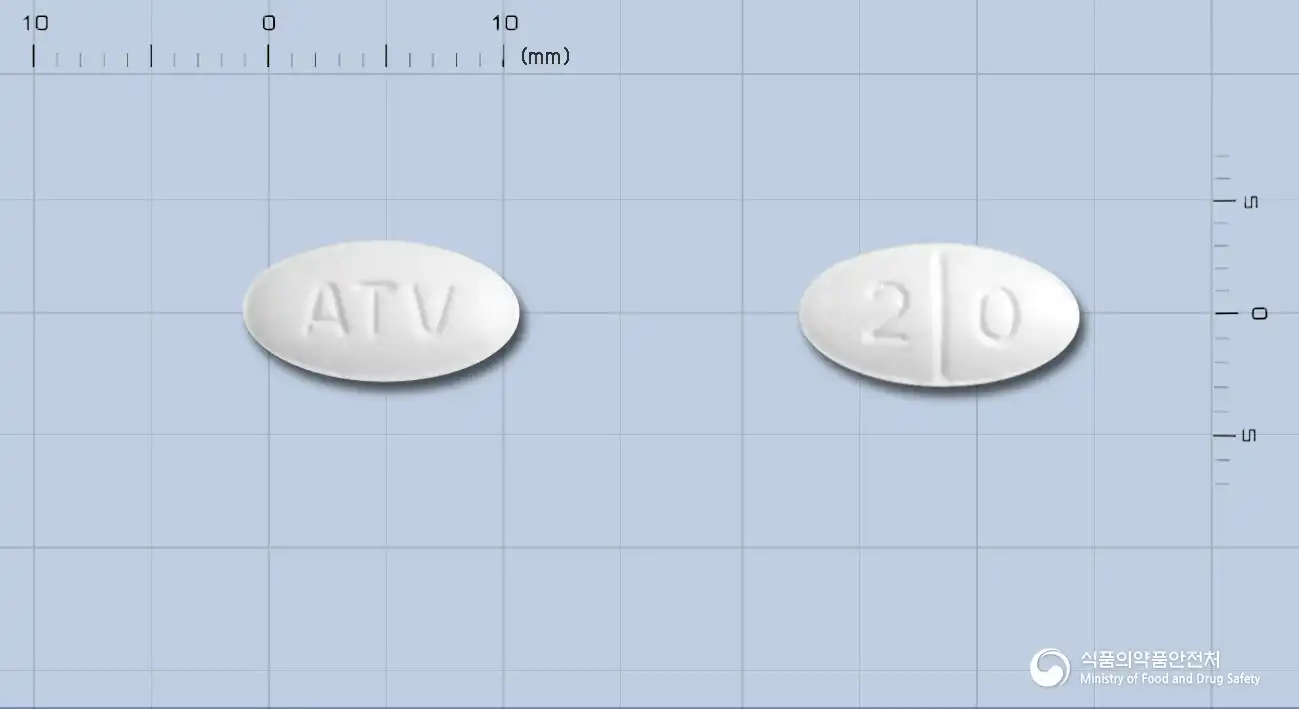
Atorvastatin Calcium Trihydrate 21.69mg
Tablet · Prescription medication
Daewon Pharmaceutical Co., Ltd.
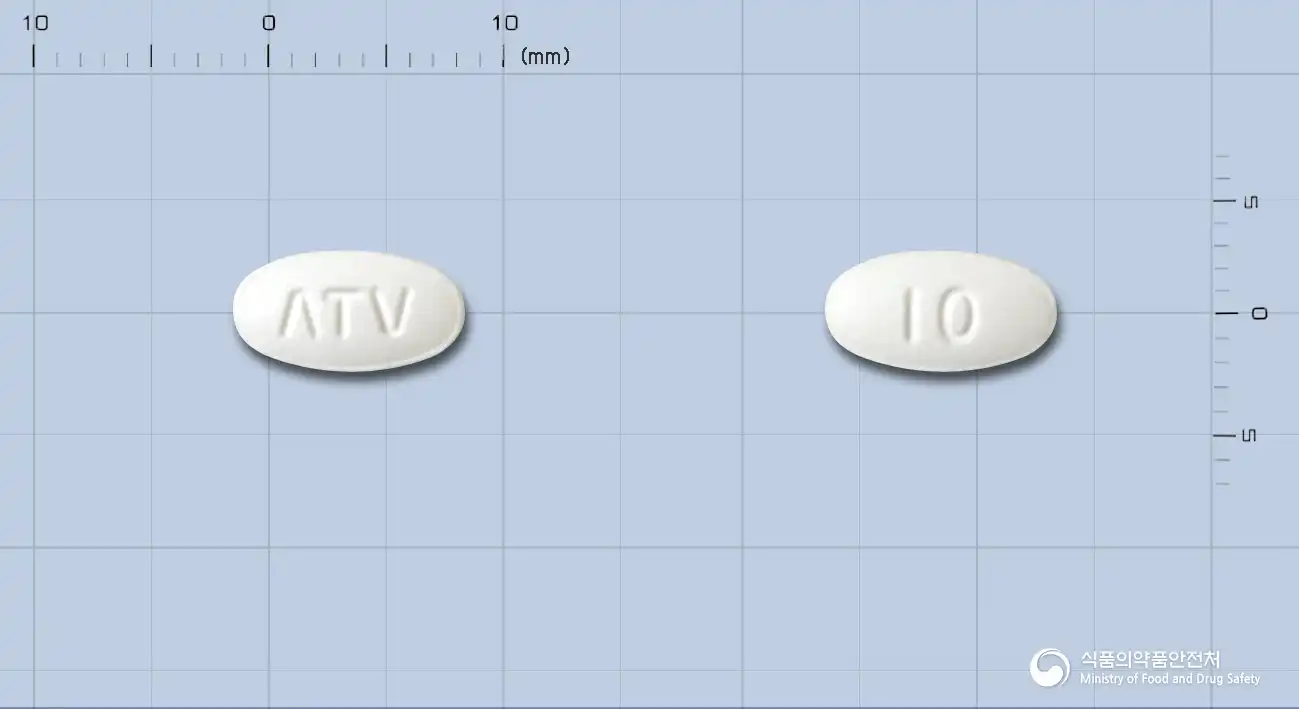
Atorvastatin Calcium Trihydrate 10.845mg
Tablet · Prescription medication
Daewon Pharmaceutical Co., Ltd.
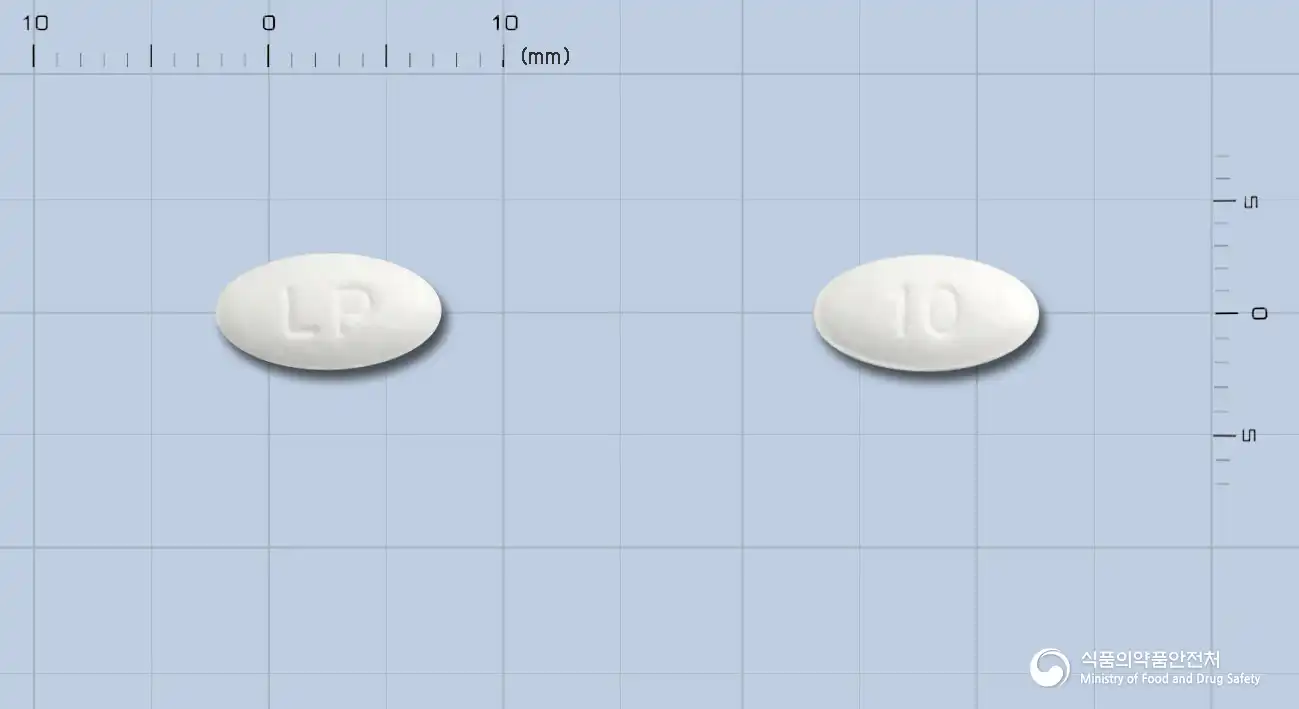
Atorvastatin Calcium Trihydrate 10.845mg
Tablet · Prescription medication
Shinil Pharmaceutical Co., Ltd.
Even with the same ingredient, the dose and directions can differ by strength and dosage form. Talk to a doctor or pharmacist before switching from a medication you are already taking.
No questions yet.
For anything that needs medical judgment, consult a doctor or pharmacist.
This drug information is based on data provided by the Korea Ministry of Food and Drug Safety.
Consult a doctor or pharmacist for accurate dosage, administration, and usage instructions.