
 한국어
 English
 日本語
 中文(简体)
 Viewing now
Provera Tablets 10mg (Medroxyprogesterone Acetate)
Medroxyprogesterone Acetate 10mg
Tablet · Prescription medication
Korea Pfizer, Inc.
MFDS item code 200409932 · Notified 2006.09.01 · Insurance code 648901200
Treatment of menstrual disorders (amenorrhea and dysfunctional bleeding) and endometriosis; adjunctive treatment in menopausal hormone therapy
This medication is used for the treatment of secondary amenorrhea, functional uterine bleeding due to hormonal imbalance, and mild to moderate endometriosis. It is also used as a combination therapy with estrogen in menopausal women who have not undergone hysterectomy. It helps with various women's health issues and is effective in symptom relief and maintaining health.
1. Secondary amenorrhea Administer medroxyprogesterone acetate orally at a daily dose of 5 ~ 10 mg for 5 ~ 10 days. To induce conversion of an endometrium appropriately stimulated by endogenous or exogenous estrogen to an optimal secretory state, the dose is 10 mg daily for 10 days. Treatment for secondary amenorrhea may be started at any time. Withdrawal bleeding due to progestin usually occurs within 3 ~ 7 days after stopping this medicine. 2. Dysfunctional uterine bleeding Administer 5 ~ 10 mg of this medicine daily for 5 ~ 10 days, starting on day 16 or day 21 of the menstrual cycle. To induce conversion of an endometrium appropriately stimulated by endogenous or exogenous estrogen to an optimal secretory state, administer 10 mg daily for 10 days, starting on day 16 of the menstrual cycle. Withdrawal bleeding usually occurs within 3 ~ 7 days after stopping treatment. In patients with a history of recurrent dysfunctional uterine bleeding, administration according to the menstrual cycle is preferred. 3. Mild or moderate endometriosis Starting on day 1 of the menstrual cycle, administer 10 mg of this medicine three times daily for 90 consecutive days. 4. Concomitant use with estrogen therapy 1) In women who have not undergone hysterectomy and are receiving hormone (estrogen) replacement therapy, this medicine is administered as follows: - Cyclic regimen: Administer 5 ~ 10 mg of this medicine daily for 12 ~ 14 consecutive days, starting on day 1 or day 16 of the cycle. - Continuous regimen: Administer 2.5 mg or 5 mg of this medicine daily on an ongoing basis together with estrogen therapy. With this regimen, regular bleeding no longer occurs and stops completely after several months. 2) After determining menopausal status, a progestin challenge test is recommended for amenorrheic women who have not undergone hysterectomy. ○ Progestin challenge test: Administer 10 mg of this medicine daily for 10 days. - Negative test: This is indicated by the absence of withdrawal bleeding and means that the endometrium has not been stimulated because of insufficient estrogen secretion. Hormone replacement therapy combining estrogen and this medicine should be considered for these women. - Positive test: This is indicated by withdrawal bleeding within 7 days after completion of the progestin challenge test. Withdrawal bleeding indicates that sufficient endogenous estrogen is present to stimulate the endometrium. Continue administering this medicine until withdrawal bleeding no longer occurs. Cessation of withdrawal bleeding indicates that, due to decreased estrogen secretion, the endometrium is no longer being stimulated. Hormone replacement therapy combining estrogen and this medicine should be considered for these women.
This medication should not be used during the first 4 months of pregnancy as it may increase the risk of fetal genital abnormalities or miscarriage. Potential risks of this medication to the fetus during pregnancy must be fully recognized. Prolonged use may reduce bone density, so adequate intake of calcium and vitamin D is recommended, and bone density tests should be conducted if necessary. Caution should be taken as there may be an increased risk of dementia in women over 65 years. This medication should not be used in patients with certain cardiovascular diseases, liver disease, or a history of cancer, and it should also be avoided in cases of hypersensitivity. Patients with underlying diseases such as thrombosis, hypertension, diabetes, and liver disease should be administered with caution, and any abnormal symptoms should be immediately consulted with a physician. This medication may cause various side effects, so careful observation is required for symptoms such as breast pain, skin rashes, indigestion, and psychiatric symptoms. Regular check-ups should be conducted before and during treatment to monitor health status, particularly breast and pelvic examinations. The use of this medication should be confirmed only after pregnancy status has been established, and pregnancy should be avoided during use. This medication may interact with other drugs, so if any medications are being taken, it is essential to inform the healthcare provider. It is recommended to discontinue breastfeeding if using this medication during lactation. The safety and efficacy in children have not been established, so it should be avoided. In case of overdose, corticosteroid-like effects may occur, so caution is advised. This medication should be stored out of reach of children and it is advisable not to change the container.
Not everyone experiences these, and they can vary from person to person.
This medication may be sensitive to air and moisture, so it should be stored in a tightly sealed container. It is also best to keep it at a normal indoor temperature, avoiding excessively hot or cold locations.
White, biconvex round tablets
40 tablets (10 tablets/blister x 4)
Even with the same ingredient, strength, dosage form and how it is taken can differ.
Viewing nowMedroxyprogesterone Acetate 10mg
Tablet · Prescription medication
Korea Pfizer, Inc.
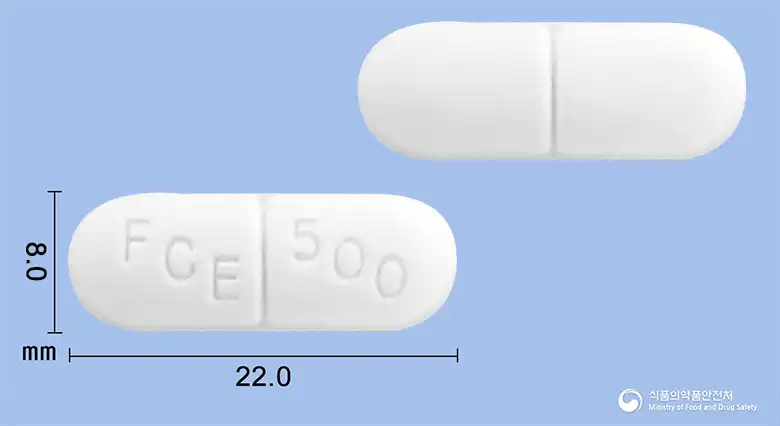
Medroxyprogesterone Acetate 500mg
Tablet · Prescription medication
Pfizer Korea Pharmaceuticals Ltd.

Medroxyprogesterone Acetate 5mg
Tablet · Prescription medication
Korea Pfizer, Inc.
Even with the same ingredient, the dose and directions can differ by strength and dosage form. Talk to a doctor or pharmacist before switching from a medication you are already taking.
No questions yet.
For anything that needs medical judgment, consult a doctor or pharmacist.
This drug information is based on data provided by the Korea Ministry of Food and Drug Safety.
Consult a doctor or pharmacist for accurate dosage, administration, and usage instructions.