
 한국어
 English
 日本語
 中文(简体)
 Viewing now
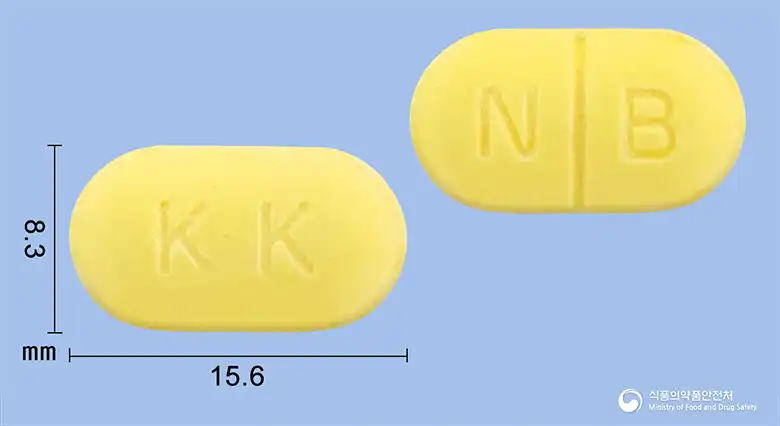
Nametone Tablet (Nabumetone)
Nabumetone 500mg
Tablet · Prescription medication
Genewon Science Co., Ltd.
MFDS item code 200404646 · Notified 2004.05.29 · Insurance code 671700010
Relief of inflammation and pain associated with arthritis (including osteoarthritis)
This medication reduces inflammation and pain caused by arthritis symptoms such as osteoarthritis and rheumatoid arthritis. It alleviates swelling and pain in the joint area, thereby easing discomfort experienced in daily life. By providing anti-inflammatory and analgesic effects, it facilitates smoother movement of the joints and improves quality of life. It is effectively used for both osteoarthritis and rheumatoid arthritis.
This medicine is for oral use. Swallow it without chewing (tablets only). ○ Adults : Administer 1 g of nabumetone orally once daily at bedtime. If symptoms are severe or persistent, or worsen rapidly, an additional 500 mg∼1 g of this medicine may be administered orally in the morning. ○ Elderly patients : As with many other medicines, elderly patients may have higher blood concentrations. Do not exceed a maximum of 1 g per day; in some cases, a dose of 500 mg may provide satisfactory symptom relief.
○ Children : Clinical data on the use of this product in children are not yet available.
Individuals who regularly consume more than three alcoholic drinks per day should consult a doctor or pharmacist before taking this medication. Regular alcohol consumption may increase the risk of gastrointestinal bleeding when using this medication. This medication can increase the risk of cardiovascular diseases, so individuals with heart conditions or risk factors should take special caution. Severe cardiovascular issues such as myocardial infarction or stroke can occur, and symptoms should prompt immediate medical attention. This medication may affect the gastrointestinal tract, potentially causing serious gastrointestinal adverse reactions such as bleeding, ulcers, or perforation. Elderly patients or those with a history of gastrointestinal disease should start at the minimum dose and be monitored closely. Patients with peptic ulcer, severe blood disorders, liver dysfunction, kidney dysfunction, heart disorders, or allergies to this medication or its components should not take this medication. Patients with aspirin-induced asthma or allergic reactions to aspirin and other non-steroidal anti-inflammatory drugs should also avoid using this medication. Pregnant women or those who may become pregnant, nursing mothers, children and adolescents under 15 years of age, and patients with inflammatory bowel disease should not take this medication. Those with blood, liver, or kidney function issues or chronic illnesses should take this medication cautiously and require regular testing during treatment. Dizziness and drowsiness may occur when taking this medication, so driving or operating dangerous machinery should be avoided. Combining this medication with other non-steroidal anti-inflammatory drugs or certain medications may increase the risk of side effects, so consultation with a doctor is necessary. During pregnancy, particularly in the late stages, this medication may harm the fetus, so it should be avoided. It is also safer not to use this medication while breastfeeding. Overdose may result in serious symptoms such as headache, nausea, vomiting, and coma, requiring immediate medical attention. This medication should be used at the lowest effective dose for the shortest duration, and any unusual symptoms should prompt immediate discontinuation and medical consultation. Keep this medication out of the reach of children and do not transfer it to another container for safety.
Not everyone experiences these, and they can vary from person to person.
This medication should be stored in a tightly closed container to protect it from air and moisture. It is best to maintain the storage temperature between 1 to 30 degrees Celsius.
Yellow rectangular film-coated tablet
30 tablets/bottle, 500 tablets/bottle
Even with the same ingredient, strength, dosage form and how it is taken can differ.
Viewing nowNabumetone 500mg
Tablet · Prescription medication
Genewon Science Co., Ltd.
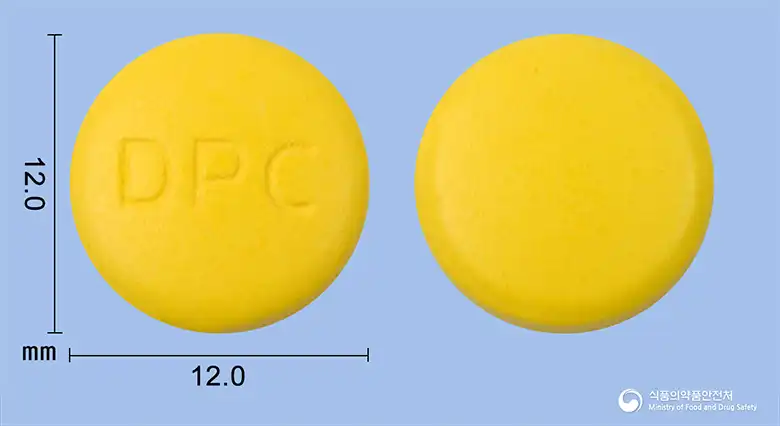
Nabumetone 500mg
Tablet · Prescription medication
Donggwang Pharmaceutical Co., Ltd.
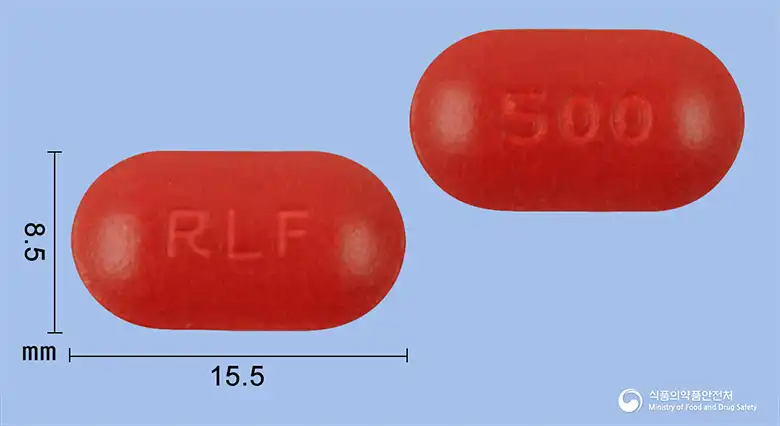
Nabumetone 500mg
Tablet · Prescription medication
(Co., Ltd.) Handok
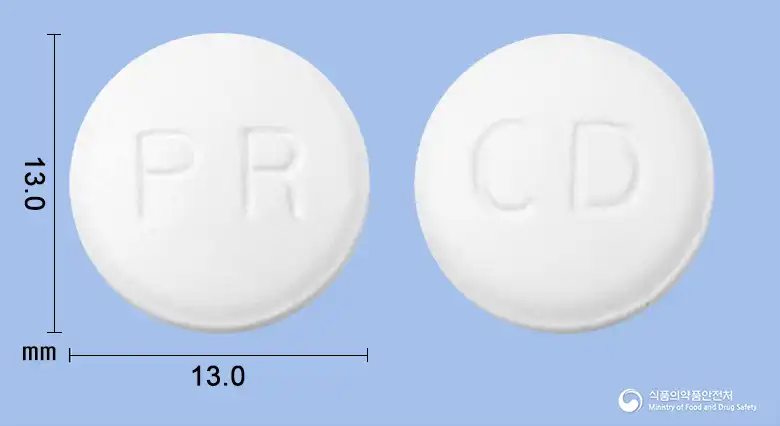
Nabumetone 500mg
Tablet · Prescription medication
Chodang Pharmaceutical Co., Ltd.
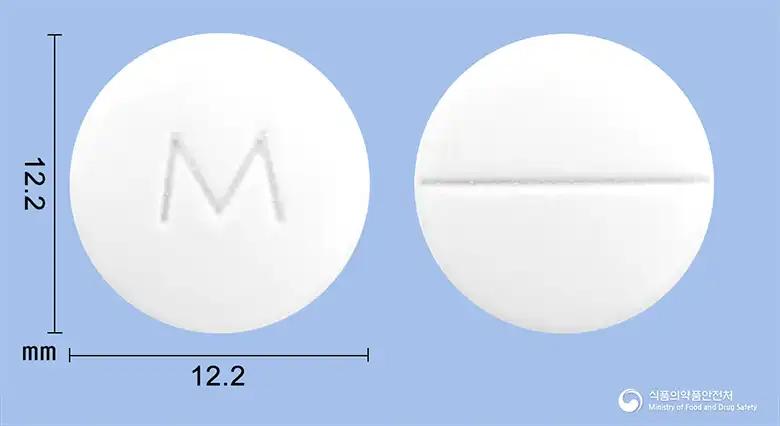
Nabumetone 500mg
Tablet · Prescription medication
(Co., Ltd.) Medica Korea
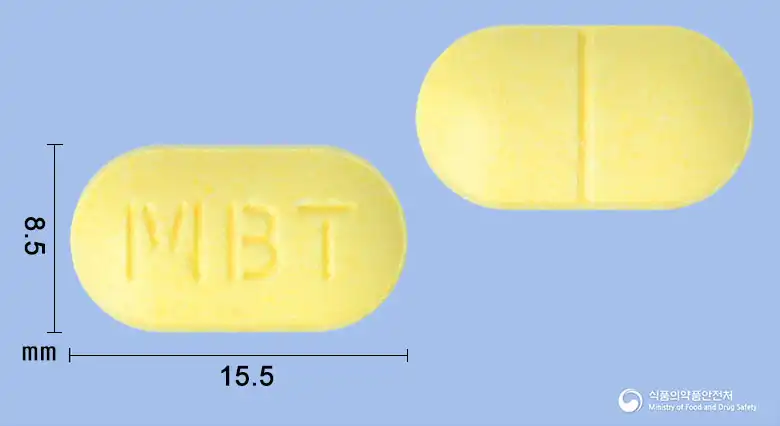
Nabumetone 500mg
Tablet · Prescription medication
Hallym Pharmaceuticals Co., Ltd.

Nabumetone 500mg
Tablet · Prescription medication
Korea PMG Pharmaceutical Co., Ltd.
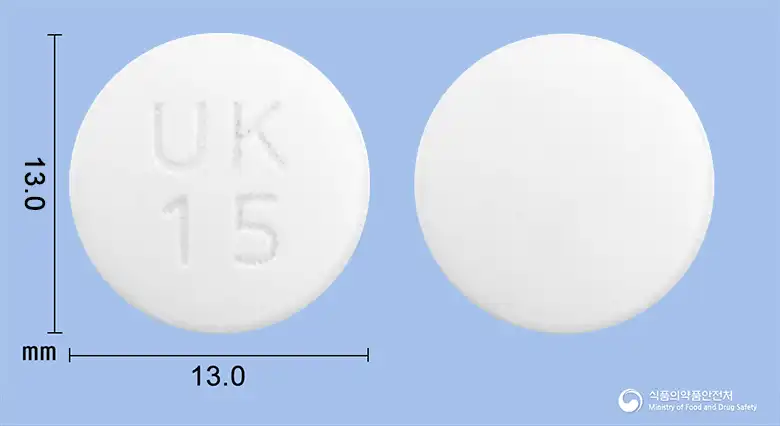
Nabumetone 500mg
Tablet · Prescription medication
Korea Union Pharm Co., Ltd.
Even with the same ingredient, the dose and directions can differ by strength and dosage form. Talk to a doctor or pharmacist before switching from a medication you are already taking.
No questions yet.
For anything that needs medical judgment, consult a doctor or pharmacist.
This drug information is based on data provided by the Korea Ministry of Food and Drug Safety.
Consult a doctor or pharmacist for accurate dosage, administration, and usage instructions.