
 한국어
한국어 English
 日本語
日本語 中文(简体)
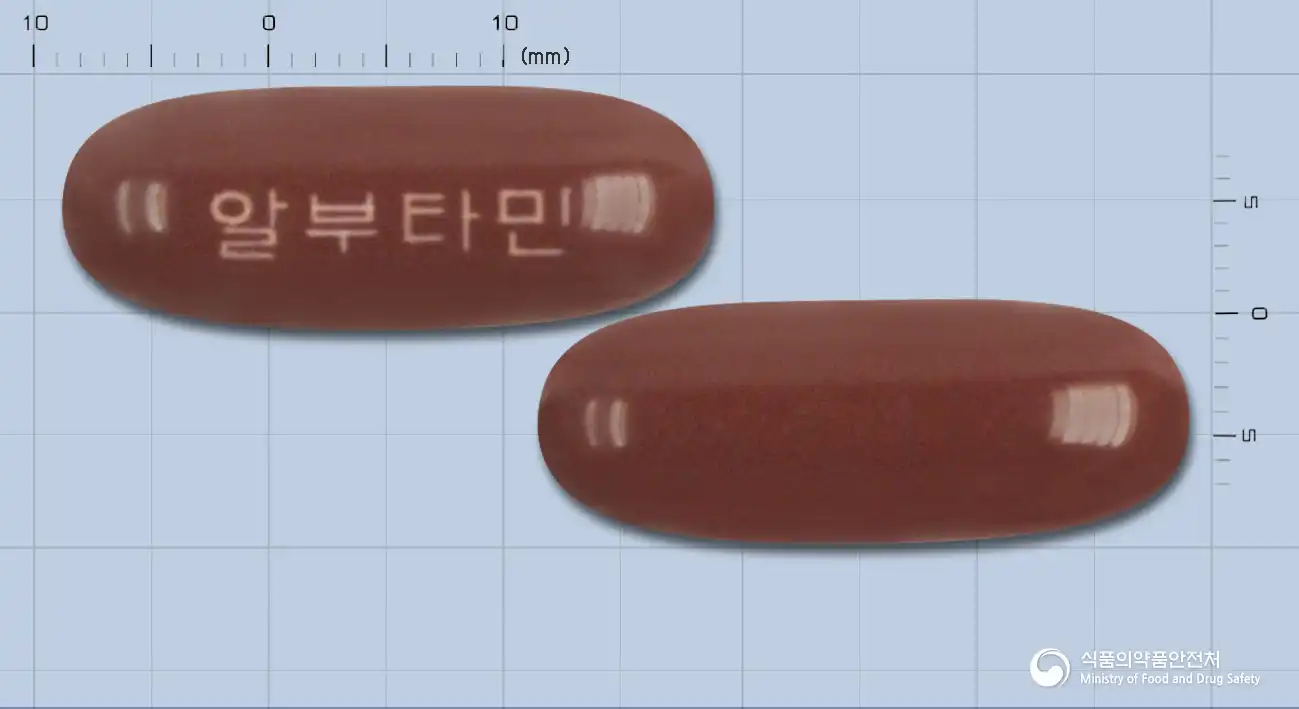 Viewing nowCombination
Albutamin Soft Capsule
Royal Jelly 20mg · Tocopherol Acetate 45mg +6 more
Soft capsule · OTC medication · Combination
Allico Pharmaceutical Co., Ltd.
MFDS item code 200403844 · Notified 2004.06.11
Relief of peripheral blood circulation disorders and menopausal symptoms (such as shoulder stiffness and cold extremities)
The vitamins E, B1, B2, B6, and C included in this medication can be helpful in various situations. They are useful for replenishing stamina during physical fatigue, pregnancy and breastfeeding, as well as during and after illness when physical strength is depleted. They also assist in health management during old age. Notably, vitamin E is effective in alleviating symptoms of peripheral blood circulation disorders and menopausal symptoms such as shoulder and neck stiffness, and cold hands and feet. These vitamins support overall body health, improve fatigue, and promote blood circulation, enhancing overall quality of life.
1 capsule per dose, 3 times a day
Children aged 8 years and older: 1 capsule per dose, 3 times a day
This medication should not be taken by individuals who have allergic reactions to this medication or any ingredients contained in it. Additionally, it should be avoided by infants under 3 months of age and by those allergic to soybean oil, soy, or peanuts. It is important not to take this medication alongside Levodopa during treatment. Individuals under 1 year of age, patients receiving medical treatment, those with specific kidney diseases, pregnant or breastfeeding women, and patients with gout or kidney stones must consult with a healthcare professional before taking this medication. This medication contains the dye Yellow No. 5, which should be taken with caution by those allergic to it. Patients with issues in lipid metabolism such as hyperlipoproteinemia, diabetic dyslipidemia, and pancreatitis should also be cautious. If symptoms such as stomach discomfort, diarrhea, constipation, rash, nausea, or vomiting occur during use, discontinue use immediately and consult a healthcare professional. Women should take note that this medication may cause their menstrual cycle to become shorter or bleeding to last longer. Patients taking oral contraceptives that contain estrogen or those at risk of thrombosis may have an increased risk of thrombosis when taking vitamin E. Long-term high-dose use of this medication may lead to tolerance, so caution is advised. Excessive intake of pyridoxine can result in neurological symptoms, and patients with folate deficiency taking large amounts of vitamin B12 may experience blood issues. High-dose use may result in gastrointestinal ulcers, impaired glucose tolerance, hyperuricemia, and liver damage, so caution is required. If overdose occurs or symptoms do not improve even after a month of use, consult a healthcare professional without delay. This medication must be taken strictly according to the prescribed dosage, and supervision by a guardian is required when administering to children. It is advisable to consult with a physician or pharmacist before and after taking this medication. Additionally, this medication can affect blood glucose test results and turn urine yellow, which may impact clinical tests. Patients with a risk of lipid overload should regularly check their blood lipid levels and adjust the dosage of this medication accordingly. When using other lipid injections together, the lipid content in this medication should be considered when adjusting dosages. Lastly, this medication should be stored out of reach of children, away from direct sunlight, and in a cool, dry place. It is important to avoid transferring it to another container for quality maintenance.
Stomach discomfort, diarrhea, constipation, rash, redness, nausea, vomiting, loose stools, menstrual changes (becoming shorter or heavier, prolonged bleeding)
Not everyone experiences these, and they can vary from person to person.
Do not take this medication with Levodopa. Consult with a physician or pharmacist when using this alongside oral contraceptives containing estrogen and injectable lipid preparations.
This medication should be kept in a tightly sealed container to prevent air or moisture from entering, and it is safest to store it at room temperature between 1 and 30 degrees Celsius. This way of storage helps maintain the effectiveness of the medication.
A brownish oily substance contained in double-sided reddish-brown soft capsules
180 capsules (90 capsules/PTP × 2)
Even with the same ingredient, strength, dosage form and how it is taken can differ.
Viewing nowCombinationRoyal Jelly 20mg · Tocopherol Acetate 45mg +6 more
Soft capsule · OTC medication · Combination
Allico Pharmaceutical Co., Ltd.
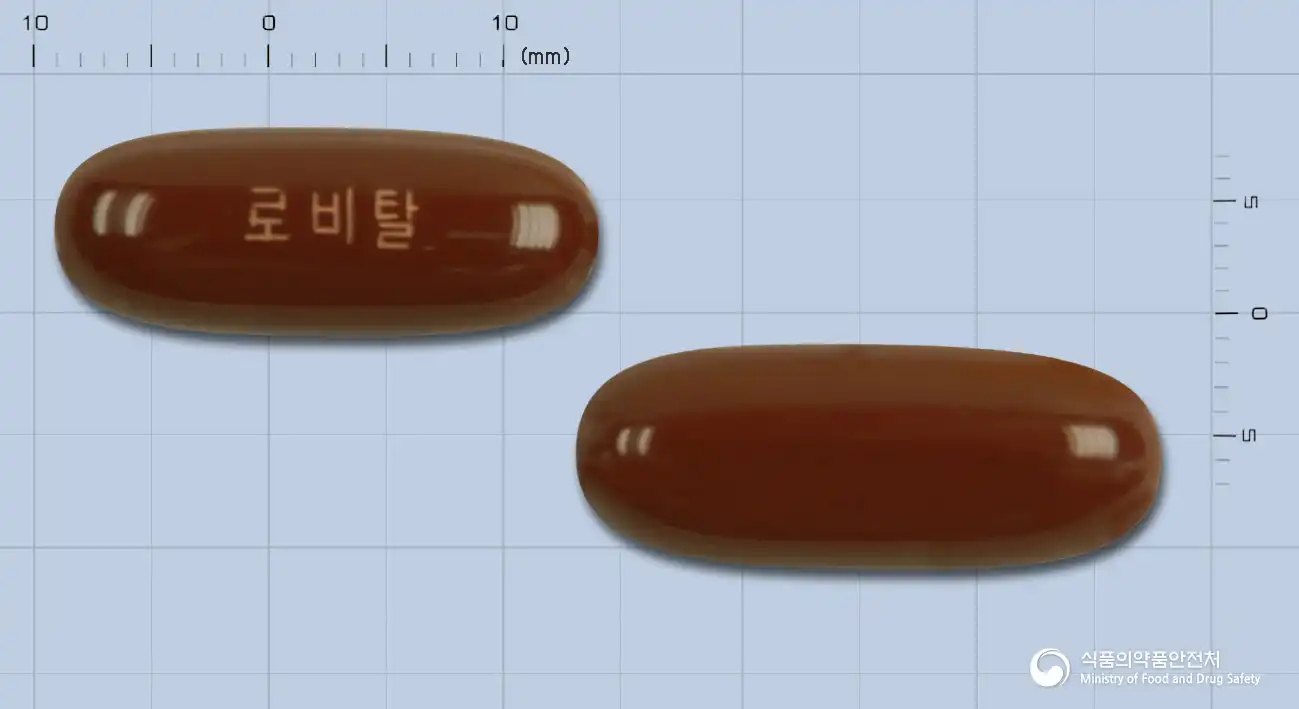 Combination
Royal Jelly 20mg · Tocopherol Acetate 45mg +6 more
Soft capsule · OTC medication · Combination
Donggu Bio Pharmaceutical Co., Ltd.
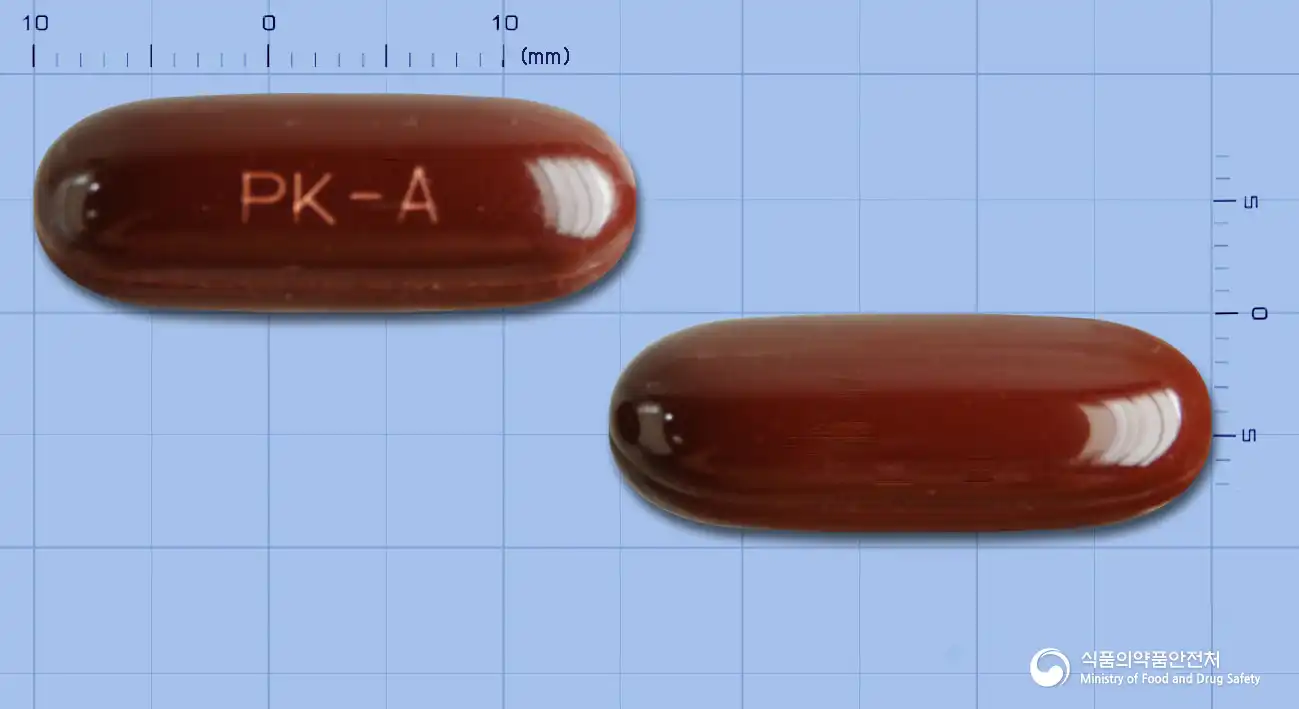 Combination
Royal Jelly 20mg · Tocopherol Acetate 45mg +6 more
Soft capsule · OTC medication · Combination
Hanmi Pharmaceutical Co., Ltd.
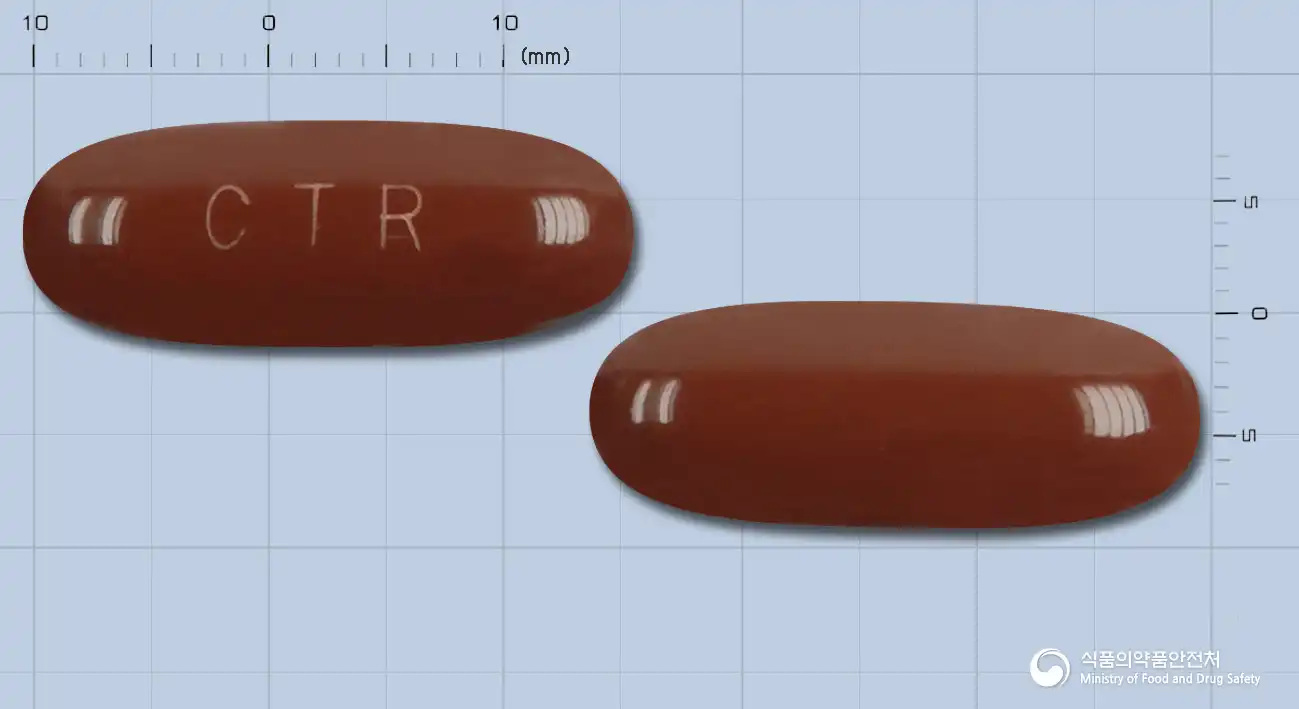 Combination
Royal Jelly 20mg · Tocopherol Acetate 45mg +6 more
Soft capsule · OTC medication · Combination
HLB Pharmaceuticals Co., Ltd.
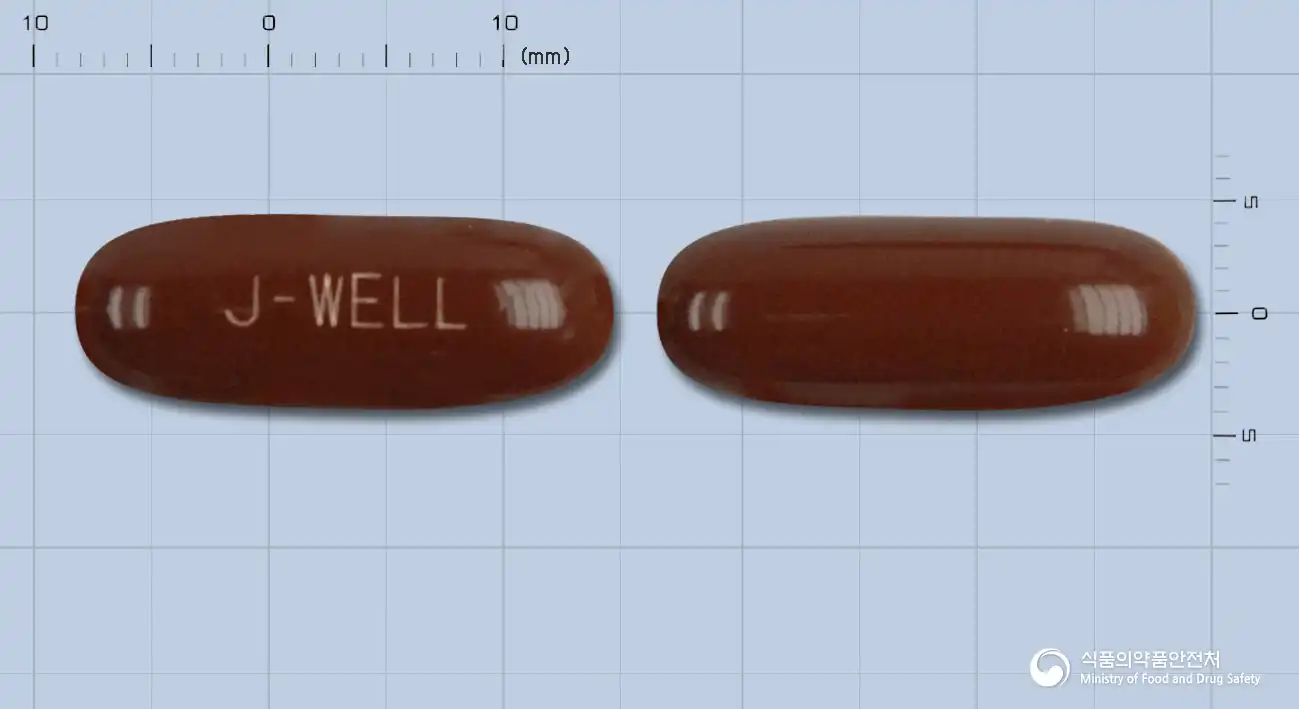 Combination
Royal Jelly 20mg · Tocopherol Acetate 45mg +6 more
Soft capsule · OTC medication · Combination
Vivozon Pharmaceutical Co., Ltd.
Royal Jelly 20mg · Tocopherol Acetate 45mg +6 more
Soft capsule · OTC medication · Combination
Hanpung Pharmaceutical Co., Ltd.
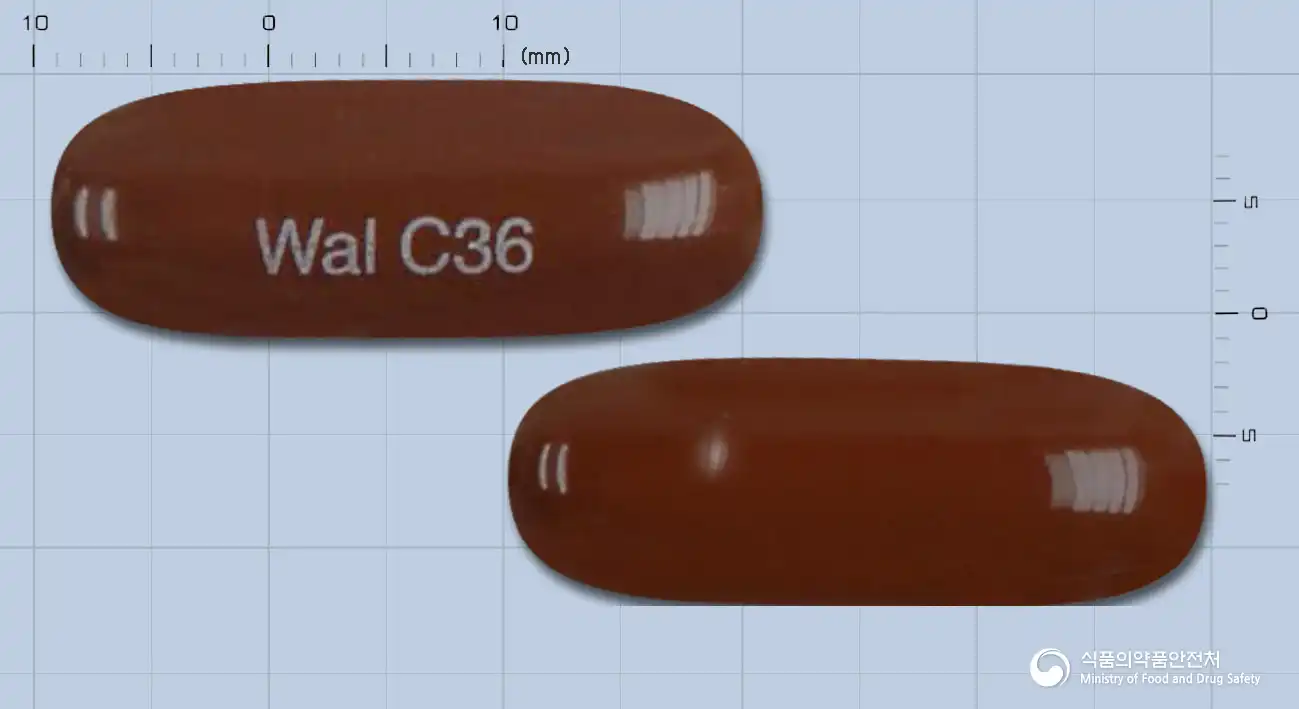 Combination
Royal Jelly 20mg · Tocopherol Acetate +6 more
Soft capsule · OTC medication · Combination
Austin Pharmaceutical Co., Ltd.
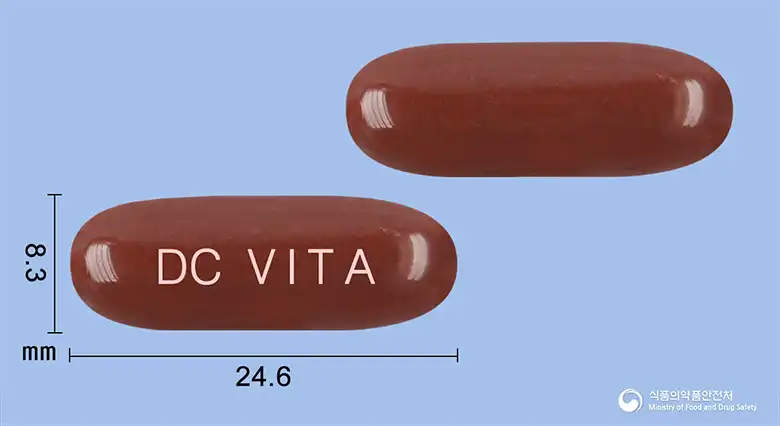 Combination
Royal Jelly 20mg · Pyridoxine Hydrochloride 5mg +6 more
Soft capsule · OTC medication · Combination
Donggu Bio Pharmaceutical Co., Ltd.
Even with the same ingredient, the dose and directions can differ by strength and dosage form. Talk to a doctor or pharmacist before switching from a medication you are already taking.
No questions yet.
For anything that needs medical judgment, consult a doctor or pharmacist.
This drug information is based on data provided by the Korea Ministry of Food and Drug Safety.
Consult a doctor or pharmacist for accurate dosage, administration, and usage instructions.