
 한국어
한국어 English
 日本語
日本語 中文(简体)
Dosage form image
Viewing nowSimvastatin Tablets (Simvastatin)
Simvastatin 20mg
Tablet · Prescription medication
Kyungbo Pharmaceutical Co., Ltd.
MFDS item code 200403740 · Notified 2004.09.22
This product's status changed to Approval withdrawn on 2024.07.08. It may no longer be sold, so consult a doctor or pharmacist before taking it.
Reduction of the risk of cardiovascular disease and improvement of hyperlipidemia
This medicine helps reduce the risk of death due to coronary heart disease and the risk of non-fatal myocardial infarction and stroke in adult patients at high risk of cardiovascular diseases such as coronary heart disease, diabetes, peripheral vascular diseases, and stroke. It also reduces the risks that can occur after coronary and non-coronary vascular interventions. It is effective in the treatment of hyperlipidemia, lowering cholesterol and triglyceride levels in patients with primary hypercholesterolemia and mixed dyslipidemia while increasing good cholesterol (HDL). In pediatric patients with heterozygous familial hypercholesterolemia, it is used alongside dietary therapy to reduce LDL cholesterol and Apo-B protein levels. This drug is effective in improving cardiovascular health and managing dyslipidemia.
This medication is administered once daily in the evening. The general starting dose is 20 mg, and in patients with mild to moderate hypercholesterolemia, it may be started at 10 mg. The dosage can be adjusted between 5 and 40 mg. There are dosage limitations for specific patient groups and in combination therapy, for example, patients with homozygous familial hypercholesterolemia should take 40 mg daily, elderly patients 20 mg daily, verapamil,
For pediatric patients with heterozygous familial hypercholesterolemia (ages 10 to 17), the recommended dose is 10 mg once daily in the evening. The recommended dose range is 10 to 40 mg, with a maximum dose of 40 mg.
This medication may cause side effects that impact muscles, particularly the risk of muscle pain or weakness increases with high doses. If you experience unexplained muscle pain, tenderness, or weakness while taking this medication, you should inform your doctor immediately. As this medication is mainly metabolized in the liver, caution should be exercised when administering it to patients with impaired liver function or a history of liver disease, and regular liver function tests are necessary. Women who are pregnant or may become pregnant and those who are breastfeeding should not take this medication and must discontinue it immediately if pregnancy is confirmed. This medication may interact with certain drugs, causing increased blood concentration and elevating the risk of side effects. Therefore, if you are taking other medications, you must consult your doctor or pharmacist. Particular attention is required when taken in combination with potent CYP3A4 inhibitors, certain lipid-lowering drugs, specific antibiotics, and calcium channel blockers. Elderly patients, those with kidney or thyroid issues, and alcoholics must be monitored more carefully while taking this medication. This medication can increase blood sugar levels, so patients at risk of diabetes should regularly monitor their blood sugar. During treatment, it is advisable to avoid the intake of certain foods like grapefruit juice, and in case of overdose, you should seek immediate medical attention. This medication should only be used in children over the age of 10 under the direction of a specialist due to potential effects on growth and maturation. Lastly, this medication should be taken strictly following a doctor’s prescription and instruction, and stored out of reach of children.
Myopathy/rhabdomyolysis (muscle pain, muscle weakness, elevated creatine kinase), hives, severe swelling (edema), chest tightness, difficulty breathing, cold sweat, pallor, severe rash with high fever, blisters, peeling skin, mucous membrane pain in the mouth/eyes, severe skin adverse reactions, shortness of breath or difficulty breathing, asthma attacks, cough with fever and respiratory abnormalities, jaundice (yellowing of skin or eyes), significant overall fatigue
Abdominal pain, weakness, constipation, diarrhea, indigestion, bloating, nausea, headache, upper respiratory infection, atrial fibrillation, gastroenteritis, insomnia, dizziness, bronchitis, eczema, urinary tract infection, muscle pain, muscle cramps, joint pain, taste disturbance, extraocular muscle movement disorders, facial muscle paresis, tremors, sensory disturbances, peripheral neuropathy, peripheral nerve palsy, mental disorders, anxiety, sleep disorders, depression, cognitive impairment (memory decline, forgetfulness, etc.), ophthalmoplegia, alopecia, itching
Not everyone experiences these, and they can vary from person to person.
This medication should be stored in a tightly sealed container to prevent air from entering, and it is recommended to keep it at room temperature between 1°C and 30°C. Proper storage will maintain the drug's effectiveness and ensure safe use.
Brownish-yellow oval film-coated tablets
30 tablets/bottle, 300 tablets/bottle
Even with the same ingredient, strength, dosage form and how it is taken can differ.
Simvastatin 20mg
Tablet · Prescription medication
Kyungbo Pharmaceutical Co., Ltd.
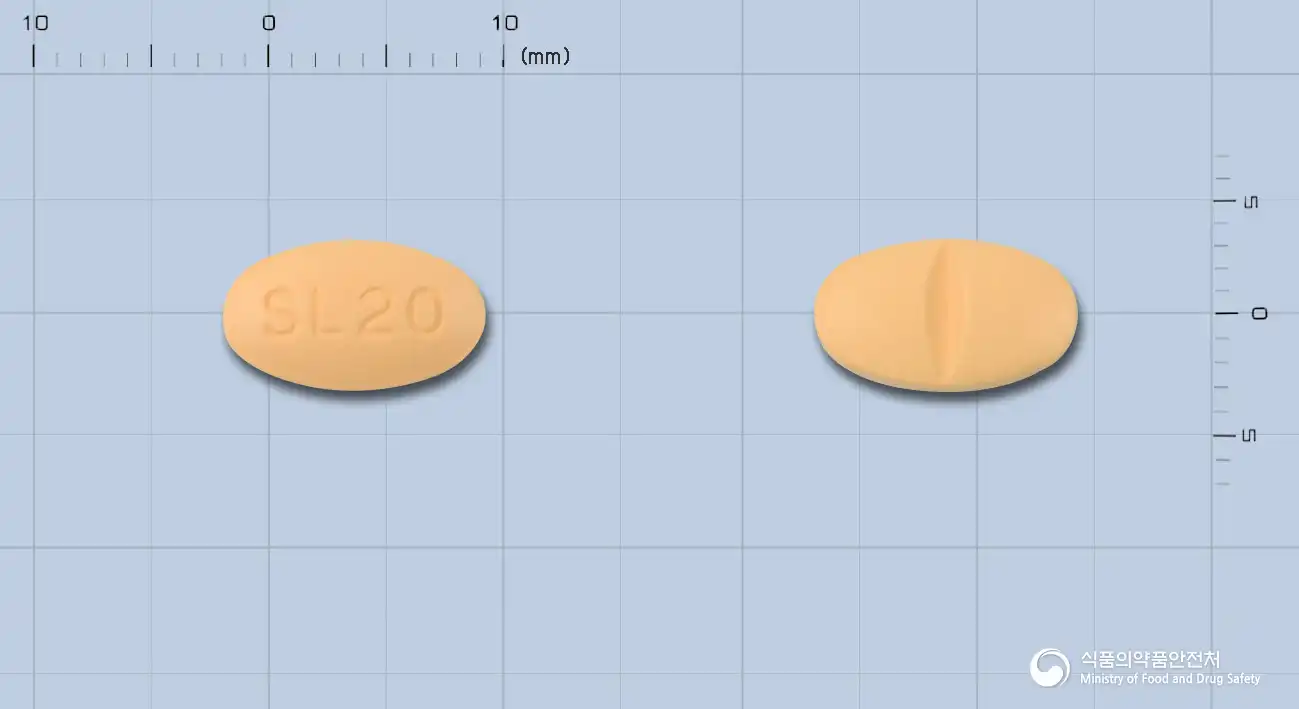
Simvastatin 20mg
Tablet · Prescription medication
Jongkundang Pharmaceutical Co., Ltd.
Simvastatin 20mg
Tablet · Prescription medication
Dong-A ST Co., Ltd.

Simvastatin 20mg
Tablet · Prescription medication
Korea Hutech Pharmaceutical Co., Ltd.
Simvastatin 20mg
Tablet · Prescription medication
Yuhan Corporation
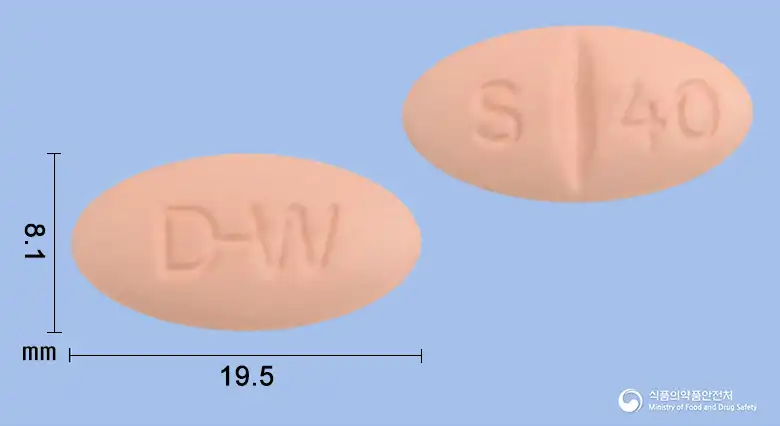
Simvastatin 40mg
Tablet · Prescription medication
Dongwha Pharmaceutical Co., Ltd.
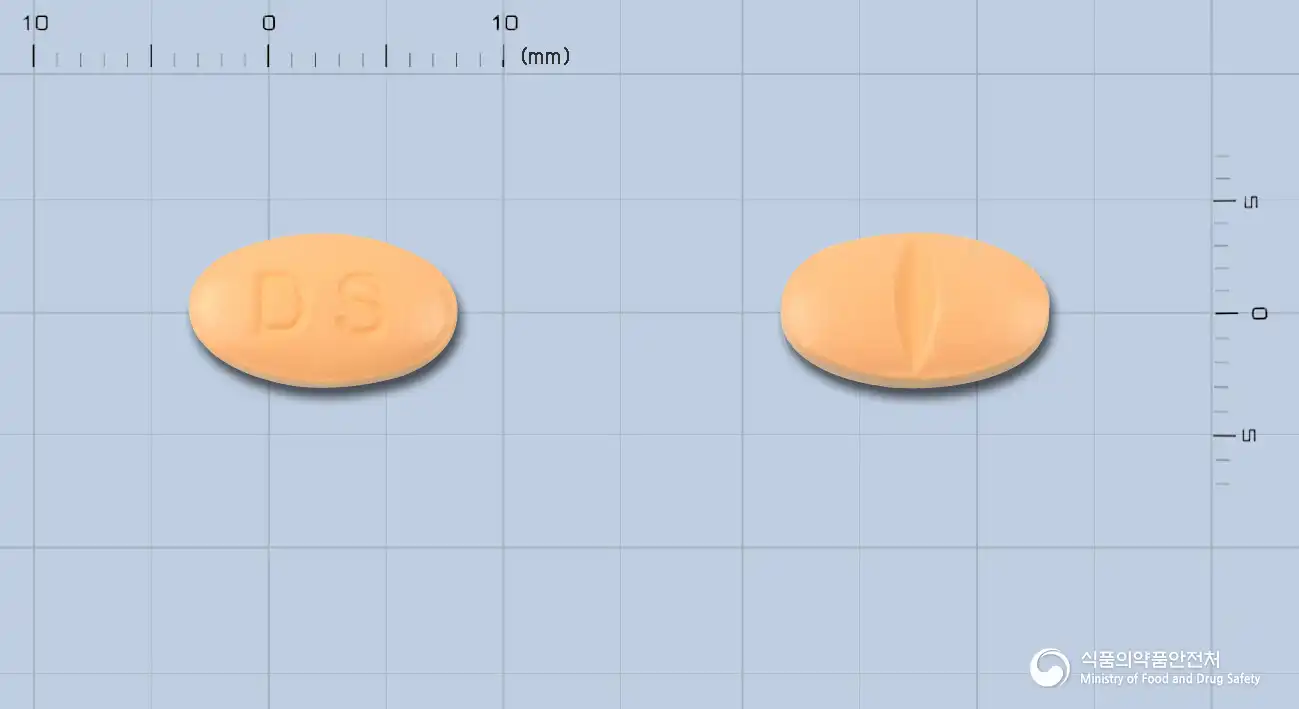
Simvastatin 20mg
Tablet · Prescription medication
Dongsung Pharmaceutical Co., Ltd.
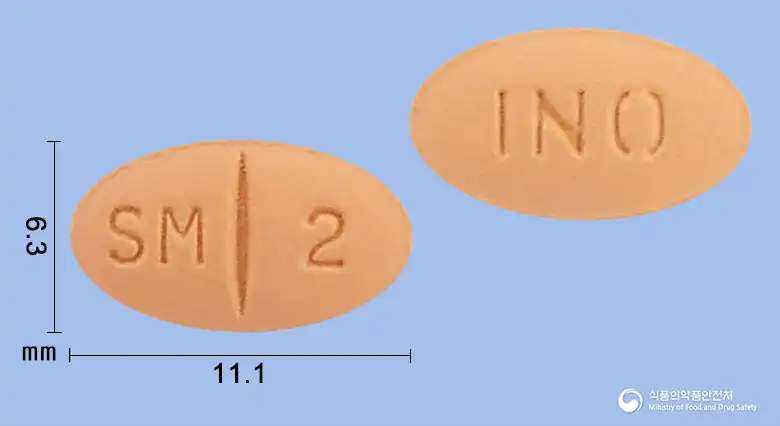
Simvastatin 20mg
Tablet · Prescription medication
HK inno.N Co., Ltd.
Even with the same ingredient, the dose and directions can differ by strength and dosage form. Talk to a doctor or pharmacist before switching from a medication you are already taking.
No questions yet.
For anything that needs medical judgment, consult a doctor or pharmacist.
This drug information is based on data provided by the Korea Ministry of Food and Drug Safety.
Consult a doctor or pharmacist for accurate dosage, administration, and usage instructions.