
 한국어
 English
 日本語
 中文(简体)
Dosage form image
Viewing nowAgapurine Injection (Pentoxifylline)
Pentoxifylline 20mg
Injections · Prescription medication
AlboGen Korea Co., Ltd.
MFDS item code 200403330 · Notified 2004.08.06
This product's status changed to Expired on 2024.10.01. It may no longer be sold, so consult a doctor or pharmacist before taking it.
Initial treatment of peripheral arterial circulatory disorders (intermittent claudication) and adjunctive treatment with oral therapy
This medication is used for the initial treatment of peripheral arterial circulation disorders, particularly intermittent claudication. It can also be used as an adjunct therapy to improve blood circulation when treated orally. Therefore, patients can expect improved blood flow and symptom relief through this medication.
1. Intravenous injection: For adults, inject 100mg of pentoxifylline daily. Have the patient lie down and administer the intravenous injection slowly over at least 5 minutes. To assess the patient's individual response, it is preferable to dilute the initial dose in physiological saline for injection. 2. Intravenous infusion: Initially, mix 100mg daily with 250~500ml of infusion solution (e.g., physiological saline for injection, 5% fructose injection) and administer by intravenous infusion over 90~180 minutes. Starting the following day, increase the dose by 50mg daily until the daily dose reaches 300mg. In cases of severe circulatory disorders, administer twice daily. 3. As adjunctive therapy to intravenous injection or intravenous infusion, 100~200mg of the tablet may be administered. After symptoms improve, treatment may be continued by oral administration. Adjust the dose as appropriate according to age and symptoms.
This medication is in injection form, so care must be taken when opening the glass ampoule to prevent glass fragments from entering. Particularly, extra caution should be exercised when administering it to children and the elderly. This medication should not be used in certain patients. For example, individuals who are allergic to this medication or similar class drugs, patients with acute myocardial infarction, those with severe bleeding, patients with bleeding in the eyes, and those taking another medication called Ketorolac should not use this medication. Furthermore, individuals with heart rhythm problems or low blood pressure, those with severely impaired kidney or liver function, patients at high risk for bleeding, and those with serious vascular diseases should use this medication with extreme caution. Using this medication may cause allergic symptoms such as skin itching, redness, hives, and in severe cases, serious reactions like breathing difficulties or shock may occur. If such symptoms appear, immediately discontinue the medication and consult a physician. Cardiac-related side effects such as rapid heartbeat, chest pain, and low blood pressure may rarely occur. Liver function abnormalities may also arise, and the medication may affect blood coagulation, increasing the risk of bleeding. Neurological symptoms such as dizziness, headache, anxiety, and sleep disturbances may occasionally occur. Administering this medication in high doses quickly can increase the occurrence of problems such as fever, gastrointestinal discomfort, nausea, vomiting, diarrhea, and arrhythmia. Patients with low blood pressure or unstable blood circulation should start with a small amount and gradually increase the dosage, while heart failure patients should use it alongside appropriate treatments. Using this medication with anticoagulants can increase the risk of bleeding, and it can enhance the effects of diabetes medications, so careful blood sugar management is necessary. Additionally, when used with other blood pressure-lowering medications, the hypotensive effect may be more pronounced. Particularly, using it with a medication called Theophylline can increase its concentration, leading to more severe side effects, so caution is needed. It should not be used with Ketorolac. It is safest for pregnant or breastfeeding women not to use this medication. There is a lack of experience using this medication in children, so it is not recommended for pediatric use. Elderly patients may have reduced physical function, so careful observation is required when administering this medication.
Not everyone experiences these, and they can vary from person to person.
This medication is sensitive to light, so it should be stored in a light-protected, tightly sealed container. Additionally, storing the medication at room temperature between 1 and 30 degrees Celsius is safe. Proper storage will help maintain the medication's effectiveness for a longer period.
A brown ampoule containing a colorless liquid injection.
5mL/ampoule X 10
Even with the same ingredient, strength, dosage form and how it is taken can differ.
Pentoxifylline 20mg
Injections · Prescription medication
AlboGen Korea Co., Ltd.
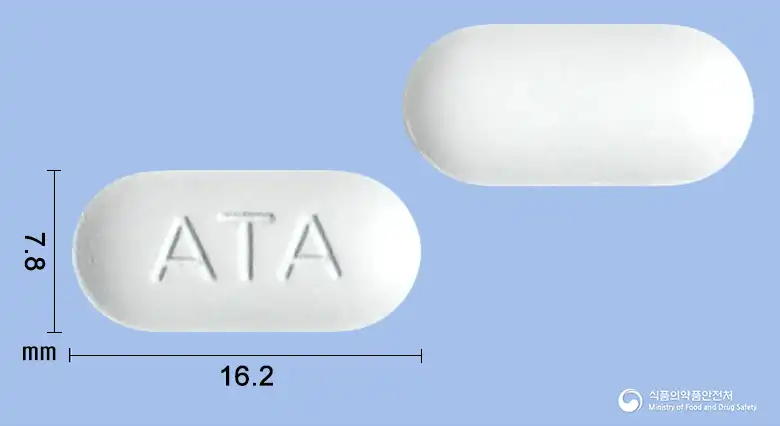
Pentoxifylline 400mg
Tablet · Prescription medication
Handok Co., Ltd.
Pentoxifylline 400mg
Tablet · Prescription medication
Korea Hyutecs Pharmaceutical Co., Ltd.
Pentoxifylline 400mg
Tablet · Prescription medication
Celltrion Pharm., Co., Ltd.
Pentoxifylline 20mg
Injections · Prescription medication
Hyuons Co., Ltd.
Pentoxifylline 20mg
Prescription medication
Myeongmun Pharmaceutical Co., Ltd.
Pentoxifylline 400mg
Tablet · Prescription medication
Ildong Pharmaceutical Co., Ltd.
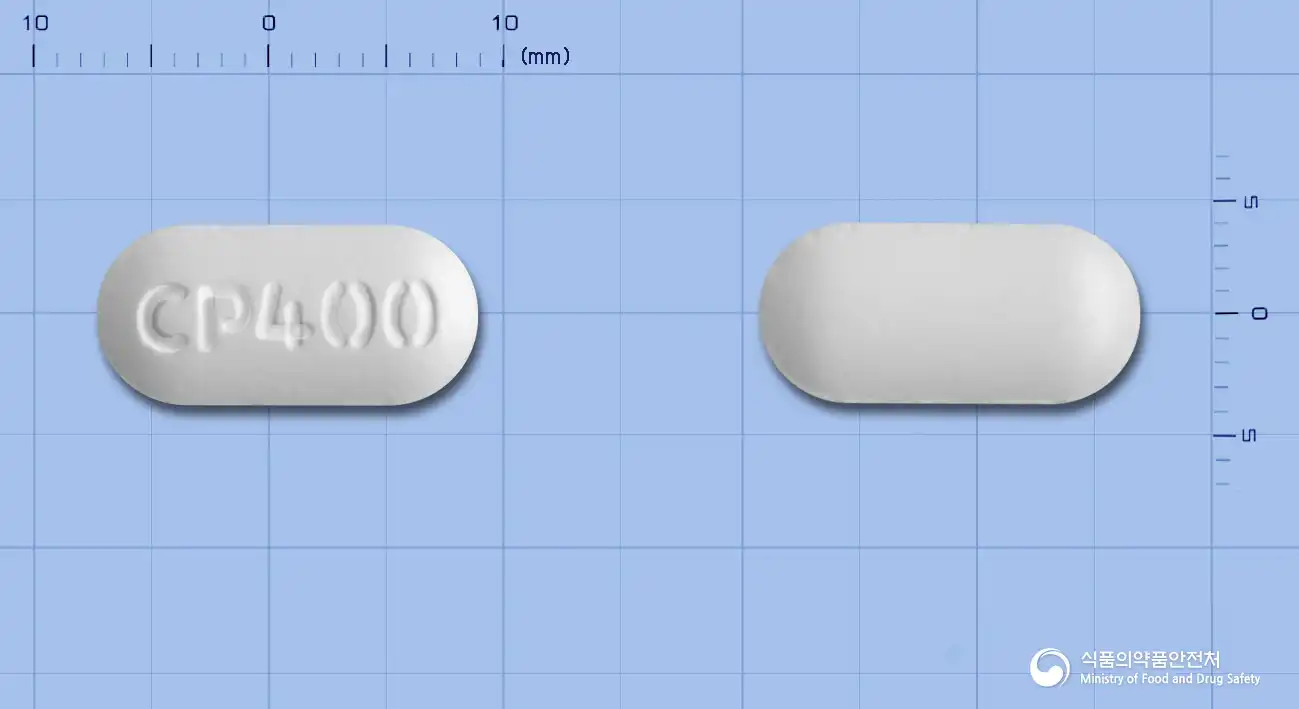
Pentoxifylline 400mg
Tablet · Prescription medication
CMG Pharmaceutical Co., Ltd.
Even with the same ingredient, the dose and directions can differ by strength and dosage form. Talk to a doctor or pharmacist before switching from a medication you are already taking.
No questions yet.
For anything that needs medical judgment, consult a doctor or pharmacist.
This drug information is based on data provided by the Korea Ministry of Food and Drug Safety.
Consult a doctor or pharmacist for accurate dosage, administration, and usage instructions.