
 한국어
 English
 日本語
 中文(简体)
Dosage form image
Viewing nowMezophillin Injection (Pentoxifylline)
Pentoxifylline 20mg
Prescription medication
Myeongmun Pharmaceutical Co., Ltd.
MFDS item code 200403234 · Notified 2004.11.03
This product's status changed to Expired on 2024.10.01. It may no longer be sold, so consult a doctor or pharmacist before taking it.
Adjunctive treatment in the initial and oral therapy of peripheral arterial circulatory disorders (intermittent claudication)
This medication is used for the initial treatment of peripheral arterial circulation disorders, particularly intermittent claudication. It is also utilized as adjunctive therapy during oral treatment to aid in improving blood flow. This helps alleviate symptoms for patients and contributes to enhancing their quality of life. The main therapeutic effect is to facilitate blood circulation, reducing leg pain and numbness symptoms. With consistent use, it helps maintain peripheral vascular health. Thus, it is effectively used for treating peripheral arterial circulation disorders.
1. Intravenous injection: Adults are given 100mg of pentoxifylline per day. The patient should be lying down, and the injection should be administered slowly over at least 5 minutes. To assess each patient's individual response, it is preferable to dilute the initial dose in normal saline for injection. 2. Intravenous infusion: Initially, 100mg per day is mixed with 250~500ml of an infusion solution (such as normal saline for injection or 5% fructose injection) and infused intravenously over 90~180 minutes. Starting the following day, increase the daily dose by 50mg each day until it reaches 300mg. In cases of severe circulatory disorders, administer twice daily. 3. As an adjunct to intravenous injection or infusion, 100~200mg of tablets may be administered. After symptoms improve, treatment may be continued orally. The dose may be adjusted as appropriate according to age and symptoms.
This medication may risk the inclusion of glass fragments when used as an ampoule injection; therefore, care must be taken when cutting the container. Extra caution should be exercised especially when administering to children or the elderly. This medication should not be used in patients with hypersensitivity or those with acute myocardial infarction, massive hemorrhage, or extensive retinal hemorrhage. Furthermore, it should not be administered to patients taking Ketorolac. It should be given cautiously to patients with severe venous insufficiency, hypotension, severely impaired kidney or liver function, bleeding tendencies, and those at risk due to hypotension. This medication can cause allergic reactions such as skin rash, itching, angioedema, and bronchospasm, and in severe cases, anaphylactic shock may occur. If such symptoms occur, administration should be discontinued immediately, and a doctor should be notified. Increased heart rate or decreased blood pressure, elevated liver enzyme levels, and bleeding can also occur. Neurological symptoms such as dizziness, headache, anxiety, and sleep disturbances may manifest. High doses may lead to fever, gastrointestinal discomfort, nausea, vomiting, diarrhea, and arrhythmia, requiring careful monitoring. In patients with hypotension or unstable circulation, starting with a small dose and gradually increasing is advised, while patients with heart failure should receive appropriate treatment in conjunction. This medication may interact with anticoagulants, antiplatelet agents, insulin, hypoglycemic agents, and antihypertensive medications, necessitating careful observation if taken concomitantly. Particularly, co-administration with Ketorolac should be avoided due to an increased risk of bleeding. Pregnancy safety has not been adequately confirmed, so it is advisable not to use during pregnancy, and nursing women should also avoid it due to potential transmission through breast milk. There is no experience with pediatric use, so it is advisable not to administer, and elderly patients may have reduced bodily function, requiring careful observation during administration.
Not everyone experiences these, and they can vary from person to person.
This medication should be stored in a sealed container that blocks light and at room temperature between 1 to 30 degrees Celsius. Storing it this way helps maintain its efficacy for a longer duration.
A transparent brown ampoule containing a colorless liquid
1 ampoule (5mL) × 10
Even with the same ingredient, strength, dosage form and how it is taken can differ.
Pentoxifylline 20mg
Prescription medication
Myeongmun Pharmaceutical Co., Ltd.
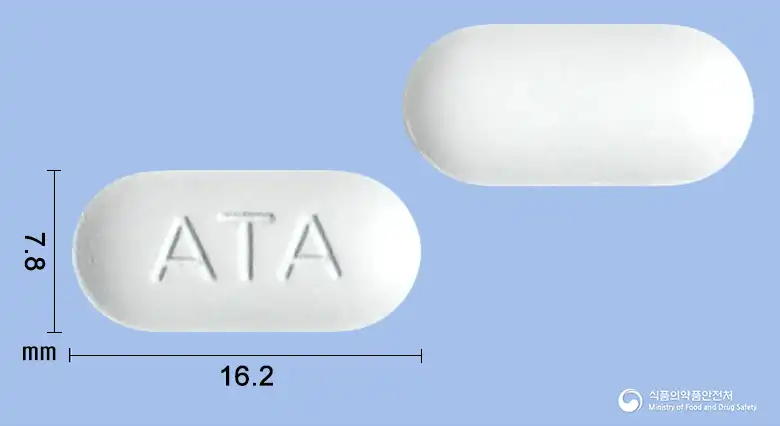
Pentoxifylline 400mg
Tablet · Prescription medication
Handok Co., Ltd.
Pentoxifylline 400mg
Tablet · Prescription medication
Korea Hyutecs Pharmaceutical Co., Ltd.
Pentoxifylline 400mg
Tablet · Prescription medication
Celltrion Pharm., Co., Ltd.
Pentoxifylline 20mg
Injections · Prescription medication
Hyuons Co., Ltd.
Pentoxifylline 20mg
Injections · Prescription medication
AlboGen Korea Co., Ltd.
Pentoxifylline 400mg
Tablet · Prescription medication
Ildong Pharmaceutical Co., Ltd.
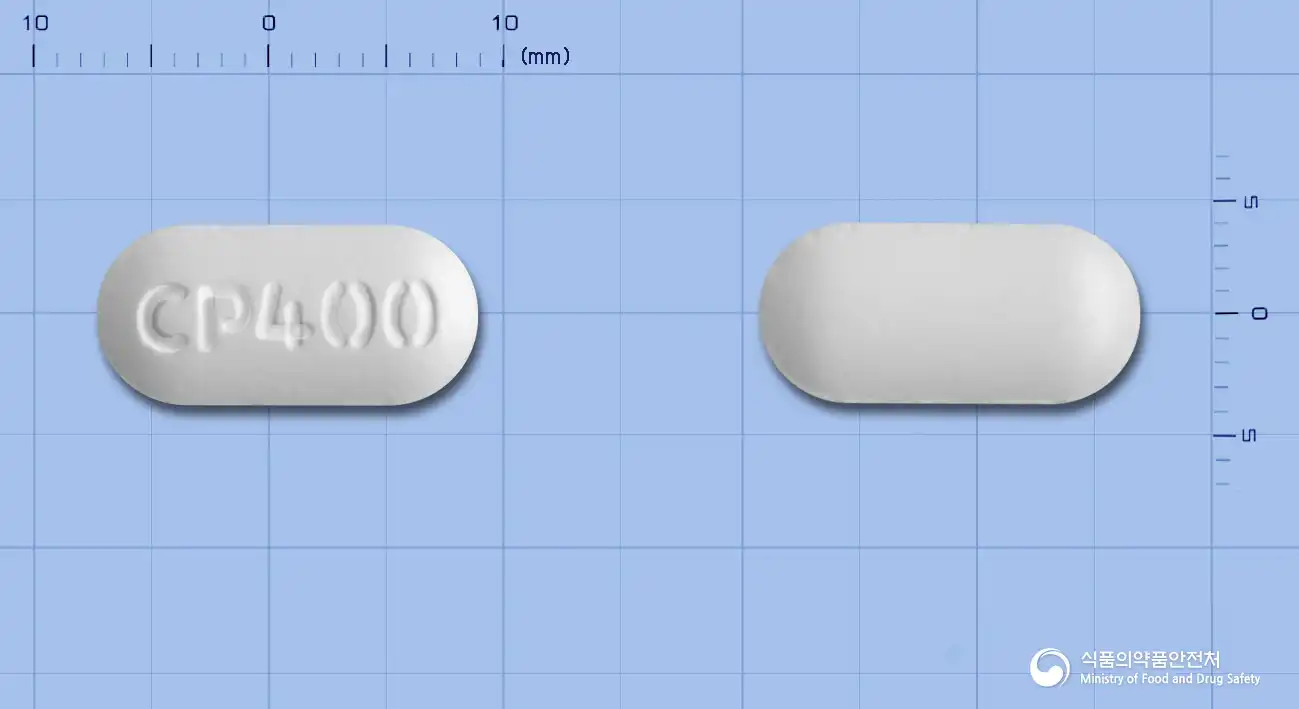
Pentoxifylline 400mg
Tablet · Prescription medication
CMG Pharmaceutical Co., Ltd.
Even with the same ingredient, the dose and directions can differ by strength and dosage form. Talk to a doctor or pharmacist before switching from a medication you are already taking.
No questions yet.
For anything that needs medical judgment, consult a doctor or pharmacist.
This drug information is based on data provided by the Korea Ministry of Food and Drug Safety.
Consult a doctor or pharmacist for accurate dosage, administration, and usage instructions.