
 한국어
 English
 日本語
 中文(简体)
Summary
- Main use
- Improvement of voiding disorders due to benign prostatic hyperplasia; treatment of mild to moderate hypertension
- Who takes it
- Adults
- Adult dose
- This medicine may be administered alone or in combination with a thiazide diuretic and other antihypertensive agents when other medicines are inappropriate or ineffective. Food has little or no effect on the bioavailability of this medicine; therefore, it may be taken without regard to meals. Adjust the dose as appropriate according to age and symptoms. 1. Voiding disorders due to benign prostatic hyperplasia ○ Adults 1) Initial dose Administer 1 mg of terazosin hydrochloride orally at bedtime as the initial dose; do not exceed this dose. Carefully monitor the patient when administering the initial dose to minimize the possibility of acute hypotension caused by the initial dose. 2) Maintenance dose Gradually increase the dose of this medicine until symptoms improve. The maintenance dose is 5–10 mg once a day orally. 3) Concomitant use with a thiazide diuretic or other antihypertensive agents: When this medicine is used in combination with a thiazide diuretic or other antihypertensive agents, reduce the dose of this medicine and increase it if necessary. Hypotension may occur with this combination regimen; monitor the patient carefully. 2. Hypertension Adjust the dose according to the patient's blood pressure response. ○ Adults 1) Initial dose Administer 1 mg of terazosin hydrochloride orally at bedtime as the initial dose; do not exceed this dose. Carefully monitor the patient when administering the initial dose to minimize the possibility of acute hypotension caused by the initial dose. 2) Maintenance dose ① Monotherapy: The maintenance dose is 2–10 mg once a day. Take it in the morning or evening, preferably at the same time each day. To achieve the desired blood pressure response, the dose may be doubled at 1-week intervals. Doses above 20 mg do not provide greater efficacy, and doses above 40 mg have not been studied. ② Concomitant use with a thiazide diuretic or other antihypertensive agents: When this medicine is used in combination with a thiazide diuretic or other antihypertensive agents, reduce the dose of this medicine and increase it if necessary. Hypotension may occur with this combination regimen; monitor the patient carefully.
Ingredients
- Manufacturer
- Youngpoong Pharmaceutical Co., Ltd.
Efficacy & effects
Improvement of voiding disorders due to benign prostatic hyperplasia; treatment of mild to moderate hypertension
- Urination disorders
- hypertension
View approved original textHide original text
This medicine is used for the treatment of urination disorders due to benign prostatic hyperplasia and mild to moderate hypertension.
How to take
Adult dose
This medicine may be administered alone or in combination with a thiazide diuretic and other antihypertensive agents when other medicines are inappropriate or ineffective. Food has little or no effect on the bioavailability of this medicine; therefore, it may be taken without regard to meals. Adjust the dose as appropriate according to age and symptoms. 1. Voiding disorders due to benign prostatic hyperplasia ○ Adults 1) Initial dose Administer 1 mg of terazosin hydrochloride orally at bedtime as the initial dose; do not exceed this dose. Carefully monitor the patient when administering the initial dose to minimize the possibility of acute hypotension caused by the initial dose. 2) Maintenance dose Gradually increase the dose of this medicine until symptoms improve. The maintenance dose is 5–10 mg once a day orally. 3) Concomitant use with a thiazide diuretic or other antihypertensive agents: When this medicine is used in combination with a thiazide diuretic or other antihypertensive agents, reduce the dose of this medicine and increase it if necessary. Hypotension may occur with this combination regimen; monitor the patient carefully. 2. Hypertension Adjust the dose according to the patient's blood pressure response. ○ Adults 1) Initial dose Administer 1 mg of terazosin hydrochloride orally at bedtime as the initial dose; do not exceed this dose. Carefully monitor the patient when administering the initial dose to minimize the possibility of acute hypotension caused by the initial dose. 2) Maintenance dose ① Monotherapy: The maintenance dose is 2–10 mg once a day. Take it in the morning or evening, preferably at the same time each day. To achieve the desired blood pressure response, the dose may be doubled at 1-week intervals. Doses above 20 mg do not provide greater efficacy, and doses above 40 mg have not been studied. ② Concomitant use with a thiazide diuretic or other antihypertensive agents: When this medicine is used in combination with a thiazide diuretic or other antihypertensive agents, reduce the dose of this medicine and increase it if necessary. Hypotension may occur with this combination regimen; monitor the patient carefully.
Precautions
This medicine should not be used by certain patients. For example, individuals allergic to this drug or α-blockers, children under the age of 12, and those with lactose intolerance or genetic metabolic disorders should not take this medicine. Patients with severely impaired liver or kidney function, a history of orthostatic hypotension, or cardiovascular or cerebrovascular disease, and alcoholics should use this medicine with caution. Additionally, this medicine contains the pigment Yellow No. 5, and those allergic to this component should also be careful. Taking this medicine may cause various side effects ranging from mild to moderate symptoms. Notably, dizziness or fainting may occur, especially when starting the medication or suddenly increasing the dosage. If fainting occurs, the patient should be laid down, and appropriate treatment should be provided if necessary. Patients may experience depression, nervousness, headache, drowsiness, sweating, dry mouth, and feelings of numbness. There may also be symptoms such as rapid heartbeat, arrhythmia, chest pain, and swelling. Rarely, liver function abnormalities, digestive disorders, nasal congestion, cough, frequent urination, visual disturbances, and skin rashes may occur. If any of these unusual symptoms arise, the patient should consult a doctor immediately. When starting this medicine for the first time or resuming after discontinuation, symptoms like dizziness, headache, and drowsiness may occur, so patients should be warned about these symptoms and necessary precautions. Special care should be taken during hazardous activities such as working at heights or driving. This medicine is used to alleviate symptoms of prostatic hyperplasia, but if symptoms do not improve, other treatment methods like surgery should be considered. It may also resemble the symptoms of prostate cancer, so it is crucial to check for cancer before treatment. Patients scheduled for cataract surgery should inform healthcare providers about the usage of this medicine, as special attention may be required during the surgery. There are no significant interactions when taken with other medications; however, caution is advised when taking it alongside antihypertensives, as blood pressure may drop too low. Women who are pregnant or may become pregnant should use this medicine cautiously, and breastfeeding mothers should avoid its use or discontinue breastfeeding if necessary. Safety and efficacy have not been established in children, so it is not recommended for use by this age group. Elderly patients should start at a lower dose to prevent blood pressure from dropping too low and should be closely monitored. In cases of overdose, blood pressure may drop sharply, so immediate medical attention is required; dialysis is ineffective.
Side effects
- Syncope
- tachycardia
- dizziness
- energy deficiency
- peripheral edema
- depression
- nervousness
- headache
- lethargy
- weakness
Show 64 moreCollapse
- sweating
- insomnia
- cold sensation
- shoulder stiffness
- drowsiness
- dry mouth
- numbness
- vasodilation
- orthostatic dysregulation
- palpitations
- edema
- arrhythmia
- chest pain
- angina
- increased AST·ALT·ALP·total bilirubin
- dyspepsia
- abdominal distension
- stomach upset
- abdominal pain
- diarrhea
- constipation
- nausea
- vomiting
- loss of appetite
- nosebleed
- influenza symptoms
- pharyngitis
- rhinitis
- shortness of breath
- cold symptoms
- nasal congestion
- increased cough
- sinusitis
- frequent urination
- urinary incontinence
- elevated BUN
- elevated CPK
- sensory disturbances
- balance disorders
- visual disturbances
- amblyopia
- conjunctivitis
- tinnitus
- water retention
- rash
- weight gain
- rigidity
- joint swelling
- joint weakness
- myalgia
- reduced libido
- erectile dysfunction
- persistent penile erection
- thrombocytopenia
- excitement
- nasal obstruction
- feeling of suffocation
- visual discomfort
- itching
- anaphylaxis
- priapism
- thrombocytopenic disorder
- atrial fibrillation
- small pupil syndrome
Not everyone experiences these, and they can vary from person to person.
Storage
This medicine should be stored in a tightly sealed container to protect it from air and moisture. The recommended storage temperature is between 1°C and 30°C at room temperature.
Appearance and packaging
Appearance
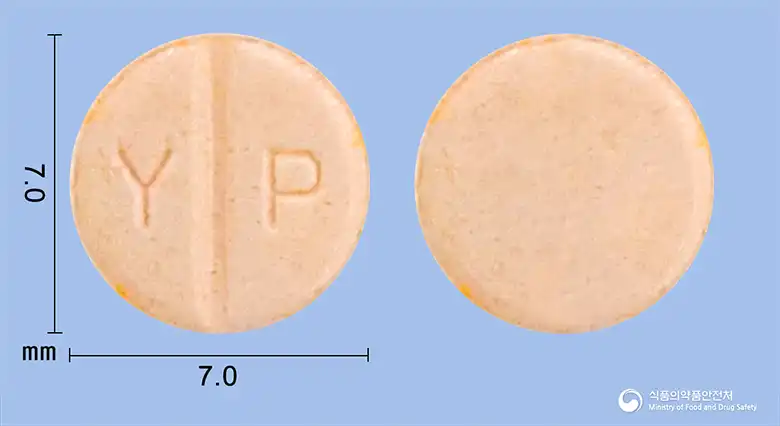
Light orange to yellow circular tablet
Package unit
30 tablets/bottle - 30 tablets/bottle, 100 tablets/bottle - 100 tablets/bottle, 300 tablets/bottle - 300 tablets/bottle
Questions about this medicine
No questions yet.
For anything that needs medical judgment, consult a doctor or pharmacist.