
 한국어
 English
 日本語
 中文(简体)
 Viewing now
Doxycamin Tablets (Doxazosin Mesylate)
Doxazosin Mesylate 2.43mg
Tablet · Prescription medication
Korea Pavis Pharmaceuticals Co., Ltd.
MFDS item code 200402698 · Notified 2004.11.25 · Insurance code 621801950
Treatment of urinary retention and difficulty urinating due to benign prostatic hyperplasia, and hypertension
This medication is used for urinary obstruction and urinary disorders caused by hypertension and benign prostatic hyperplasia.
ㆍAdults 1. Hypertension: The initial dose of doxazosin is 1㎎ orally once daily. Depending on the patient's response, increase the dose to 2㎎ after 1 week. The dose may be increased gradually at intervals of 1-2 weeks to 4㎎, 8㎎, and 16㎎ per day to achieve the desired blood pressure control. If blood pressure is not adequately controlled with this drug alone, it may be administered concomitantly with a thiazide diuretic or β-blocker. 2. Urinary retention and voiding disorders due to benign prostatic hyperplasia: The initial dose is 1㎎ once daily. Depending on the patient's blood pressure, the daily dose may be increased to 2㎎ at intervals of 1-2 weeks, and may be increased gradually to 4㎎ and 8㎎. ㆍAdjust the dose as appropriate according to age and symptoms.
This medication may cause orthostatic hypotension, so caution is needed as dizziness or fainting may occur when starting treatment or increasing the dosage. It is safer to start with a dosage of 1mg at the first dose and adjust the dosage every two weeks. This medication can rarely cause priapism, which is a prolonged erection; if symptoms occur, you must inform your doctor immediately, as untreated priapism can lead to erectile dysfunction. Patients with allergies to this medication or quinazoline drugs, as well as those with leukopenia, hypotension, children under 12 years of age, and those with certain genetic issues like lactose intolerance, should not take this medication. Patients with liver dysfunction should use this medication with greater caution. While taking this medication, frequent blood tests should be done to check white blood cell or platelet counts, and if any abnormal symptoms occur, treatment should be stopped immediately, and medical attention should be sought. This medication may cause various side effects such as dizziness, headache, drowsiness, anxiety, nausea, diarrhea, hypotension, palpitations, dyspnea, rash, etc., so if symptoms are severe, consult a physician. When taking this medication, be careful to rise slowly, and if you experience dizziness or hypotension symptoms, it’s crucial to lie down or rest. Taking this medication along with antihypertensive drugs or diuretics can lead to excessively low blood pressure, so it should be taken under the guidance of a physician. Women who are pregnant or may become pregnant should carefully consider the risks and benefits of taking this medication, and breastfeeding women should avoid taking it if possible or discontinue breastfeeding. Children and elderly persons should take this medication only under medical supervision, as its safety has not been established or the risk of side effects is high. In cases of overdose, severe hypotension may occur, necessitating immediate lying down and emergency treatment, as this medication is not removed by dialysis, requiring medical intervention. Keep this medication out of the reach of children, and be careful not to transfer it to other containers as this may cause deterioration of quality or accidents.
Not everyone experiences these, and they can vary from person to person.
This medication may be sensitive to air or moisture, so it should be stored in a tightly sealed container. The recommended storage temperature is room temperature between 1 to 30 degrees Celsius. This will help maintain the drug's effectiveness for a longer period.
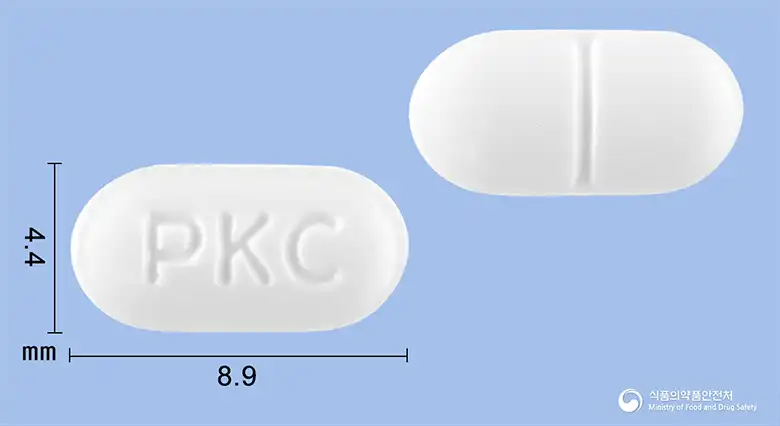
White rectangular tablets
30 tablets/bottle, 600 tablets/bottle
Even with the same ingredient, strength, dosage form and how it is taken can differ.
Viewing nowDoxazosin Mesylate 2.43mg
Tablet · Prescription medication
Korea Pavis Pharmaceuticals Co., Ltd.
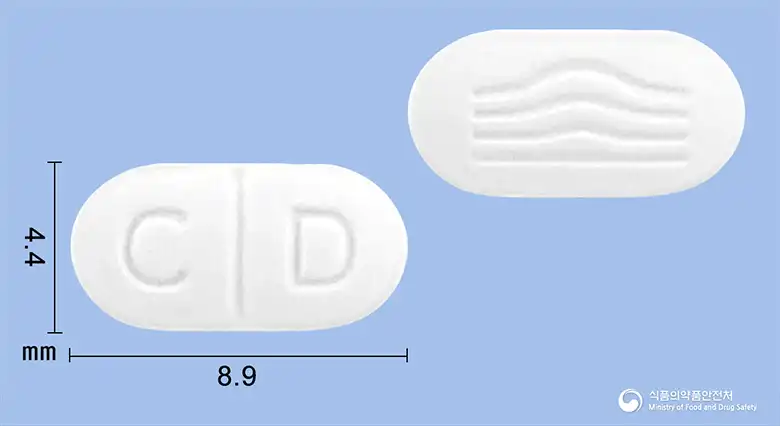
Doxazosin Mesylate 2.43mg
Tablet · Prescription medication
Baenex Co., Ltd.
Doxazosin Mesylate 2.43mg
Tablet · Prescription medication
Han All Bio Pharma Co., Ltd.
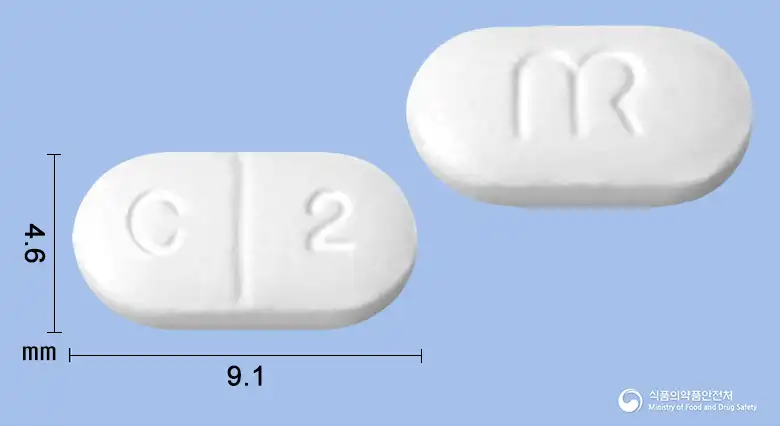
Doxazosin Mesylate 2.43mg
Tablet · Prescription medication
Mirae Bio Pharmaceutical Co., Ltd.
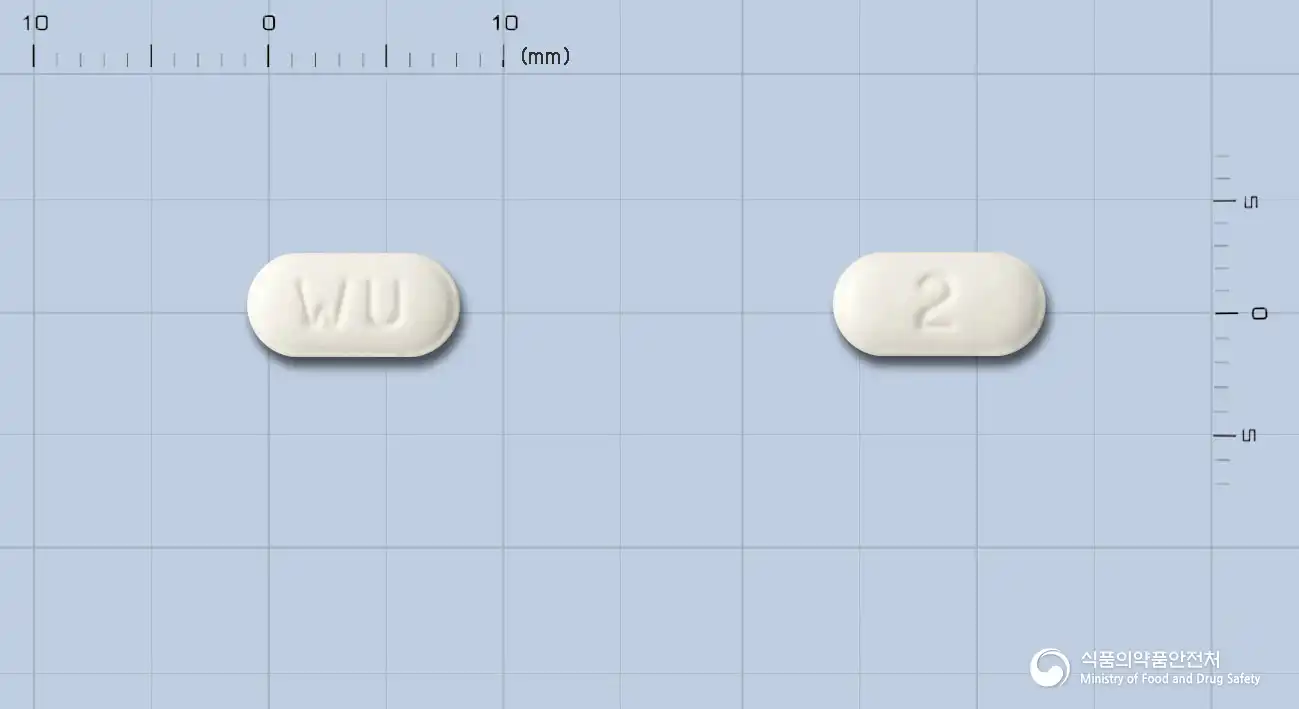
Doxazosin Mesylate 2.43mg
Tablet · Prescription medication
Withus Pharmaceutical Co., Ltd.
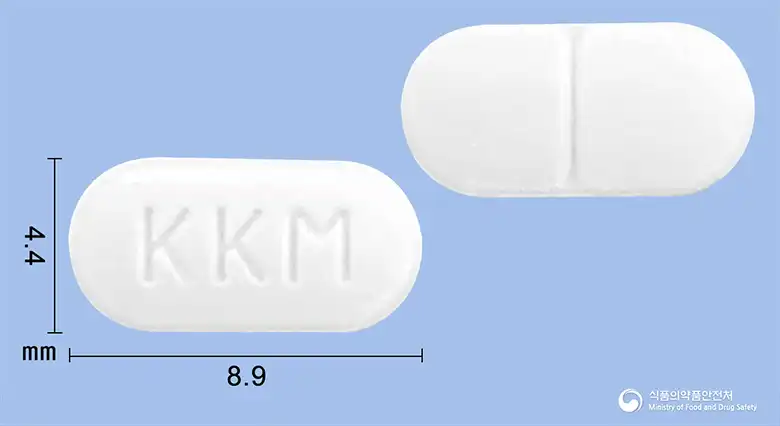
Doxazosin Mesylate 2.43mg
Tablet · Prescription medication
Genewon Science Co., Ltd.
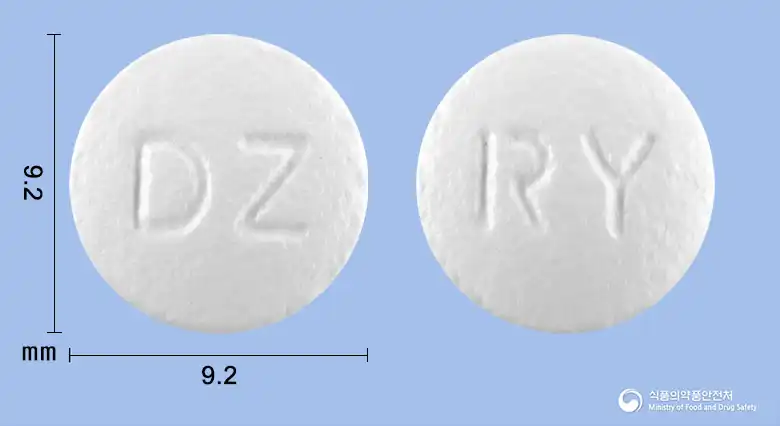
Doxazosin Mesylate 4.85mg
Tablet · Prescription medication
IYeon Pharmaceutical Co., Ltd.
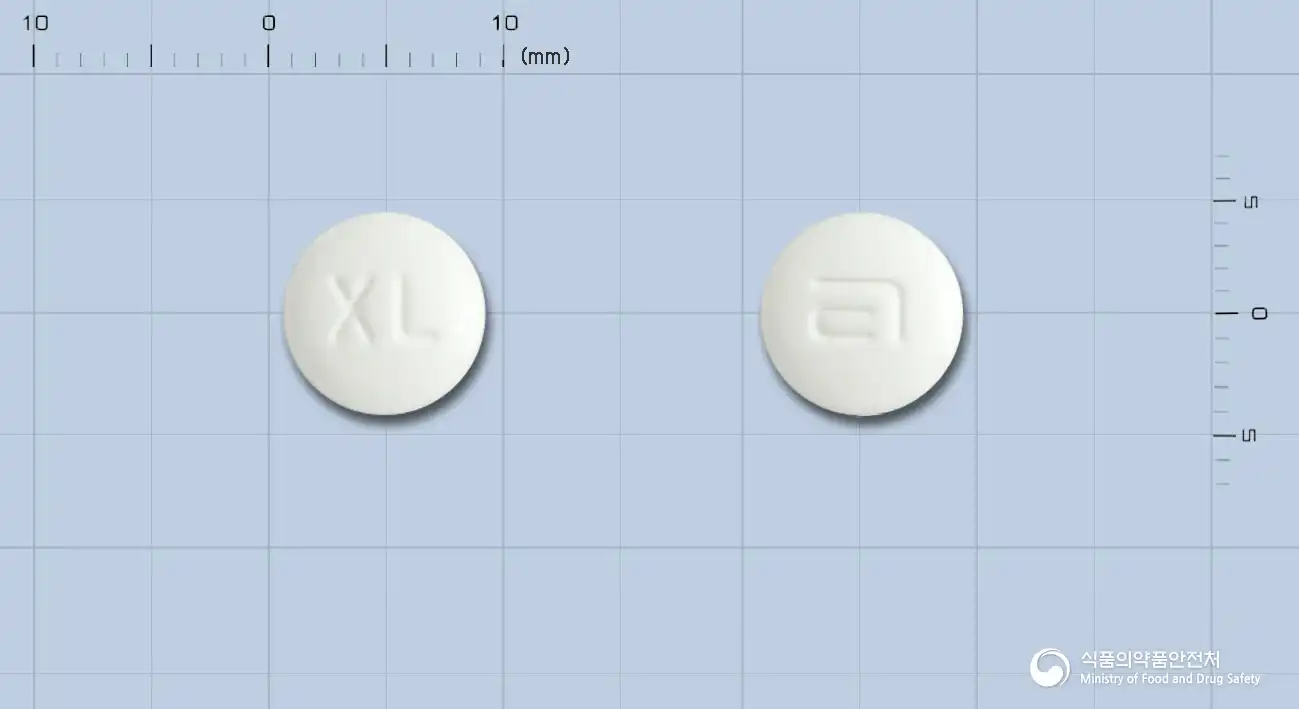
Doxazosin Mesylate 4.85mg
Tablet · Prescription medication
Kyungdong Pharmaceutical Co., Ltd.
Even with the same ingredient, the dose and directions can differ by strength and dosage form. Talk to a doctor or pharmacist before switching from a medication you are already taking.
No questions yet.
For anything that needs medical judgment, consult a doctor or pharmacist.
This drug information is based on data provided by the Korea Ministry of Food and Drug Safety.
Consult a doctor or pharmacist for accurate dosage, administration, and usage instructions.