
 한국어
한국어 English
 日本語
日本語 中文(简体)
 Viewing now
HLB Eperisone Tablet (Eperisone Hydrochloride)
Eperisone Hydrochloride 50mg
Tablet · Prescription medication
HLB Pharmaceuticals Co., Ltd.
MFDS item code 200401925 · Notified 2004.11.23 · Insurance code 647300760
Improvement of painful muscle spasms and spastic paralysis associated with musculoskeletal pain
This medication is effective for painful muscle spasms associated with musculoskeletal disorders, such as stiff neck syndrome, periarthritis of the shoulder, and low back pain. It is also used for spastic paralysis caused by neurological disorders, including various cerebrospinal diseases such as cerebrovascular disorders, spastic spinal paralysis, cervical spondylosis, sequelae after brain or spinal tumor surgeries, and post-traumatic sequelae (spinal cord injury, head trauma), cerebral palsy, and spinocerebellar degeneration. This drug helps relieve muscle stiffness and pain, aiding the patient's movement and improving the quality of life.
As Eperisone Hydrochloride, take 50 mg orally three times a day after meals. Adjust dosage appropriately based on age and symptoms.
This drug should not be used in certain patients. First, it must not be administered to patients with allergic reactions to this medication or those with myasthenia gravis. Additionally, this medication contains lactose and should not be used in patients with galactose intolerance, lactose deficiency, or glucose-galactose malabsorption, which are genetic metabolic disorders. When using this drug, caution should be exercised in patients with a history of drug hypersensitivity and those with impaired liver function. Patients with liver dysfunction may need to be careful as their liver function may worsen. While taking this medication, various adverse reactions may occur, so careful observation is required. Rarely, shock reactions may occur, and if symptoms appear, the administration should be immediately stopped, and appropriate treatment should be received. It is also possible to experience elevated liver enzymes, kidney dysfunction, and blood-related issues such as anemia. Various symptoms may arise, including skin rash or itching, insomnia, drowsiness, headache, nausea, vomiting, constipation, diarrhea, abdominal pain, abdominal bloating, stomatitis, urinary retention, incontinence, sense of residual urine, weakness, dizziness, general malaise, and decreased muscle tone, facial flushing, sweating, and edema. Especially serious skin adverse reactions such as toxic epidermal necrolysis syndrome and Stevens-Johnson syndrome can occur, so if symptoms such as fever, skin rash, blisters, conjunctival injection, or stomatitis develop, the medication should be stopped immediately, and a hospital visit is necessary. While taking this medication, drowsiness or decreased concentration may occur, so it is advisable to avoid driving or operating hazardous machinery. Furthermore, caution is warranted when taken with similar medications, as visual disturbances may occur. Women who are pregnant or may become pregnant should only use this medication when the benefits of treatment outweigh the risks, as its safety has not been fully established. If breastfeeding, it is recommended to avoid administration if possible, and if unavoidable, to discontinue breastfeeding. In children, safety has not been sufficiently confirmed, and there is limited experience with usage, so caution is needed. In elderly patients, special care is necessary due to the possible decline in physical function, including dose reduction.
Shock, anaphylactic reactions, angioedema, toxic epidermal necrolysis and mucocutaneous-ocular syndrome (Stevens-Johnson syndrome), liver abnormalities (elevated ALT, AST, ALP), kidney abnormalities (proteinuria, elevated BUN), anemia.
Not everyone experiences these, and they can vary from person to person.
This medication should be stored in a tightly sealed container to prevent exposure to air or moisture. It is best to maintain the storage temperature between 1 to 30 degrees Celsius at room temperature.
White round film-coated tablets
30 tablets/bottle, 300 tablets/bottle
Even with the same ingredient, strength, dosage form and how it is taken can differ.
Viewing nowEperisone Hydrochloride 50mg
Tablet · Prescription medication
HLB Pharmaceuticals Co., Ltd.
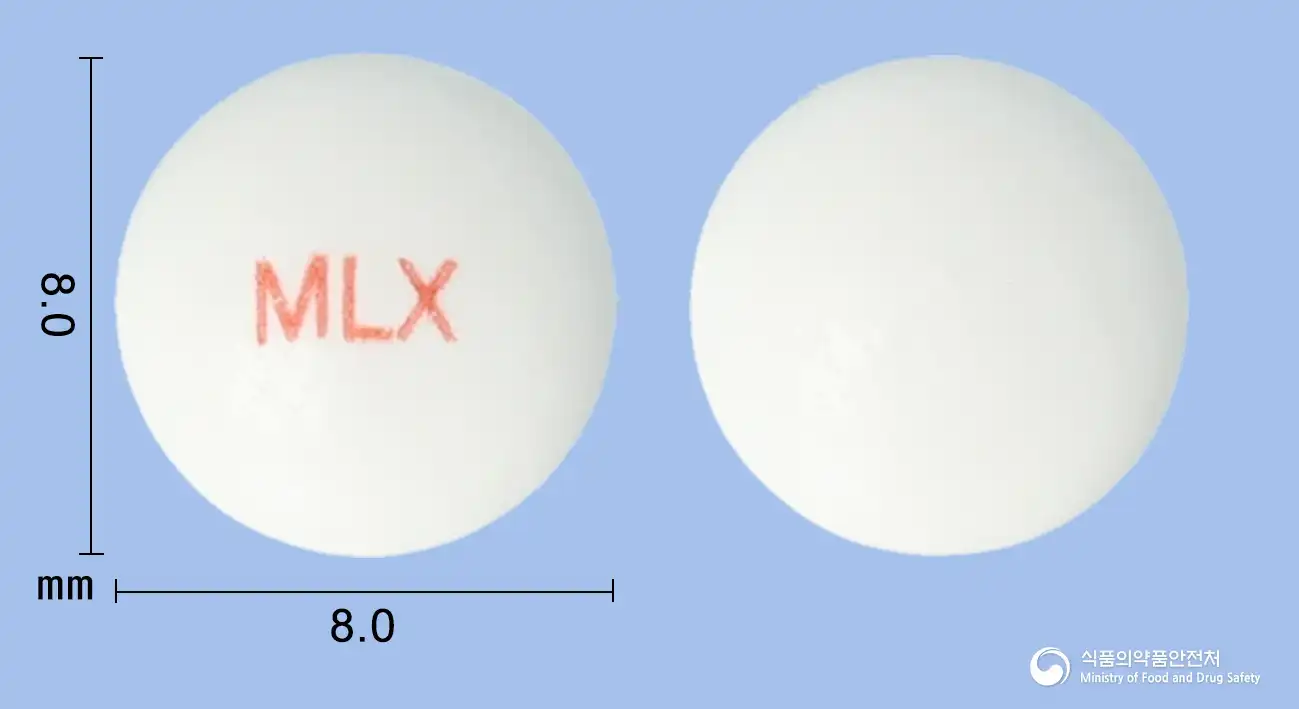
Eperisone Hydrochloride 50mg
Tablet · Prescription medication
Chodang Pharmaceutical Co., Ltd.
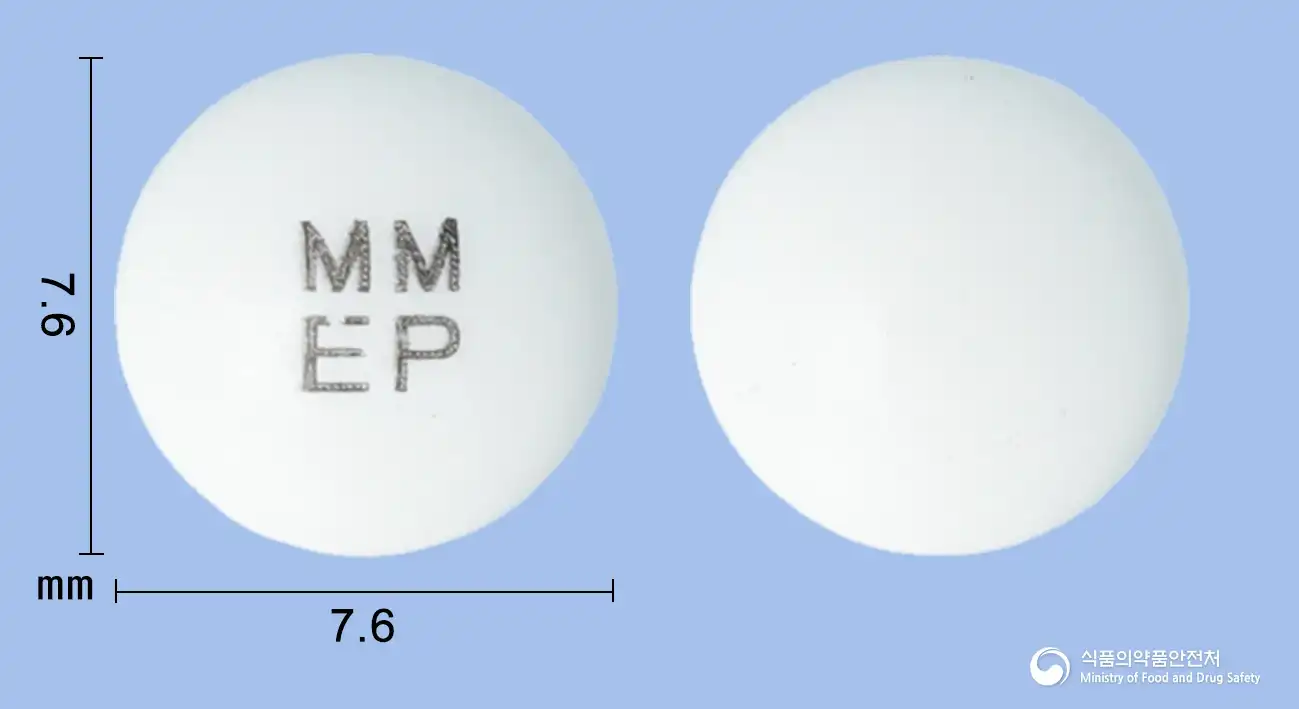
Eperisone Hydrochloride 50mg
Tablet · Prescription medication
Myeongmun Pharmaceutical Co., Ltd.
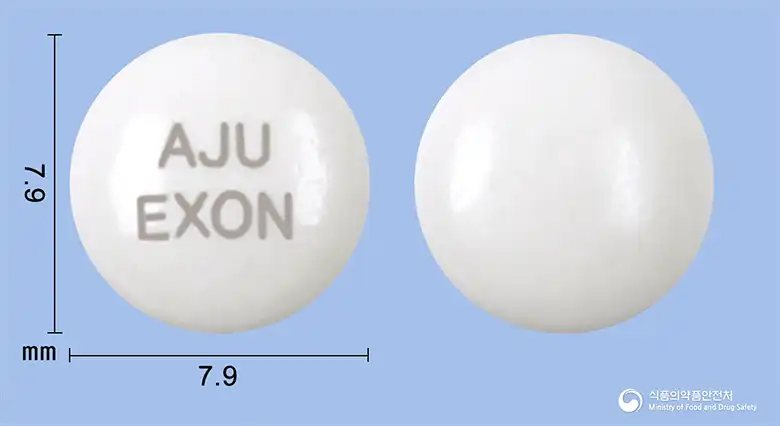
Eperisone Hydrochloride 50mg
Prescription medication
Aju Pharmaceutical Co., Ltd.
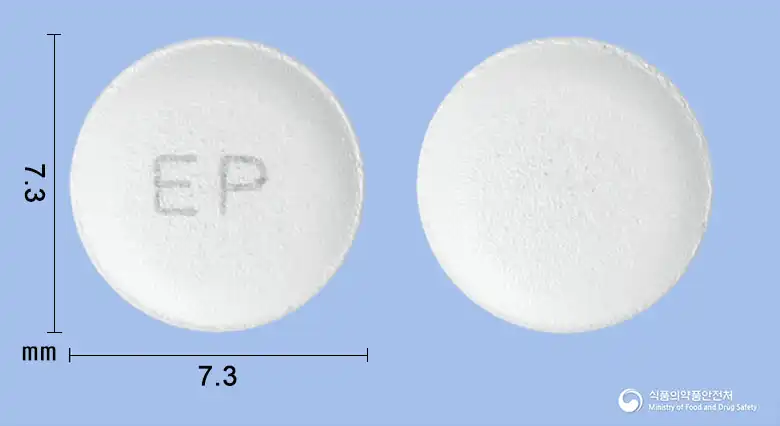
Eperisone Hydrochloride 50mg
Tablet · Prescription medication
Daewoo Pharmaceutical Co., Ltd.
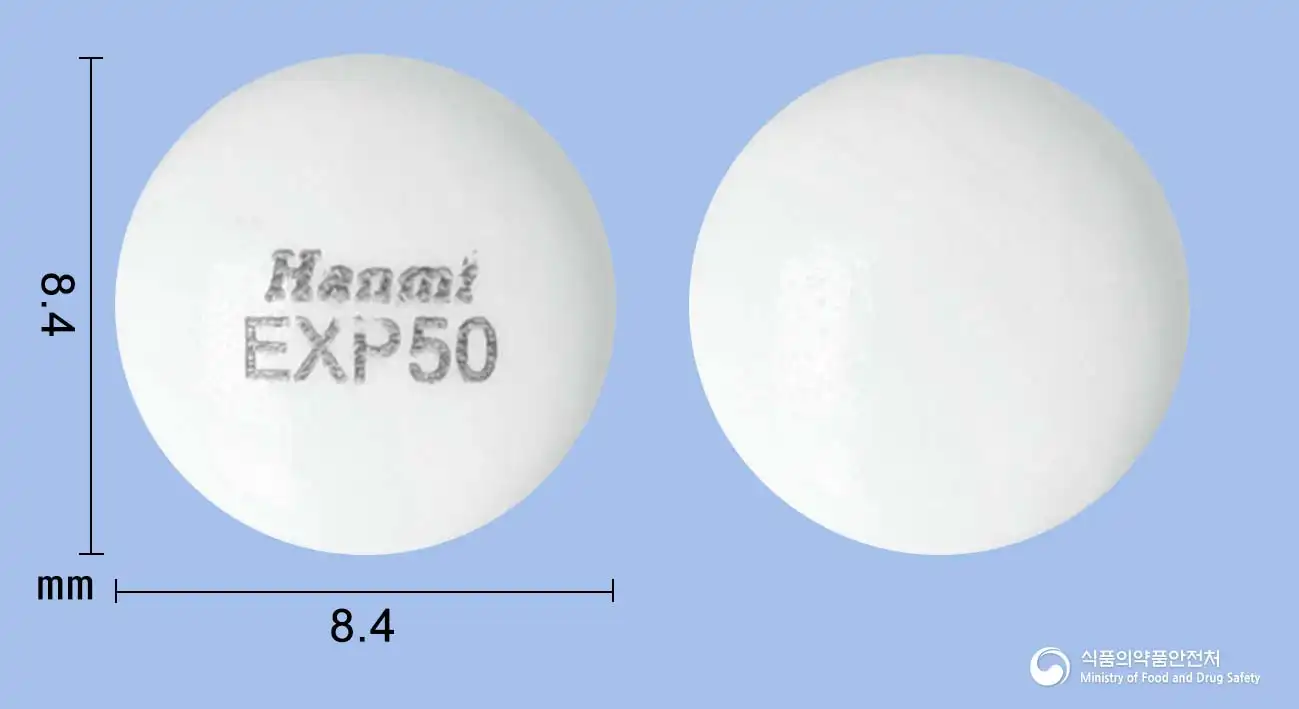
Eperisone Hydrochloride 50mg
Prescription medication
Hanmi Pharmaceutical Co., Ltd.
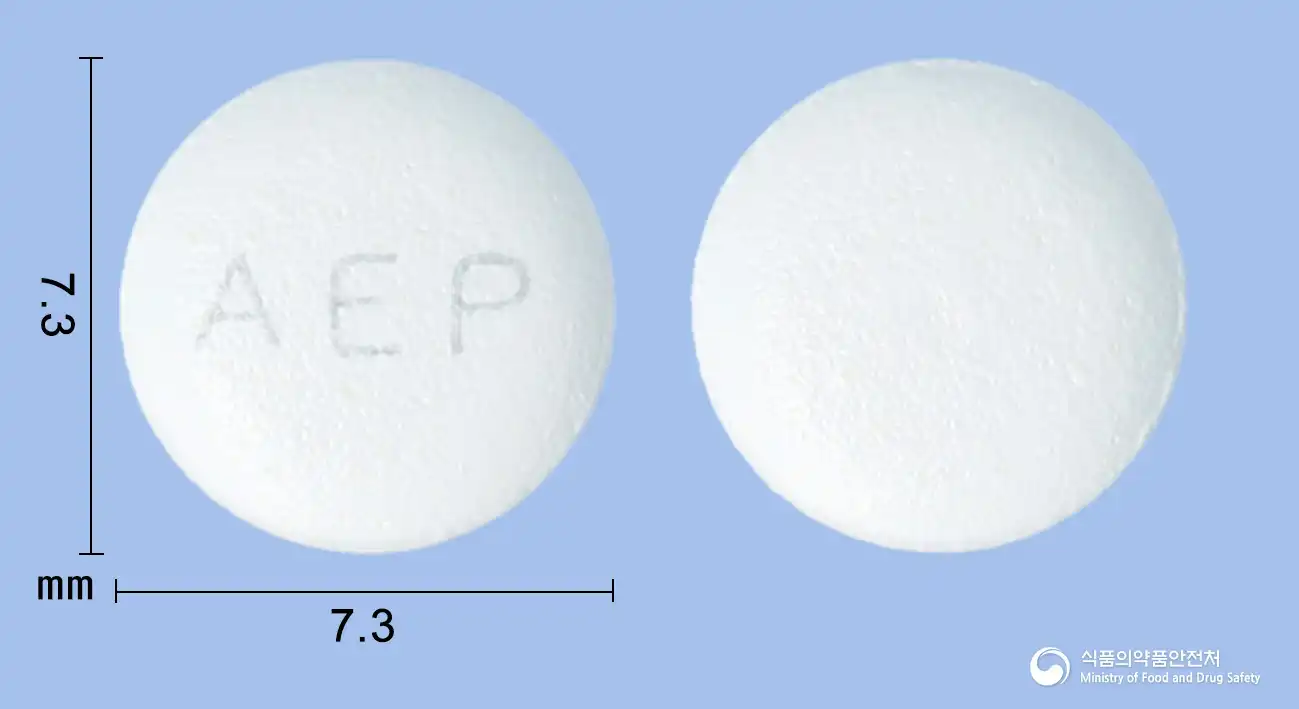
Eperisone Hydrochloride 50mg
Tablet · Prescription medication
Kyungdong Pharmaceutical Co., Ltd.
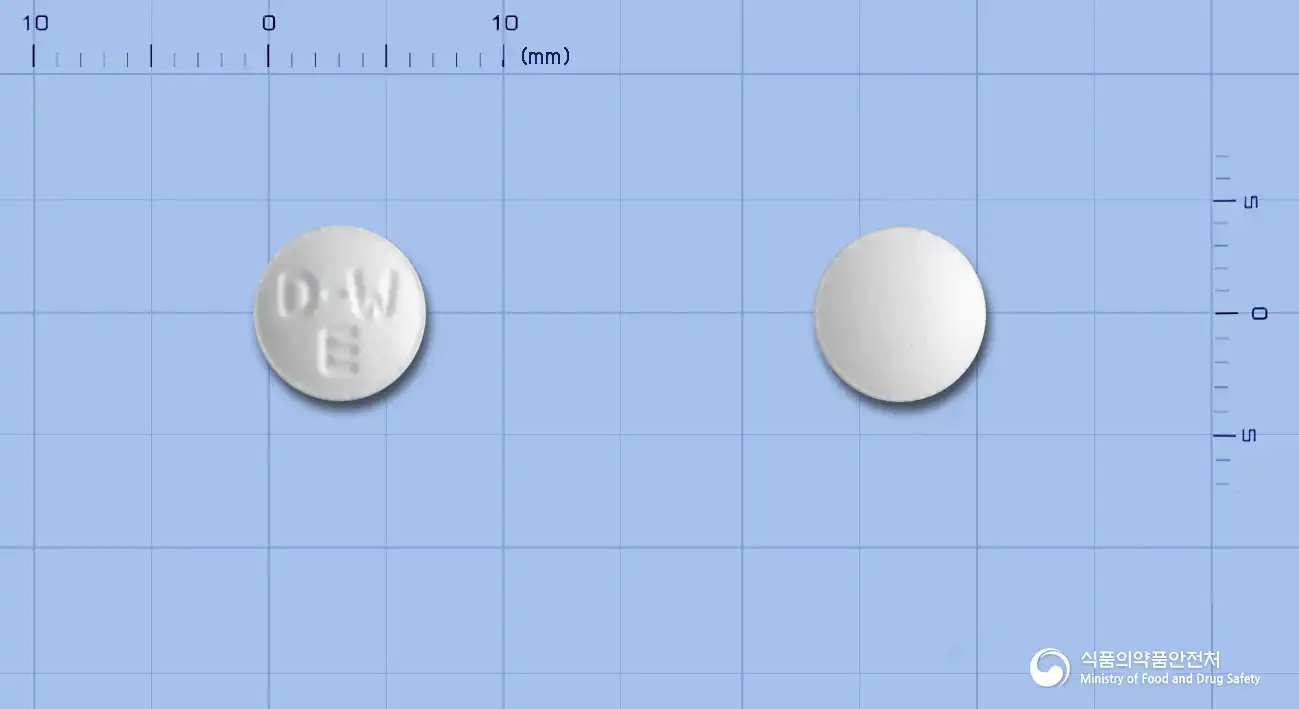
Eperisone Hydrochloride 50mg
Tablet · Prescription medication
Dongwha Pharmaceutical Co., Ltd.
Even with the same ingredient, the dose and directions can differ by strength and dosage form. Talk to a doctor or pharmacist before switching from a medication you are already taking.
No questions yet.
For anything that needs medical judgment, consult a doctor or pharmacist.
This drug information is based on data provided by the Korea Ministry of Food and Drug Safety.
Consult a doctor or pharmacist for accurate dosage, administration, and usage instructions.