
 한국어
한국어 English
 日本語
日本語 中文(简体)
Dosage form image
Viewing nowInnoen Levofloxacin Injection
Levofloxacin 5.1246mg
Injections · Prescription medication
HK Inno.N Co., Ltd.
MFDS item code 200401544 · Notified 2004.12.04 · Insurance code 640001612,640001622,640004941
Treatment of community-acquired pneumonia, complicated urinary tract infections, etc.
This medicine is effective against a variety of bacteria including enterococci, Staphylococcus aureus, Streptococcus pneumoniae, and Escherichia coli. It is primarily used for the treatment of community-acquired pneumonia, complicated urinary tract infections including acute pyelonephritis, complex skin and soft tissue infections, acute sinusitis, and acute bacterial exacerbations of chronic bronchitis. In particular, this medication belongs to the fluoroquinolone class, which carries a risk of serious adverse reactions, and therefore is recommended for use only when other therapeutic options are unavailable for acute sinusitis, bacterial exacerbations of chronic bronchitis, or complex skin infections. It is important to use this medication carefully depending on the patient’s condition. Overall, it is effective for treating a range of bacterial infections and helps manage complex and severe infections.
1. Generally administered by slow intravenous drip once or twice daily. The dosage is determined based on the type and severity of the infection and the susceptibility of the suspected pathogen. Typically, after a few days of intravenous administration, it may be converted to oral medication depending on the patient’s condition. In this case, the dosage is the same as the intravenous dosage. 2. Administration method: This medication must be administered only by slow intravenous infusion. It can be given once or twice daily.
This medication is a fluoroquinolone antibiotic and can lead to severe side effects such as tendonitis or tendon rupture, peripheral neuropathy, and central nervous system problems. If any of these symptoms occur, the medication should be discontinued immediately, and drugs in the same class should not be used. It should not be administered to patients with myasthenia gravis, as it may exacerbate symptoms. This drug should only be used when there are no other treatment options for specific bacterial infections, and it must be slowly infused over a prescribed duration. If there is a sudden drop in blood pressure during infusion, administration should be stopped immediately. Co-administration of this drug with corticosteroids increases the risk of tendon rupture, so they should be avoided together, and if tendon pain or inflammation occurs, rest and avoidance of exercise are recommended. Additionally, this medication can cause neuromuscular blockade, which may pose risks to patients with myasthenia gravis. It should not be used in cases of hypersensitivity to this drug, epilepsy, patients with a history of tendonitis or tendon rupture, growing children and adolescents, or pregnant or nursing women. Patients with seizure disorders, impaired kidney function, and diabetes should use it carefully, with attention to drug interactions. This drug can cause severe allergic reactions such as rash, hives, or difficulty breathing, and if symptoms occur, it should be discontinued immediately. During therapy, exposure to sunlight or ultraviolet light should be avoided, as dizziness or drowsiness may occur, caution should be exercised when driving or operating machinery. In case of overdose, central nervous system symptoms and cardiac problems may occur, so immediate medical assistance should be sought. This drug is not administered to pregnant or nursing women, nor used in children or adolescents in growth periods. Elderly patients may require dose adjustments due to decreased kidney function.
Hives, severe swelling (angioedema), chest tightness, difficulty breathing, cold sweat, paleness, high fever with severe rash, blisters, skin peeling, pain in oral/ocular mucosa, shortness of breath or difficulty breathing, asthma attack, respiratory abnormalities with cough and fever, jaundice (yellowing of the skin or eyes), extreme lethargy, sudden and severe headache, lightning headache, seizures, confusion, visual disturbances, paralysis,
Not everyone experiences these, and they can vary from person to person.
This medication should be stored in a sealed container to protect it from air and light. Additionally, it should be kept in a dark place away from direct sunlight and stored at room temperature between 1 to 30 degrees Celsius.
A transparent yellow solution with a light green tint filled in a colorless and transparent plastic container for injection.
50mL, 100mL, 150mL
Even with the same ingredient, strength, dosage form and how it is taken can differ.
Levofloxacin 5.1246mg
Injections · Prescription medication
HK Inno.N Co., Ltd.
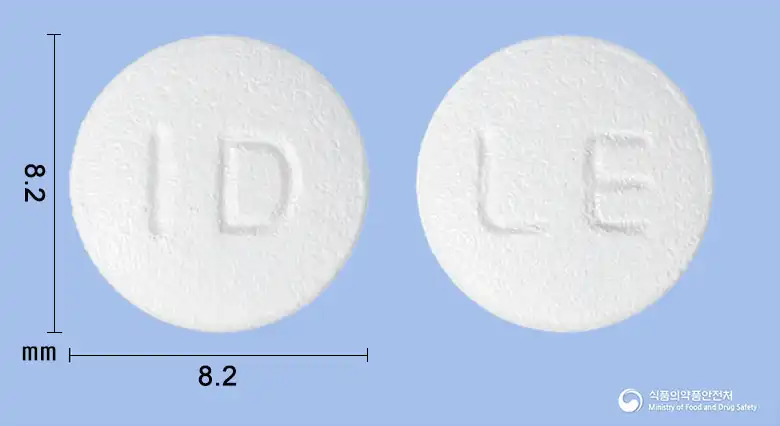
Levofloxacin Hydrate 100mg
Tablet · Prescription medication
Ildong Pharmaceutical Co., Ltd.
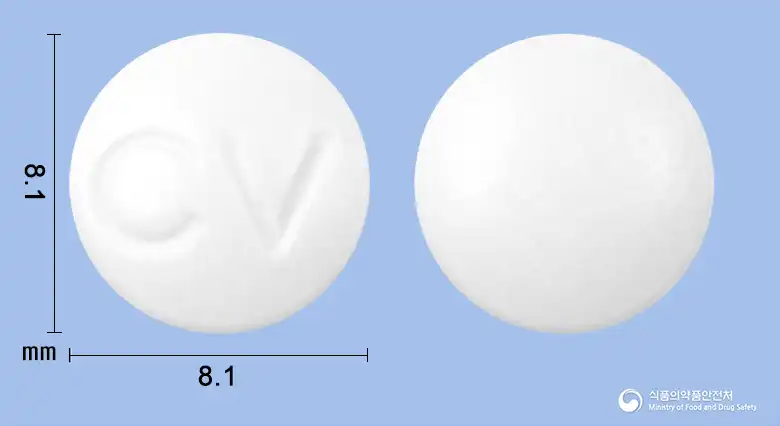
Levofloxacin 100mg
Tablet · Prescription medication
Jeil Pharmaceutical Co., Ltd.
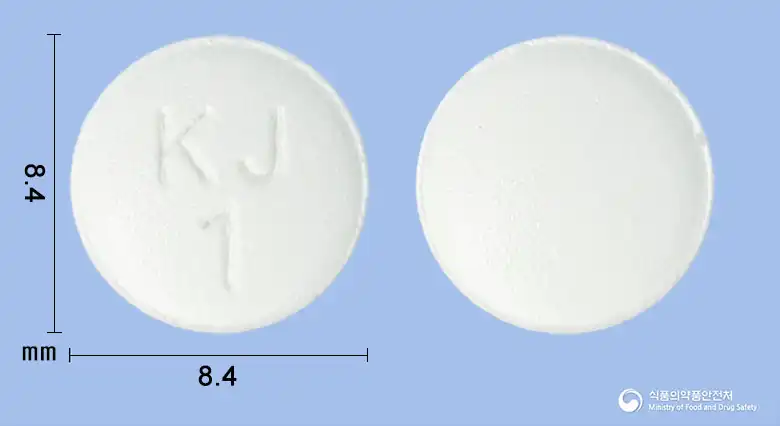
Levofloxacin Hydrate 100mg
Tablet · Prescription medication
International Pharmaceuticals Co., Ltd.
Levofloxacin 5.1246mg
Prescription medication
Jeil Pharmaceutical Co., Ltd.
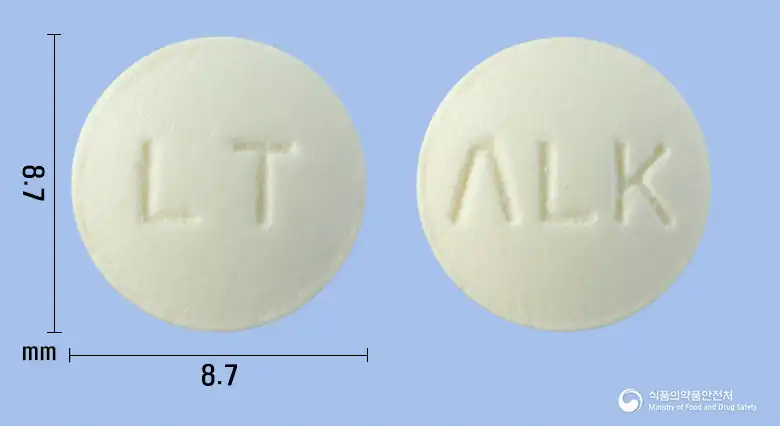
Levofloxacin Hydrate 100mg
Tablet · Prescription medication
SS Pharm Co., Ltd.
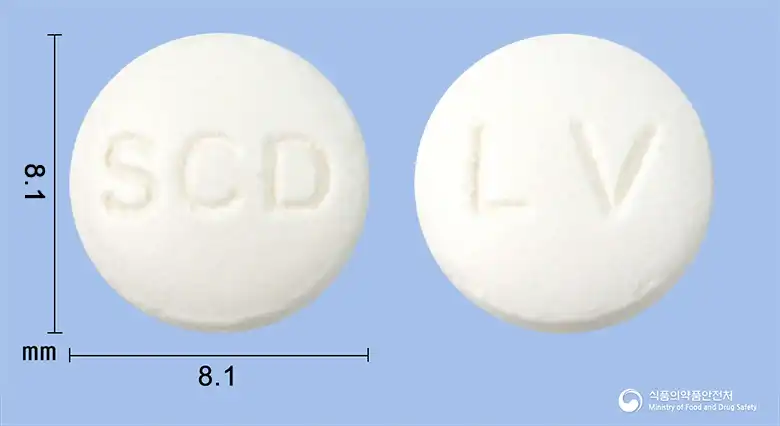
Levofloxacin Hydrate 102.49mg
Tablet · Prescription medication
Samchundang Pharmaceutical Co., Ltd.
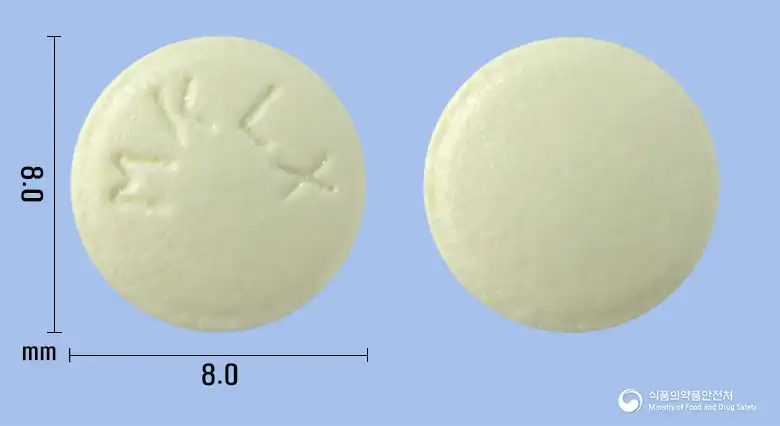
Levofloxacin Hydrate 100mg
Tablet · Prescription medication
Medica Korea Co., Ltd.
Even with the same ingredient, the dose and directions can differ by strength and dosage form. Talk to a doctor or pharmacist before switching from a medication you are already taking.
No questions yet.
For anything that needs medical judgment, consult a doctor or pharmacist.
This drug information is based on data provided by the Korea Ministry of Food and Drug Safety.
Consult a doctor or pharmacist for accurate dosage, administration, and usage instructions.