
 한국어
한국어 English
 日本語
日本語 中文(简体)
 Viewing now
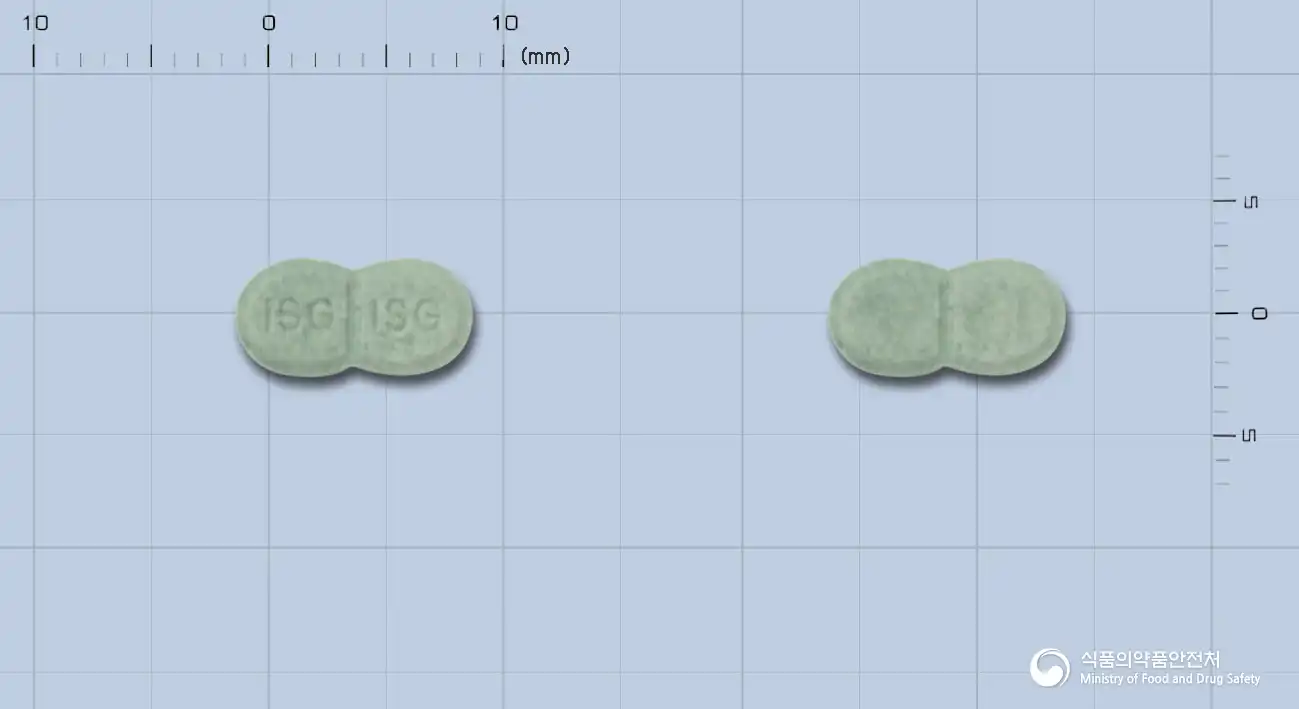
Ilseong Glimepiride Tablet 2mg
Glimepiride 2mg
Tablet · Prescription medication
Ilseong IS Co., Ltd.
MFDS item code 200401535 · Notified 2004.02.06 · Insurance code 655401330
Improvement of blood glucose control in type 2 diabetes
This medication is used as an adjunct to dietary and exercise therapy to improve blood glucose control in patients with type 2 diabetes. It can be administered alone, and in cases where blood glucose control is inadequate, it can be used in combination with other oral hypoglycemic agents or insulin. Particularly, when there is insufficient effect from sulfonylureas or metformin monotherapy, this medication can be administered together with metformin to improve blood glucose control. This medication effectively assists patients in managing their blood glucose and supports stable blood glucose control.
This medication is taken orally once daily. It should be taken before breakfast or immediately prior to the first meal. Start dosing with 1 mg of glimepiride once daily and increase by 1 mg at 1 to 2-week intervals. Generally, no additional effects are observed at doses exceeding 4 mg; however, if necessary, the dose may be increased to 6 mg or 8 mg. If a daily dose of 4 mg is ineffective, prior to transitioning to insulin therapy,
This medication should not be used in patients with insulin-dependent diabetes, diabetic ketoacidosis, or those in a coma. Individuals allergic to this medication or its components should also avoid taking it. Patients with severely impaired liver or kidney function are advised against using this medication. It is also safer for women who are pregnant or may become pregnant, as well as for nursing mothers, to avoid taking this medication. Insulin therapy is more appropriate for patients with severe infections, those before and after surgery, or those who have suffered major injuries. Patients with gastrointestinal disorders such as diarrhea or vomiting should be cautious as there is a risk of hypoglycemia. During the first week of administration, there is a higher risk of hypoglycemia, so blood glucose levels should be closely monitored. Particularly, elderly patients, those with poor nutritional status or who skip meals, and those with an unbalanced exercise and carbohydrate intake need to take extra precautions. Patients who frequently consume alcohol or have weakened liver and kidney functions may also be sensitive to hypoglycemia. If taking other medications simultaneously, blood glucose control may be compromised due to drug interactions, so it is important to consult with a physician. Symptoms of hypoglycemia can include headache, severe hunger, nausea, fatigue, anxiety, confusion, dizziness, drowsiness, and loss of consciousness; immediate action should be taken if these symptoms occur. Visual disturbances or gastrointestinal symptoms may also rarely appear, so it is important to report any unusual symptoms. Symptoms of impaired liver function or blood abnormalities may also occur, necessitating regular check-ups. If allergic reactions occur, the medication should be discontinued immediately and medical personnel informed. This medication should be taken regularly, and optimal blood glucose control can be maintained alongside dietary management and exercise. In events of hypoglycemia, foods containing sugar should be consumed immediately to manage symptoms. During pregnancy or breastfeeding, insulin therapy is recommended instead of this medication. Safety and efficacy have not been established for children under 18 years of age, hence it is not used in this population. In case of overdose, hypoglycemic symptoms may worsen, so immediate medical consultation is necessary for appropriate treatment. This medication should be kept out of the reach of children and stored in its original container.
Hives, severe swelling (edema), chest tightness, difficulty breathing, cold sweat, pallor, severe rash with fever, blisters, peeling skin, pain in mucous membranes of mouth/eye, wheezing or difficulty breathing, asthma attack, respiratory abnormalities accompanying cough and fever, yellowing of skin or eyes (jaundice), extreme lethargy, sudden and severe headache, thunderclap headache, seizures, confusion of consciousness, visual abnormalities, paralysis, urination
Not everyone experiences these, and they can vary from person to person.
This medication may be sensitive to air and humidity, thus it should be stored in a tightly sealed container. Moreover, it is best to store the medication at a temperature between 1 degree and 30 degrees Celsius at room temperature. Storing it this way will help maintain the medication's effectiveness for a longer duration.
Green rectangular tablets
30 tablets/bottle, 100 tablets/bottle
Even with the same ingredient, strength, dosage form and how it is taken can differ.
Viewing nowGlimepiride 2mg
Tablet · Prescription medication
Ilseong IS Co., Ltd.
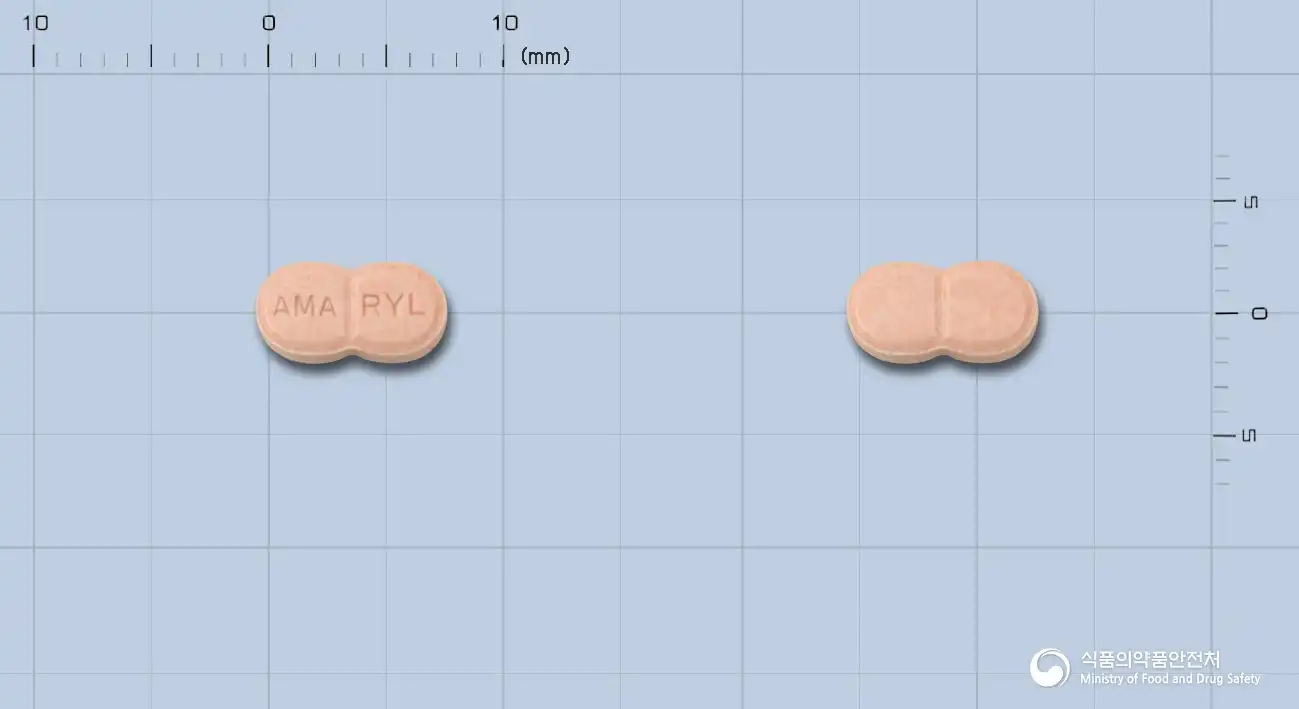
Glimepiride 1mg
Tablet · Prescription medication
Handok Co., Ltd.
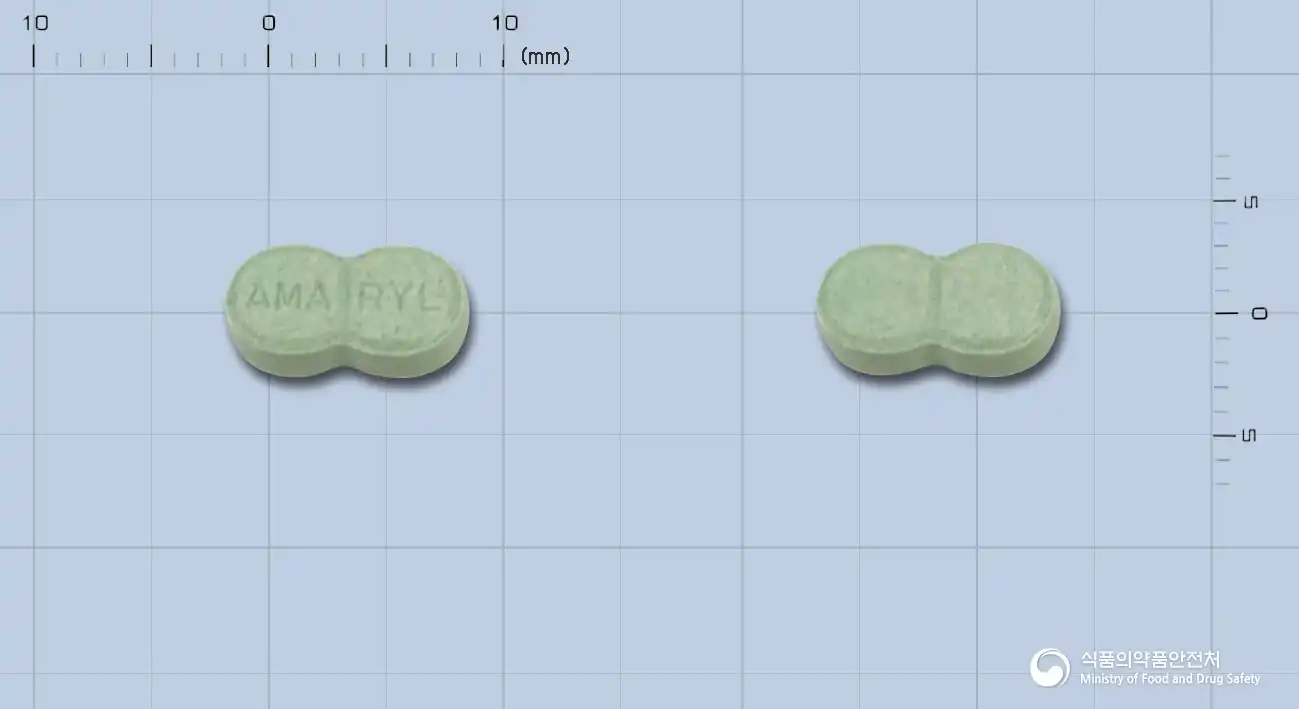
Glimepiride 2mg
Tablet · Prescription medication
Handok Co., Ltd.
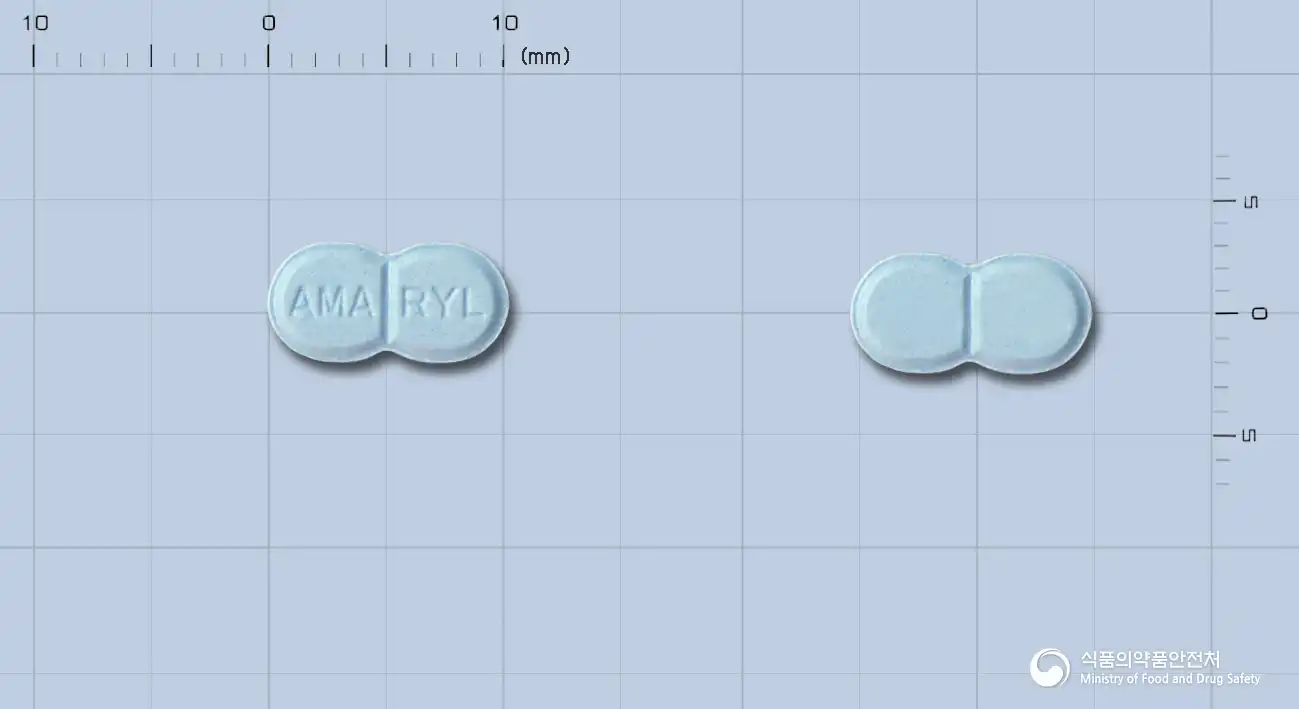
Glimepiride 4mg
Tablet · Prescription medication
(Hanmi Pharmaceutical Co., Ltd.)
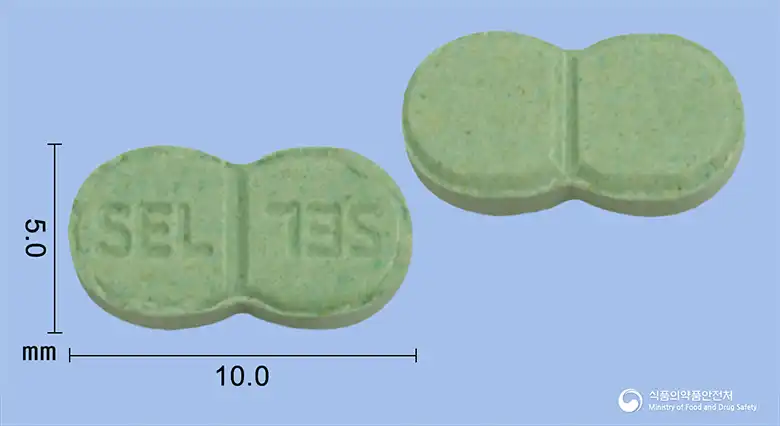
Glimepiride 2mg
Tablet · Prescription medication
Seoul Pharmaceutical Co., Ltd.
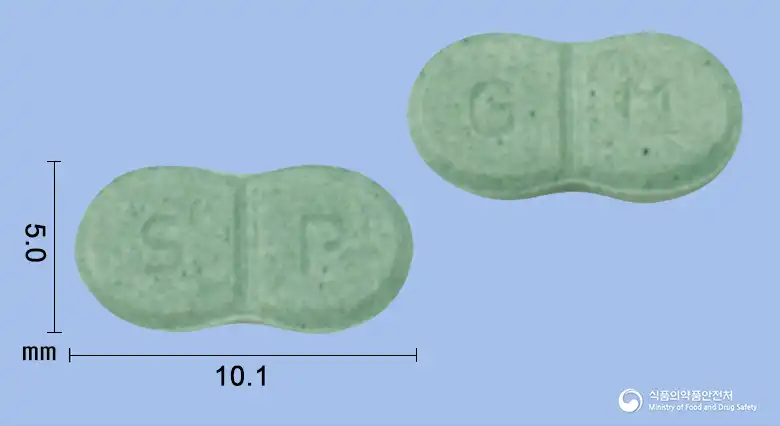
Glimepiride 2mg
Tablet · Prescription medication
Shinpoong Pharmaceutical Co., Ltd.
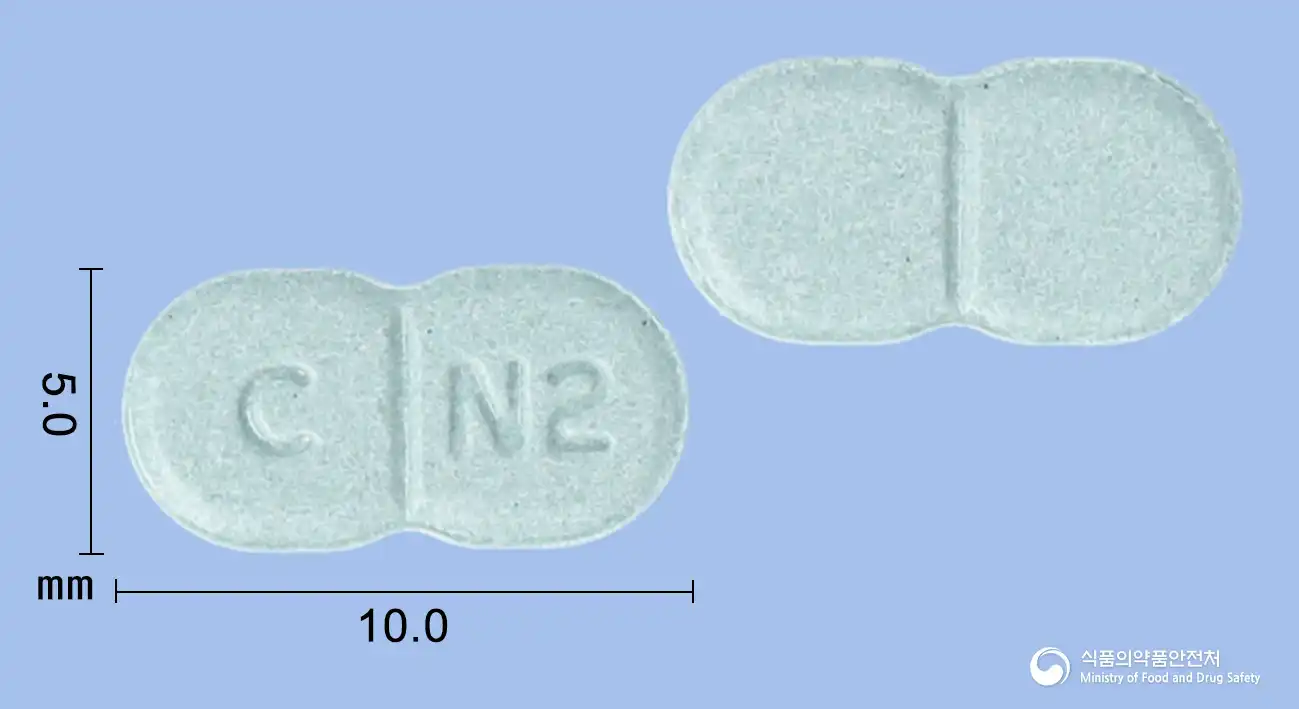
Glimepiride 2mg
Tablet · Prescription medication
Jongkundang Co., Ltd.
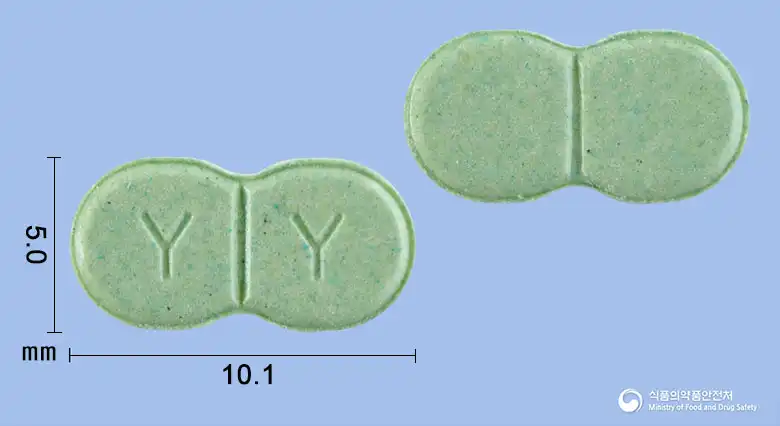
Glimepiride 2mg
Tablet · Prescription medication
IYun Pharmaceuticals Co., Ltd.
Even with the same ingredient, the dose and directions can differ by strength and dosage form. Talk to a doctor or pharmacist before switching from a medication you are already taking.
No questions yet.
For anything that needs medical judgment, consult a doctor or pharmacist.
This drug information is based on data provided by the Korea Ministry of Food and Drug Safety.
Consult a doctor or pharmacist for accurate dosage, administration, and usage instructions.