
 한국어
 English
 日本語
 中文(简体)
 Viewing now
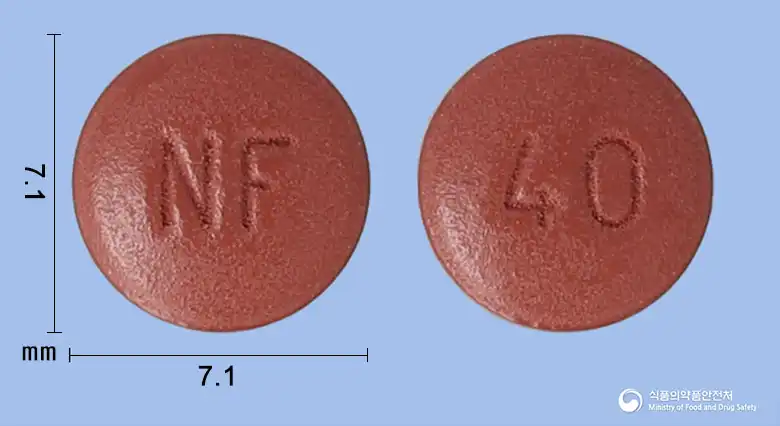
Nifedipine SR Tablets 40 mg (Nifedipine)
Nifedipine 40mg
Tablet · Prescription medication
Ellison Pharmaceutical Co., Ltd.
MFDS item code 200400999 · Approved 2004.08.27 · Insurance code 620500010
Treatment of hypertension and coronary artery disease (chronic stable angina, variant angina, etc.)
This medication is used to treat hypertension and coronary artery diseases, such as chronic stable angina, atypical angina, and post-myocardial infarction syndrome.
Adults: The usual dose is 40 milligrams once daily. If an increase is needed, 80 milligrams may be taken once daily or divided into two doses per day. Doses exceeding 80 milligrams are not recommended. Coronary artery disease: The recommended dose is 40 milligrams once daily. If an increase is needed, 80 milligrams may be taken once daily or divided into two doses per day. An increase above 80 milligrams may be used as an exception under a doctor's direction. Take after meals. Do not chew; swallow with plenty of water.
Adolescents aged 14 years and older: The usual dose is 40 milligrams once daily. If an increase is needed, 80 milligrams may be taken once daily or divided into two doses per day. Doses exceeding 80 milligrams are not recommended.
This medication should not be used in specific patients. For example, individuals who are allergic to this medication, pregnant or breastfeeding women, patients with severe heart problems, or those with very low blood pressure should not take this drug. Additionally, caution is needed for patients with impaired kidney or liver function, heart failure, elderly patients, and diabetic patients when using this medication. In such cases, the condition should be closely monitored under the guidance of a doctor. This medication may affect liver function, so liver function tests should be checked periodically, and any abnormal symptoms should be reported to a physician immediately. While taking this drug, symptoms such as dizziness due to blood pressure reduction, heart-related symptoms, gastrointestinal symptoms, skin rash, muscle pain, and mental changes may occur, and immediate notification to healthcare personnel is necessary if any of these symptoms arise. Abrupt discontinuation of this medication may worsen symptoms; therefore, the dosage should be gradually reduced according to the doctor's instructions, and it should not be stopped arbitrarily. As this medication has blood pressure-lowering effects, caution is required when driving or operating machinery, especially when starting the medication, changing dosage, or taking it with alcohol. Interactions with other medications may occur, so it's essential to inform the doctor or pharmacist about any medications currently being taken, particularly when used with certain antibiotics, antidepressants, antifungals, antivirals, and antihypertensive drugs, as careful monitoring for changes in blood pressure and side effects is crucial. Taking this medication with grapefruit juice may increase its concentration in the blood and raise the risk of side effects, so grapefruit juice should be avoided. Women who are pregnant or may become pregnant and those who are breastfeeding should not take this medication, and if it is absolutely necessary, breastfeeding should be discontinued after consulting a healthcare professional. Safety and efficacy have not been established for children under 18 years of age, and its use is not recommended. In cases of overdose, severe heart issues, hypotension, and altered consciousness may occur, necessitating immediate emergency treatment and appropriate care in a hospital. This medication must be taken intact as prescribed and should not be chewed or crushed. When storing, it should be kept out of the reach of children and in its original container, tightly sealed and protected from moisture and light.
Jaundice, elevated AST, elevated ALT, elevated ALP, elevated BUN, elevated creatinine, nocturia, polyuria, dysuria, increased urinary frequency, erectile dysfunction, agranulocytosis, aplastic anemia, thrombocytopenia, anemia, leukopenia, chest pain, ischemic pain, myocardial infarction, facial flushing, warmth sensation, palpitations, hypotension, orthostatic hypotension, lower limb edema, peripheral edema, hypertension, vasodilation, tachycardia, sweating, fever, syncope, angina pectoris, cardiovascular disorders, heaviness in the head, headache, dizziness, fatigue, neurasthenia, paresthesia, discomfort, drowsiness, insomnia, weakness, tremors, anxiety, balance disorders, depression, paranoid symptoms, decreased sensation, sleep disorders, migraine, upper abdominal pain, nausea, vomiting, constipation, dyspepsia, diarrhea, abdominal discomfort, thirst, heartburn, loss of appetite, belching, gastrointestinal disorders, elevated GGT, fecal impaction, dysphagia, esophagitis, intestinal obstruction, intestinal ulcers, bloating, allergic hepatitis, rash, itching, photosensitivity, purpura, anaphylactic reaction, erythema, erythematous skin response, urticaria, angioedema, papular rash, pustular rash, vesicular rash, photosensitive dermatitis, toxic epidermal necrolysis, petechiae, limb cramps, inflammation, joint stiffness, myalgia, muscle cramps, limb paralysis, arthralgia, joint disorders, joint swelling, gingival hyperplasia, gingivitis, gingival proliferation, gum disorders, hyperglycemia, weight loss, gynecomastia, blurred vision, positive antinuclear antibodies arthritis, visual disturbances, eye pain, malignant hypertension, hypovolemia, edema, abdominal pain, limb pain, pain, allergic reactions, substernal chest pain, chills, facial swelling, dyspnea, epistaxis, nasal congestion, coma, hypotension, tachyarrhythmia, bradyarrhythmia, hyperglycemia, metabolic acidosis, hypoxia, pulmonary edema, cardiogenic shock
Not everyone experiences these, and they can vary from person to person.
This medication should be stored in a tightly sealed container, protected from light, and at a room temperature between 1 to 30 degrees Celsius. Storing it this way helps maintain the medication's effectiveness and prevent degradation.
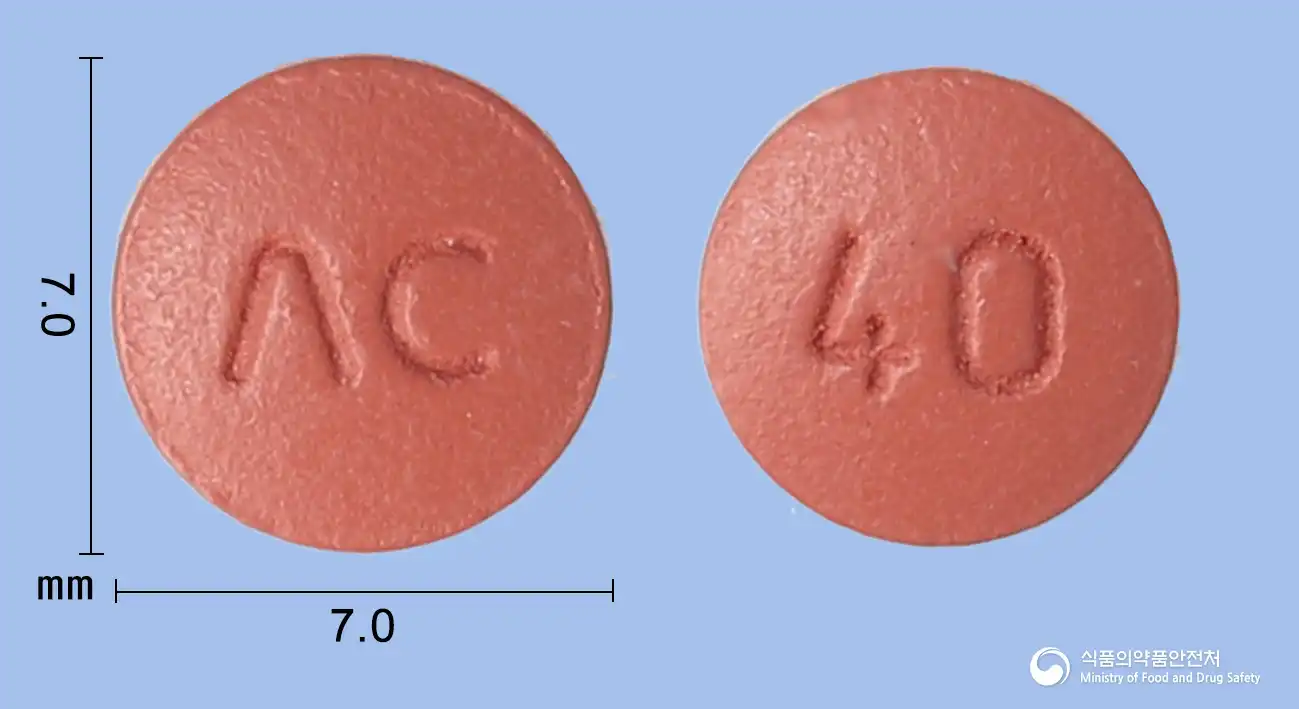
Biconvex, reddish-brown, round film-coated tablets
100 tablets (10 tablets/PTP × 10)
Even with the same ingredient, strength, dosage form and how it is taken can differ.
Viewing nowNifedipine 40mg
Tablet · Prescription medication
Ellison Pharmaceutical Co., Ltd.
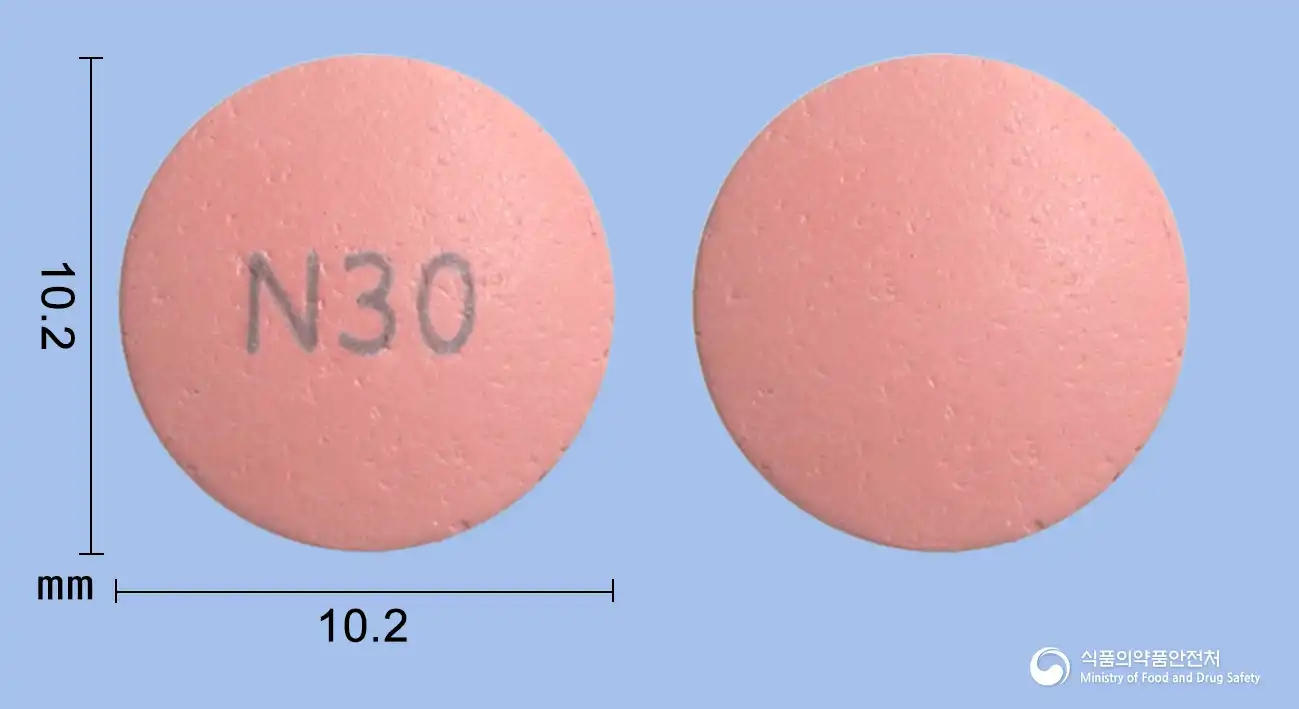
Nifedipine 30mg
Tablet · Prescription medication
Kwangdong Pharmaceutical Co., Ltd.
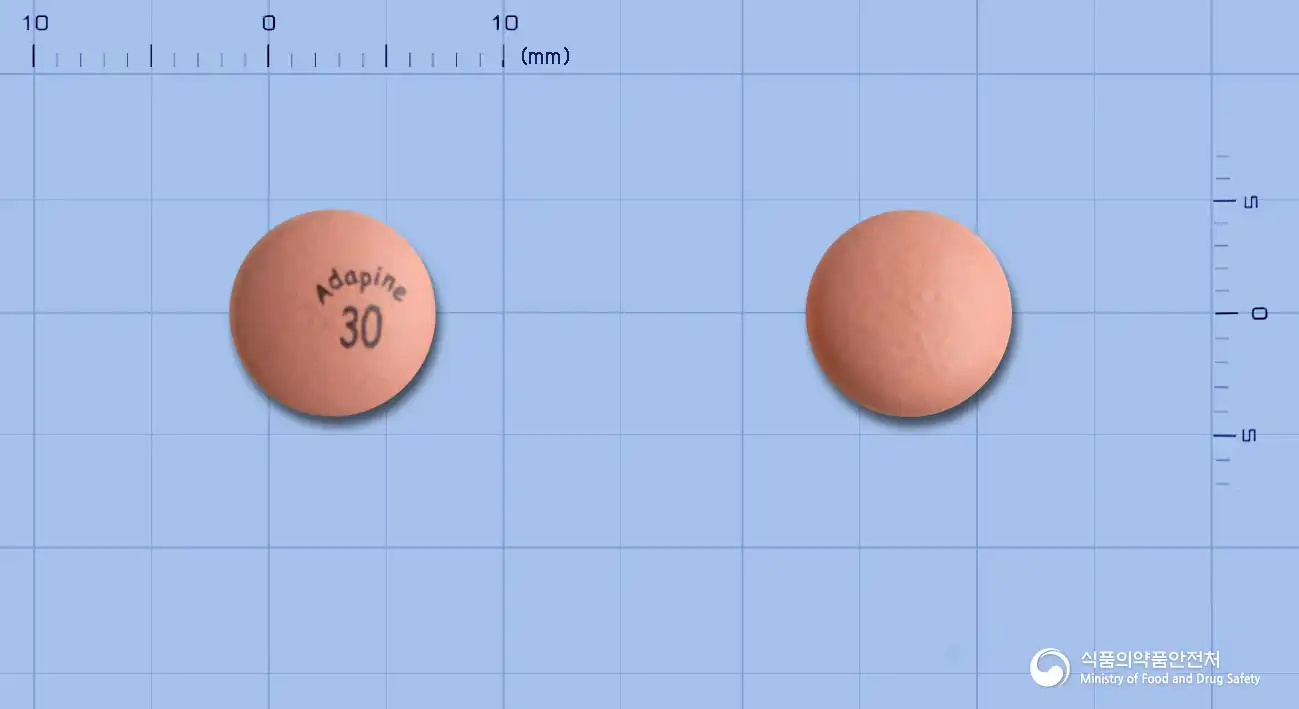
Nifedipine 33mg
Tablet · Prescription medication
Erison Pharmaceutical Co., Ltd.
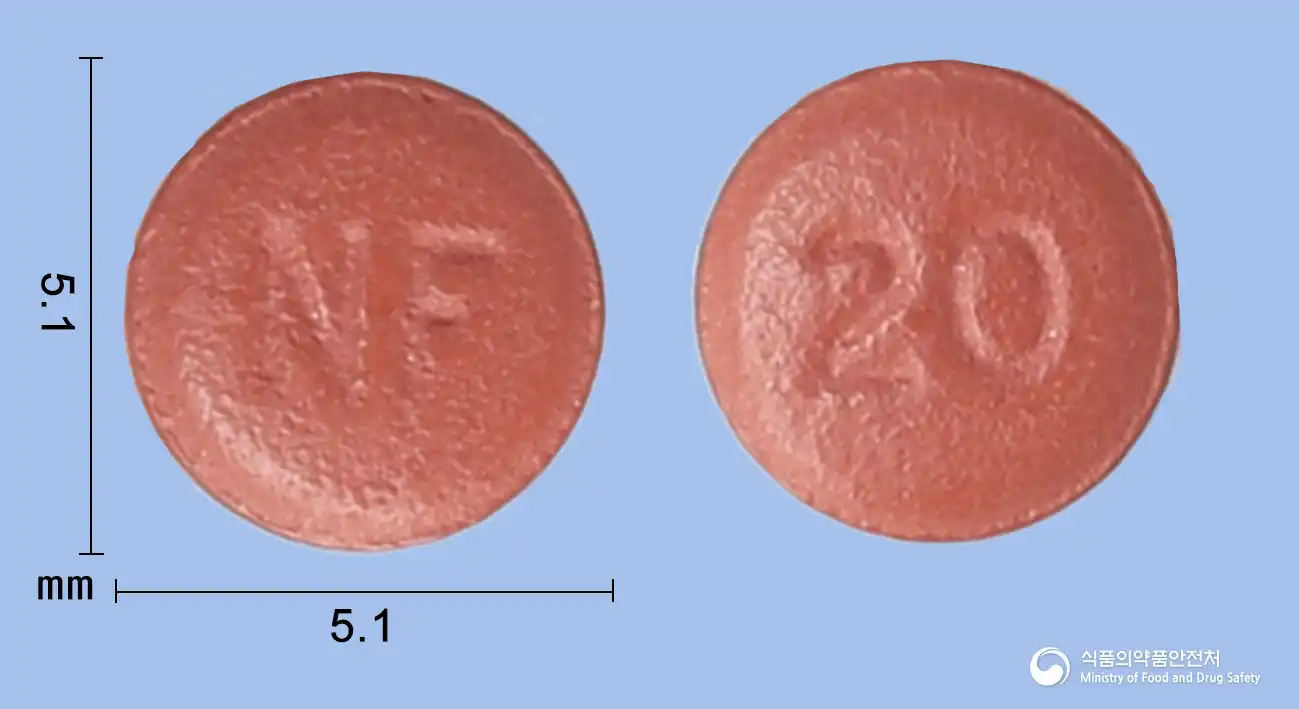
Nifedipine 20mg
Tablet · Prescription medication
Ellison Pharmaceutical Co., Ltd.
Nifedipine 40mg
Tablet · Prescription medication
Aliko Pharmaceutical Co., Ltd.
Even with the same ingredient, the dose and directions can differ by strength and dosage form. Talk to a doctor or pharmacist before switching from a medication you are already taking.
No questions yet.
For anything that needs medical judgment, consult a doctor or pharmacist.
This drug information is based on data provided by the Korea Ministry of Food and Drug Safety.
Consult a doctor or pharmacist for accurate dosage, administration, and usage instructions.