
 한국어
 English
 日本語
 中文(简体)
 Viewing now
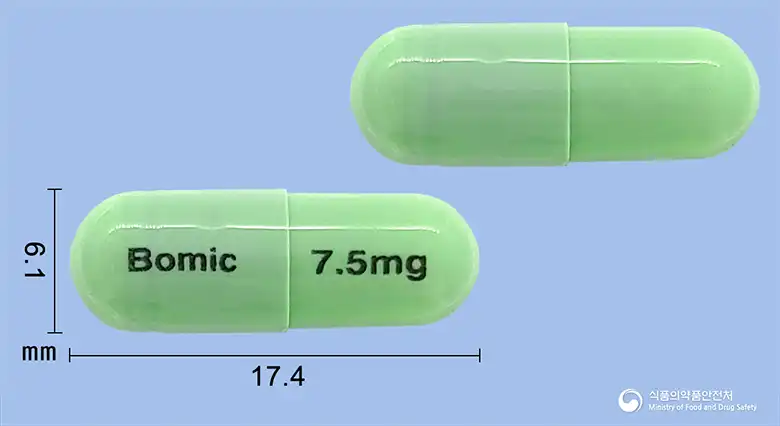
Bomic Capsule (Meloxicam)
Meloxicam 7.5mg
Hard capsule · Prescription medication
Aju Pharmaceuticals Co., Ltd.
MFDS item code 200400685 · Approved 2004.02.12 · Insurance code 654000380
Relief of symptoms of rheumatoid arthritis, acute exacerbations of osteoarthritis, and ankylosing spondylitis
This medication provides short-term relief from pain and motor impairment caused by acute exacerbation of osteoarthritis. It also helps to manage various symptoms arising from rheumatoid arthritis and ankylosing spondylitis. Therefore, it is used to improve multiple uncomfortable symptoms related to arthritis.
1. Acute exacerbation of osteoarthritis (degenerative arthritis): ○ Adults: Administer 7.5 mg of meloxicam orally once daily. If symptoms do not improve, the dose may be increased to 15 mg daily as needed. 2. Rheumatoid arthritis, ankylosing spondylitis: ○ Adults: Administer 15 mg of this drug orally once daily. The dose may be reduced to 7.5 mg daily depending on the response to treatment. This drug should not be administered at doses exceeding 15 mg daily and should be taken with water or another beverage during a meal. ○ In elderly patients or those at increased risk of adverse reactions, treatment is usually initiated at a dose of 7.5 mg daily. ○ Patients with severe renal impairment receiving hemodialysis should not receive more than 7.5 mg daily.
This medication may cause gastrointestinal bleeding in individuals who regularly consume more than three alcoholic drinks a day, so it is essential to consult with a doctor or pharmacist. This drug may increase the risk of cardiovascular diseases, potentially leading to serious issues like myocardial infarction or stroke. Patients with a history of cardiovascular diseases or risk factors should exercise caution. If symptoms such as chest pain, shortness of breath, weakness, or slurred speech occur during use, discontinue the medication immediately and consult healthcare professionals. This medication has the risk of causing severe gastrointestinal problems such as gastrointestinal bleeding, ulcers, and perforations, so caution should be taken when using it in patients with a history of gastrointestinal diseases or the elderly. Severe skin rashes, mucosal damage, or allergic reactions may occur, so if any skin abnormalities develop, the medication should be stopped immediately and healthcare professionals notified. Due to potential effects on liver and kidney function, if there are liver or kidney diseases or suspicions of such, regular examinations should be conducted, and if abnormalities are found, usage should be discontinued. Women planning to become pregnant or already pregnant should not use this medication, as it may affect fertility, and caution is necessary. Individuals with a history of allergic reactions to this drug or similar medications, severe gastrointestinal bleeding, heart diseases, severe liver or kidney diseases, or who are pregnant should avoid using this medication. Elderly patients or those with a history of gastrointestinal diseases, cardiovascular disease risk factors, or impaired kidney function should use this medication cautiously, and care should be taken when driving or operating machinery. This medication may interact with other drugs; therefore, if you are taking other medications, inform your healthcare provider, especially in the case of anticoagulants, diuretics, lithium, and methotrexate, as caution is necessary. If unusual symptoms or side effects appear during use, consult healthcare professionals immediately, and in the event of overdose, gastric lavage and appropriate treatment should be provided. This medication should be kept out of reach of children and stored in its original container, as transferring it to another container may pose a risk of accidents or deterioration in quality.
Not everyone experiences these, and they can vary from person to person.
This medication is sensitive to light and should be stored in a container that can block light. Additionally, it is important to store it at room temperature, between 1 to 30 degrees Celsius, to maintain its efficacy.
A hard capsule filled with yellowish powder, with a greenish blue upper and lower part.
30 capsules/bottle, 100 capsules/bottle
Even with the same ingredient, strength, dosage form and how it is taken can differ.
Viewing nowMeloxicam 7.5mg
Hard capsule · Prescription medication
Aju Pharmaceuticals Co., Ltd.
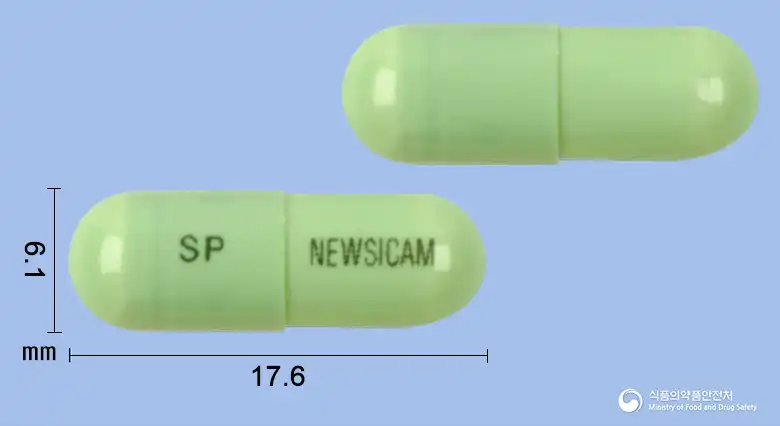
Meloxicam 7.5mg
Hard capsule · Prescription medication
Shinpoong Pharmaceutical Co., Ltd.
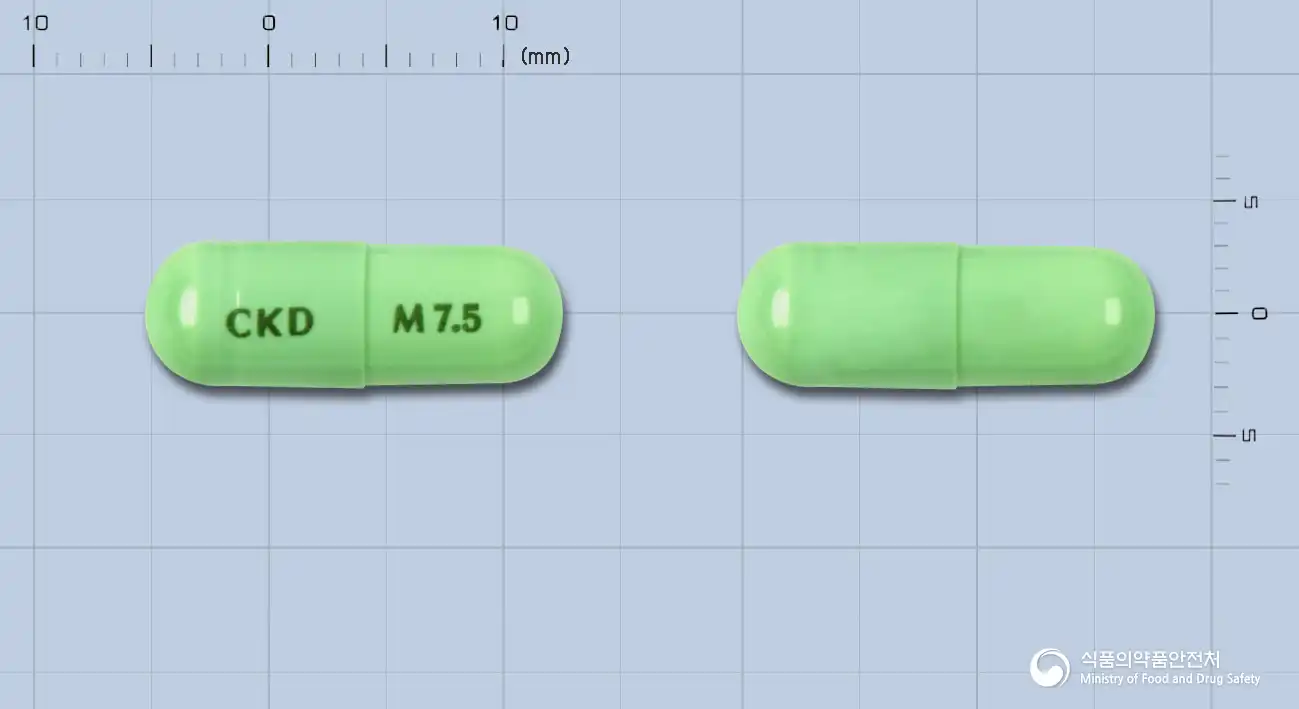
Meloxicam 7.5mg
Hard capsule · Prescription medication
Jongkundang Co., Ltd.
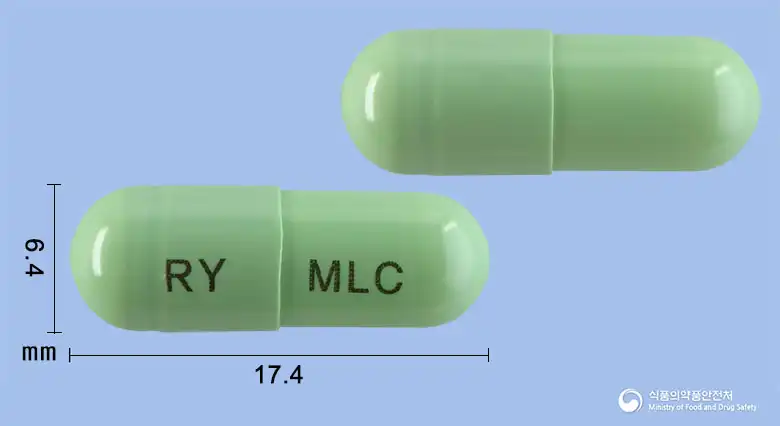
Meloxicam 7.5mg
Hard capsule · Prescription medication
IYUN Pharmaceutical Co., Ltd.
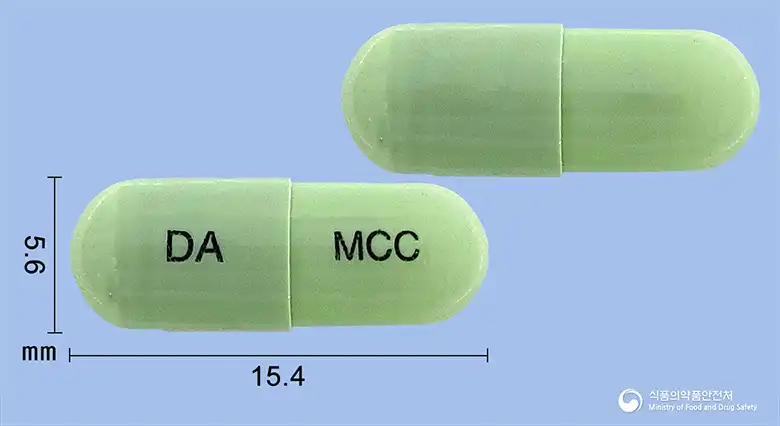
Meloxicam 7.5mg
Hard capsule · Prescription medication
Dong-A ST Co., Ltd.
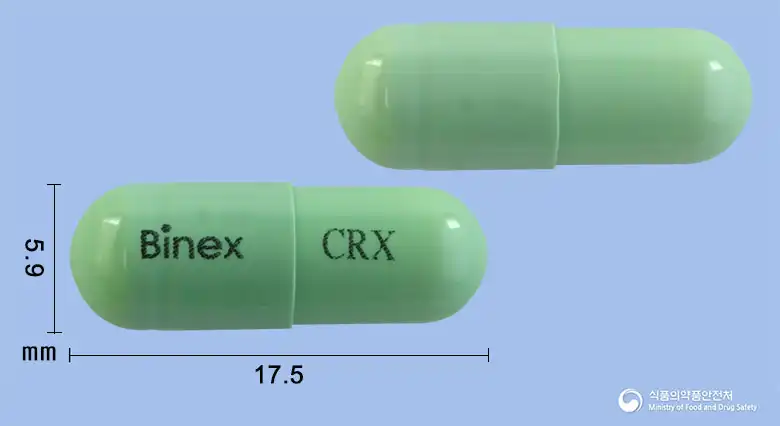
Meloxicam 7.5mg
Hard capsule · Prescription medication
Bionex Co., Ltd.
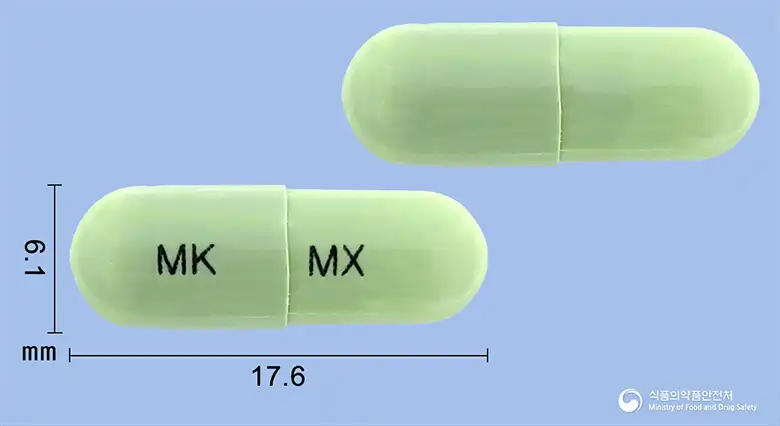
Meloxicam 7.5mg
Hard capsule · Prescription medication
Medica Korea Co., Ltd.
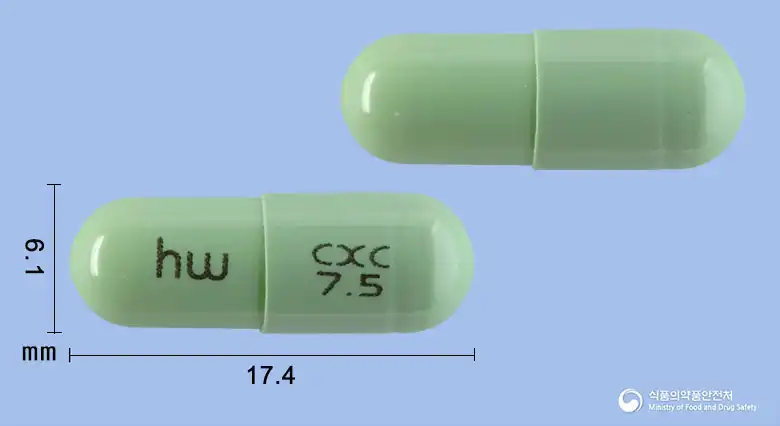
Meloxicam 7.5mg
Hard capsule · Prescription medication
Hawon Pharmaceutical Co., Ltd.
Even with the same ingredient, the dose and directions can differ by strength and dosage form. Talk to a doctor or pharmacist before switching from a medication you are already taking.
No questions yet.
For anything that needs medical judgment, consult a doctor or pharmacist.
This drug information is based on data provided by the Korea Ministry of Food and Drug Safety.
Consult a doctor or pharmacist for accurate dosage, administration, and usage instructions.