
 한국어
 English
 日本語
 中文(简体)
 Viewing now
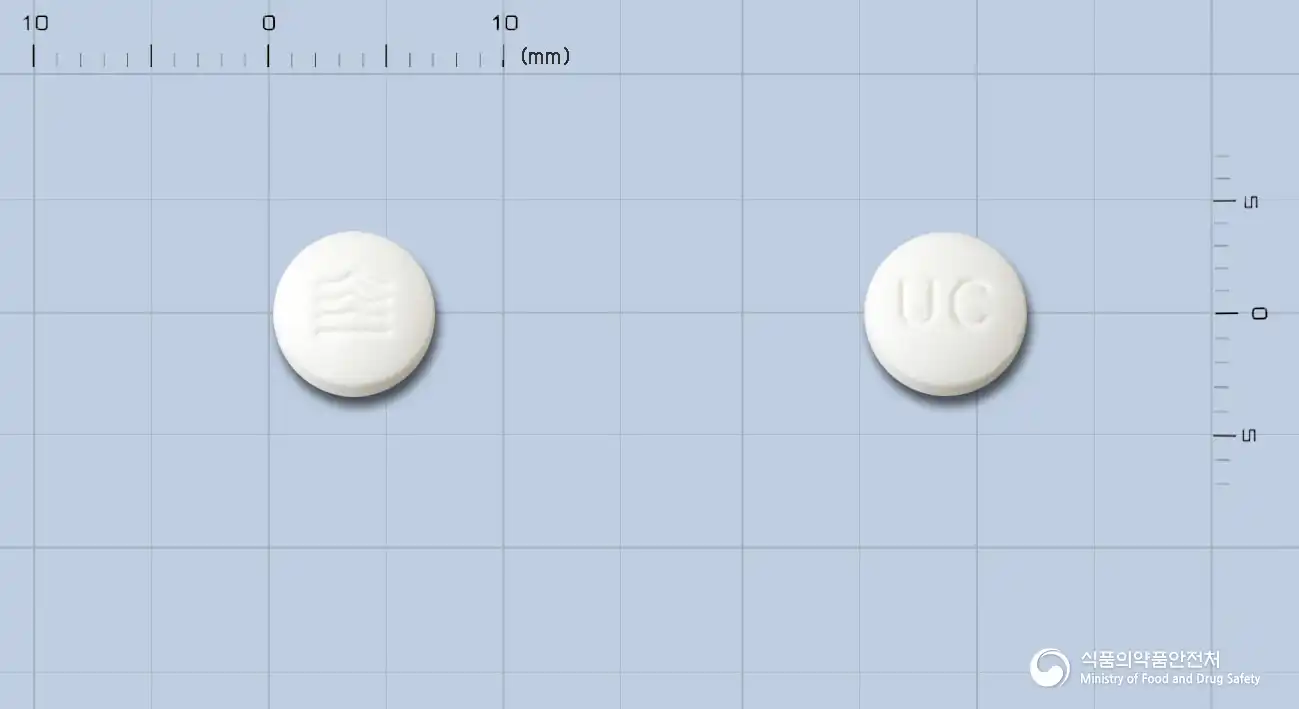
Eurocon Tablet (Propiverine Hydrochloride)
Propiverine Hydrochloride 20mg
Tablet · Prescription medication
Bionex Co., Ltd.
MFDS item code 200400580 · Notified 2004.02.19 · Insurance code 643101600
Relief of overactive bladder (urgency, frequent urination, etc.) and bladder disease-associated frequent urination and urinary incontinence
This medication is used to improve frequent urination and incontinence caused by bladder dysfunctions such as neurogenic bladder, neurogenic frequent urination, and unstable bladder. It is also effective for bladder irritation due to chronic cystitis or chronic prostatitis. It helps relieve urgency, frequent urination, and urge incontinence symptoms caused by overactive bladder. In summary, this medication is used to treat frequent urination and incontinence symptoms caused by various bladder dysfunctions.
Adults: Administer propiverine hydrochloride 20 mg orally once daily after a meal. Adjust the dose appropriately according to symptoms; however, if the effect is inadequate and there are no safety concerns, 20 mg may be taken up to twice daily.
This medication should not be used in certain patients. For example, patients allergic to this drug or its components, patients with bowel or intestinal obstruction, patients with poor gastrointestinal function, patients unable to urinate properly, patients with high intraocular pressure glaucoma, patients with severe myasthenia gravis, severe heart disease, or severe liver or colon problems may experience exacerbation of symptoms if they take this medicine. Additionally, patients with genetic issues such as lactose intolerance should not take this medication. When taking this medication, caution should be exercised in patients with difficulty urinating, liver or kidney dysfunction, Parkinson's disease, hyperthyroidism, elderly patients, autonomic nervous system disorders, cardiovascular diseases, glaucoma, and other conditions. This medication can cause side effects such as confusion, hallucinations, and delirium, so symptoms should be closely monitored. Moreover, various side effects such as heart irregularities, blood disorders, renal function decline, skin rashes, eye pain, visual impairment, liver dysfunction, and muscle pain may occur, so if any unusual symptoms arise, use should be stopped immediately and a doctor should be consulted. When using this drug, it is essential to check if there are other serious diseases with similar symptoms, especially in patients with lower urinary tract obstruction diseases such as benign prostatic hyperplasia, where treating that condition should take priority. Furthermore, this medication can cause drowsiness, dizziness, and difficulties in adjusting vision, so care should be taken while driving or operating dangerous machinery. This drug may have increased side effects when used with anticholinergics, tricyclic antidepressants, phenothiazine drugs, and MAO inhibitors, thus caution is advised. Women who are pregnant or potentially pregnant should avoid taking this medication, and nursing mothers should discontinue breastfeeding while on this drug. The safety in children has not been established, and it is advisable not to use it in pediatric patients. Elderly patients may have reduced liver and kidney function, so treatment should begin with a lower dose, administered carefully. In case of overdose, serious symptoms such as delirium, agitation, seizures, urinary problems, and cardiac irregularities may occur, necessitating immediate hospital treatment. This medication should be stored out of reach of children, and it is safe and good for quality not to transfer it to other containers.
Not everyone experiences these, and they can vary from person to person.
This medication should be stored in a tightly sealed container to avoid the effects of air and moisture. Additionally, it should be stored at room temperature between 1 to 30 degrees Celsius, away from excessive heat or cold.
White, round, film-coated tablet with no odor
30 tablets per bottle
Even with the same ingredient, strength, dosage form and how it is taken can differ.
Viewing nowPropiverine Hydrochloride 20mg
Tablet · Prescription medication
Bionex Co., Ltd.
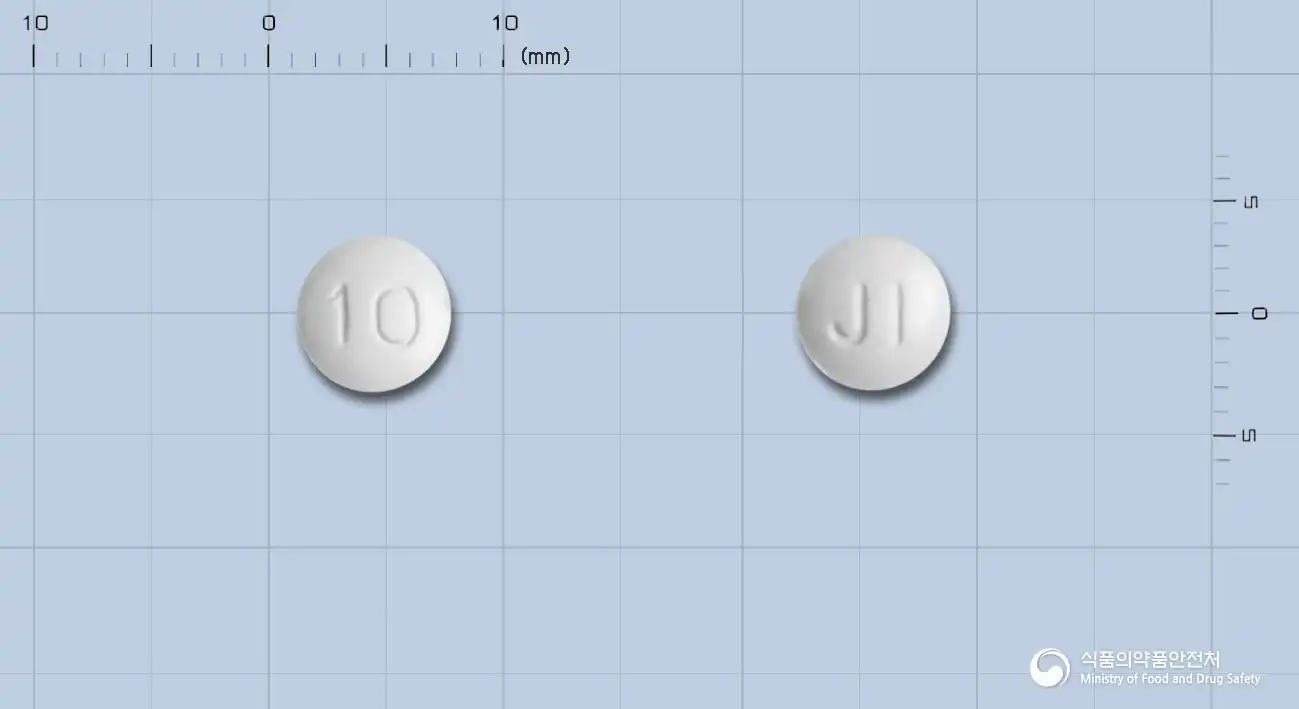
Propiverine Hydrochloride 10mg
Tablet · Prescription medication
Chaeil Pharmaceutical Co., Ltd.

Propiverine Hydrochloride 20mg
Tablet · Prescription medication
Jeil Pharmaceutical Co., Ltd.

Propiverine Hydrochloride 20mg
Tablet · Prescription medication
Shinpoong Pharmaceutical Co., Ltd.

Propiverine Hydrochloride 20mg
Tablet · Prescription medication
Dongguk Pharmaceutical Co., Ltd.
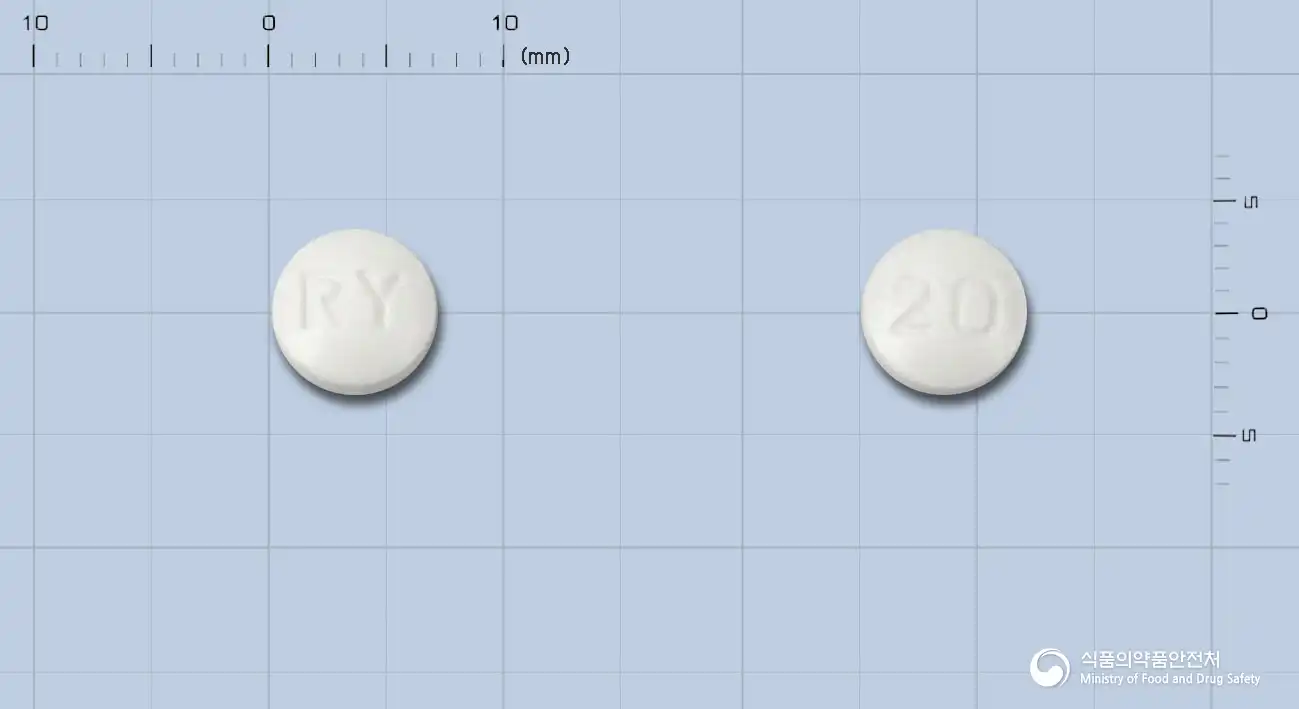
Propiverine Hydrochloride 20mg
Tablet · Prescription medication
Iyeon Pharmaceutical Co., Ltd.
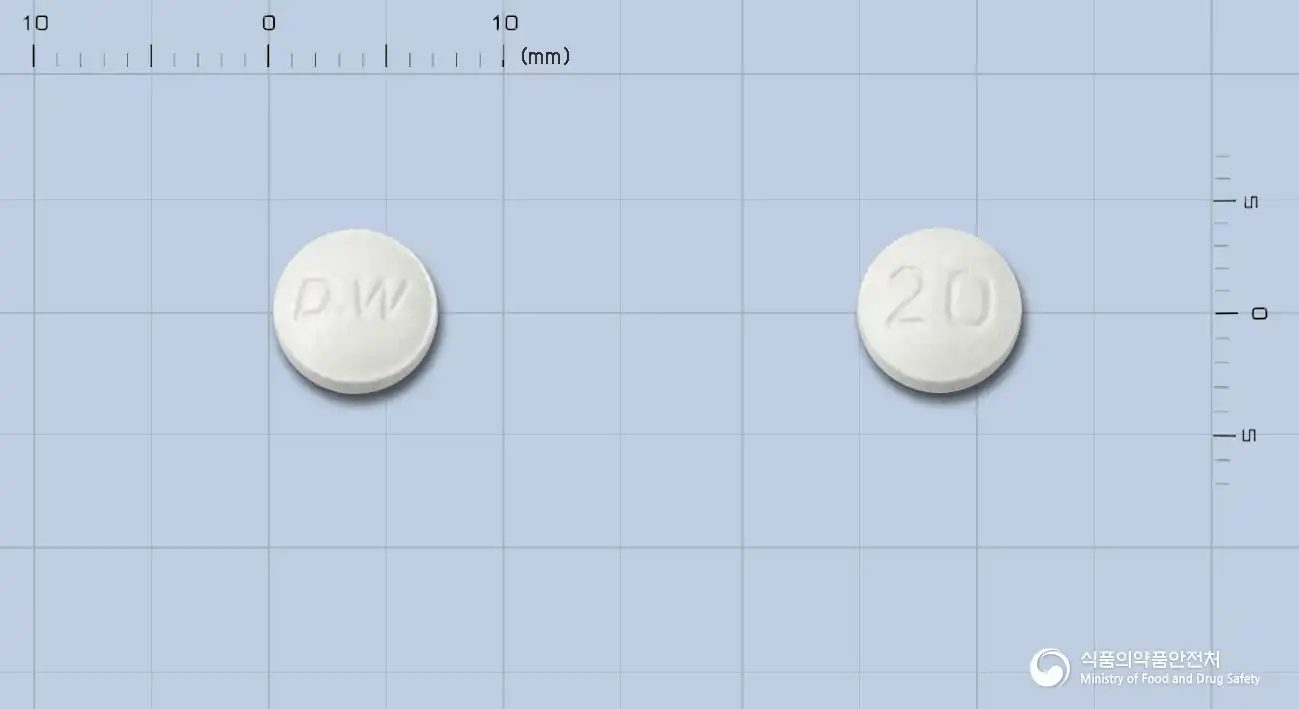
Propiverine Hydrochloride 20mg
Tablet · Prescription medication
Daewoong Pharmaceutical Co., Ltd.

Propiverine Hydrochloride 20mg
Tablet · Prescription medication
Ilhwa Co., Ltd.
Even with the same ingredient, the dose and directions can differ by strength and dosage form. Talk to a doctor or pharmacist before switching from a medication you are already taking.
No questions yet.
For anything that needs medical judgment, consult a doctor or pharmacist.
This drug information is based on data provided by the Korea Ministry of Food and Drug Safety.
Consult a doctor or pharmacist for accurate dosage, administration, and usage instructions.