
 한국어
 English
 日本語
 中文(简体)
 Viewing now
Asacol D Real Tablets 400 mg (Mesalazine)
Mesalazine 400mg
Tablet · Prescription medication
Daewoong Pharmaceutical Co., Ltd.
MFDS item code 200400465 · Notified 2004.03.25 · Insurance code 641601830
Treatment and maintenance of ulcerative colitis; maintenance treatment of Crohn's disease
This medication is used for the treatment and maintenance of mild to moderate active ulcerative colitis, and for the maintenance treatment of mild Crohn's disease, especially ileitis and postoperative recurrence of Crohn's disease.
Treatment of mild active ulcerative colitis: The usual adult dose is 800 mg per dose 3 times daily for 6 weeks. Treatment of moderate active ulcerative colitis: The usual adult dose is 800 mg per dose 3 times daily for 6 weeks. Depending on symptoms, the dose may be increased to a maximum daily dose of 1600 mg per dose 3 times daily for 6 weeks. Maintenance treatment of mild and moderate active ulcerative colitis: The usual adult dose is 400 mg per dose 3 times daily. Depending on symptoms, the dose may be increased to a maximum of 2.4 g daily (800 mg per dose 3 times daily or 2400 mg per dose once daily). Maintenance treatment of mild Crohn's disease and postoperative recurrent Crohn's disease: Administer 800 mg per dose 3 times daily.
This medication should not be used in certain patients. Patients who are allergic to this medication, its components, salicylic acid, or salicylates should not take it. Patients with severely impaired liver or kidney function, those with peptic ulcers or duodenal ulcers, and patients with blood clotting problems should also avoid this medication. Additionally, infants under 2 years of age and patients with genetic issues such as lactose intolerance, lactase deficiency, and glucose-galactose malabsorption should not take this medication. In some patients, this medication should be administered with caution. Patients with bronchial asthma or allergies to other medications, patients with liver or kidney function problems, those with blood disorders, pregnant or breastfeeding women, and elderly individuals between the ages of 2 and 15 should use this medication with caution. Rarely, various side effects may occur when taking this medication. Allergic reactions such as fever, hair loss, hives, skin rashes, and photophobia may occur, and in severe cases, serious skin conditions such as Stevens-Johnson syndrome may develop. Respiratory issues such as cough, difficulty breathing, and pneumonia may occur rarely. Gastrointestinal symptoms such as abdominal pain, diarrhea, and vomiting may appear, and very rarely pancreatitis may develop. Instances of abnormal liver function, muscle pain, joint pain, changes in blood cell counts, heart inflammation, kidney problems, dizziness, and neurological symptoms have been reported. Additionally, rare reproductive issues such as decreased sperm count may also occur. While using this medication, regular blood tests, liver function tests, and kidney function tests should be conducted under a doctor's supervision. If kidney function abnormalities are found, the use of the medication should be discontinued, and if abnormal symptoms appear, immediate consultation with a doctor is required. Patients with a history of allergies to similar medications such as sulfasalazine must take this medication under strict medical supervision. This medication can interact with other drugs, so caution is needed when taken with non-steroidal anti-inflammatory drugs, anticoagulants, corticosteroids, methotrexate, etc. Taking it with these medications can increase the risks of kidney toxicity or bleeding. Pregnant women should only take this medication if the benefits outweigh the risks, as it crosses the placenta, based on the doctor's judgment. Breastfeeding women should also consider that this medication can be secreted in breast milk, leading to possible side effects such as diarrhea in infants, so it should only be used if necessary. Elderly patients may have reduced kidney function, so blood tests should be closely monitored when taking this medication. In case of overdose, symptoms similar to typical salicylate toxicity, such as dizziness, headache, vomiting, and diarrhea may appear, and treatment may be required for inducing vomiting or gastric lavage, and for replenishing fluids and electrolytes. This medication should be swallowed whole without crushing or chewing and kept out of reach of children. Transferring to another container can negatively affect quality, so caution is needed.
Hyperthermia, hair loss, urticaria, allergic skin rash, photosensitivity, erythema multiforme syndrome, erythema multiforme, Stevens-Johnson syndrome, toxic epidermal necrolysis, dyspnea, cough, bronchospasm, allergic alveolitis, pulmonary eosinophilia, interstitial lung disease, pulmonary infiltrate, pneumonia, eosinophilic pneumonia, pleuritis, abdominal pain, diarrhea, abdominal distension, nausea, vomiting, abdominal bloating, pancreatitis, changes in liver function test indicators, hepatitis, cholestatic hepatitis, liver dysfunction, myalgia, arthralgia, pericarditis, pleuritis, aplastic anemia, agranulocytosis, pancytopenia, neutropenia, leukopenia, thrombocytopenia, bone marrow suppression, anemia, myocarditis, acute and chronic interstitial nephritis, renal failure, kidney failure, renal dysfunction, nephrotic syndrome, nephrolithiasis, confusion, pain, peripheral neuropathy, dizziness, idiopathic intracranial hypertension, reversible oligospermia, drug reaction (DRESS)
Not everyone experiences these, and they can vary from person to person.
This medication should be stored in a tightly closed container to protect it from air and moisture. Additionally, it is important to keep it in a cool place below 25 degrees Celsius to maintain its effectiveness.
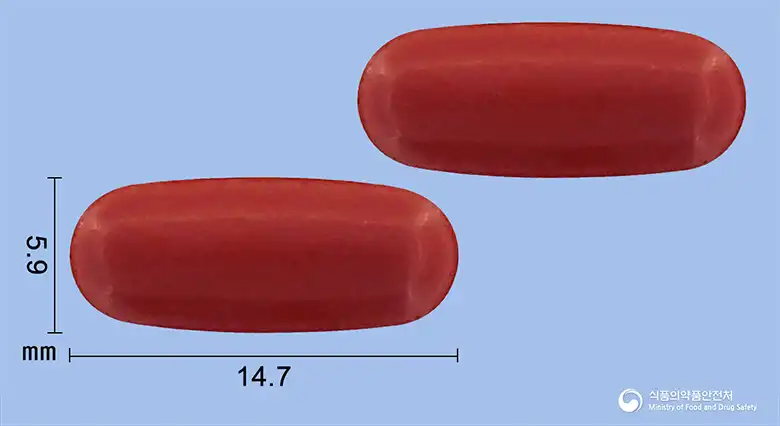
Brownish-red, oblong, enteric-coated tablet
100 tablets (10 tablets/PTP x 10)
Even with the same ingredient, strength, dosage form and how it is taken can differ.
Viewing nowMesalazine 400mg
Tablet · Prescription medication
Daewoong Pharmaceutical Co., Ltd.
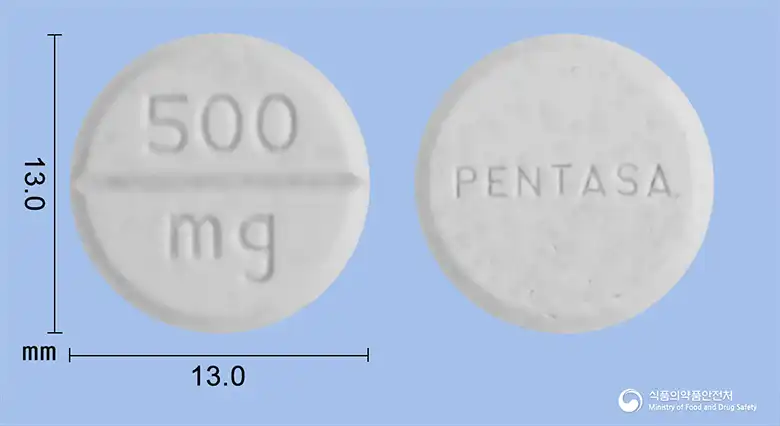
Mesalazine 500mg
Tablet · Prescription medication
Korea Ferring Pharmaceutical Co., Ltd.
Mesalazine 1000mg
Prescription medication
Korea PhaRing Pharmaceutical Co., Ltd.
Mesalazine 4g
Suspension · Prescription medication
Daewoong Pharmaceutical Co., Ltd.
Mesalazine 500mg
Prescription medication
Daiwoong Pharmaceutical Co., Ltd.
Mesalazine 1g
Prescription medication
Korea Ferring Pharmaceuticals Co., Ltd.
Mesalazine 2g
Prescription medication
Korea Ferring Pharmaceuticals Co., Ltd.
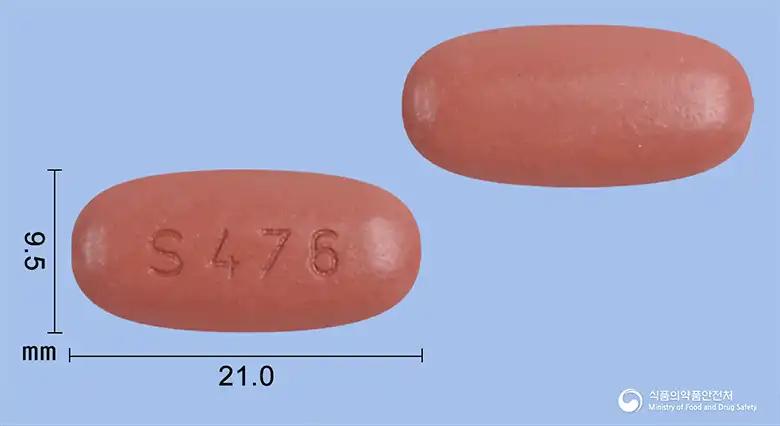
Mesalazine 1200mg
Tablet · Prescription medication
Takeda Pharmaceuticals Korea Co., Ltd.
Even with the same ingredient, the dose and directions can differ by strength and dosage form. Talk to a doctor or pharmacist before switching from a medication you are already taking.
No questions yet.
For anything that needs medical judgment, consult a doctor or pharmacist.
This drug information is based on data provided by the Korea Ministry of Food and Drug Safety.
Consult a doctor or pharmacist for accurate dosage, administration, and usage instructions.