
 한국어
 English
 日本語
 中文(简体)
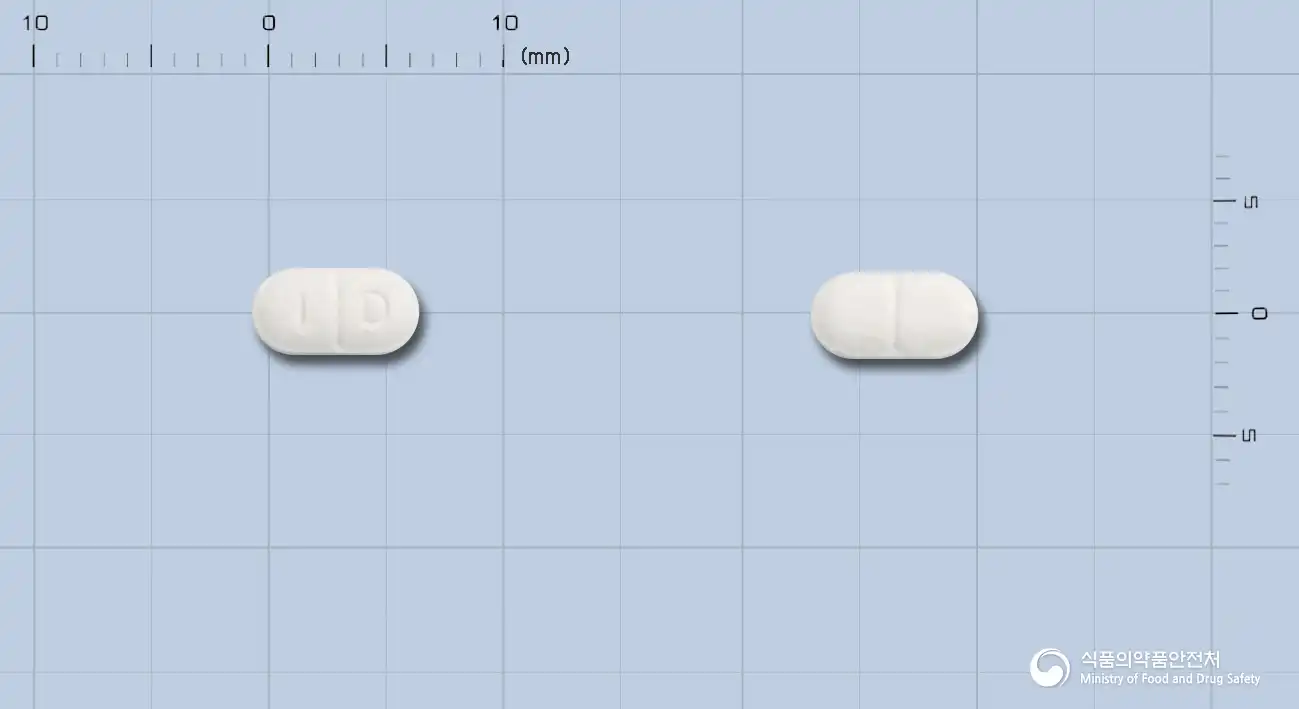 Viewing now
Asafril Tablets 4 mg (Perindopril T-butylamine)
Perindopril Tert-Butylamine 4mg
Tablet · Prescription medication
Ildong Pharmaceutical Co., Ltd.
MFDS item code 200400322 · Notified 2004.08.02 · Insurance code 642901130
Treatment of hypertension; adjunctive treatment of congestive heart failure; reduction of risk in stable coronary artery disease
This drug helps control blood pressure in patients with hypertension, aiding in the maintenance of heart and vascular health. It also contributes to alleviating symptoms by assisting diuretic and digitalis therapy in patients with congestive heart failure. In patients with stable angina pectoris, it is used to reduce the risk of death due to cardiovascular diseases after myocardial infarction or vascular interventions. This drug is effective in reducing the risk of cardiovascular diseases and improving patient health.
1. Hypertension 1) Adults: Administer perindopril tert-butylamine 4mg orally once daily in the morning. If necessary, the dose may be increased to 8mg once daily 1 month after starting treatment. 2) Older patients: Depending on the patient's condition and status, administer an initial dose of 2mg once daily in the morning. If necessary, the dose may be increased to 4mg once daily 1 month after starting treatment. 3) Patients with renal failure: Adjust the dose according to the severity of renal failure. Measure serum potassium and creatinine, and administer the following doses. Creatinine clearance Dose 30-60ml/min 2mg/day 15-30ml/min 2mg every other day < 15ml/min 2mg on dialysis days 4) Renovascular hypertension: Revascularization is preferable; however, if treatment is administered before surgery or surgery is not possible, administer an initial dose of 2mg once daily with caution. Continue to monitor renal function during treatment. 5) Administration during anesthesia: Administration during anesthesia may cause hypotension. In such cases, blood volume should be increased. 2. Heart failure 1) Adults: Administer an initial dose of 2mg once daily in the morning. The maintenance dose is 2-4mg once daily. 2) Patients with severe congestive heart failure, older adults, patients with very low baseline arterial pressure, patients with renal impairment, and patients receiving high doses of diuretics: Administer an initial dose of 1mg once daily with close monitoring and caution. Adjust the dose appropriately according to age and symptoms. 3. Stable coronary artery disease 1) Adults: Administer an initial dose of 4mg once daily for 2 weeks. Thereafter, if 4mg is well tolerated, administer 8mg once daily, taking renal function into account. 2)Older patients: Administer an initial dose of 2mg once daily for 1 week, then 4mg once daily for the following week. Thereafter, administer 8mg once daily. Increase the dose to a higher dose, taking renal function into account, only if the lower dose is well tolerated. 3) Patients with renal impairment: Adjust the dose as follows according to renal function (creatinine clearance). Creatinine clearance Recommended dose ≥ 60 mL/min 4mg/day 30-60mL/min 2mg/day 15-30mL/min 2mg every other day < 15mL/min 2mg on dialysis days
This drug may cause a serious side effect of decreased white blood cell count in immunocompromised patients, therefore, the dosage must be strictly adhered to. Angioedema, which is swelling of parts of the body such as the face, lips, or tongue, may rarely occur; if these symptoms appear, the medication should be discontinued immediately and medical attention sought. Patients receiving treatment for allergies to bee or wasp venom should not take this medication, and may need to temporarily discontinue it prior to treatment. Patients undergoing dialysis, particularly those using certain dialysis methods, should avoid this medication due to the risk of serious allergic reactions. Pregnant women should not take this medication as it can cause serious harm to the fetus, and if pregnancy is confirmed, it should be discontinued immediately. Patients with hypersensitivity to this drug, a history of angioedema, those undergoing certain dialysis treatments, pregnant or potentially pregnant women, and children under 18 should not take this medication. Patients with compromised kidney function, severe hypertension, depleted fluids or sodium, elderly patients, etc., should start at a low dose and gradually increase while closely monitoring their condition. This drug can cause various side effects, including cough, dizziness, headache, abdominal pain, rash, etc., so if any unusual symptoms occur, medical advice should be sought immediately. Especially, symptoms of hypotension may occur if blood pressure drops too low; in such cases, lying down and, if necessary, receiving fluid therapy is recommended. This medication can interact with other antihypertensive agents, diuretics, potassium preparations, lithium, etc., so if patients are taking other medications, they must inform their doctor or pharmacist. Pregnant or breastfeeding women should avoid taking this medication and, if necessary, switch to safer alternatives. Caution is advised as dizziness or fatigue may occur when driving or operating machinery.
Neutropenia, agranulocytosis, angioedema, anaphylactic reaction, cough, dizziness, headache, sensory disturbance, vertigo, visual impairment, tinnitus, hypotension, dyspnea, abdominal pain, constipation, diarrhea, taste disturbance, nausea, vomiting, pruritus, rash, muscle cramps, asthenia, dyspepsia, thrombocytopenia, decreased hemoglobin and hematocrit, leukopenia, eosinophilia, hypoglycemia, hyperkalemia, hyponatremia, syndrome of inappropriate antidiuretic hormone secretion, mood disorder, sleep disorder, depression, drowsiness, syncope, confusion, palpitations, tachycardia, angina, arrhythmia, vasculitis, secondary myocardial infarction due to hypotension, secondary stroke due to hypotension, bronchospasm, eosinophilic pneumonia, rhinitis, dry mouth, pancreatitis, cytolytic hepatitis, cholestatic hepatitis, urticaria, photosensitivity reaction, similar to pemphigus, hyperhidrosis, eczema, psoriasis, flushing, erythema multiforme, arthralgia, myalgia, renal failure, acute renal failure, anuria, decreased urination, erectile dysfunction, chest pain, malaise, peripheral edema, fever, elevated blood urea, elevated blood creatinine, elevated bilirubin level, increased liver enzyme levels, falls, cholestatic jaundice, acute hepatic necrosis, anemia, hemolytic anemia, nitrite reaction, hypotension, circulatory shock, electrolyte disturbance, respiratory hyperactivity, tachycardia, palpitations, bradycardia, anxiety
Not everyone experiences these, and they can vary from person to person.
This medication may be sensitive to air or moisture; it should be stored in a tightly closed container. Additionally, the drug should be stored in a cool place, ideally between 1 and 30 degrees Celsius. It is important to avoid direct sunlight or high temperatures and to keep it out of reach of children.
Oval white tablets
30 tablets/bottle, 100 tablets/bottle
Even with the same ingredient, strength, dosage form and how it is taken can differ.
Viewing nowPerindopril Tert-Butylamine 4mg
Tablet · Prescription medication
Ildong Pharmaceutical Co., Ltd.
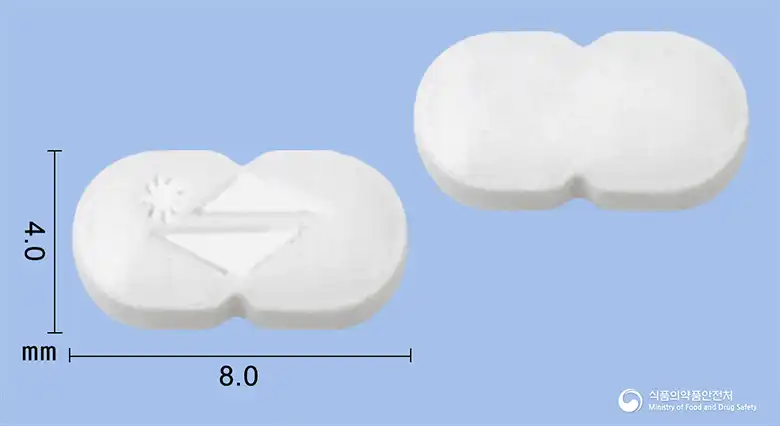
Perindopril Tert-Butylamine 4mg
Tablet · Prescription medication
Korea Servier Co., Ltd.
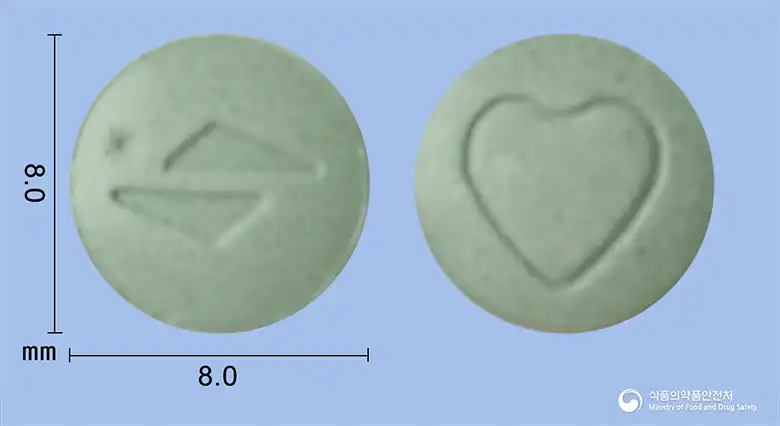
Perindopril Tert-Butylamine 8mg
Tablet · Prescription medication
Korea Servier Co., Ltd.
Even with the same ingredient, the dose and directions can differ by strength and dosage form. Talk to a doctor or pharmacist before switching from a medication you are already taking.
No questions yet.
For anything that needs medical judgment, consult a doctor or pharmacist.
This drug information is based on data provided by the Korea Ministry of Food and Drug Safety.
Consult a doctor or pharmacist for accurate dosage, administration, and usage instructions.