
 한국어
 English
 日本語
 中文(简体)
 Viewing now
Oprasol Capsule (Omeprazole)
Omeprazole Enteric Coated Granules 233mg
Hard capsule · Prescription medication
Samsung Pharmaceutical Co., Ltd.
MFDS item code 200400232 · Notified 2004.10.08 · Insurance code 642303070
Treatment and prevention of gastric and duodenal disorders, gastroesophageal reflux disease, and Zollinger-Ellison syndrome
This medication is effective for the short-term treatment of gastric and duodenal ulcers. It also alleviates symptoms associated with gastroesophageal reflux disease (GERD), such as heartburn and the regurgitation of gastric contents. It is used for severe gastroesophageal reflux disease and refractory peptic ulcers, and helps prevent the recurrence of duodenal ulcers caused by Zollinger-Ellison syndrome and Helicobacter pylori infection. It is also effective for the treatment and prevention of gastric and duodenal ulcers or erosions that may occur due to the administration of non-steroidal anti-inflammatory drugs (NSAIDs). Additionally, it is used to prevent gastrointestinal disturbances and relapse of gastroesophageal reflux disease in long-term NSAID users. Overall, it improves a variety of symptoms and diseases associated with gastrointestinal disorders.
1. Adults: 1) Gastric ulcer: Take 1 capsule (20mg) of omeprazole once daily. Most ulcers may heal within 4 weeks, although the healing period may vary among patients. If the ulcer has not healed after the first 4 weeks of treatment, continue taking the medicine for an additional 4 weeks. For patients who have not responded to other medicines, taking 2 capsules (40mg) once daily generally results in healing within 8 weeks, although the healing period may vary among patients. If the ulcer recurs, repeat treatment. 2) Short-term treatment of duodenal ulcer: Take 1 capsule (20mg) once daily. Most ulcers may heal within 2 weeks, although the healing period may vary among patients. If the ulcer has not healed after the first 2 weeks of treatment, continue taking the medicine for an additional 2 weeks. For patients who have not responded to other medicines, taking 2 capsules (40mg) once daily generally results in healing within 4 weeks, although the healing period may vary among patients. If the ulcer recurs, repeat treatment. 3) Treatment of symptoms of reflux esophagitis and gastroesophageal reflux disease (GERD) (heartburn, regurgitation, etc.): - Reflux esophagitis: Take 1 capsule (20mg) once daily. Most cases may heal within 4 weeks, although the healing period may vary among patients. If the condition has not healed after the first 4 weeks of treatment, continue taking the medicine for an additional 4 weeks. For patients who have not responded to other medicines, taking 2 capsules (40mg) once daily generally results in healing within 8 weeks, although the healing period may vary among patients. If the condition recurs, repeat treatment. - Treatment of symptoms of gastroesophageal reflux disease (GERD) (heartburn, regurgitation, etc.): Take 1 capsule (20mg) once daily. Healing is generally possible with 2-4 weeks of treatment. 4) Maintenance treatment for severe reflux esophagitis and peptic ulcers that are difficult to treat: Take 1 capsule (20mg) once daily. If the condition recurs, the dose may be increased to 2 capsules (40mg) once daily. 5) Zollinger-Ellison syndrome: The initial dose is 3 capsules (60mg) once daily. Continue treatment, adjusting the dose as appropriate for each patient. More than 90% of patients may respond to a dose of 1-6 capsules (20-120mg) daily. If taking 4 capsules (80mg) or more per day, divide the daily dose into 2 doses. 6) Combination therapy with antibiotics to prevent recurrence of duodenal ulcers infected with Helicobacter pylori: - Dual therapy: Take 1 capsule (20mg) of this medicine with 750-1000mg of amoxicillin 2 times daily for 2 weeks. - Triple therapy: Take 2 capsules (40mg) of this medicine once daily or 1 capsule (20mg) 2 times daily in combination with the following antibiotics. ① Take clarithromycin 250mg and metronidazole 400mg 2 times daily for 1 week, or ② Take amoxicillin 1g and clarithromycin 500mg 2 times daily for 1 week. If the treatment effect is insufficient, omeprazole may be continued alone. 7) Treatment of gastric or duodenal ulcers or erosions caused by nonsteroidal anti-inflammatory drugs (NSAIDs): Take 1 capsule (20mg) once daily. Most cases may heal within 4 weeks, although the healing period may vary among patients. If the condition has not healed after the first 4 weeks of treatment, continue taking the medicine for an additional 4 weeks. 8) Maintenance prevention of gastric or duodenal ulcers or erosions and dyspeptic symptoms caused by NSAIDs in patients receiving long-term NSAID treatment who have a history of gastric or duodenal lesions: Take 1 capsule (20mg) once daily. 9) Prevention of recurrence of reflux esophagitis: To prevent recurrence of reflux esophagitis, take 1/2 capsule (10mg) once daily. * Swallow this medicine whole with at least half a glass of water. Adjust the dose as appropriate according to age and symptoms.
This medication should not be used in patients who are allergic to any of its ingredients. Caution is advised when administering to patients with gastric ulcers suspected of being malignant, as tumor symptoms may be masked or diagnosis may be delayed. It should also not be used in conjunction with certain antiviral medications such as atazanavir or rilpivirine. This medication contains lactose and should not be given to patients with lactose intolerance or related genetic disorders. Patients with impaired liver function may experience increased absorption and half-life of this medication, thus requiring a careful dose reduction. Elderly patients should also exercise caution when using this medication. This medication may cause neurological symptoms such as headache, drowsiness, dizziness, and insomnia. Liver function abnormalities may arise, thus liver enzyme levels should be regularly monitored, and administration should be discontinued if abnormalities are found. Gastrointestinal symptoms such as diarrhea, nausea, and abdominal pain may commonly occur, and rarely, stomatitis or candidiasis may develop. Skin reactions such as rashes or itching, and in severe cases, serious skin reactions like Stevens-Johnson syndrome may appear, so usage should be immediately stopped if symptoms occur. Rarely, severe allergic reactions such as angioedema or anaphylaxis may occur, requiring caution. Cardiac symptoms such as chest pain or arrhythmias have been reported, and caution is needed as decreases in blood cell counts may also occur. Long-term use may lead to hypomagnesemia, so magnesium levels should be checked periodically, and supplementation may be necessary. This medication may decrease gastric acid secretion and consequently increase the number of bacteria in the stomach, leading to a slightly higher risk of gastrointestinal infections. Women who are pregnant or may become pregnant should only use this medication if its benefits outweigh the risks, and breastfeeding should be avoided when possible. The safety in pediatric populations has not been fully established. Overdose may lead to symptoms such as vomiting, diarrhea, and headaches, but these are usually temporary, with serious side effects being rare. This medication should be stored out of reach of children, not transferred to other containers, and caps should be tightly closed after use.
Headache, drowsiness, dizziness, insomnia, paresthesia, feeling faint, vertigo, confusion, agitation, aggression, hallucinations, depression, elevated liver enzymes, jaundice, hepatitis, liver failure, encephalopathy, interstitial nephritis, diarrhea, weight loss, constipation, nausea, vomiting, abdominal pain, abdominal distension, dry mouth, stomatitis, gastrointestinal candidiasis, erythema, rash, papules, urticaria, itching, dermatitis, vesicular rash, Stevens-Johnson syndrome, toxic epidermal necrolysis, erythema multiforme, photosensitivity, alopecia, angioedema, fever, bronchospasm, interstitial nephritis, anaphylactic shock, chest pain, tachycardia, bradycardia, palpitations, leukopenia, thrombocytopenia, agranulocytosis, pancytopenia, back pain, arthralgia, muscle weakness, myalgia, gynecomastia, cough, fatigue, malaise, peripheral edema, increased sweating, blurred vision, visual disturbances, taste disorders, breast pain in females, breast lump, hyponatremia, erectile dysfunction, Clostridium difficile-associated diarrhea, hypomagnesemia, acute generalized exanthematous pustulosis, drug reaction with eosinophilia and systemic symptoms, systemic lupus erythematosus, cutaneous lupus erythematosus, gastric polyp, hypocalcemia, hypokalemia
Not everyone experiences these, and they can vary from person to person.
This medication should be stored in a tightly sealed container to protect it from air and moisture, ideally at room temperature between 1 degree and 30 degrees Celsius. Storing it this way will help maintain the effectiveness of the medication over time.
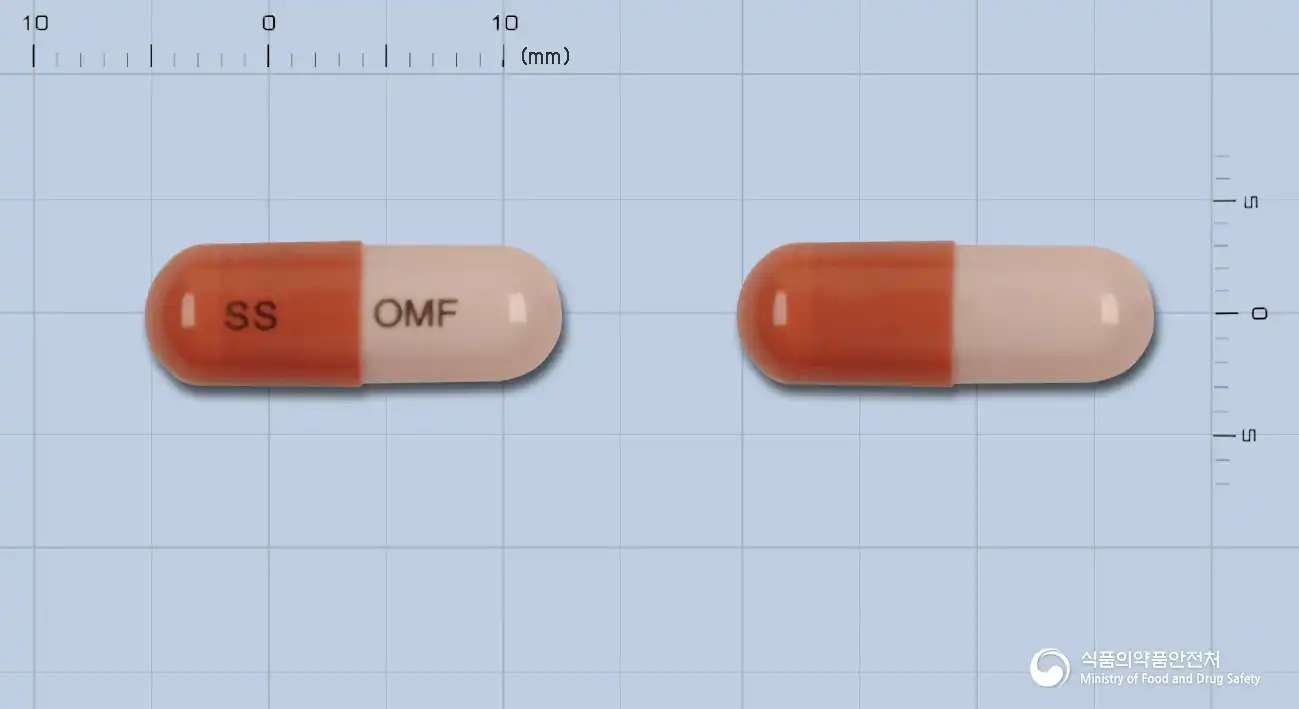
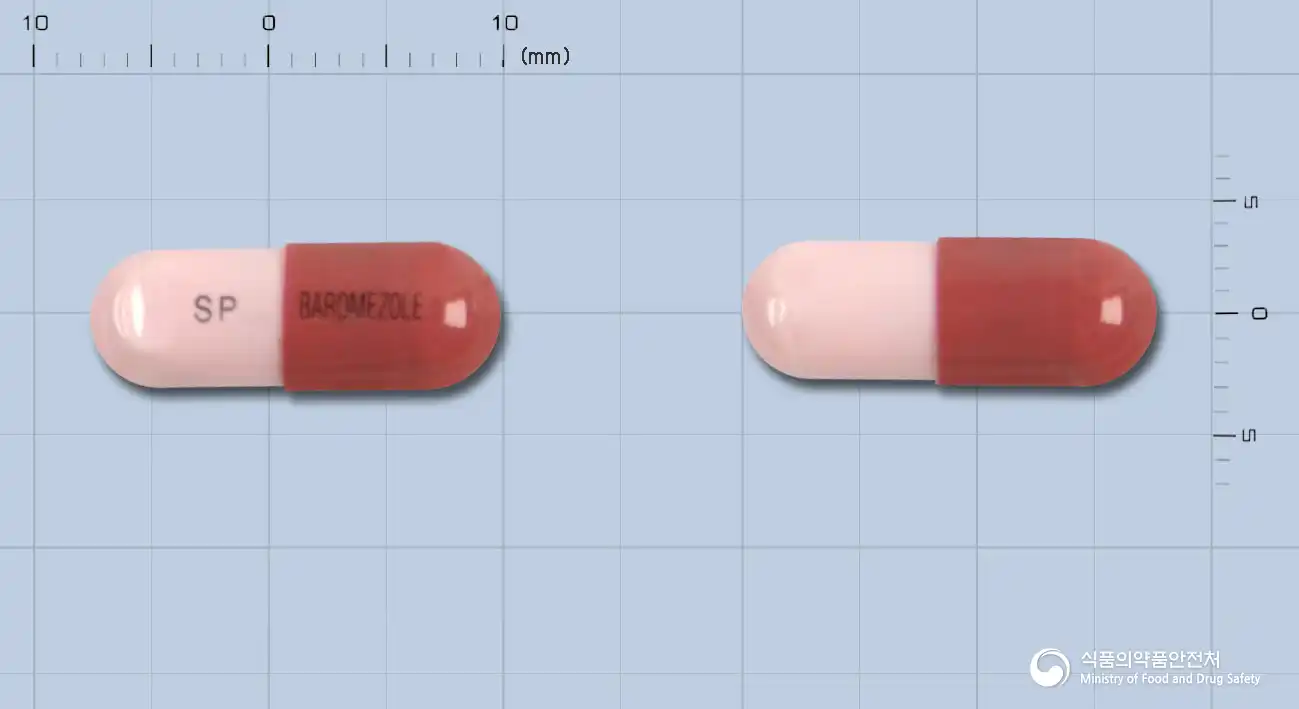
A hard capsule filled with yellowish-brown enteric granules, with the upper part being reddish-brown and the lower part being pink.
30 capsules/bottle, 100 capsules/bottle
Even with the same ingredient, strength, dosage form and how it is taken can differ.
Viewing nowOmeprazole Enteric Coated Granules 233mg
Hard capsule · Prescription medication
Samsung Pharmaceutical Co., Ltd.
Omeprazole Enteric Coated Granules 230mg
Hard capsule · Prescription medication
Ildong Pharmaceutical Co., Ltd.
Omeprazole Enteric Coated Granules 230mg
Hard capsule · Prescription medication
Aju Pharmaceutical Co., Ltd.
Omeprazole Enteric Coated Granules 232.6mg
Hard capsule · Prescription medication
Hana Pharmaceutical Co., Ltd.
Omeprazole Enteric Coated Granules 230mg
Prescription medication
Shinil Pharmaceutical Co., Ltd.
Omeprazole Enteric Coated Granules 233mg
Hard capsule · Prescription medication
Youngpoong Pharmaceutical Co., Ltd.
Omeprazole Enteric Coated Granules 230mg
Prescription medication
Hanol BioPharma Co., Ltd.
Omeprazole Enteric Coated Granules 230mg
Hard capsule · Prescription medication
Shinpoong Pharmaceutical Co., Ltd.
Even with the same ingredient, the dose and directions can differ by strength and dosage form. Talk to a doctor or pharmacist before switching from a medication you are already taking.
No questions yet.
For anything that needs medical judgment, consult a doctor or pharmacist.
This drug information is based on data provided by the Korea Ministry of Food and Drug Safety.
Consult a doctor or pharmacist for accurate dosage, administration, and usage instructions.