
 한국어
 English
 日本語
 中文(简体)
 Viewing now
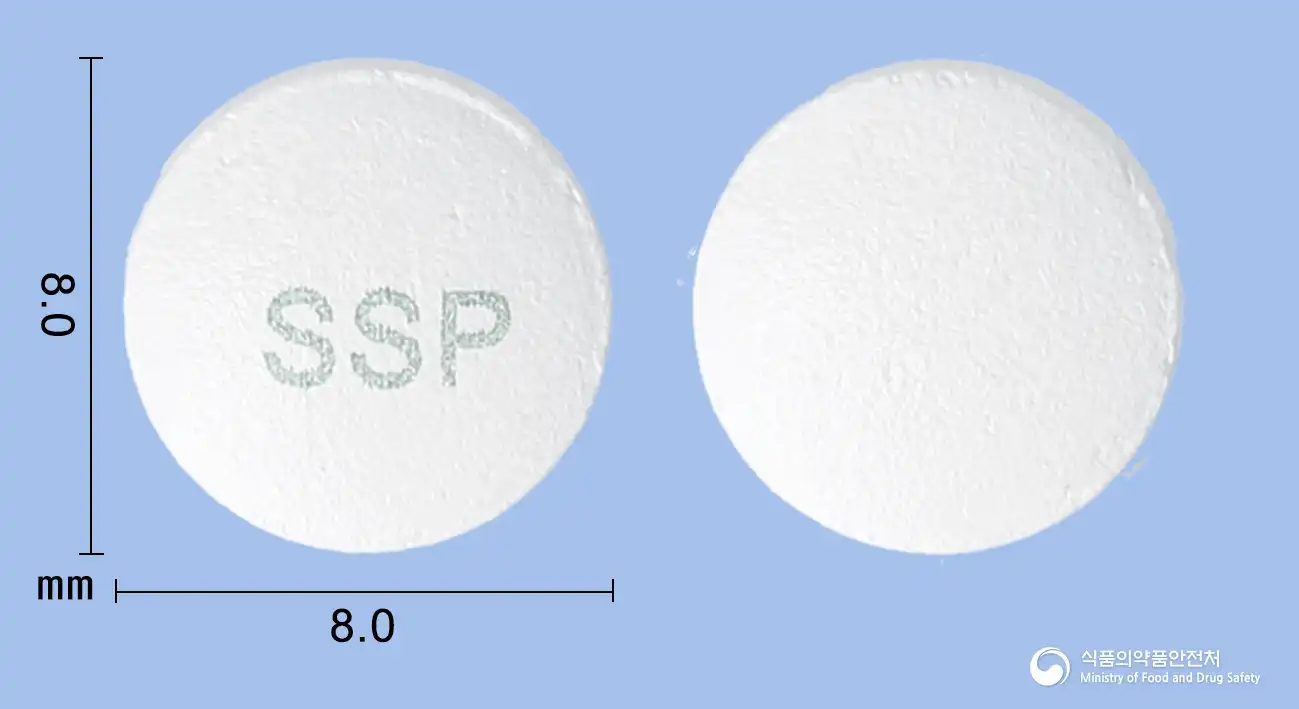
Asecroona Tablet (Aceclofenac)
Aceclofenac 100mg
Tablet · Prescription medication
Samsung Pharmaceutical Co., Ltd.
MFDS item code 200400225 · Notified 2004.10.08 · Insurance code 642302610
Relief of joint disorders (arthritis, etc.), pain (toothache, lower back pain, etc.), and traumatic inflammation
This medication is used for rheumatoid arthritis, ankylosing spondylitis, osteoarthritis (degenerative arthritis), periarthritis of the shoulder, toothache, pain after trauma due to inflammation, back pain, sciatica, and pain due to non-articular rheumatism.
○ Adults: Take aceclofenac 100 mg per dose every 12 hours, twice daily. ○ Patients with hepatic impairment: Administer 100 mg per day as the initial dose. Take this medicine as is, without chewing or crushing. Adjust the dose appropriately according to symptoms. To minimize cardiovascular adverse reactions to this medicine, administer the lowest effective dose for the shortest possible duration.
Consult a doctor or pharmacist before taking this medication if you regularly consume alcohol in amounts exceeding the recommended daily limit. This medication may cause problems with the heart or cerebrovascular system, thus should be used with caution in individuals at risk for cardiovascular disease or who have risk factors such as high blood pressure, diabetes, or smoking. During the course of this medication, periodically check for symptoms related to the heart, and consult a doctor immediately if symptoms occur. There is a risk of serious gastrointestinal issues such as bleeding or ulcers, so caution is required, particularly for the elderly or those with a history of gastrointestinal diseases. This medication should not be used in cases of active gastric ulcer, bleeding, hypersensitivity to the drug, or severe impairment of kidney or liver function. Patients with weak kidney or heart function, the elderly, and asthma patients should use this medication more cautiously and follow a doctor's instructions. Side effects such as dizziness, skin rashes, indigestion, abnormal liver function, and elevated blood pressure may occur during treatment, so immediate consultation with healthcare providers is essential if any unusual symptoms arise. This medication may interact with other drugs; therefore, it is crucial to inform your doctor if you are currently taking blood pressure medications, diuretics, anticoagulants, or diabetes medications. During pregnancy, particularly in the third trimester, this medication should not be taken as it may harm the fetus, and it is also advisable to avoid it while breastfeeding. For children and adolescents, it is preferable not to use this medication due to a lack of established safety and efficacy. Elderly patients have a higher risk of side effects such as gastrointestinal bleeding, so special caution is needed when taking this medication. If you exceed the recommended dosage or experience an overdose, inform medical staff immediately to receive appropriate measures, as this may lead to gastrointestinal irritation, hypotension, or seizures, and caution is advised. Store this medication out of reach of children, and do not transfer it to another container for safety.
Gastrointestinal bleeding, serious cardiovascular thromboembolic reactions, myocardial infarction, stroke, bleeding from the stomach or intestine, ulcers, perforation, dizziness, elevated liver enzyme levels, itching, rash, anemia, leukopenia, thrombocytopenia, neutropenia, hemolytic anemia, aplastic anemia, agranulocytosis, shock, anaphylactic reactions, hyperkalemia, depression, unusual dreams, insomnia, visual disturbances, optic neuritis, sensory disturbances, tremors, drowsiness, headache, taste disturbances, neck stiffness, fever, disorientation, confusion, hallucinations, tinnitus, fatigue, palpitations, facial flushing, hypertension, heart failure, shortness of breath, bronchospasm, wheezing, dyspepsia, abdominal pain, nausea, diarrhea, abdominal distension, gastritis, constipation, vomiting, oral ulcers, black stool, stomatitis, hematemesis, pancreatitis, exacerbation of colitis, Crohn's disease, hepatitis, jaundice, elevated AST, elevated ALT, elevated ALP, erythema, dermatitis, urticaria, facial edema, purpura, vesicular dermatosis, Stevens-Johnson syndrome, toxic epidermal necrolysis, photosensitivity reactions, hair loss, renal failure, nephrotic syndrome, edema, fatigue, leg cramps, elevated liver enzymes, increased blood urea, elevated creatinine, weight gain, increased nocturia, aseptic meningitis, angioedema, peripheral edema, periorbital edema
Not everyone experiences these, and they can vary from person to person.
This medication should be stored in a tightly sealed container to protect it from air and moisture. Additionally, it is best to store it at room temperature between 1°C and 30°C.
White round film-coated tablet
30 tablets/bottle, 500 tablets/bottle
Even with the same ingredient, strength, dosage form and how it is taken can differ.
Viewing nowAceclofenac 100mg
Tablet · Prescription medication
Samsung Pharmaceutical Co., Ltd.
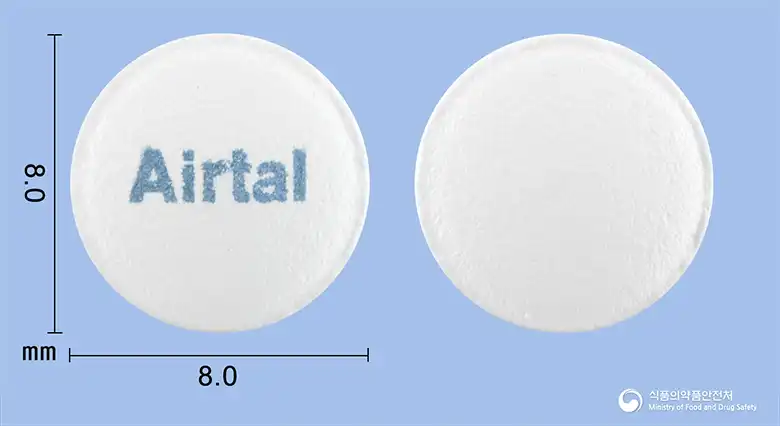
Aceclofenac 100mg
Tablet · Prescription medication
Daewoong Pharmaceutical Co., Ltd.
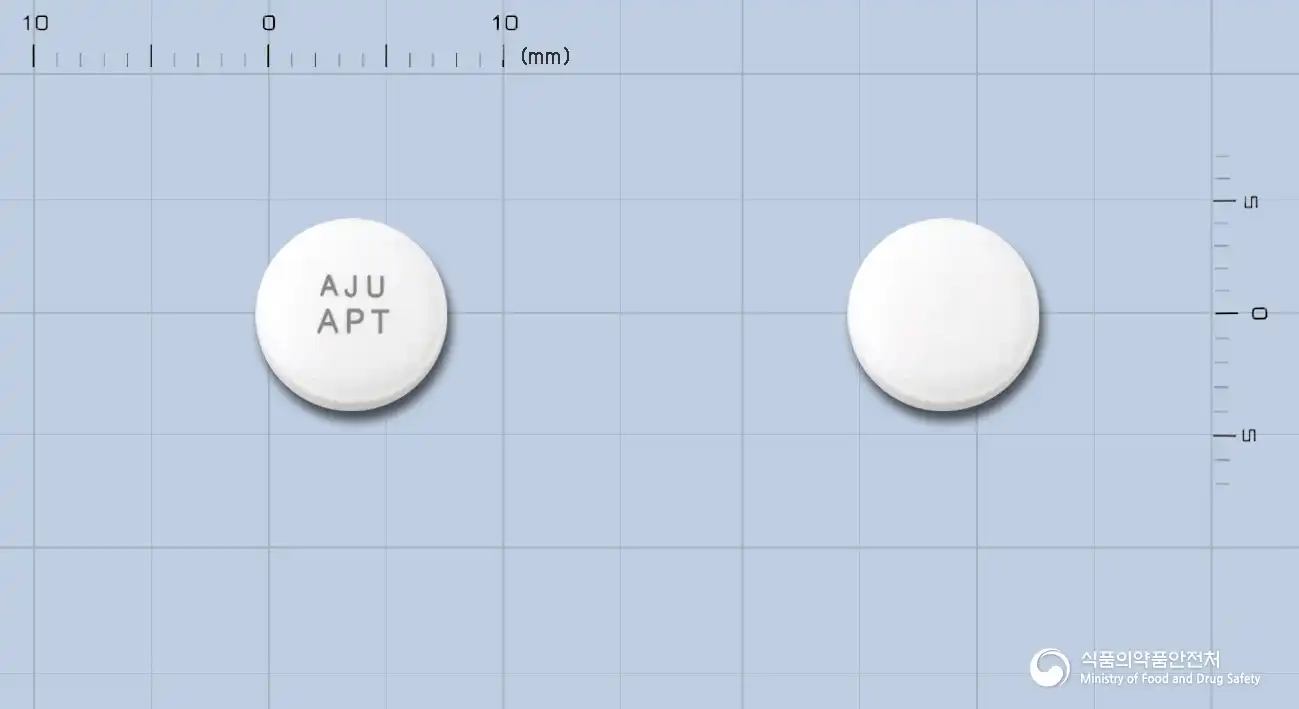
Aceclofenac 100mg
Tablet · Prescription medication
Aju Pharm Co., Ltd.
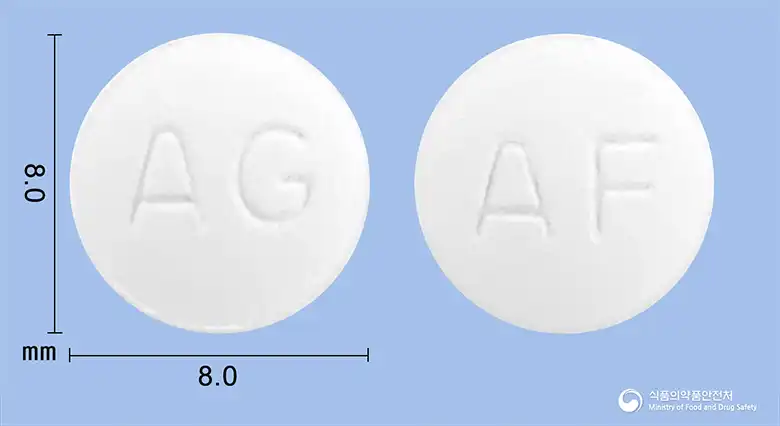
Aceclofenac 100mg
Tablet · Prescription medication
Angkuk Pharmaceutical Co., Ltd.

Aceclofenac 100mg
Tablet · Prescription medication
Dong-A ST Co., Ltd.
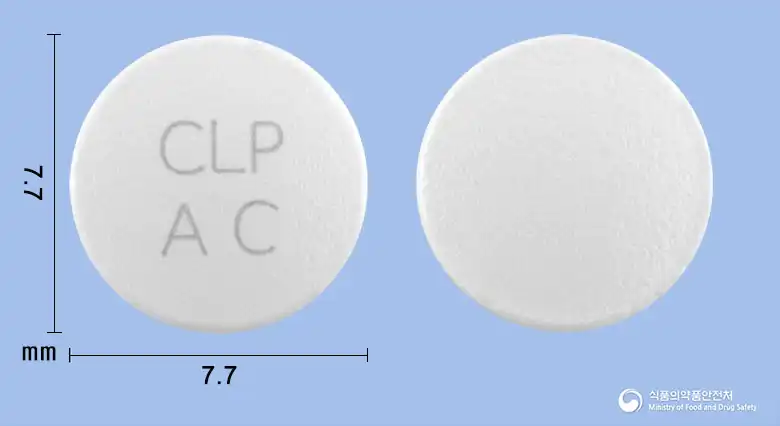
Aceclofenac 100mg
Tablet · Prescription medication
Celltrion Pharmaceutical Co., Ltd.
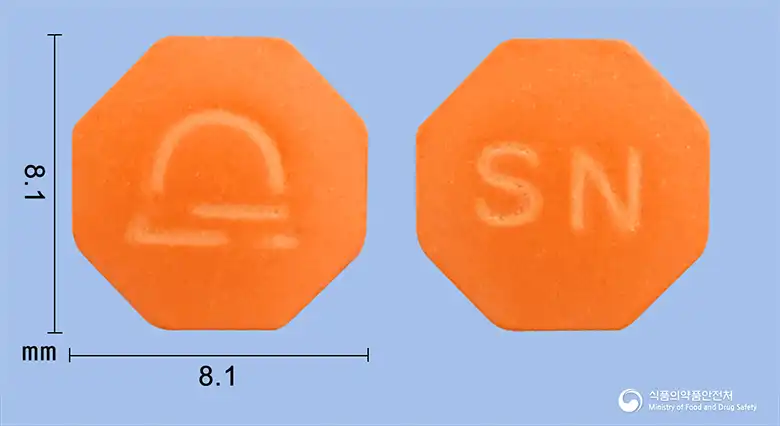
Aceclofenac 100mg
Tablet · Prescription medication
Daewon Pharmaceutical Co., Ltd.

Aceclofenac 100mg
Tablet · Prescription medication
Kyungdong Pharmaceutical Co., Ltd.
Even with the same ingredient, the dose and directions can differ by strength and dosage form. Talk to a doctor or pharmacist before switching from a medication you are already taking.
No questions yet.
For anything that needs medical judgment, consult a doctor or pharmacist.
This drug information is based on data provided by the Korea Ministry of Food and Drug Safety.
Consult a doctor or pharmacist for accurate dosage, administration, and usage instructions.