
 한국어
한국어 English
 日本語
日本語 中文(简体)
 Viewing now
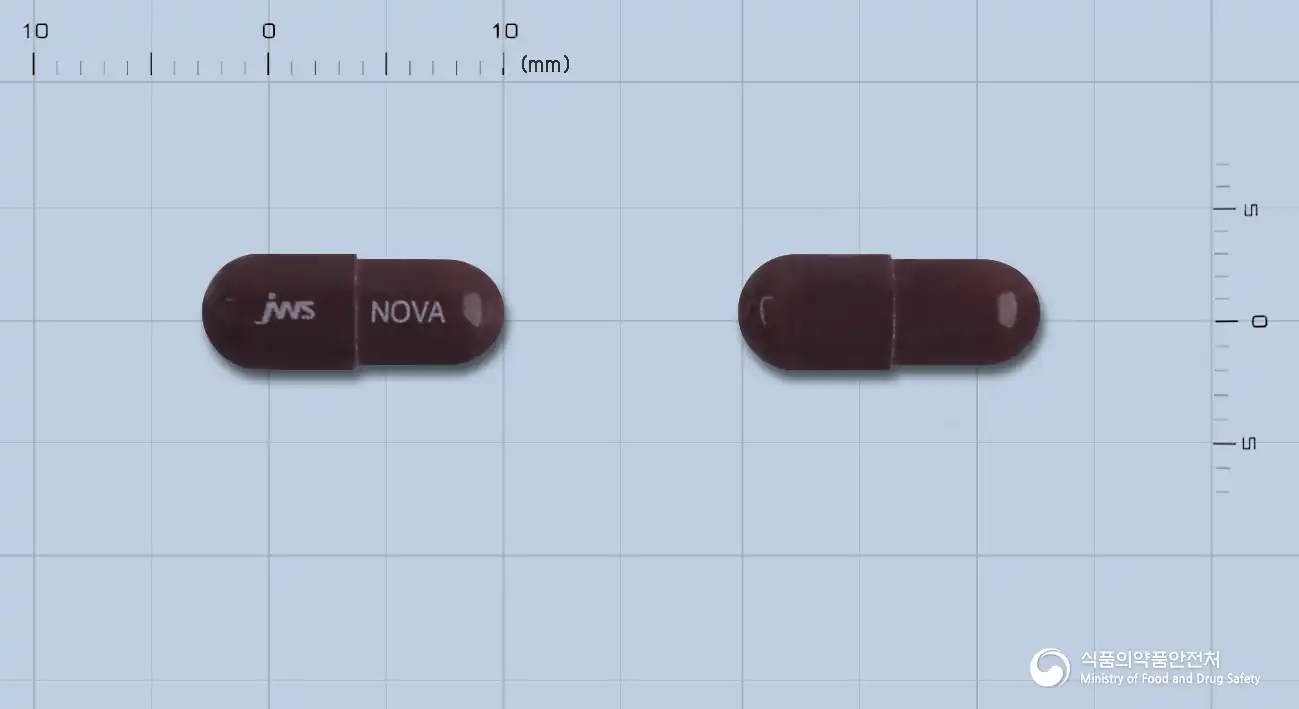
Nobaro-Plus Capsule (Amlodipine Maleate)
Amlodipine Maleate 6.42mg
Hard capsule · Prescription medication
JW Pharmaceutical Co., Ltd.
MFDS item code 200400215 · Notified 2004.06.24 · Insurance code 644102170
Treatment of hypertension and myocardial ischemia due to coronary artery disease (stable angina, variant angina)
This medication is used to manage hypertension and treat myocardial ischemia caused by cardiovascular problems, such as stable angina and variant angina.
As Amlodipine, one 5 mg tablet should be taken orally once daily. If there is no improvement in symptoms within 2 to 4 weeks, the dose may be increased to a maximum of 10 mg daily based on the patient's response. Adjust dosage appropriately based on symptoms.
This drug should not be used in certain patients. For example, it should not be taken by patients who have allergies to this drug or similar components, pregnant or potentially pregnant women, breastfeeding women, patients in cardiogenic shock, patients with severe aortic stenosis, patients with unstable angina, patients recently experiencing myocardial infarction, patients with severe liver dysfunction, and patients with severe hypotension. Additionally, it should be used with caution in patients with severely impaired kidney function, elderly patients, patients with acute heart failure, patients in hypertensive crisis, patients with mild to moderate liver dysfunction, patients with restricted left ventricular function, patients with low cardiac reserve, diabetic patients, and patients allergic to certain dyes included in this drug. Various side effects may occur when taking this drug. Common side effects may include flushing or warmth in the face, fatigue or swelling, a feeling of a rapidly beating heart, dizziness, headache, indigestion, drowsiness, and ankle swelling. In rare cases, symptoms such as dry mouth, excessive sweating, very low blood pressure, skin rash, allergic reactions, and liver function abnormalities may occur, so any unusual symptoms should be discussed with a doctor immediately. Abruptly stopping this medication can worsen symptoms, so do not stop taking it without a doctor's advice. Particularly, heart failure patients may develop pulmonary edema while taking this medication and should be cautious. It is recommended to take this drug with a sufficient amount of water, as dizziness or fatigue may occur due to blood pressure reduction; patients should be careful when operating dangerous machinery or driving. This drug may interact with several other medications, so if you are taking other medications, you must inform your doctor or pharmacist. In particular, taking this with grapefruit juice may excessively enhance the blood pressure-lowering effect, so it is best to avoid that combination. The safety of this drug during pregnancy or breastfeeding has not been established, and it is advised that women who are pregnant or potentially pregnant or breastfeeding avoid taking this medication. The safety of the drug for children has not been adequately confirmed, so caution should be exercised when used in pediatric populations. In the elderly, the medication may remain in the body longer, so it should be started at a low dose and monitored for responses. In case of overdose, severe hypotension, cardiac abnormalities, or shock may occur, necessitating immediate emergency care and proper treatment under a doctor's guidance. Finally, this medication should be kept out of the reach of children, and care should be taken not to transfer it to another container, as this may alter its quality.
Hives, angioedema, toxic epidermal necrolysis, severe swelling (edema), chest tightness, difficulty breathing, cold sweat, pallor, severe allergic reactions, severe rash with high fever, blisters, skin peeling, pain in mucous membranes of the mouth/eyes, severe skin adverse reactions, shortness of breath or difficulty breathing, asthma attack, respiratory abnormalities accompanied by cough and fever, yellowing of skin or eyes (jaundice), extreme malaise, liver abnormalities
Not everyone experiences these, and they can vary from person to person.
This medication is sensitive to light, so it should be stored in a dark container, and the temperature should ideally be between 1 degree and 30 degrees Celsius at room temperature. This storage method will help maintain the drug's efficacy and safety.
Brown hard capsule containing white or yellowish powder
30 capsules (10 capsules/PTP packaging x 3), 100 capsules/bottle
Even with the same ingredient, strength, dosage form and how it is taken can differ.
Viewing nowAmlodipine Maleate 6.42mg
Hard capsule · Prescription medication
JW Pharmaceutical Co., Ltd.
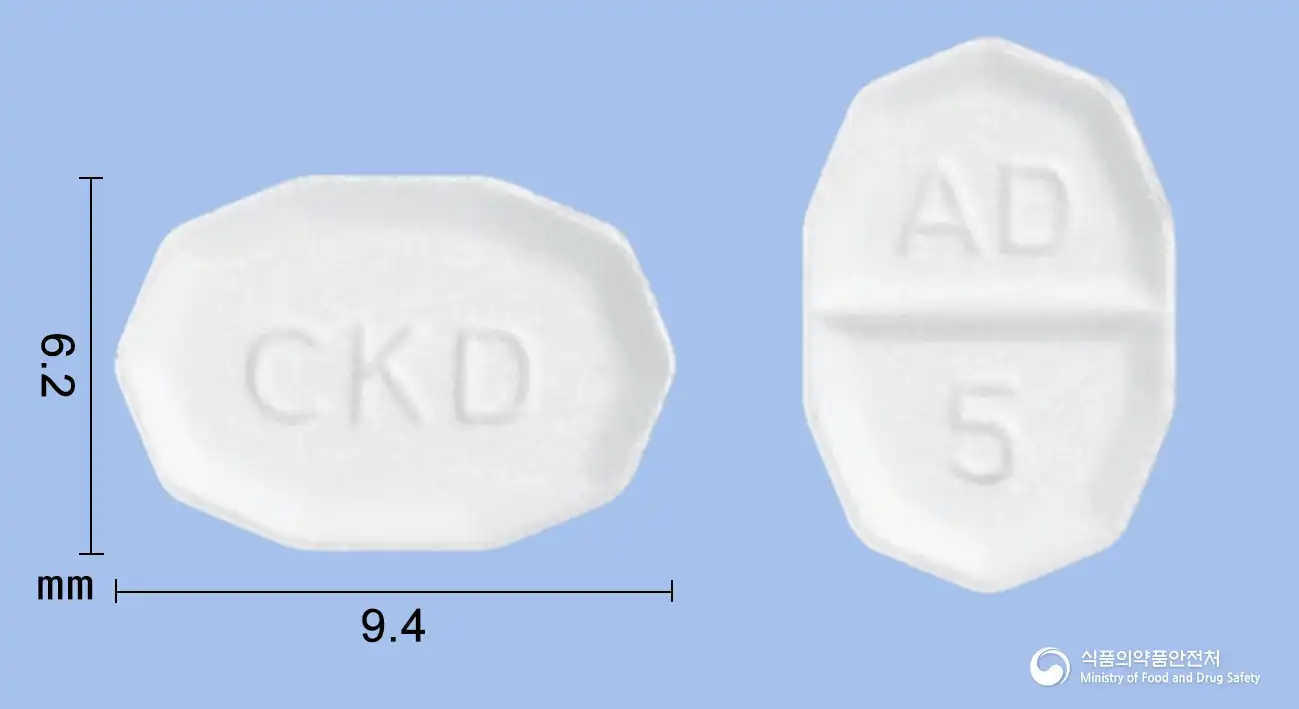
Amlodipine Maleate 6.42mg
Tablet · Prescription medication
Jongkundang Co., Ltd.
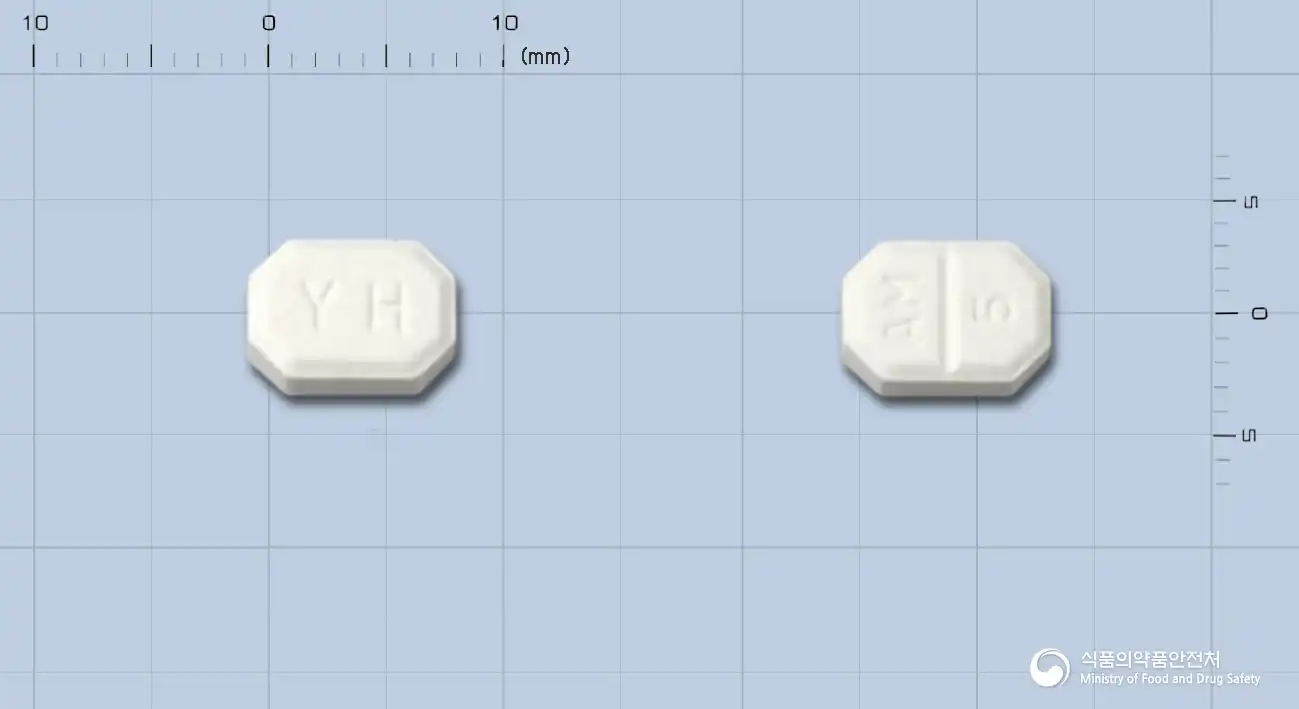
Amlodipine Maleate 6.42mg
Tablet · Prescription medication
Yuhan Corporation
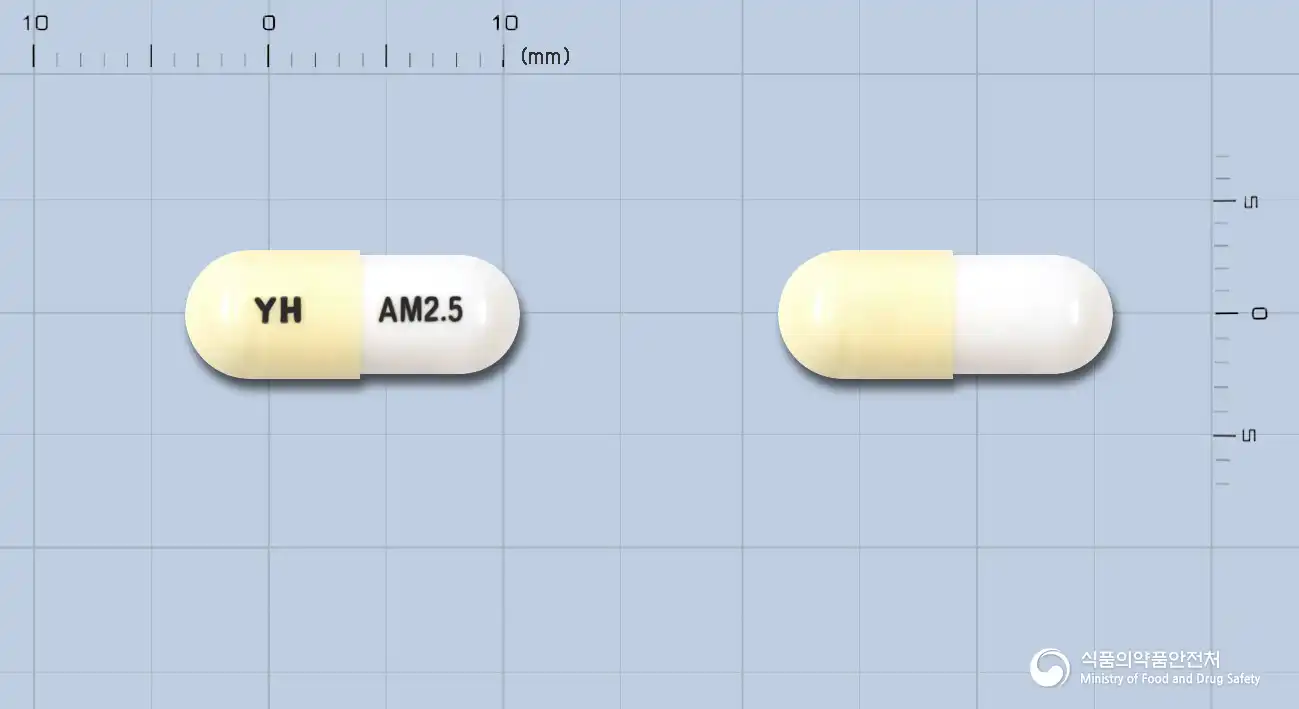
Amlodipine Maleate 3.21mg
Hard capsule · Prescription medication
Yuhan Corporation
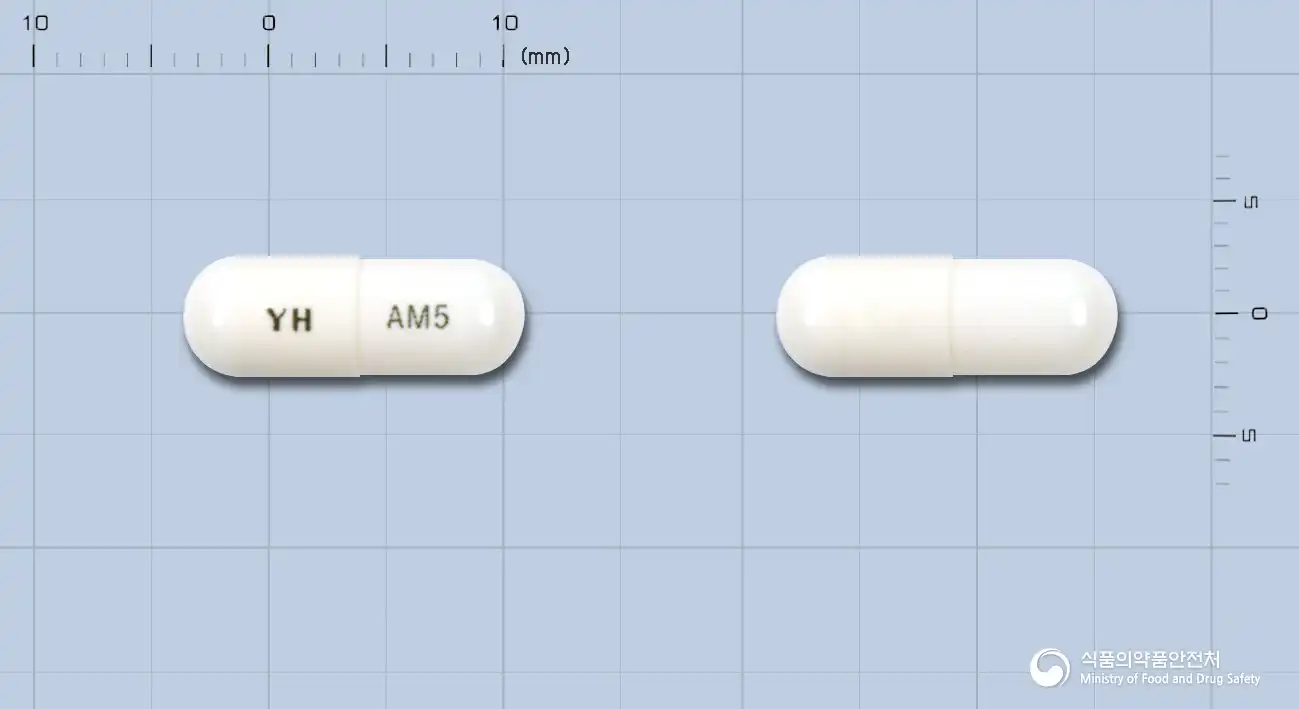
Amlodipine Maleate 6.42mg
Hard capsule · Prescription medication
Yuhan Corporation
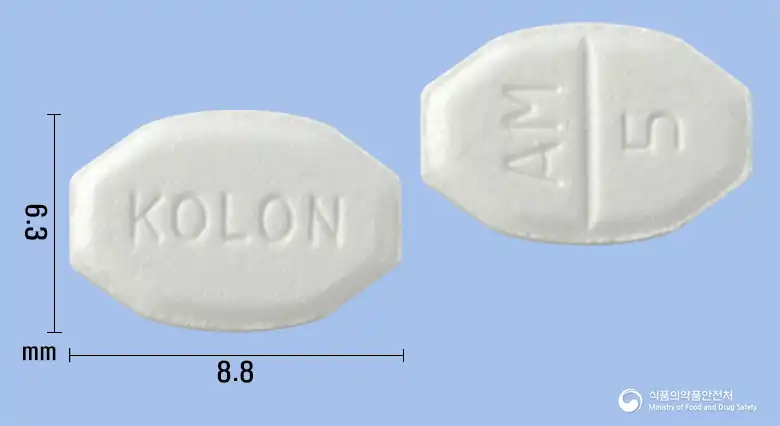
Amlodipine Maleate 6.42mg
Tablet · Prescription medication
KOLON Pharmaceutical Co., Ltd.
Amlodipine Maleate
Prescription medication
SK Chemicals Co., Ltd.
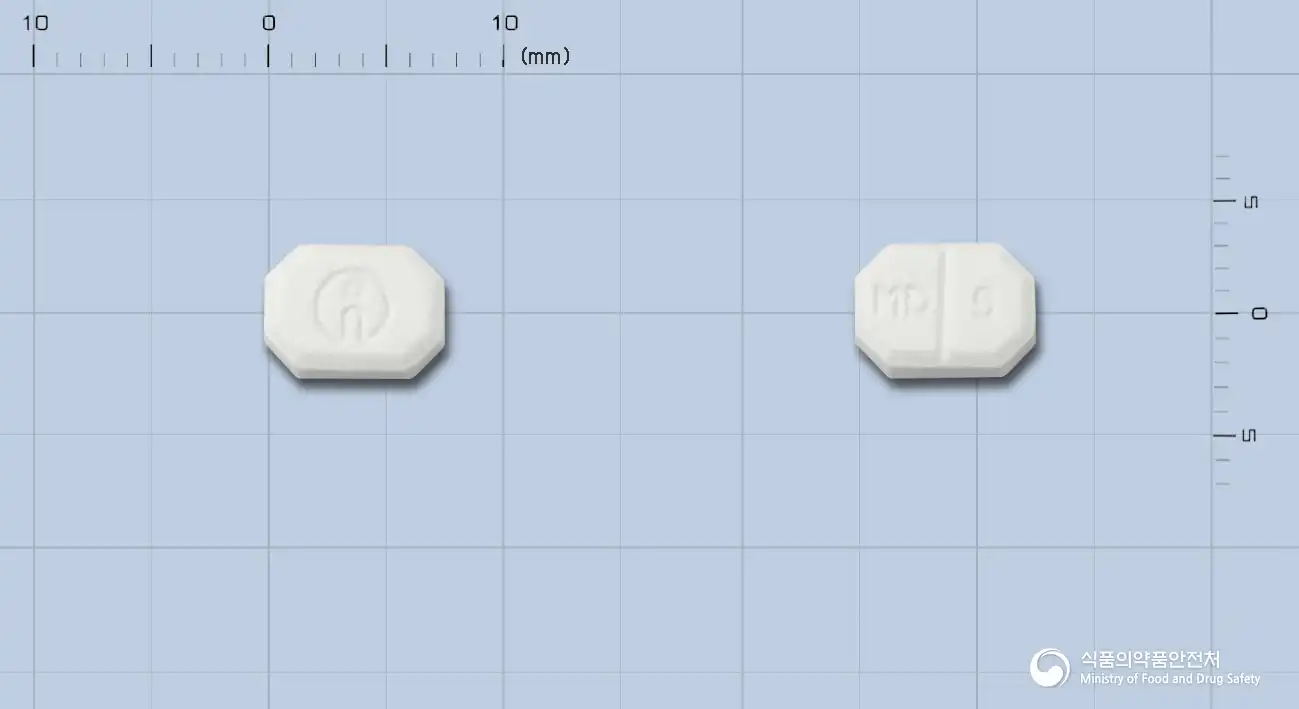
Amlodipine Maleate 6.42mg
Tablet · Prescription medication
YouYoung Pharmaceutical Co., Ltd.
Even with the same ingredient, the dose and directions can differ by strength and dosage form. Talk to a doctor or pharmacist before switching from a medication you are already taking.
No questions yet.
For anything that needs medical judgment, consult a doctor or pharmacist.
This drug information is based on data provided by the Korea Ministry of Food and Drug Safety.
Consult a doctor or pharmacist for accurate dosage, administration, and usage instructions.