
 한국어
 English
 日本語
 中文(简体)
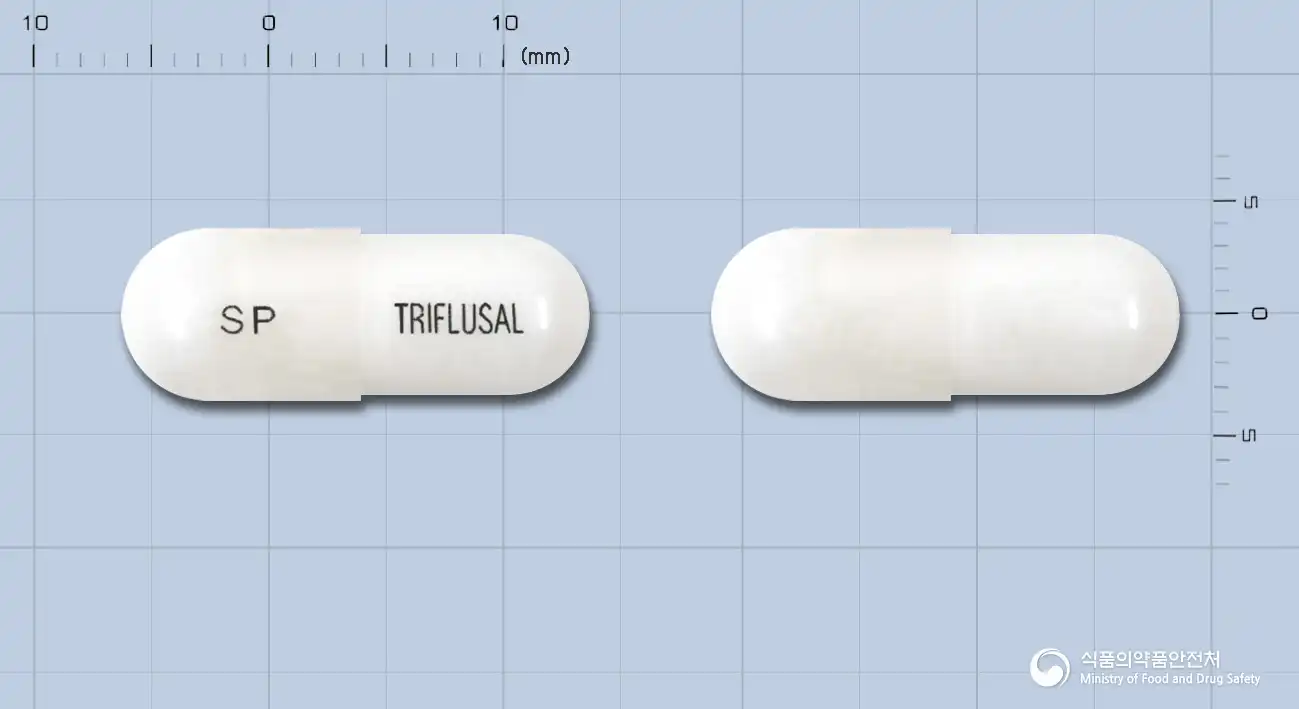 Viewing now
Sinphong Triflusale Capsule
Triflusal 300mg
Hard capsule · Prescription medication
Sinphong Pharmaceutical Co., Ltd.
MFDS item code 200400019 · Approved 2004.09.23 · Insurance code 648502380
Prevention of recurrence of arterial thromboembolic disease; inhibition of platelet aggregation
This medication prevents the recurrence of arterial thromboembolic disease caused by thrombosis and inhibits platelet aggregation to prevent thrombus formation. It also helps to prevent unstable angina from progressing to acute myocardial infarction, and prevents thrombosis after vascular surgery. It is effective in preventing transient ischemia or reversible neurological deficits caused by temporary blood flow deficiency among cerebrovascular disorders. This drug is used for secondary prevention of various vascular-related diseases and prevention of thrombosis.
Adults: Administer 600 mg ∼ 900 mg per day as triflusal orally in divided doses during or after meals. This medication should preferably be taken with food.
This medication should not be used by women who are pregnant or may become pregnant. Patients with a history of peptic ulcer or complicated peptic ulcer should also avoid this medication. Individuals who have allergic reactions to this drug, its components, or salicylate derivatives should not use it. This medication should not be administered to patients with ongoing bleeding and should be used cautiously in patients at high risk of bleeding. Experience with this drug in patients with impaired kidney or liver function is limited, so caution is required. Gastrointestinal discomfort such as stomach pain, heartburn, and nausea may occur while taking this medication, and taking it with food or using antacids can alleviate these symptoms. Rarely, side effects such as skin rash, headache, dizziness, hearing loss, gastrointestinal bleeding, and hypertension may occur, so any unusual symptoms should be discussed with a doctor immediately. This medication can increase the risk of bleeding; therefore, it is recommended to stop taking it 7 days before any scheduled surgeries. Drug interactions may occur if taken with anticoagulants or antidiabetic agents, so any currently taken medications should be reported. The safety and efficacy for children and adolescents under 18 years have not been sufficiently confirmed, hence its use should be avoided. In the event of overdose, central nervous system abnormalities, cardiac and respiratory problems, and gastrointestinal bleeding may occur, so care should be taken not to exceed the recommended dosage. This medication should be stored out of reach of children, and it is important to keep it in its original container to maintain quality.
Abdominal pain, dysphagia, heartburn, indigestion, nausea, peptic hemorrhage, melena, conjunctival hemorrhage, petechiae, hearing impairment, migraine, itching, rash, headache, confusion, dizziness, vertigo, convulsions, tinnitus, hearing loss, taste disturbance, abdominal pain, constipation, vomiting, bloating, loss of appetite, diarrhea, gastrointestinal bleeding, black stool, rectal bleeding, hypertension, transient ischemic attack, cerebral hemorrhage, dyspnea, upper respiratory tract infection, anemia, nosebleed, hematoma, purpura, gum bleeding, hematuria, urinary tract infection, abdominal distension, fever, influenza-like symptoms, photosensitivity reactions, central nervous system excitation or inhibition symptoms, changes in cardiovascular and respiratory systems, changes in electrolyte balance, diarrhea
Not everyone experiences these, and they can vary from person to person.
This medication must be stored in a tightly sealed container to prevent exposure to air or moisture. It should be kept at room temperature between 1 and 30 degrees Celsius.
Hard capsules containing an amorphous or white crystalline powder.
30 capsules/bottle, 100 capsules/bottle
Even with the same ingredient, strength, dosage form and how it is taken can differ.
Viewing nowTriflusal 300mg
Hard capsule · Prescription medication
Sinphong Pharmaceutical Co., Ltd.
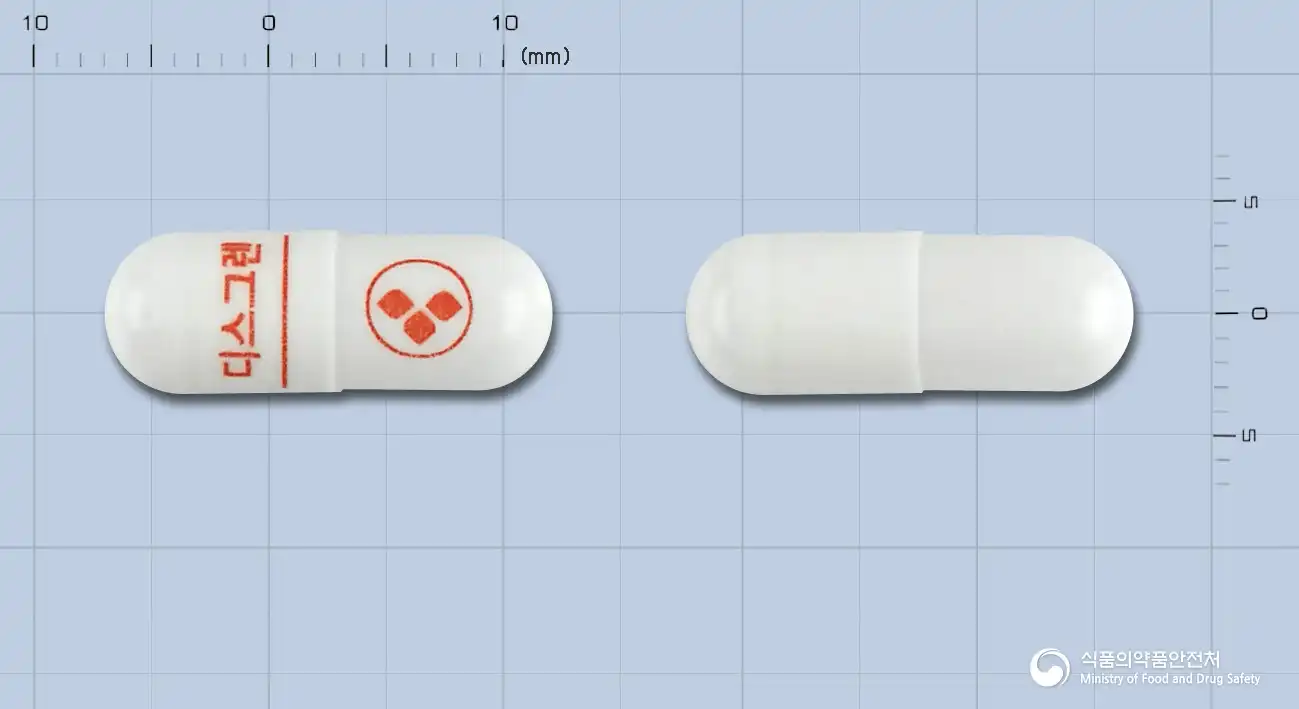
Triflusal 300mg
Hard capsule · Prescription medication
Myungin Pharmaceuticals Co., Ltd.
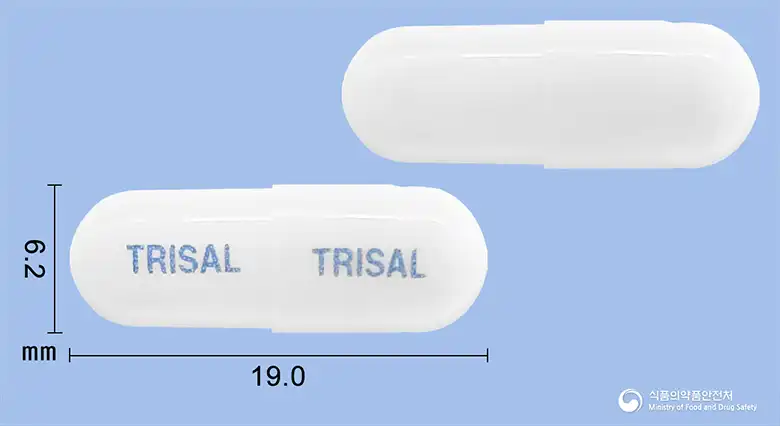
Triflusal 300mg
Hard capsule · Prescription medication
Hanin Pharmaceutical Co., Ltd.
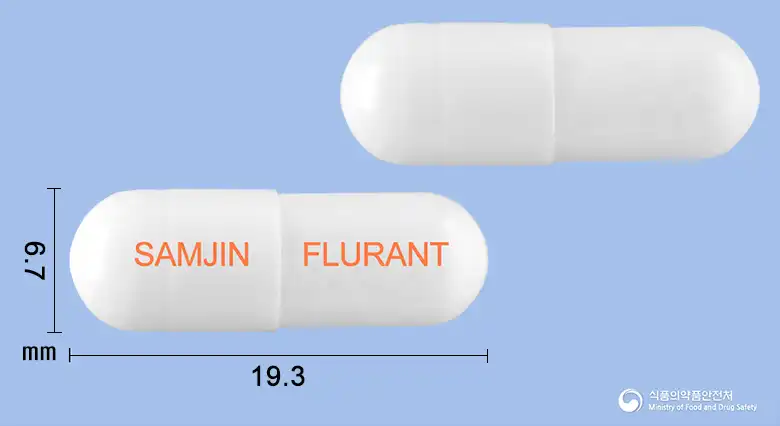
Triflusal 300mg
Hard capsule · Prescription medication
Samjin Pharmaceutical Co., Ltd.
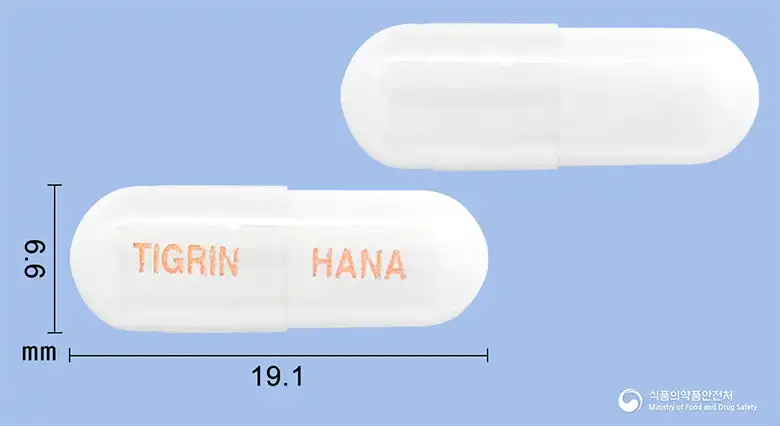
Triflusal 300mg
Hard capsule · Prescription medication
Hana Pharm Co., Ltd.
Triflusal 300mg
Hard capsule · Prescription medication
Yooyoung Pharmaceutical Co., Ltd.
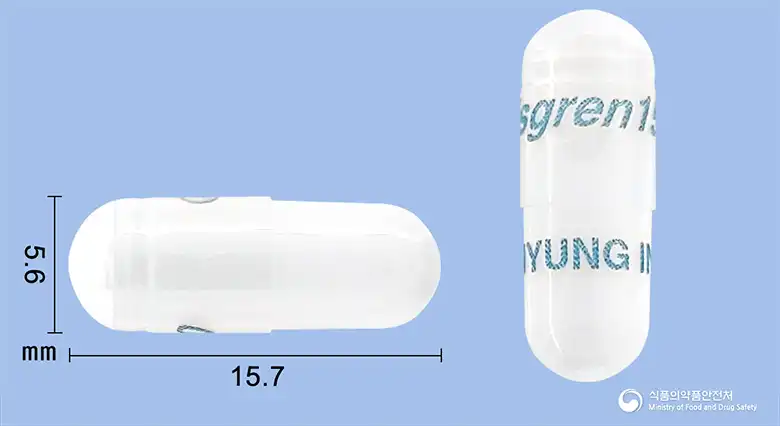
Triflusal 150mg
Hard capsule · Prescription medication
Myungin Pharmaceutical Co., Ltd.
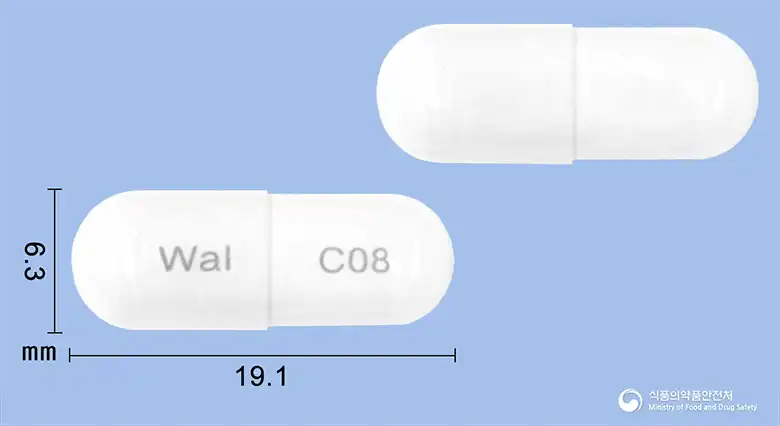
Triflusal 300mg
Hard capsule · Prescription medication
Austin Pharmaceutical Co., Ltd.
Even with the same ingredient, the dose and directions can differ by strength and dosage form. Talk to a doctor or pharmacist before switching from a medication you are already taking.
No questions yet.
For anything that needs medical judgment, consult a doctor or pharmacist.
This drug information is based on data provided by the Korea Ministry of Food and Drug Safety.
Consult a doctor or pharmacist for accurate dosage, administration, and usage instructions.