
 한국어
 English
 日本語
 中文(简体)
Dosage form image
Viewing nowGastotec Tablet 100 Micrograms (Misoprostol)
Misoprostol 1% 10mg
Tablet · Prescription medication
Vivozon Pharmaceutical Co., Ltd.
MFDS item code 200308647 · Notified 2003.06.28
This product's status changed to Expired on 2025.04.01. It may no longer be sold, so consult a doctor or pharmacist before taking it.
Treatment of gastric and duodenal ulcers; prevention and treatment of NSAID-induced gastritis, duodenitis, and ulcers
This medication is used to treat gastric and duodenal ulcers and to prevent gastric and duodenal inflammation and ulcers that may result from the use of non-steroidal anti-inflammatory drugs (NSAIDs). It helps protect gastrointestinal health and reduce the recurrence of ulcers.
1. Treatment of gastric and duodenal ulcers and gastric and duodenal ulcers caused by administration of nonsteroidal anti-inflammatory drugs : Take 2 tablets (equivalent to 200 micrograms of misoprostol) orally 4 times daily with meals and at bedtime for 4-8 weeks. 2. Prevention of gastritis, duodenitis, and gastric and duodenal ulcers caused by administration of nonsteroidal anti-inflammatory drugs : Take 4-8 tablets daily (equivalent to 400-800 micrograms of misoprostol) orally in divided doses with meals and at bedtime. Administer this medicine during treatment with nonsteroidal anti-inflammatory drugs as directed by a physician. To minimize diarrhea that may occur as an adverse effect, take this medicine with food and avoid concomitant use with magnesium-containing antacids. Adjust the dose as appropriate according to age and symptoms.
This medication should never be used in pregnant women as it may cause miscarriage. It should only be used after confirming the pregnancy status, and women of childbearing age should use effective contraceptive methods. If this medication is taken during pregnancy, it should be discontinued immediately. Patients allergic to this medication or with hypersensitivity to prostaglandins should not use it. Patients with cerebrovascular diseases or coronary artery diseases, and those with impaired liver function should use this medication cautiously. Gastrointestinal symptoms such as diarrhea, abdominal pain, nausea, and vomiting may occur during use, so if symptoms are severe, consult a doctor. Rarely, allergic reactions or shock symptoms may present, and if unusual symptoms occur, immediate medical attention is required. Women of childbearing age must ensure contraception during treatment and should stop taking the medication immediately upon confirmation of pregnancy. This medication should not be given to nursing mothers, as it may affect the baby through breast milk. Safety in pediatric patients has not been established, so use in children is not recommended. Elderly patients may experience more severe gastrointestinal symptoms, so caution is necessary during use. Overdose can lead to severe side effects, so the recommended dosage must be adhered to, and immediate medical attention is required if any unusual symptoms occur. This medication must be kept out of reach of children, and transferring it to another container may negatively impact quality.
Not everyone experiences these, and they can vary from person to person.
This medication may be sensitive to air or moisture, so it must be stored in a tightly sealed container. Additionally, it is important to store it at room temperature between 1 to 30 degrees Celsius to maintain its efficacy.
Light blue round tablet
30 tablets/bottle, 500 tablets/bottle
Even with the same ingredient, strength, dosage form and how it is taken can differ.
Misoprostol 1% 10mg
Tablet · Prescription medication
Vivozon Pharmaceutical Co., Ltd.
Misoprostol 1% 20mg
Tablet · Prescription medication
Shinpoong Pharmaceutical Co., Ltd.
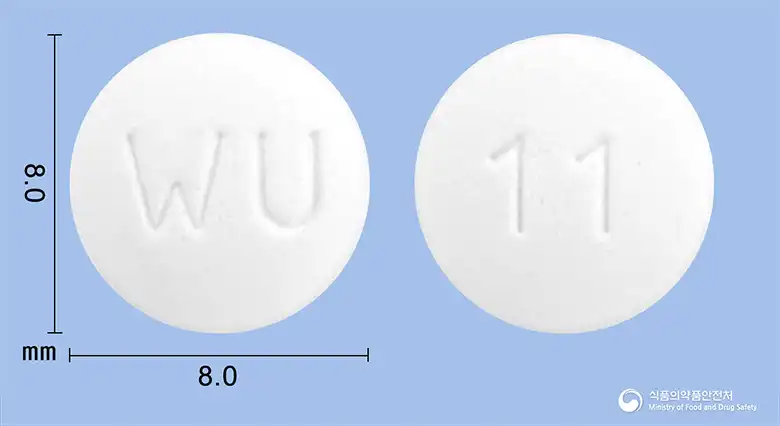
Misoprostol 1% 20mg
Tablet · Prescription medication
Withus Pharmaceutical Co., Ltd.
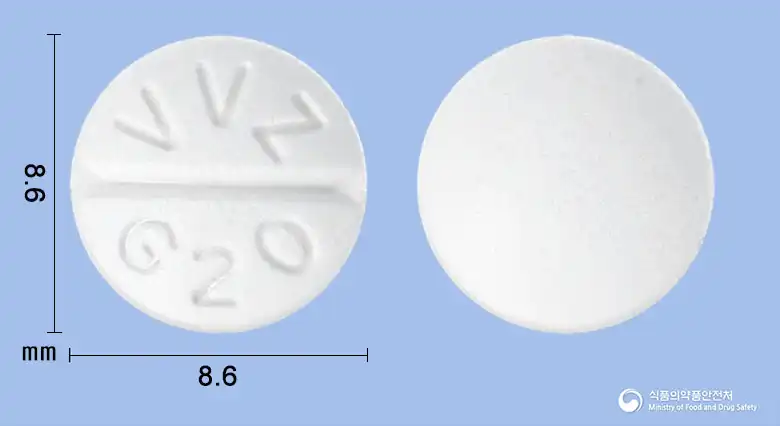
Misoprostol 1% 20mg
Tablet · Prescription medication
Bivorzon Pharmaceutical Co., Ltd.
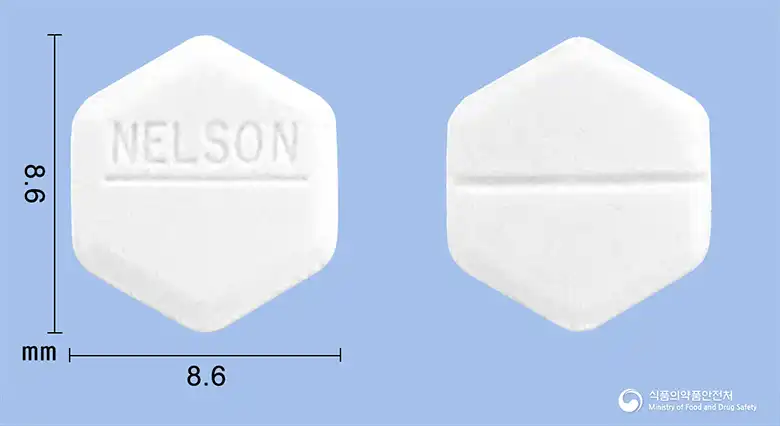
Misoprostol 1% 20mg
Tablet · Prescription medication
Korea Nelson Pharmaceutical Co., Ltd.
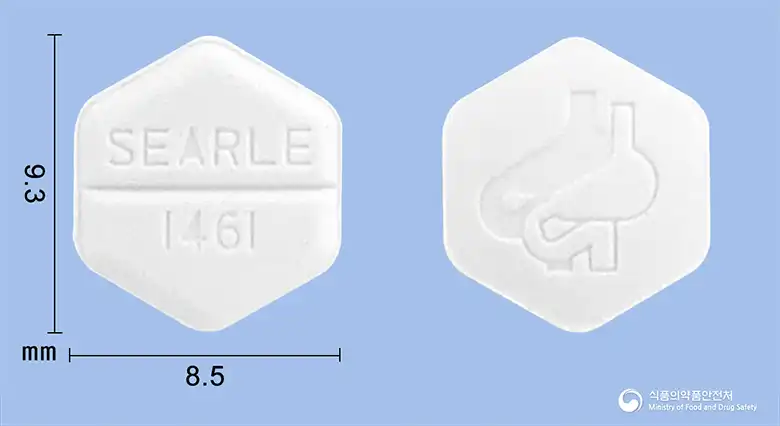
Misoprostol 1% 200mg
Tablet · Prescription medication
Pfizer Korea Co., Ltd.
Even with the same ingredient, the dose and directions can differ by strength and dosage form. Talk to a doctor or pharmacist before switching from a medication you are already taking.
No questions yet.
For anything that needs medical judgment, consult a doctor or pharmacist.
This drug information is based on data provided by the Korea Ministry of Food and Drug Safety.
Consult a doctor or pharmacist for accurate dosage, administration, and usage instructions.