
 한국어
 English
 日本語
 中文(简体)
 Viewing now
Isosorbide Dinitrate Extended-Release Capsules 120 mg
Dilute Isosorbide Dinitrate 300mg
Hard capsule · Prescription medication
Erison Pharmaceutical Co., Ltd.
MFDS item code 200308344 · Approved 2003.11.20 · Insurance code 620500210
Treatment of ischemic heart disease (angina, myocardial infarction, etc.); adjunctive treatment of congestive heart failure
This medication is used in the treatment of chronic ischemic heart diseases such as angina, myocardial infarction, and atherosclerosis. It is also used as an adjunct therapy for the treatment of patients with congestive heart failure, enhancing effects when combined with cardiac glycosides or diuretics. It helps improve heart function and promote blood circulation, alleviating patient symptoms. Therefore, this medication is effective in the treatment and management of cardiovascular diseases.
Adults: Administer 120㎎ of isosorbide dinitrate orally once daily after breakfast. Adjust the dose appropriately according to age and symptoms.
This medication should not be used in patients with acute circulatory failure or severe hypotension. Patients with closed-angle glaucoma or hypersensitivity to this drug or to nitrate compounds should also avoid taking it. Patients with cardiac-related diseases such as head trauma, cerebral hemorrhage, constrictive pericarditis, cardiac tamponade, and hypertrophic obstructive cardiomyopathy should not use this medication. Patients with acute myocardial infarction or left ventricular dysfunction should be cautious to prevent excessive drops in blood pressure. Additionally, it should not be administered to patients experiencing cardiogenic shock, severe hypovolemia, or severe anemia. This medication contains lactose and is not suitable for patients with lactose intolerance or related genetic issues. Moreover, it may be risky to take with certain drugs, so consulting a physician is recommended. Caution is advised for patients with hypotension, primary pulmonary hypertension, valvular disease, increased intracranial pressure, hypothyroidism, hypothermia, malnutrition, or liver or kidney disease. Side effects such as headache, dizziness, drowsiness, nausea, and skin rashes may occur when taking this medication, and in severe cases, hypotension or cardiac issues may arise. This medication may cause tolerance; therefore, high doses should not be used continuously. Combined use with other specific medications may significantly lower blood pressure, so caution is necessary. Response times may be impaired during driving or operating machinery; one should exercise caution, and the risk of side effects increases when taken with alcohol. Pregnant or nursing women should use this medication cautiously after consulting with a physician, as safety in pediatric patients has not been established. Elderly patients should use this medication with care as liver function decline may result in increased drug concentration. In case of overdose, symptoms such as hypotension, dizziness, headache, and vomiting may occur, and immediate medical treatment is required. This medication should not be chewed or crushed and is not suitable for emergency treatment of acute angina.
Not everyone experiences these, and they can vary from person to person.
This medication should be stored in a tightly closed container to prevent air or moisture from entering. It is best to keep the storage temperature between 1°C and 30°C at room temperature to safely maintain the drug's efficacy.
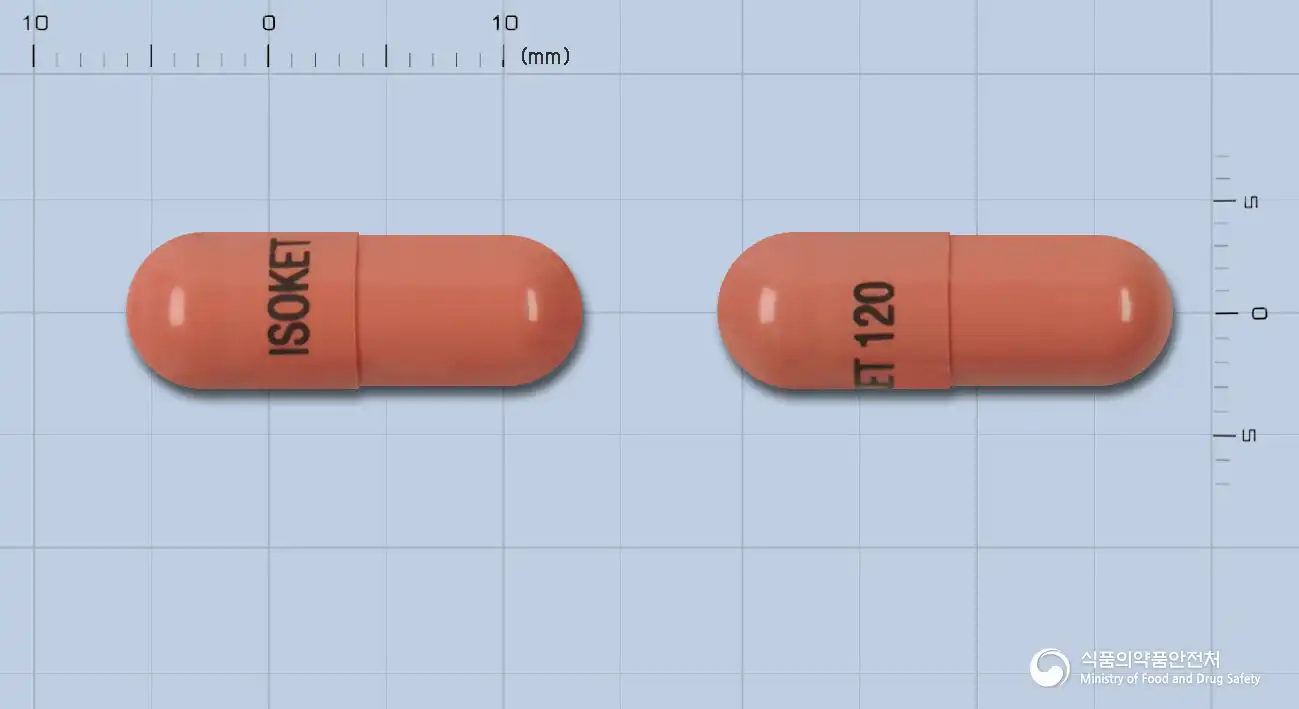
A pink hard capsule containing white spherical pellets for extended release.
100 capsules (10 capsules * 10 PTP)
Even with the same ingredient, strength, dosage form and how it is taken can differ.
Viewing nowDilute Isosorbide Dinitrate 300mg
Hard capsule · Prescription medication
Erison Pharmaceutical Co., Ltd.
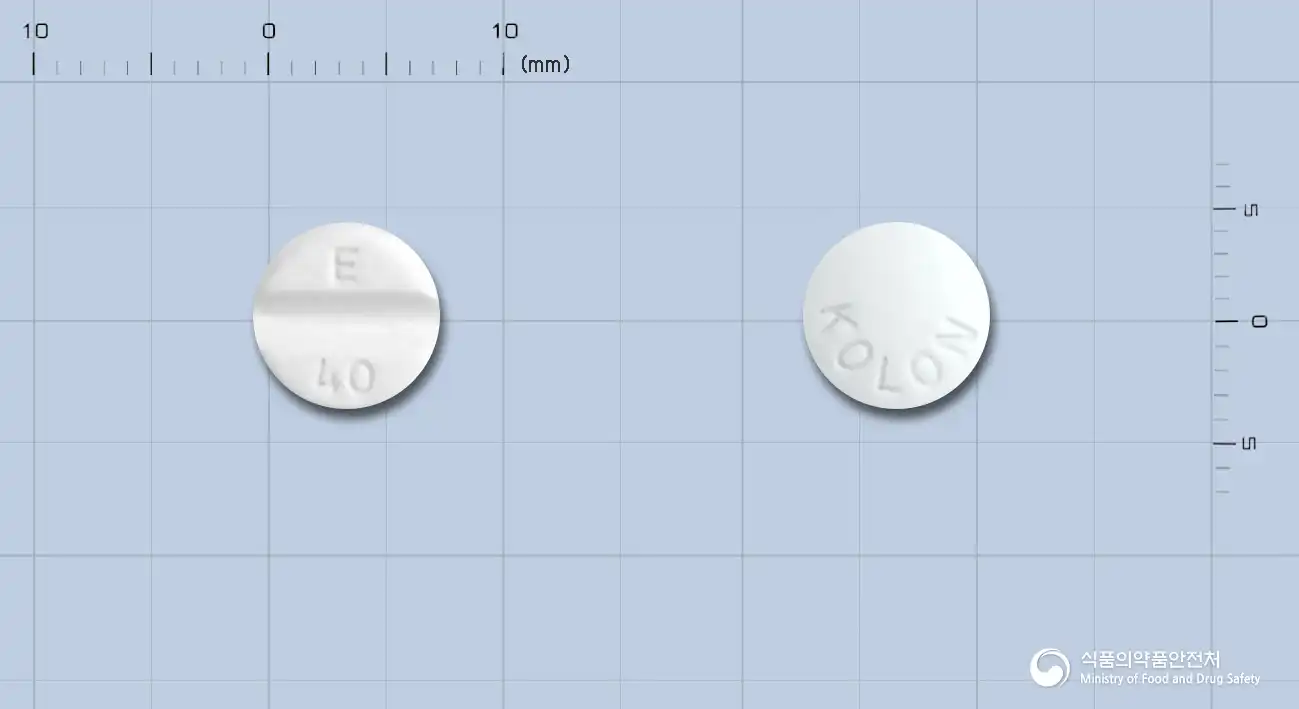
Dilute Isosorbide Dinitrate 100mg
Tablet · Prescription medication
Kolon Pharmaceutical Co., Ltd.
Even with the same ingredient, the dose and directions can differ by strength and dosage form. Talk to a doctor or pharmacist before switching from a medication you are already taking.
No questions yet.
For anything that needs medical judgment, consult a doctor or pharmacist.
This drug information is based on data provided by the Korea Ministry of Food and Drug Safety.
Consult a doctor or pharmacist for accurate dosage, administration, and usage instructions.