
 한국어
 English
 日本語
 中文(简体)
Dosage form image
Viewing nowFeringanit 0.1% Injection (Nitroglycerin)
Dilute Nitroglycerin 51.47mg
Prescription medication
Ellison Pharmaceutical Co., Ltd.
MFDS item code 200308342 · Notified 2003.11.11 · Insurance code 620500181
This product's status changed to Approval withdrawn on 2026.02.04. It may no longer be sold, so consult a doctor or pharmacist before taking it.
Perioperative blood pressure control; treatment of myocardial ischemia, congestive heart failure, and angina pectoris
This medication effectively controls blood pressure before and after surgery, aiding in the management of hypertension after cardiac surgery and maintaining hypotension during the procedure. It is also used to treat myocardial ischemia that may occur during and after surgery. Congestive heart failure that arises during acute myocardial infarction, particularly acute exacerbations of chronic heart failure, can also be managed with this medication. Additionally, it helps treat unstable angina or angina that does not respond to sublingual nitrates and beta-blockers. It is utilized in the treatment of various cardiovascular diseases to improve the patient's condition.
The appropriate dose of this medicine varies among individuals; adjust it according to the patient's condition while monitoring hemodynamic parameters. The usual recommended dose is 10-200㎍/min as nitroglycerin, and it may be increased to 400㎍/min if necessary. 1. Perioperative blood pressure control: For the treatment of intraoperative hypertension or induction of hypotension, administer an initial dose of 25㎍/min, then repeat 25㎍/min at 5-minute intervals until blood pressure stabilizes. For myocardial ischemia, administer an initial dose of 15-20㎍/min, then repeat 10-15㎍/min until an effect is observed. 2. Congestive heart failure: Administer an initial dose of 20-25㎍/min, then repeat 10㎍/min or 20-25㎍/min at 15-30-minute intervals according to the patient's condition. 3. Angina pectoris: Administer an initial dose of 10㎍/min, then repeat 10㎍/min at 30-minute intervals according to the patient's condition. Administer this medicine diluted with normal saline injection or dextrose injection, or inject it slowly into a vein using a syringe without dilution. When diluting, calculate the amount of this medicine required based on the actual volume to be infused. For example, to obtain a diluted solution of this medicine at a concentration of 100㎍/ml, mix 50ml of this medicine injection (50mg nitroglycerin) with 450ml of diluent to make a total volume of 500ml. Adjust the dose appropriately according to age and symptoms. The exact dilution method or dose and the corresponding drip rate are shown in the following table. Administration concentration (μg/min): 100, 200, 300, 400 Volume of this medicine (ml): 50, 100, 150, 200 Volume of diluent (ml): 450, 400, 350, 300 Volume of diluted injection (ml): 500, 500, 500, 500 Microdrops/min (ml/hour) / Drops/min / Dose (μg/min) 10: 6, 2 20: 12, 4 30: 18, 6 40: 24, 8 50: 30, 10 60: 36, 12 70: 42, 14 80: 48, 16 90: 54, 18 100: 60, 20 110: 66, 22 120: 72, 24 130: 78, 26 140: 84, 28 150: 90, 30 Dose (μg/min) for each row: 100, 200, 300, 400 *1ml = 60 pediatric microdrops = 20 standard drops **When used without dilution (using a syringe pump) Concentration of injection: 1,000 μg/ml Infusion rate (ml/hour): 0.6, 0.9, 1.2, 1.5, 1.8, 2.4, 3.0, 4.5, 6.0, 9.0, 12.0, 15.0, 18.0, 21.0, 24.0 Dose (μg/min): 10, 15, 20, 25, 30, 40, 50, 75, 100, 150, 200, 250, 300, 350, 400
This medication is provided in an injectable form, and care must be taken to avoid glass fragments when breaking the container. Extra caution is required when used in children or the elderly. This medication should not be administered to specific patients, such as those allergic to this drug or other nitrate preparations, those with severe hypotension, reduced blood volume, anemia, acute circulatory failure, severely impaired heart function, patients with elevated intracranial pressure, and glaucoma patients. In addition, administering this medication to patients taking PDE-5 inhibitors or sGC stimulators can cause severe hypotension. Patients with poor liver or kidney function, hypotensive individuals, pregnant or breastfeeding women, children, and the elderly should use this medication with increased caution and consult a physician if necessary. This medication may cause side effects such as increased heart rate, headache, dizziness, hypotension, skin rash, nausea, etc. Headaches are common due to its vasodilatory effects, and if the symptoms are severe, analgesics should be taken or a doctor consulted. During administration, blood pressure and cardiac status should be closely monitored, and any unusual symptoms should be reported to medical personnel immediately. Care should also be taken as this drug may adsorb to specific plastic materials, so appropriate infusion containers and sets must be used, paying attention to infusion rates. This medication may enhance the hypotensive effects when taken with other antihypertensive agents or alcohol; therefore, caution is recommended during co-administration. Pregnant or breastfeeding women should strictly follow the physician's instructions as administration may affect the fetus or infant. In cases of overdose, symptoms such as severe hypotension, methemoglobinemia, headache, and dizziness may occur, requiring immediate treatment. This medication may affect reaction times when driving or operating machinery, so caution is advised during use, especially in combination with alcohol. Finally, this medication should be used immediately after opening, and any remaining drug should not be stored but discarded. If it comes into contact with skin, symptoms such as palpitations or headaches may occur, necessitating immediate rinsing with clean water.
Tachycardia, worsening of angina symptoms, arrhythmia, palpitations, orthostatic hypotension, a state of exhaustion accompanied by arrhythmia and fainting, hypotension, flushing, prolonged hypotension after discontinuation, rebound phenomenon, headache, dizziness, drowsiness, heavy feeling in the head, cerebral edema, nausea, vomiting, heartburn, abdominal pain, dry mouth, allergic skin reactions, allergic contact dermatitis, exfoliative dermatitis, skin erythema, weakness, itching, burning sensation, erythema, irritation, chest discomfort, muscle cramps, oliguria, fatigue, metabolic acidosis, increased heart rate, anxiety, pallor, sweating, methemoglobinemia, headache, increased heart rate, nausea, weakness, exhaustion, fainting, diarrhea, rapid breathing, anxiety, cyanosis, increased intracranial pressure
Not everyone experiences these, and they can vary from person to person.
This medication should be stored in a sealed container to prevent air from entering, with a storage temperature maintaining room temperature between 1 to 30 degrees Celsius. Proper storage helps maintain the drug's effectiveness and safety.
Colorless, transparent injection solution filled in a colorless, transparent ampoule
10 ampoules/box [(10 milliliters/ampoule × 10)]
Even with the same ingredient, strength, dosage form and how it is taken can differ.
Dilute Nitroglycerin 51.47mg
Prescription medication
Ellison Pharmaceutical Co., Ltd.
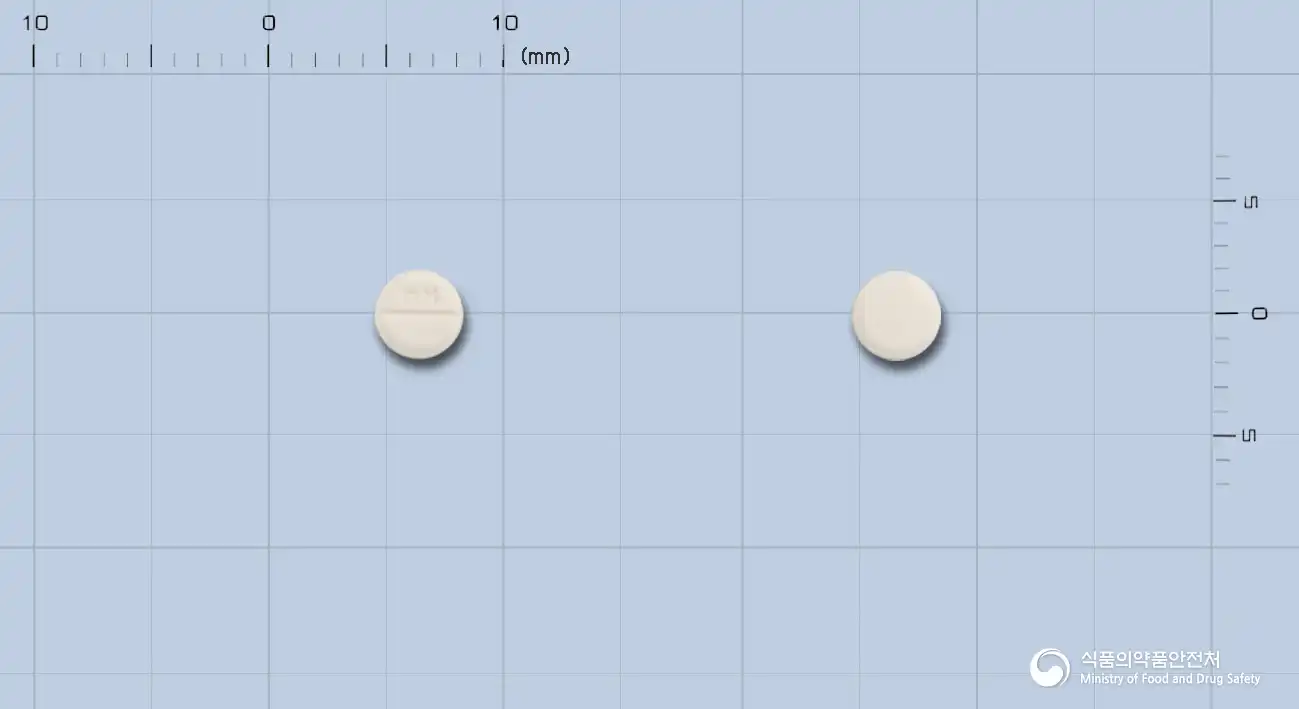
Dilute Nitroglycerin 30mg
Sublingual Tablet · Prescription medication
Myungmoon Pharmaceutical Co., Ltd.
Even with the same ingredient, the dose and directions can differ by strength and dosage form. Talk to a doctor or pharmacist before switching from a medication you are already taking.
No questions yet.
For anything that needs medical judgment, consult a doctor or pharmacist.
This drug information is based on data provided by the Korea Ministry of Food and Drug Safety.
Consult a doctor or pharmacist for accurate dosage, administration, and usage instructions.