
 한국어
 English
 日本語
 中文(简体)
Dosage form image
Viewing nowAsacol Enema 4 grams/100 milliliters (Mesalamine)
Mesalazine 4g
Suspension · Prescription medication
Daewoong Pharmaceutical Co., Ltd.
MFDS item code 200307868 · Notified 2003.07.31 · Insurance code 641601821
Treatment of acute exacerbations of mild to moderate ulcerative colitis and prevention of recurrence
This medication is used to treat mild to moderate acute flares of ulcerative colitis and to prevent recurrence. It is important for patients to continue taking this medication with ongoing management to avoid worsening symptoms. This drug works by suppressing inflammation, improving digestive tract health. Symptom relief and long-term prevention of recurrence can be expected after taking this medication. Therefore, it helps in controlling acute symptoms of ulcerative colitis and maintaining a healthy intestine.
Unless otherwise directed by a physician, instill 4 g of mesalazine rectally once daily at bedtime (if there is difficulty with administration, the dose may be divided into two administrations, at bedtime and in the morning). Better results may be obtained if the bowel is cleansed before administration. After administration, remain in the administration position, lying on the left side, for about 30 minutes. Warm this enema solution to body temperature before use and shake well to evenly disperse the suspension. Acute attacks generally resolve after 4 ∼ 6 weeks; discontinue treatment once the acute attack has passed. Directions for use: 1. This medicine is an enema, so it is recommended that you use the toilet before administration. 2. Remove the bottle and shake it well before use. 3. Remove the cap from the bottle and attach the tip. 4. Put on vinyl gloves and hold the bottle. 5. As shown in the figure, lie on your left side with your right knee drawn toward your chest to make administration of the enema easier.
This medication should not be administered to certain patients. For example, it must not be used in patients with allergies to this drug or its components, salicylic acid, or salicylates. Patients with severely impaired liver or kidney function, those with peptic ulcer, or those with bleeding disorders may also be at risk when using this drug. Additionally, it is not to be used in children under 12 years of age. Patients with a history of asthma attacks or other allergic reactions to salicylates or non-steroidal anti-inflammatory drugs, patients with bronchial asthma allergic to sulfites, those with uncontrolled severe heart failure, and patients undergoing specific anticancer treatments should also avoid this medication. Patients with allergies to other medications, those with weak liver or kidney function, pregnant or breastfeeding women, the elderly, patients who have had an allergy to sulfasalazine, patients with bronchial asthma, patients with blood disorders, and adolescents aged 12 to 18 should use this medication with increased caution. Using this medication may result in side effects such as diarrhea, nausea, abdominal pain, headache, vomiting, rash, and discomfort in the rectum, as well as difficulty holding back stools. In some cases, severe allergic reactions, high fever, and severe skin reactions have also been reported. When administered rectally, symptoms such as itching or discomfort may occur, as well as difficulty in controlling bowel movements. During the use of this medication, regular blood tests, liver function tests, and urine tests should be performed, and kidney function should be periodically monitored. If any abnormal symptoms appear, tests should be conducted immediately. Particularly, asthma patients require careful medical supervision when using this medication. This medication can affect internal organs such as the heart, liver, and kidneys, so if any abnormal symptoms occur, use should be discontinued immediately, and consultation with a physician is needed. This drug may interact with multiple medications, so if you are taking other medicines, be sure to inform your doctor or pharmacist. Pregnant or breastfeeding women should consider the potential risks and benefits of using this medication carefully. If symptoms such as diarrhea occur while breastfeeding, nursing should be stopped. Safety in children has not been established sufficiently, therefore it should not be used in children under 12 years of age. Elderly patients may have reduced bodily functions, thus careful use including dosage adjustments may be necessary. In cases of overdose, there is no specific antidote, so appropriate treatment must be administered based on symptoms, and gastric lavage or control of fluids and electrolytes may be necessary. This drug is not to be ingested as it is meant for enema use; it is recommended to use the toilet before application. During storage, the medication should be kept in a sealed container away from light and out of reach of children, and it should not be transferred to another container. Caution should be taken as the solution can stain clothing or the toilet.
Diarrhea, nausea, abdominal pain, headache, vomiting, rash, atypical fever syndrome, itching, discomfort in the rectum, symptoms of inability to control bowel movements, anemia, aplastic anemia, agranulocytosis, neutropenia, leukopenia, pancytopenia, thrombocytopenia, eosinophilia, anaphylactic reaction, drug reaction (DRESS), dizziness, peripheral nerve disorder, idiopathic intracranial hypertension, myocarditis, pericarditis, dyspnea, cough, bronchospasm, allergic alveolitis, pulmonary eosinophilia, interstitial lung disease, pulmonary infiltration, pneumonia, pleuritis, nausea, abdominal distension, increased amylase, acute pancreatitis, colitis, increased aminotransferase, increased cholestatic evaluation parameters, hepatotoxicity, hepatitis, cholestatic hepatitis, cirrhosis, liver failure, urticaria, erythematous rash, photosensitivity, hair loss, allergic rash, erythema multiforme, Stevens-Johnson syndrome, toxic epidermal necrolysis, myalgia, arthralgia, erythema multiforme syndrome, renal dysfunction, urine discoloration, nephrolithiasis, reversible oligospermia, abdominal bloating, belching, increased methemoglobin levels, conjunctivitis, benign intracranial hypertension in adolescents, angioedema
Not everyone experiences these, and they can vary from person to person.
This medication should be stored in a sealed container to avoid exposure to air or moisture. The storage temperature should be maintained at 25 degrees Celsius or lower to preserve the drug's effectiveness.
Brown suspension in an opaque white polyethylene container
(100mL/bottle) X 7/box
Even with the same ingredient, strength, dosage form and how it is taken can differ.
Mesalazine 4g
Suspension · Prescription medication
Daewoong Pharmaceutical Co., Ltd.
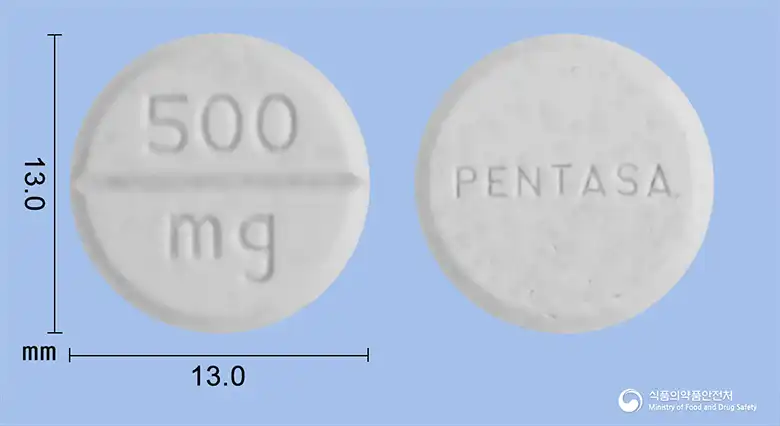
Mesalazine 500mg
Tablet · Prescription medication
Korea Ferring Pharmaceutical Co., Ltd.
Mesalazine 1000mg
Prescription medication
Korea PhaRing Pharmaceutical Co., Ltd.
Mesalazine 500mg
Prescription medication
Daiwoong Pharmaceutical Co., Ltd.
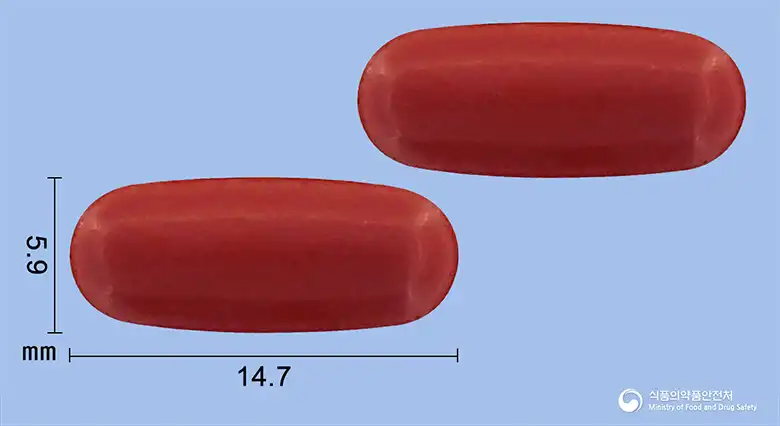
Mesalazine 400mg
Tablet · Prescription medication
Daewoong Pharmaceutical Co., Ltd.
Mesalazine 1g
Prescription medication
Korea Ferring Pharmaceuticals Co., Ltd.
Mesalazine 2g
Prescription medication
Korea Ferring Pharmaceuticals Co., Ltd.
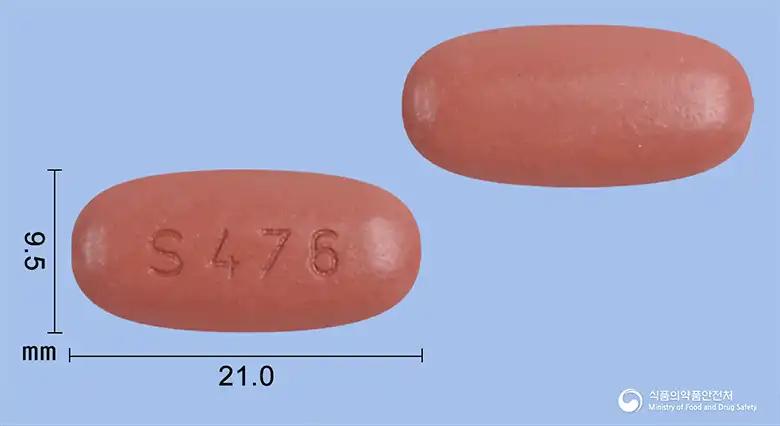
Mesalazine 1200mg
Tablet · Prescription medication
Takeda Pharmaceuticals Korea Co., Ltd.
Even with the same ingredient, the dose and directions can differ by strength and dosage form. Talk to a doctor or pharmacist before switching from a medication you are already taking.
No questions yet.
For anything that needs medical judgment, consult a doctor or pharmacist.
This drug information is based on data provided by the Korea Ministry of Food and Drug Safety.
Consult a doctor or pharmacist for accurate dosage, administration, and usage instructions.