
 한국어
한국어 English
 日本語
日本語 中文(简体)
 Viewing nowCombination
Gluriad Tablet 500/5mg
Metformin Hydrochloride 500mg · Glibenclamide 5mg
Tablet · Prescription medication · Combination
Daewoong Pharmaceutical Co., Ltd.
MFDS item code 200307867 · Approved 2003.05.14 · Insurance code 641600200
Improvement of blood sugar control in insulin-independent diabetes.
This medication is used for the treatment of insulin-independent type 2 diabetes in adults. It is prescribed as a second-line treatment when blood sugar control is insufficient with diet and exercise, as well as with monotherapy of metformin or sulfonylureas. Additionally, it is used to replace the combination therapy of metformin and sulfonylureas for patients whose blood sugar control is stable. This helps to effectively manage blood sugar and prevent complications associated with diabetes. This drug improves the normalization of blood sugar in diabetes patients.
The usual starting dose is 1 tablet of Metformin Hydrochloride/Glyburide 500/2.5mg per day. For patients using combination therapy of Metformin Hydrochloride and Glyburide, 2 tablets should be taken daily with meals. The medication dosage may be increased by one tablet at intervals of 1 to 2 weeks according to the patient's blood glucose levels, with a maximum dose of Metformin Hydrochloride/Glyburide 500/5mg of up to 4 tablets per day.
This medication can cause severe lactic acidosis or hypoglycemia and must be used with great caution. Lactic acidosis is a dangerous condition where lactic acid accumulates excessively in the blood, which can be life-threatening in severe cases. Furthermore, it may increase the risk of cardiovascular diseases, so patients with heart conditions should be especially cautious. It should not be used in patients with moderate or severe renal impairment, heart failure, or those who have recently experienced a myocardial infarction. Before any tests involving iodine contrast agents, this medication should be discontinued and renal function should be assessed before resuming. It is also contraindicated in pregnant or nursing women, and in patients taking certain medications. Patients taking this medication should have regular meals, be well-informed about hypoglycemic symptoms, and take immediate appropriate action if hypoglycemia occurs. Gastrointestinal disturbances may commonly occur; gradually increasing the dosage can help alleviate symptoms. Patients with impaired liver function or those consuming excessive alcohol should be cautious with this medication. Regular monitoring of blood glucose, renal function, liver function, and blood tests is necessary, and if any abnormal symptoms occur, a doctor should be consulted immediately. Overdose may result in hypoglycemia or lactic acidosis, necessitating emergency treatment. Caution should be exercised when driving or operating machinery if blurriness of vision or hypoglycemic symptoms frequently occur. It should be stored out of the reach of children, and it is safe not to transfer it to another container.
Severe lactic acidosis, hypoglycemia, increased risk of cardiovascular mortality, worsening urticaria leading to shock, liver abnormalities (increased liver enzymes, signs of jaundice), severe allergic reactions (hives, severe swelling, chest tightness, difficulty breathing, cold sweat, pallor), severe skin adverse reactions (severe rash, blisters, skin peeling, pain in mouth/eyes mucosa), respiratory issues (shortness of breath or difficulty breathing, asthma attacks, cough and
Gastrointestinal symptoms (upper abdominal pain, diarrhea, nausea, vomiting, abdominal pain, loss of appetite), certain sensory abnormalities (metallic taste), skin reactions (itching, urticaria, maculopapular rash, etc.), headaches, dizziness, hematological abnormalities (rarely leukopenia, thrombocytopenia, agranulocytosis, hemolytic anemia, etc.), decreased vitamin B12 blood levels, increased liver enzymes, isolated hyponatremia, visual disturbances (temporary), upper respiratory tract infections, abdominal distension,
Not everyone experiences these, and they can vary from person to person.
This medication should be stored in a tightly closed container to protect it from air and moisture. It is important to maintain a storage temperature between 1 degree and 30 degrees Celsius.
Pale yellow film-coated tablet that is oval-shaped with a convex surface, marked with '5' on one side.
60 tablets (20 tablets/PTP) × 3, 120 tablets (20 tablets/PTP) × 6
Even with the same ingredient, strength, dosage form and how it is taken can differ.
Viewing nowCombinationMetformin Hydrochloride 500mg · Glibenclamide 5mg
Tablet · Prescription medication · Combination
Daewoong Pharmaceutical Co., Ltd.
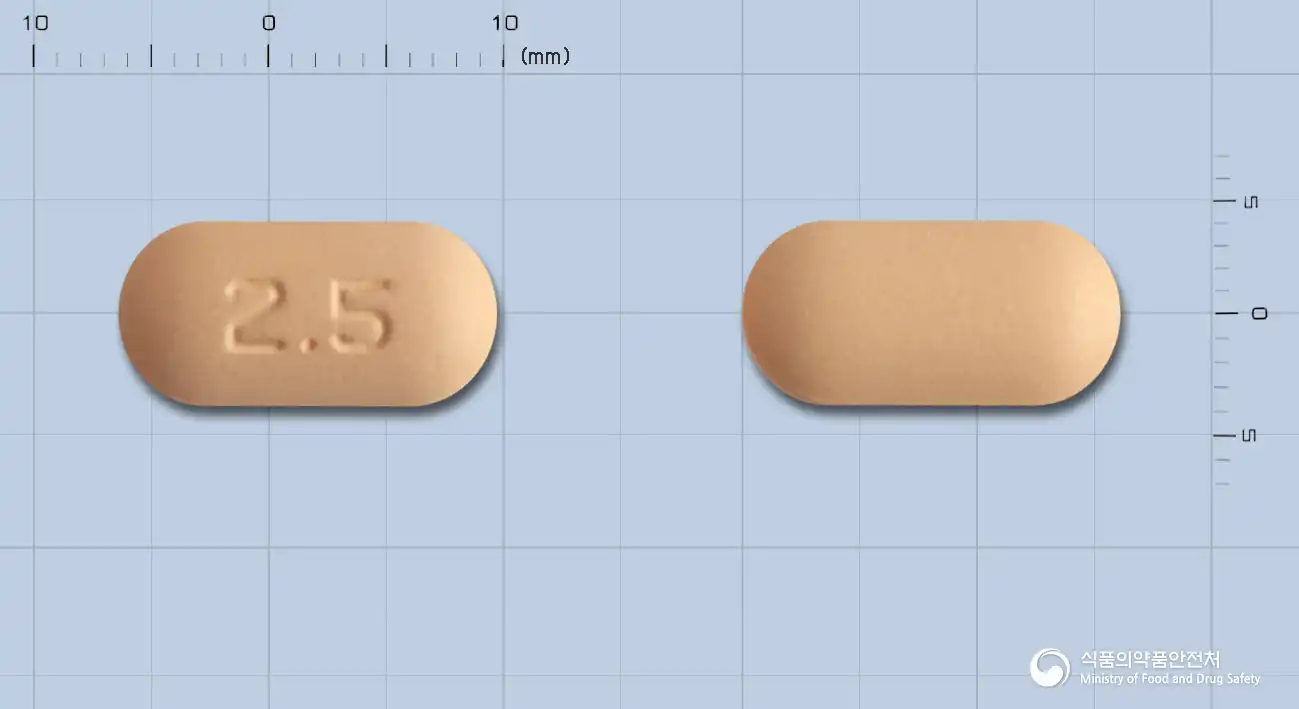 Combination
Metformin Hydrochloride 500mg · Glibenclamide 2.5mg
Tablet · Prescription medication · Combination
Merck Co., Ltd.
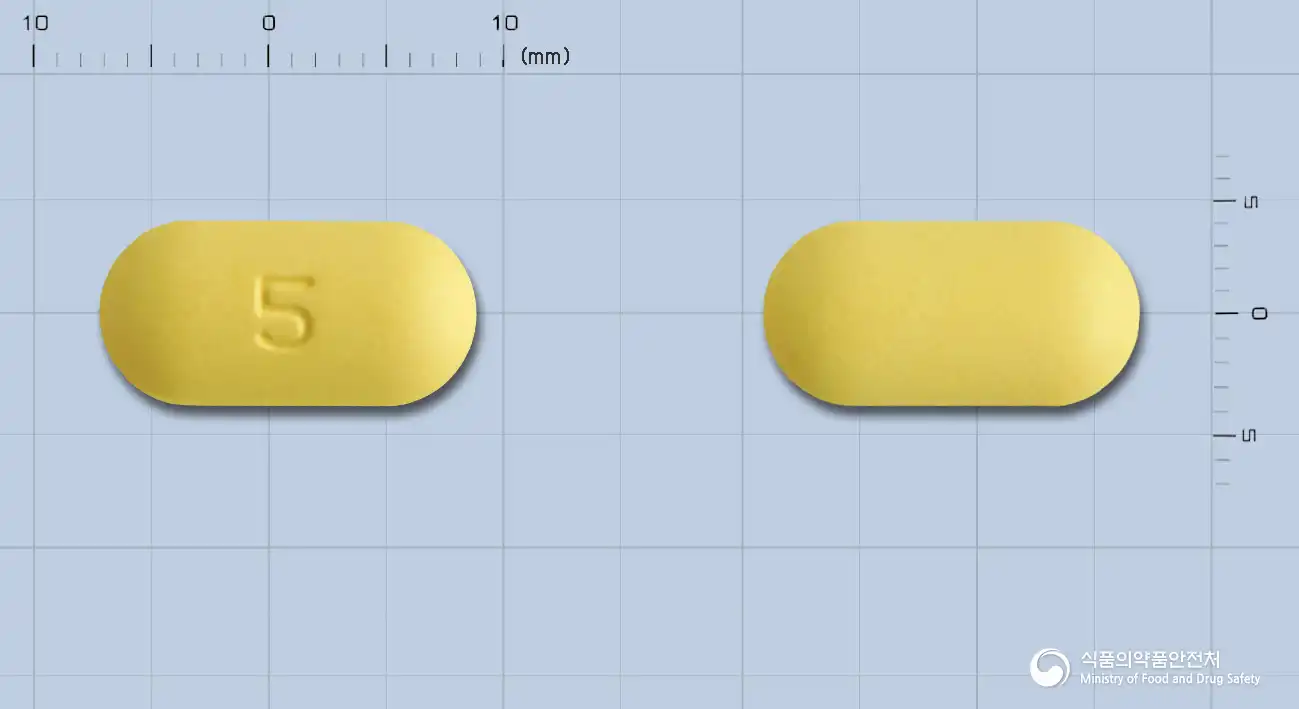 Combination
Metformin Hydrochloride 500mg · Glibenclamide 5mg
Tablet · Prescription medication · Combination
Merck Co., Ltd.
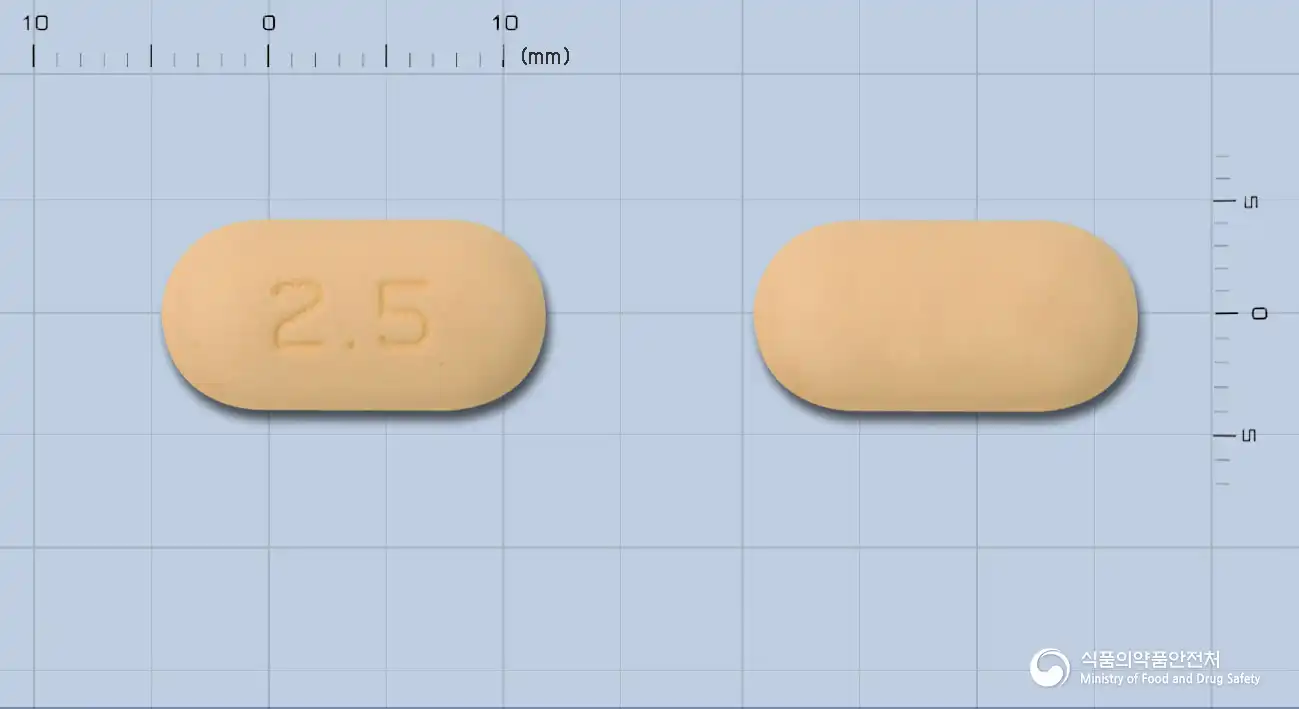 Combination
Metformin Hydrochloride 500mg · Glibenclamide 2.5mg
Tablet · Prescription medication · Combination
(Ltd) Daewoong Pharmaceutical
Even with the same ingredient, the dose and directions can differ by strength and dosage form. Talk to a doctor or pharmacist before switching from a medication you are already taking.
No questions yet.
For anything that needs medical judgment, consult a doctor or pharmacist.
This drug information is based on data provided by the Korea Ministry of Food and Drug Safety.
Consult a doctor or pharmacist for accurate dosage, administration, and usage instructions.