
 한국어
 English
 日本語
 中文(简体)
Dosage form image
Viewing nowTegretol Syrup 2% (Carbamazepine)
Carbamazepine 2g
Syrup · Prescription medication
Korea Novartis Co., Ltd.
MFDS item code 200307818 · Notified 2003.03.21 · Insurance code 653601111
Treatment of epilepsy, psychotic symptoms (e.g., mania and agitation), and trigeminal neuralgia
This medication is used to treat various seizures and mental disorders associated with epilepsy, including psychomotor seizures and convulsive seizures as part of tonic-clonic seizures. It is also effective for alleviating severe facial pain caused by trigeminal neuralgia. Psychiatrically, it helps control manic episodes in bipolar disorder and alleviates agitation in schizophrenia patients. In summary, this medication is broadly used for neurological and psychiatric disorders to improve symptoms.
This medicine is particularly suitable for patients who have difficulty swallowing tablets or when adjusting the dose at the start of treatment. Administer during, after, or between meals, and shake before use. When switching from tablets to syrup, divide the same total daily dose into smaller, more frequent doses. Adjust the dose and administration according to each patient's needs. Start with a low dose, increase gradually, and, once symptoms are adequately controlled, gradually reduce the dose and maintain the minimum effective dose. Adults with epilepsy: Administer an initial dose of this medicine of 200-400㎎ per day in 2-3 divided doses, and increase gradually in divided doses until the optimal effect is achieved (600㎎ per day). The dose may be increased to 1200㎎ per day according to symptoms. Adults with trigeminal neuralgia: Administer an initial dose of this medicine of 200-400㎎ per day in 2-3 divided doses, and increase in divided doses up to 600㎎ per day. The dose may be increased to 800㎎ per day according to symptoms. Adults with mania, manic states in manic-depressive illness, or states of excitement in schizophrenia: Administer an initial dose of this medicine of 200-400㎎ per day in 2-3 divided doses, and increase gradually until the optimal effect is achieved (600㎎ per day). The dose may be increased to 1,200㎎ per day according to symptoms. Adjust the dose according to age and symptoms.
Children with epilepsy: Administer this medicine at 10-20㎎ per kg of body weight per day. 4 weeks to under 1 year: 1-2 measuring spoons per dose, 1 dose, total daily dose 100-200㎎ 1-5 years: 1-2 measuring spoons per dose, 2 doses, total daily dose 200-400㎎ 6-10 years: 2-3 measuring spoons per dose, 2 doses, total daily dose 400-600㎎ 11-15 years: 2-3 measuring spoons per dose, 3 doses, total daily dose 600-1,000㎎
This medication may increase the risk of suicidal thoughts or behaviors, so changes in mood or depressive symptoms should be closely monitored during treatment. Serious and potentially fatal skin reactions such as Stevens-Johnson syndrome or toxic epidermal necrolysis may occur during treatment with this medication, so immediate consultation with a doctor is necessary if skin rash or unusual symptoms appear. Taking this medication during pregnancy may pose risks for fetal malformations or growth retardation, hence women who are pregnant or planning to become pregnant must consult their doctor and use effective contraceptives during treatment. There is a higher risk of skin reactions in Asian individuals with specific genetic markers; therefore, genetic testing is recommended. If the test result is positive, it is advised not to use this medication. Regular blood tests are necessary as it may lower white blood cell or platelet counts, and immediate medical attention is needed for symptoms like fever, rash, or bleeding. Since this medication can affect liver and kidney function, regular monitoring before and during treatment is required, particularly in patients with a history of liver or kidney disease. This medication may cause neurological adverse reactions such as drowsiness, dizziness, and motor coordination impairment, thus caution is advised when driving or operating machinery. Many interactions with other medications can occur, so patients taking other drugs should inform their doctor or pharmacist, especially when combining with antidepressants, antifungals, antibiotics, or contraceptives. Abrupt discontinuation of this medication may exacerbate seizures, thus the dosage should be gradually reduced under the direction of a physician. This medication is not suitable for children, especially newborns, and should be kept out of reach of children. In case of overdose, symptoms may appear related to the central nervous system and cardiovascular system, so immediate medical attention is necessary. If there are any allergic reactions or serious side effects during treatment, stop taking the medication immediately and consult a healthcare professional.
Not everyone experiences these, and they can vary from person to person.
This medication is sensitive to light; therefore, it should be stored in a sealed container that blocks light. Additionally, it should be stored at room temperature between 1 degree Celsius and 30 degrees Celsius to maintain efficacy.
A colorless viscous syrup with a caramel flavor contained in a brown glass bottle.
100mL/bottle x 1
Even with the same ingredient, strength, dosage form and how it is taken can differ.
Carbamazepine 2g
Syrup · Prescription medication
Korea Novartis Co., Ltd.

Carbamazepine 200mg
Tablet · Prescription medication
Myeongin Pharmaceutical Co., Ltd.
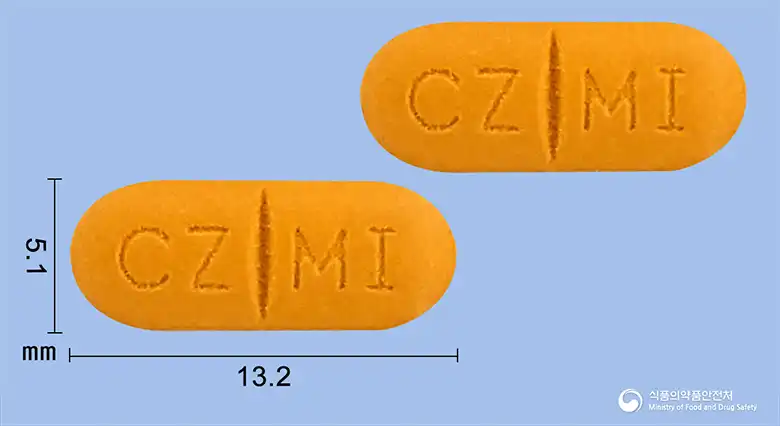
Carbamazepine 200mg
Tablet · Prescription medication
Myungin Pharmaceutical Co., Ltd.

Carbamazepine 200mg
Tablet · Prescription medication
Hanin Pharmaceutical Co., Ltd.
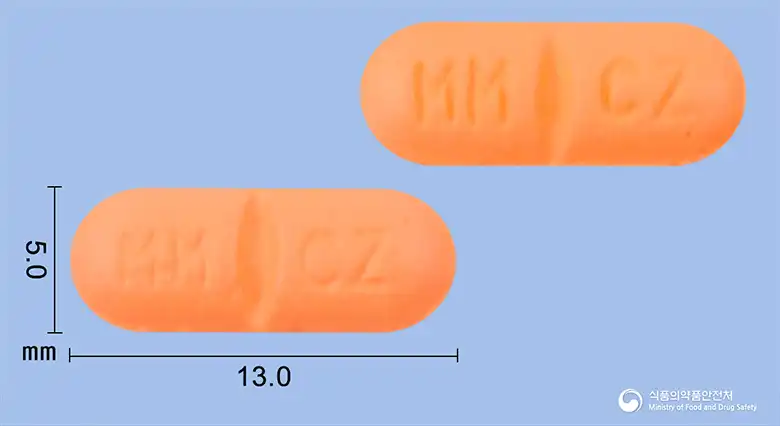
Carbamazepine 200mg
Tablet · Prescription medication
Myungmoon Pharmaceutical Co., Ltd.
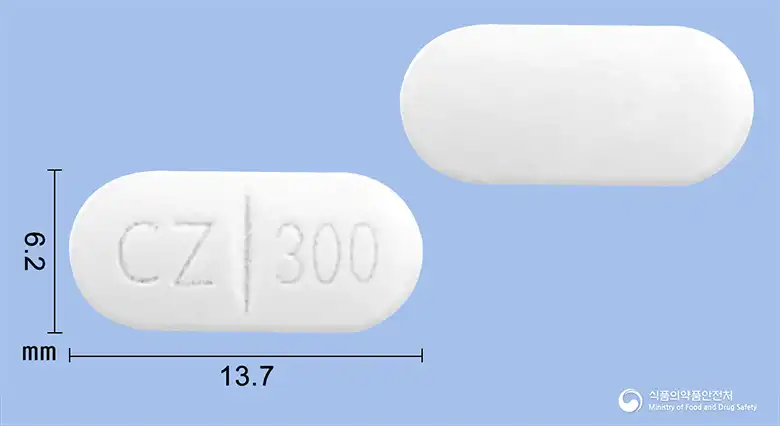
Carbamazepine 300mg
Tablet · Prescription medication
Myeongin Pharmaceutical Co., Ltd.

Carbamazepine 300mg
Tablet · Prescription medication
Bukhwang Pharm Co., Ltd.

Carbamazepine 200mg
Tablet · Prescription medication
Novartis Korea Ltd.
Even with the same ingredient, the dose and directions can differ by strength and dosage form. Talk to a doctor or pharmacist before switching from a medication you are already taking.
No questions yet.
For anything that needs medical judgment, consult a doctor or pharmacist.
This drug information is based on data provided by the Korea Ministry of Food and Drug Safety.
Consult a doctor or pharmacist for accurate dosage, administration, and usage instructions.