
 한국어
한국어 English
 日本語
日本語 中文(简体)
 Viewing nowCombination
Glycobance Tablet 500/5 mg
Metformin Hydrochloride 500mg · Glibenclamide 5mg
Tablet · Prescription medication · Combination
Merck Co., Ltd.
MFDS item code 200307794 · Approved 2003.02.06 · Insurance code 661700100
Improvement in blood sugar control in insulin-independent diabetes
This medication is used for the treatment of insulin-independent (type II) diabetes mellitus in adults. It is particularly prescribed as a second-line therapy when blood sugar control is difficult with diet, exercise, or monotherapy with metformin or sulfonylurea. It can also be used as an alternative treatment for patients whose blood glucose is well controlled on a combination of metformin and sulfonylurea. It effectively aids in blood sugar control, playing an important role in the treatment of diabetes.
The standard starting dose is 500 mg of Metformin Hydrochloride/Glibenclamide 2.5 mg, taken as 1 tablet daily. For patients receiving both Metformin Hydrochloride and Glibenclamide, the dose is 2 tablets daily with meals. The dose may be increased gradually by 1 tablet every 1-2 weeks according to blood sugar levels, with the maximum dose being 500 mg of Metformin Hydrochloride/Glibenclamide 5 mg, up to 4 tablets daily.
This medication can cause severe lactic acidosis and hypoglycemia, so it should not be administered to patients with impaired kidney function or those in acute conditions such as acute infections or myocardial infarction. Additionally, this medication is associated with an increased risk of cardiovascular mortality, requiring caution in patients with a history of heart failure or myocardial infarction. Patients with reduced kidney function, impaired liver function, pregnant or breastfeeding women, and those taking certain medications should not use this medication or should use it with caution. During treatment, patients should be vigilant for signs of hypoglycemia, which may include cold sweats, dizziness, headaches, palpitations, and hunger. Due to the risk of lactic acidosis, patients experiencing dehydration, severe infections, or hypoxia should immediately discontinue the medication and seek medical attention. Gastrointestinal side effects (abdominal pain, diarrhea, nausea, vomiting, etc.) are common and can be minimized by gradually increasing the dosage or dividing the doses with meals. Regular blood tests to monitor kidney function, liver function, and vitamin B12 levels are necessary to ensure there are no abnormalities. There may be interactions with other medications; therefore, it is essential to inform a physician or pharmacist if any other medications are being used. Overdose can result in hypoglycemia or lactic acidosis, necessitating immediate treatment in a hospital setting if consciousness is impaired. Caution should be exercised when driving or operating machinery if there is blurred vision or symptoms of hypoglycemia, and such activities should be avoided if symptoms are severe. Lastly, this medication should be kept out of reach of children, and it should not be used by women who are pregnant or may become pregnant, or by nursing mothers.
Severe lactic acidosis, hypoglycemia (cold sweats, pallor, coma, seizures, etc.), increased risk of cardiovascular mortality, serious allergic reactions (hives, severe swelling, chest tightness, difficulty breathing), severe skin reactions (severe rashes with fever, blisters, skin peeling, mucosal pain), respiratory problems (shortness of breath or difficulty breathing, asthma attacks, cough accompanied by fever), liver abnormalities (jaundice of the skin and eyes, systemic issues)
Gastrointestinal symptoms (upper abdominal pain, diarrhea, nausea, vomiting, abdominal pain, loss of appetite), certain sensory disturbances (unpleasant metallic taste), skin reactions (itchiness, urticaria, papular rash, allergic vasculitis, erythema multiforme, dermatitis, photosensitivity), hematological abnormalities (leukopenia, thrombocytopenia, agranulocytosis, hemolytic anemia, aplastic bone marrow, pancytopenia), vitamin B12 deficiency, elevated liver enzymes, hepatic and skin toxicity
Not everyone experiences these, and they can vary from person to person.
This medication may be sensitive to air and moisture; therefore, it should be stored in a tightly sealed container. Additionally, it is advisable to store the medication at room temperature between 1 to 30 degrees Celsius, avoiding excessively hot or cold environments. Proper storage will help maintain the medication's efficacy for a longer period.
Pale yellow, oval-shaped, film-coated tablets with convex surfaces on both sides
For domestic use - 60 tablets/box [(20 tablets/PTP packaging x 3)]
Even with the same ingredient, strength, dosage form and how it is taken can differ.
Viewing nowCombinationMetformin Hydrochloride 500mg · Glibenclamide 5mg
Tablet · Prescription medication · Combination
Merck Co., Ltd.
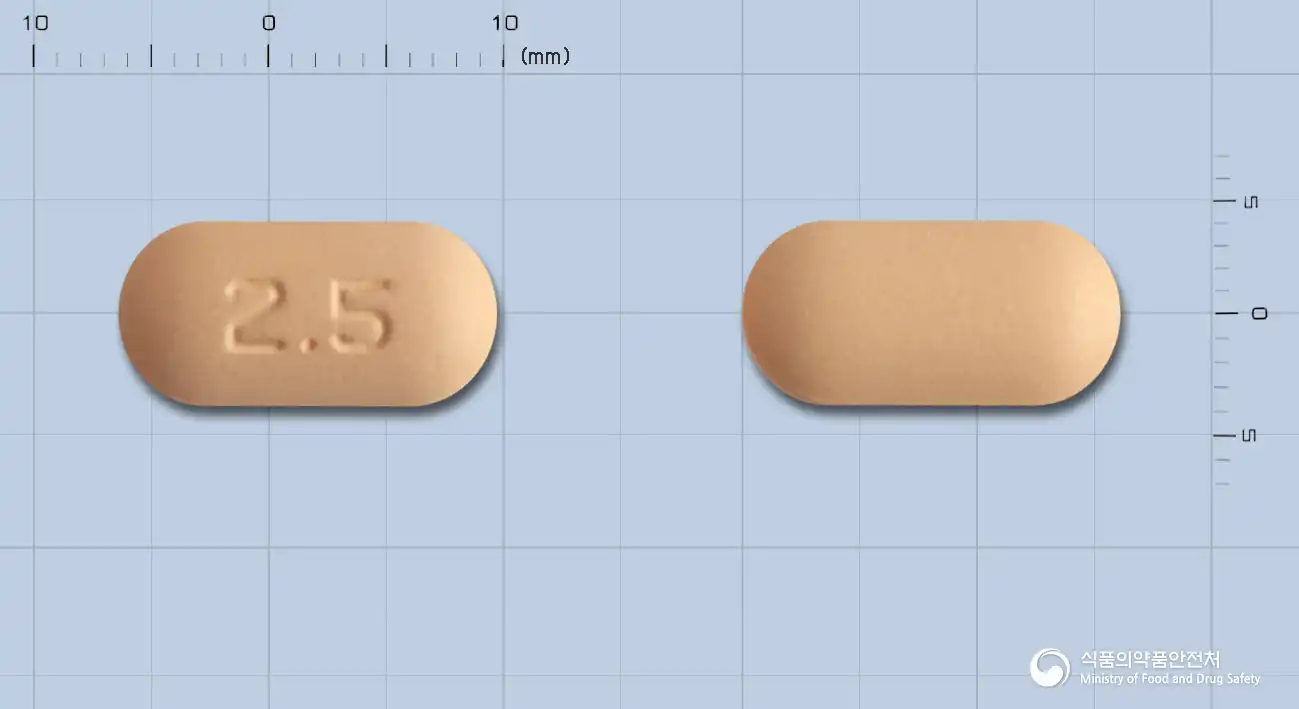 Combination
Metformin Hydrochloride 500mg · Glibenclamide 2.5mg
Tablet · Prescription medication · Combination
Merck Co., Ltd.
 Combination
Metformin Hydrochloride 500mg · Glibenclamide 2.5mg
Tablet · Prescription medication · Combination
(Ltd) Daewoong Pharmaceutical
 Combination
Metformin Hydrochloride 500mg · Glibenclamide 5mg
Tablet · Prescription medication · Combination
Daewoong Pharmaceutical Co., Ltd.
Even with the same ingredient, the dose and directions can differ by strength and dosage form. Talk to a doctor or pharmacist before switching from a medication you are already taking.
No questions yet.
For anything that needs medical judgment, consult a doctor or pharmacist.
This drug information is based on data provided by the Korea Ministry of Food and Drug Safety.
Consult a doctor or pharmacist for accurate dosage, administration, and usage instructions.