
 한국어
한국어 English
 日本語
日本語 中文(简体)
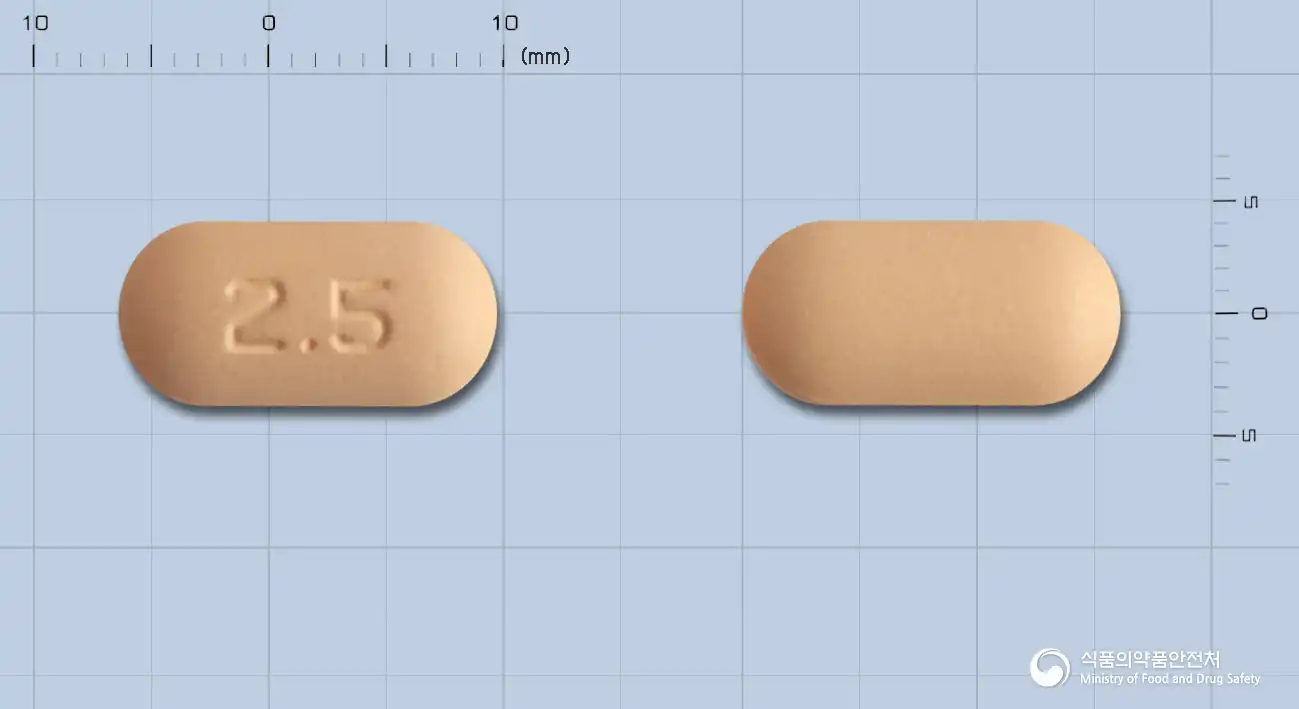 Viewing nowCombination
Glucovance Tablet 500/2.5 mg
Metformin Hydrochloride 500mg · Glibenclamide 2.5mg
Tablet · Prescription medication · Combination
Merck Co., Ltd.
MFDS item code 200307793 · Approved 2003.02.06 · Insurance code 661700090
Improvement of blood sugar control in insulin-independent diabetes
This medication is used in the treatment of adults with insulin-independent (Type II) diabetes. It is particularly effective as a second-line therapy when dietary and exercise therapy or previous treatments with metformin or sulfonylurea are insufficient in controlling blood sugar. It is also used to replace a combination therapy of metformin and sulfonylurea in patients with stable and well-controlled blood sugar. This drug aids in diabetes management by improving blood sugar control.
The usual starting dosage is 1 tablet of Metformin Hydrochloride/Glibenclamide 500/2.5 mg once daily. For patients receiving combined therapy with Metformin Hydrochloride and Glibenclamide, 2 tablets are taken daily with meals. The dosage may be increased by one tablet every 1-2 weeks based on the patient's blood sugar levels, with the maximum dosage being 4 tablets of Metformin Hydrochloride/Glibenclamide 500/5 mg daily.
This medication can cause severe lactic acidosis or hypoglycemia and should be used with extreme caution. Lactic acidosis is rare but can be fatal, with a higher risk in patients with impaired kidney function. It should not be administered to patients with cardiovascular diseases or those who have recently experienced myocardial infarction. Patients with moderate to severe renal impairment or those experiencing acute infections or dehydration should also avoid taking this medication. Pregnant or breastfeeding women and those taking certain other medications should refrain from use. This drug can trigger hypoglycemic symptoms, so regular meals and careful monitoring of hypoglycemic symptoms are necessary. Gastrointestinal disturbances are common during therapy, so splitting doses and taking them slowly is advisable. Caution is needed for patients with impaired liver function or those consuming excessive alcohol. This medication has many drug interactions, so inform your doctor or pharmacist about all medications you are taking. Elderly patients may have weakened kidney and liver function, so starting with a lower dose and undergoing regular examinations is essential. If severe hypoglycemic symptoms occur, immediately inform medical personnel and seek emergency treatment, and exercise caution when driving or operating machinery. During medication use, routine monitoring of blood sugar, kidney function, liver function, and blood tests, as well as monitoring vitamin B12 levels, is necessary. Overdosage may result in hypoglycemia or lactic acidosis, requiring immediate medical attention. Finally, it is important to avoid acute or chronic alcohol intake during medication use, while also maintaining regular meals and exercise.
Hypoglycemia, urticaria, severe swelling (edema), chest tightness, difficulty breathing, cold sweat, pallor, severe allergic reactions, severe rash with high fever, blisters, skin peeling, pain in oral/mucosal areas of eyes, severe skin adverse reactions, difficulty breathing or shortness of breath, asthmatic attacks, cough with fever-related respiratory issues, yellowing of the skin or eyes (jaundice), extreme malaise, liver abnormalities (jaundice), sudden and very severe symptoms
Gastrointestinal symptoms (upper abdominal pain, diarrhea, nausea, vomiting, abdominal pain, loss of appetite), headache, dizziness, pruritus, urticaria, maculopapular rash, metallic taste, thrombocytopenia, leukopenia, agranulocytosis, hemolytic anemia, aplastic anemia, pancytopenia, vitamin B12 deficiency, increased liver enzymes, hyponatremia, visual disturbances, bloating, thirst, increased appetite, dysuria, upper respiratory tract infections, fatty liver, arthralgia, insomnia,
Not everyone experiences these, and they can vary from person to person.
This medication should be stored in a tightly sealed container to prevent exposure to air or moisture. It should also be kept in a cool place, with a recommended temperature range of 1 to 30 degrees Celsius. Proper storage helps maintain the effectiveness of the medication for a long time.
A film-coated tablet that is oval-shaped with convex surfaces and light orange in color
For domestic use - 60 tablets/box[(20 tablets/PTP packaged x 3)]
Even with the same ingredient, strength, dosage form and how it is taken can differ.
Viewing nowCombinationMetformin Hydrochloride 500mg · Glibenclamide 2.5mg
Tablet · Prescription medication · Combination
Merck Co., Ltd.
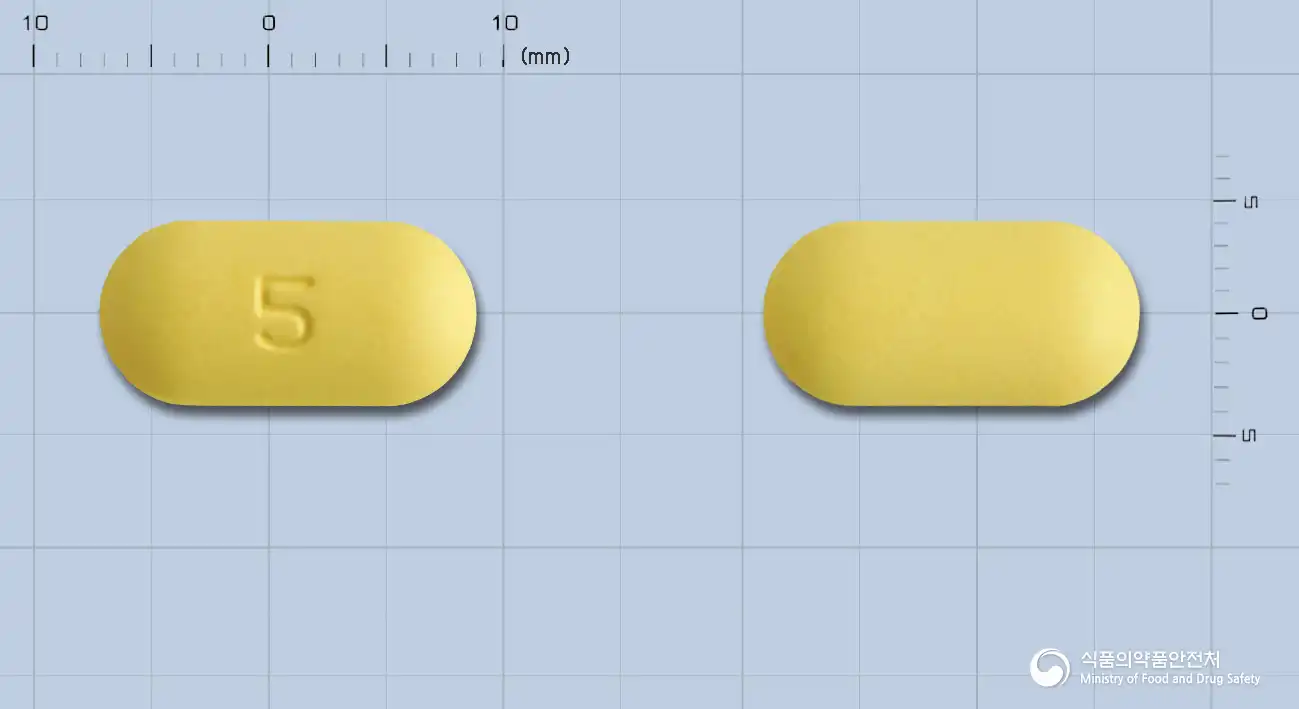 Combination
Metformin Hydrochloride 500mg · Glibenclamide 5mg
Tablet · Prescription medication · Combination
Merck Co., Ltd.
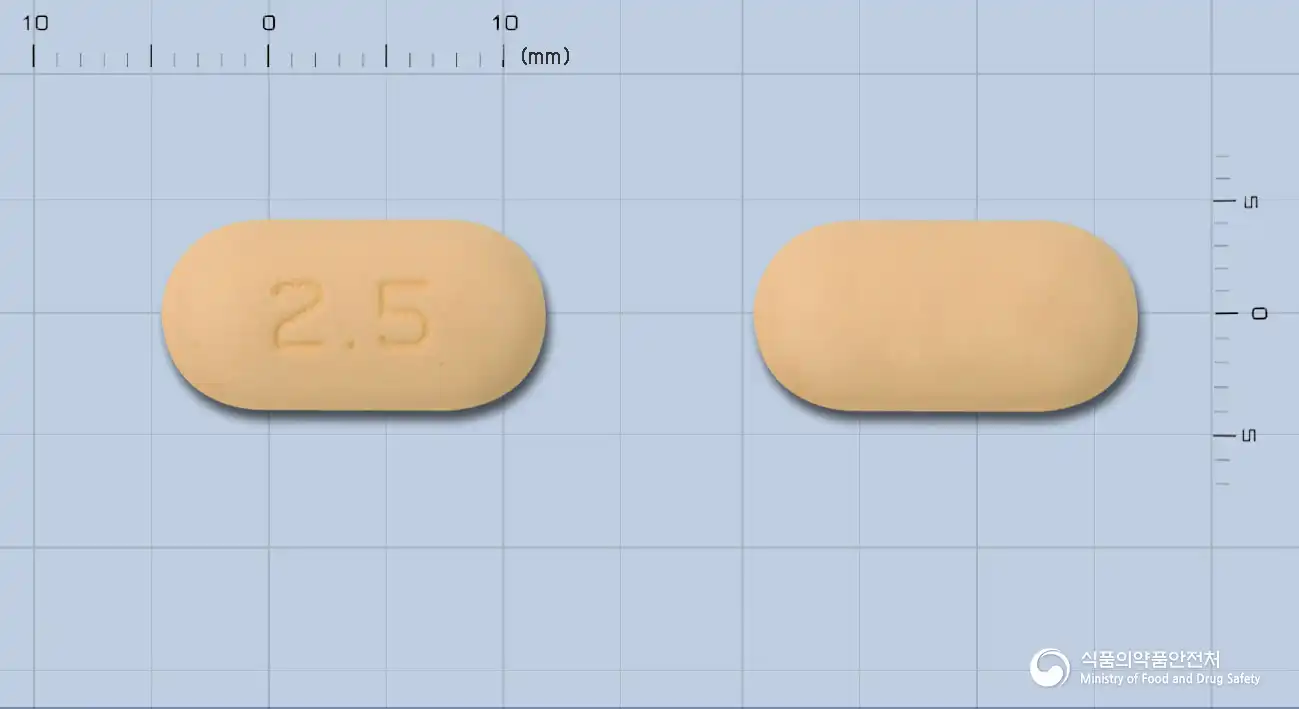 Combination
Metformin Hydrochloride 500mg · Glibenclamide 2.5mg
Tablet · Prescription medication · Combination
(Ltd) Daewoong Pharmaceutical
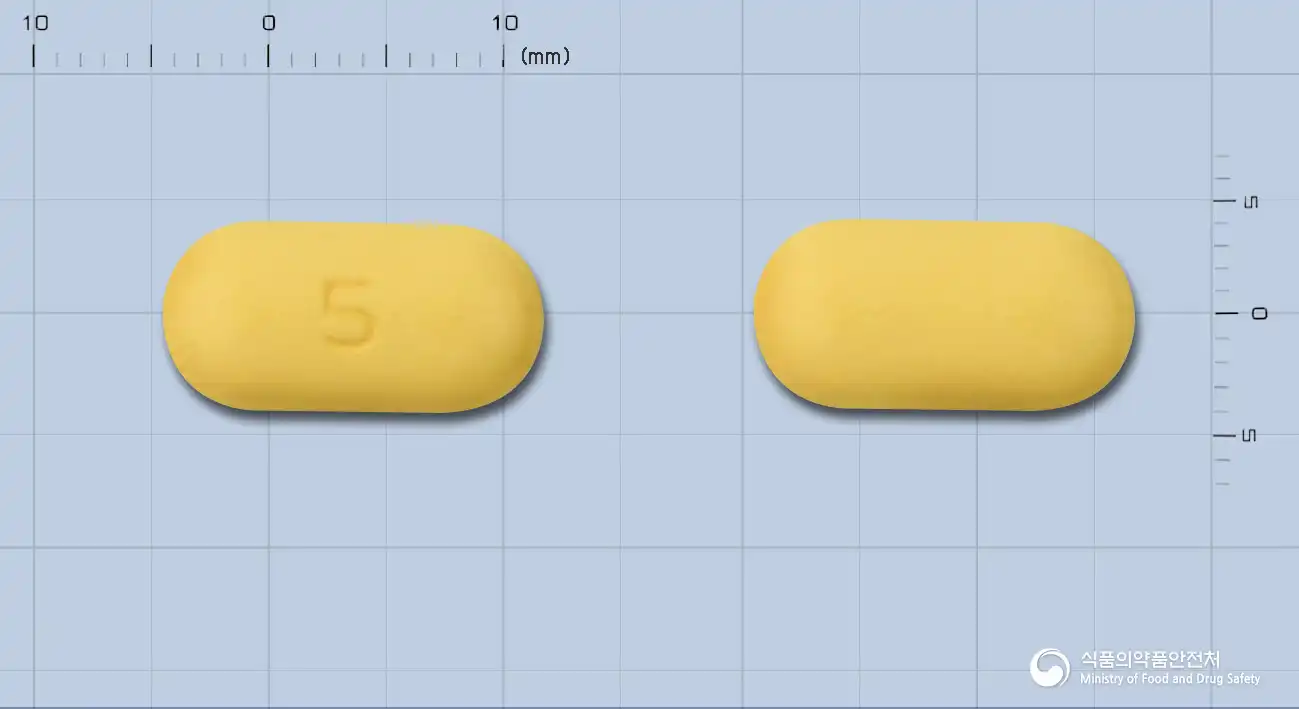 Combination
Metformin Hydrochloride 500mg · Glibenclamide 5mg
Tablet · Prescription medication · Combination
Daewoong Pharmaceutical Co., Ltd.
Even with the same ingredient, the dose and directions can differ by strength and dosage form. Talk to a doctor or pharmacist before switching from a medication you are already taking.
No questions yet.
For anything that needs medical judgment, consult a doctor or pharmacist.
This drug information is based on data provided by the Korea Ministry of Food and Drug Safety.
Consult a doctor or pharmacist for accurate dosage, administration, and usage instructions.