
 한국어
 English
 日本語
 中文(简体)
 Viewing now
Cytotec Tablets 200 Micrograms (Misoprostol 100 Fold Dilution)
Misoprostol 1% 200mg
Tablet · Prescription medication
Pfizer Korea Co., Ltd.
MFDS item code 200307647 · Notified 2006.09.01 · Insurance code 648900540
Treatment of gastric and duodenal ulcers; prevention and treatment of NSAID-induced gastritis and duodenitis and ulcers
This drug is used to treat ulcers that occur in the stomach and duodenum and to prevent inflammation and ulcers in the stomach and duodenum that may occur when taking non-steroidal anti-inflammatory drugs.
1. Treatment of gastric and duodenal ulcers, and gastritis and ulcers caused by administration of nonsteroidal anti-inflammatory drugs (NSAIDs): Take 1 tablet (200 mcg of misoprostol per dose) orally 4 times daily for 4-8 weeks with meals and at bedtime. 2. Prevention of gastritis and ulcers caused by administration of NSAIDs: Take 2~4 tablets daily (400~800 mcg of misoprostol) orally in divided doses with meals and at bedtime. Administer this medicine during NSAID treatment as directed by a physician. To minimize diarrhea, which may occur as an adverse reaction, take this medicine with food and avoid concomitant use with magnesium-containing antacids. The dose may be adjusted according to age and symptoms.
This drug must not be used by pregnant women. It may cause miscarriage, so pregnancy status must be confirmed, and women of childbearing potential must use effective contraception while taking this drug. This drug should be used cautiously in patients at risk of gastric ulcers or gastrointestinal bleeding, and care should be taken as side effects like diarrhea, abdominal pain, and nausea may occur. Patients with allergies or previous allergic reactions to the ingredients of this drug should not take it. Patients with cerebrovascular disease or heart disease should use this drug cautiously due to the risk of hypotension or complications. It is also advisable not to administer this drug to breastfeeding mothers as it may affect the baby through breast milk. Its safety has not been established in children, and its use is not recommended. Elderly patients may exhibit gastrointestinal side effects, so caution is required during use. Do not share this medication with others during treatment and use it only by the prescribed patient. In case of overdose, symptoms such as vomiting, diarrhea, hypotension, and uterine contractions may occur, so immediate consultation with a healthcare professional is necessary. Keep the drug out of reach of children and do not transfer it to other containers for safety.
Not everyone experiences these, and they can vary from person to person.
This drug should be stored in a tightly closed container to protect it from air and moisture. Additionally, it is best to store the drug at room temperature below 25 degrees Celsius. Proper storage will help maintain the drug's effectiveness for a long time.
White or nearly white hexagonal tablet
100 tablets (10 tablets/blister x 10), 120 tablets/bottle
Even with the same ingredient, strength, dosage form and how it is taken can differ.
Viewing nowMisoprostol 1% 200mg
Tablet · Prescription medication
Pfizer Korea Co., Ltd.
Misoprostol 1% 20mg
Tablet · Prescription medication
Shinpoong Pharmaceutical Co., Ltd.
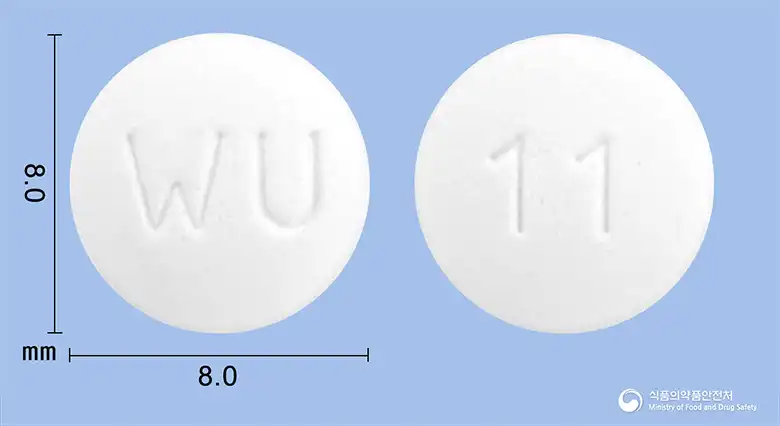
Misoprostol 1% 20mg
Tablet · Prescription medication
Withus Pharmaceutical Co., Ltd.
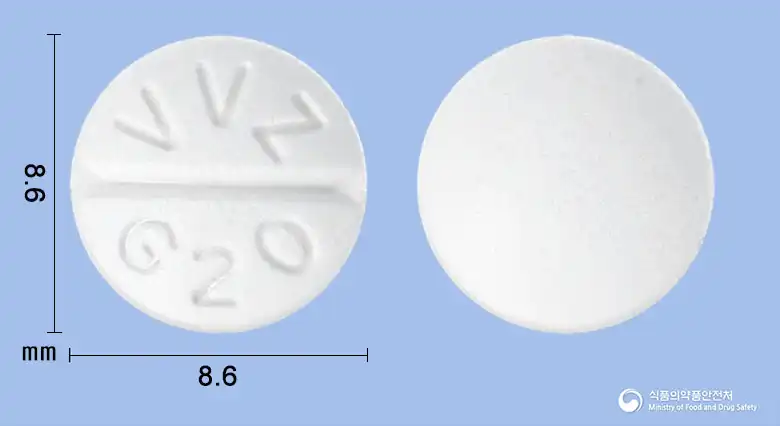
Misoprostol 1% 20mg
Tablet · Prescription medication
Bivorzon Pharmaceutical Co., Ltd.

Misoprostol 1% 20mg
Tablet · Prescription medication
Korea Nelson Pharmaceutical Co., Ltd.
Misoprostol 1% 10mg
Tablet · Prescription medication
Vivozon Pharmaceutical Co., Ltd.
Even with the same ingredient, the dose and directions can differ by strength and dosage form. Talk to a doctor or pharmacist before switching from a medication you are already taking.
No questions yet.
For anything that needs medical judgment, consult a doctor or pharmacist.
This drug information is based on data provided by the Korea Ministry of Food and Drug Safety.
Consult a doctor or pharmacist for accurate dosage, administration, and usage instructions.